
Last updated November 14, 2026
 Sweep & inspection
 Caps & crowns
 Flue relining
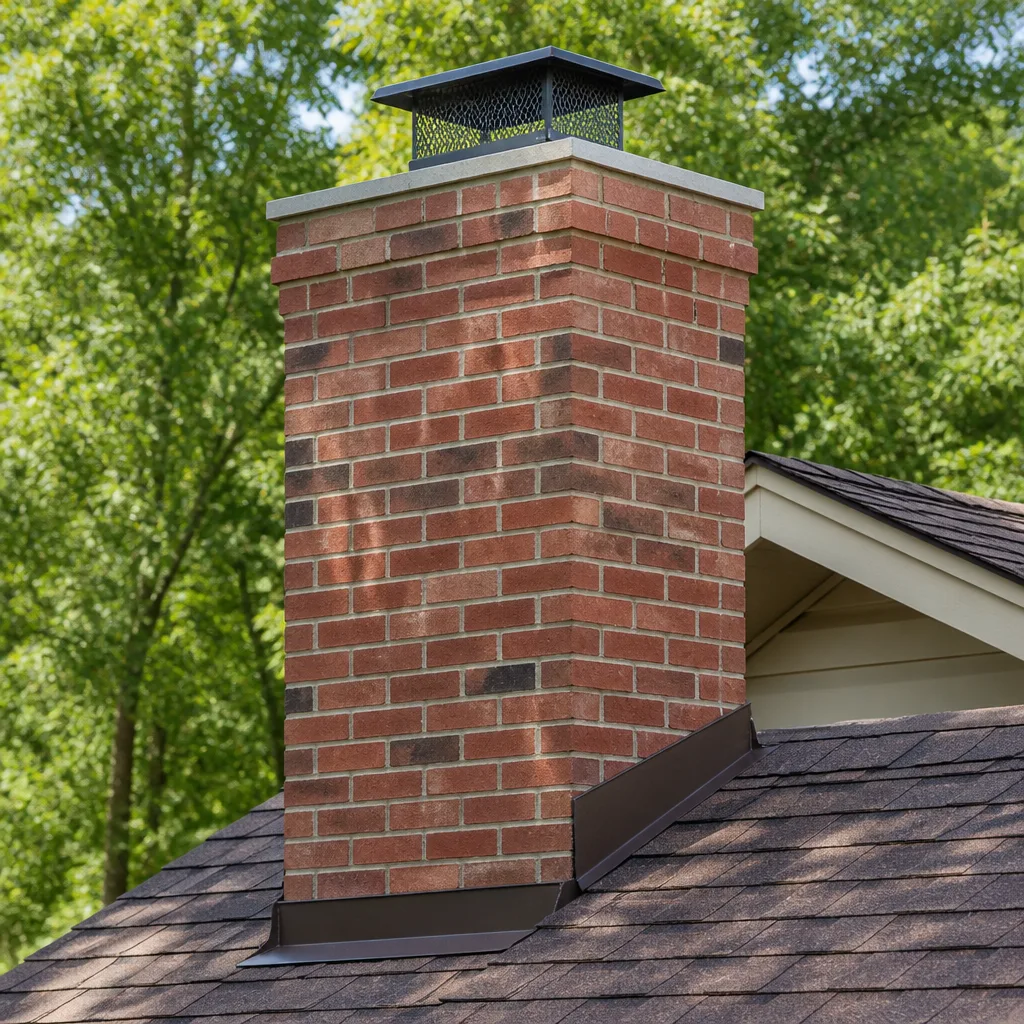 Masonry repair
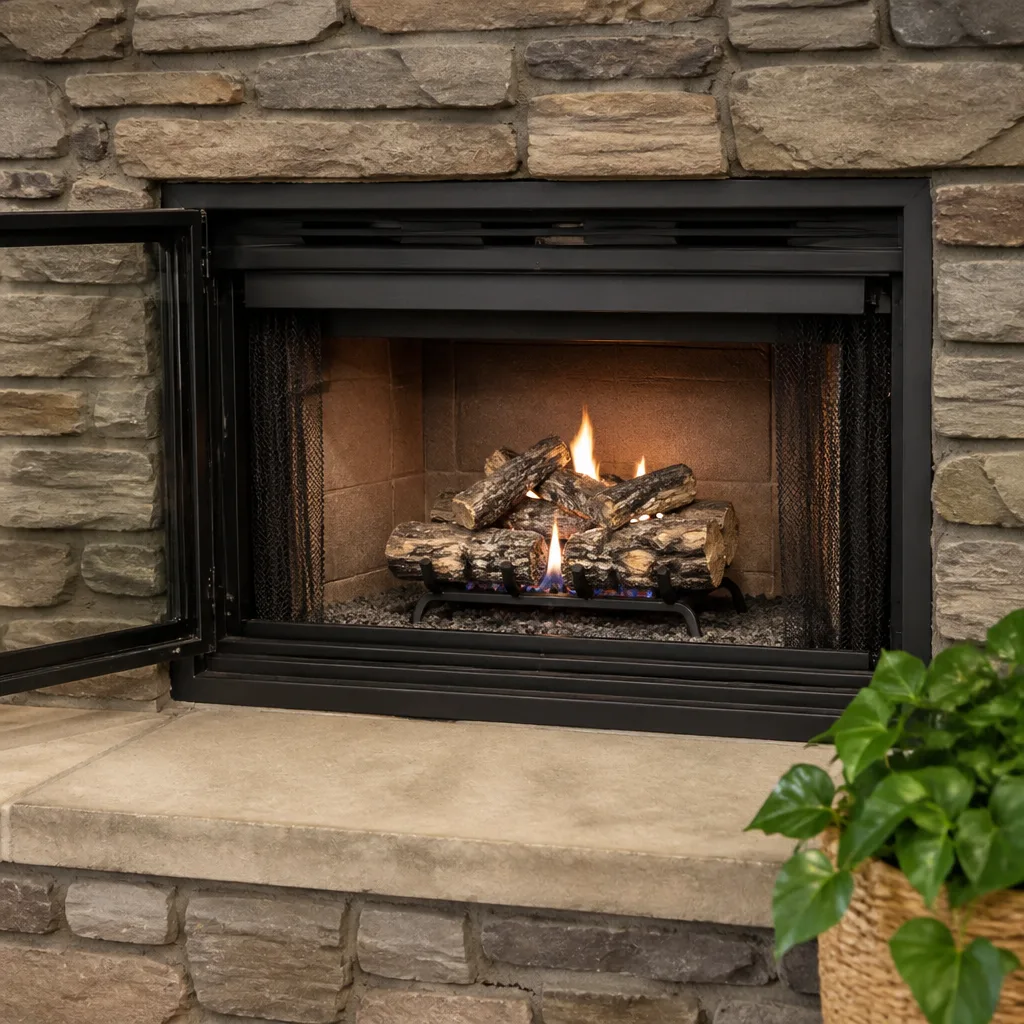 Gas fireplace service
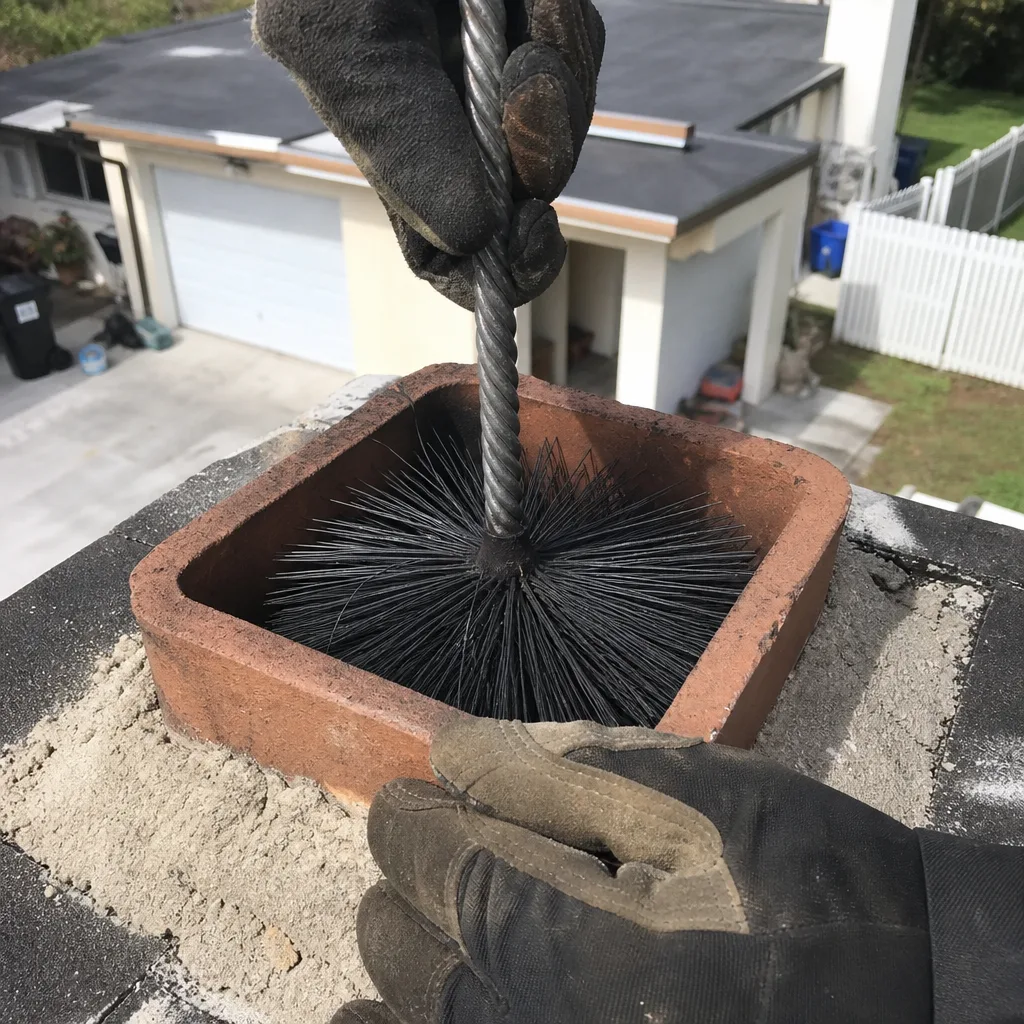
Level 1 sweep and inspection to the NFPA 211 annual standard - flue, crown, cap, and flashing checked and photographed
Chimney sweep logs do not sweep chimneys. They loosen some creosote - which then falls where a brush and vacuum still have to collect it.
Chimney Sweep Maintenance Schedule: What to Do and When
Most chimney maintenance advice you’ll find online was written for a house that burns four cords of wood through a six-month winter. That’s not Hialeah. Here, a fireplace runs for a short, intense stretch from December into February, many homes vent gas rather than wood, and the season that does the most damage to a chimney isn’t winter at all – it’s the humid stretch from June through September when the flue sits idle. NFPA 211 calls for an annual inspection, and that’s the right standard, but it doesn’t tell you that in Hialeah the month you choose matters as much as the task itself. This guide lays out a full-year schedule built around how chimneys here actually age. You’ll learn when to book a sweep, what gas appliances need, which off-season jobs prevent humidity damage, and how to keep records that hold up for insurance and resale.
Quick Answer
In Hialeah, the correct chimney maintenance schedule runs on an October inspection and sweep, an off-season cap and crown check before the rainy season, and an annual service for any gas insert or gas log set regardless of how often it’s used. Book the sweep for October so the flue is clean and inspected before your first fire in December, not in spring after the flue has already sat through months of humidity. Every chimney should be inspected once a year and swept whenever the inspection shows enough buildup to justify it.
Styles & brands we work with
- Sweep & inspection
- Caps & crowns
- Flue relining
- Masonry repair
- Gas fireplace service
Table of Contents
- Why October Is the Right Month in Hialeah
- Wood-Burning vs. Gas: Two Different Schedules
- Off-Season Tasks That Prevent Humidity Damage
- Component-by-Component Service Intervals
- The Annual Maintenance Checklist
- Tracking Maintenance History for Insurance and Resale
- Common Mistakes to Avoid
- When to Call a Professional
Why October Is the Right Month in Hialeah
In a cold-climate city, the sweep usually happens in early fall too, but for a different reason: the heating season starts sooner and runs longer. Here the logic is tighter. Hialeah’s fireplace season is compact, roughly December through February, which means an October service lands your flue in its cleanest, most inspected condition right before you need it. A spring sweep sounds tidy, but it leaves the flue sitting through the entire rainy season with whatever moisture, soot residue or minor cap damage the winter left behind.
Humidity is the variable most homeowners underestimate. From June through September, warm moist air moves through an idle chimney. Soot left on the flue walls holds that moisture against the masonry. Creosote, the tar-like residue wood fires leave behind, doesn’t need flame to cause trouble; combined with damp air it becomes acidic and gradually attacks mortar joints and the flue lining. A flue swept in October and capped properly is far less exposed than one swept in April and then forgotten.
There’s a practical side too. Booking in October, before the first cool snap, means you’re choosing your appointment rather than competing for one. Homeowners in Hialeah tend to call the week the temperature finally drops, and that’s the worst week to need a sweep. Book the inspection early and the whole season runs on your schedule.
What “annual” really means here
An annual inspection is a look at the whole venting system: firebox, damper, flue, cap and crown. Sweeping is a separate decision the inspection drives. If the inspection finds light deposits, we’ll tell you so and you may not need a sweep that year. If it finds heavy creosote or a glazed layer, sweeping is not optional. The inspection interval is fixed at once a year; the sweep interval follows what the inspection actually shows.
Wood-Burning vs. Gas: Two Different Schedules
A gas insert or gas log set needs an annual service just like a wood-burning fireplace, but the service is a different job and the risk is a different one. Gas appliances produce very little of the creosote that wood fires leave, so heavy sweeping is rarely the issue. What matters is the burner, the logs, the pilot and the venting: a gas log set that’s been moved out of position can burn inefficiently and produce carbon monoxide, and a vent that’s blocked or improperly connected does the same. Carbon monoxide is odorless, which is exactly why the annual check matters even for a fireplace you only light a few evenings a year.
Wood-burning systems here tend to run hard for a short season. Three months of regular fires can build meaningful deposits, especially if the wood isn’t well seasoned. Dense South Florida humidity in the off-season then works on those deposits. That combination is why a wood-burning chimney in Hialeah should never skip a year.
Comparing the two schedules
- Wood-burning: annual inspection in October; sweep whenever inspection shows buildup; cap and crown check before rainy season; damper check each fall.
- Gas insert or log set: annual service every year regardless of use; burner and log position checked; venting and termination verified; carbon monoxide considerations reviewed.
- Both: one inspection per year minimum; records kept for insurance and resale.
Many Hialeah homes run one of each, or a gas set in the living room and a wood-burning fireplace elsewhere. When that’s the case, the two annual visits can be combined into one appointment. Cleaning a dryer vent at the same time is a sensible addition too, since it’s the other fire-hazard system in the house – more on that below.
Off-Season Tasks That Prevent Humidity Damage
The months when the fireplace is dark are when the quiet damage happens. Three tasks handle most of it, and they’re quick when they’re done on schedule.
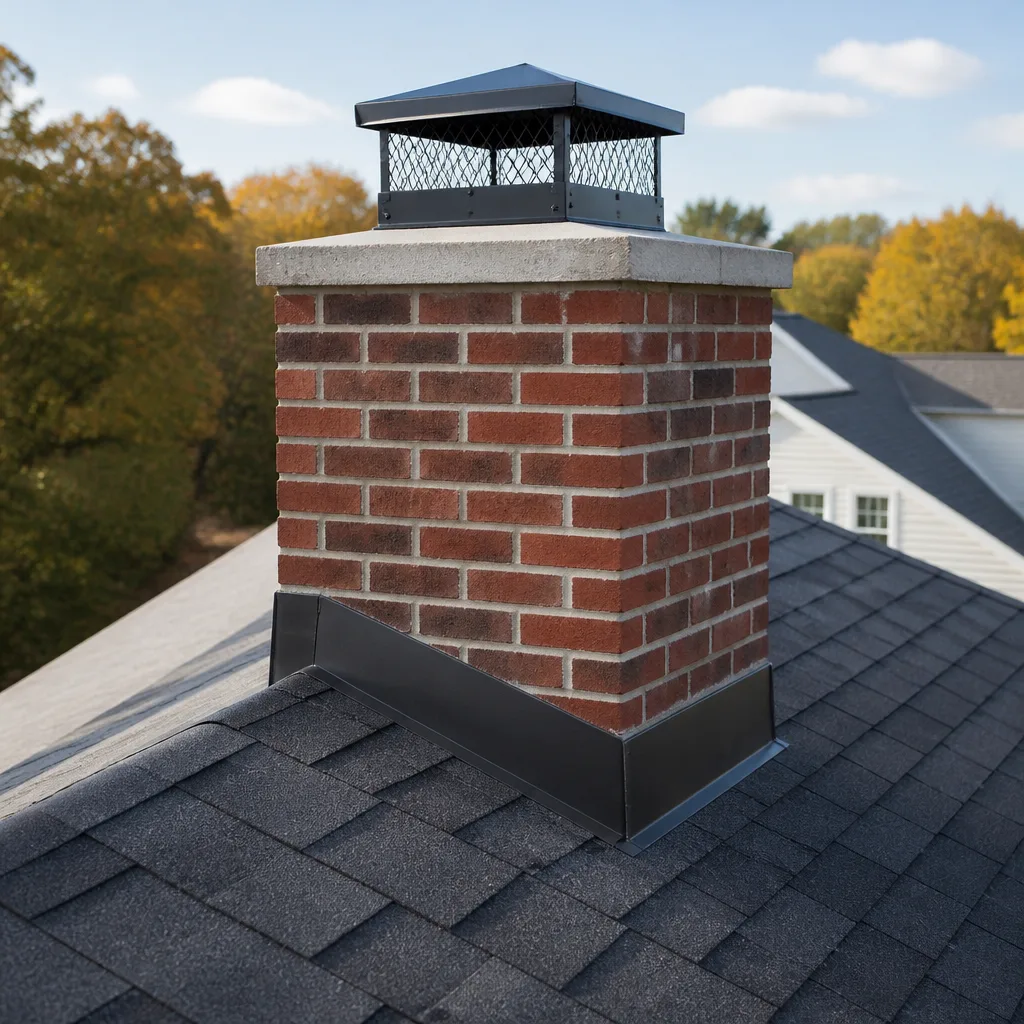
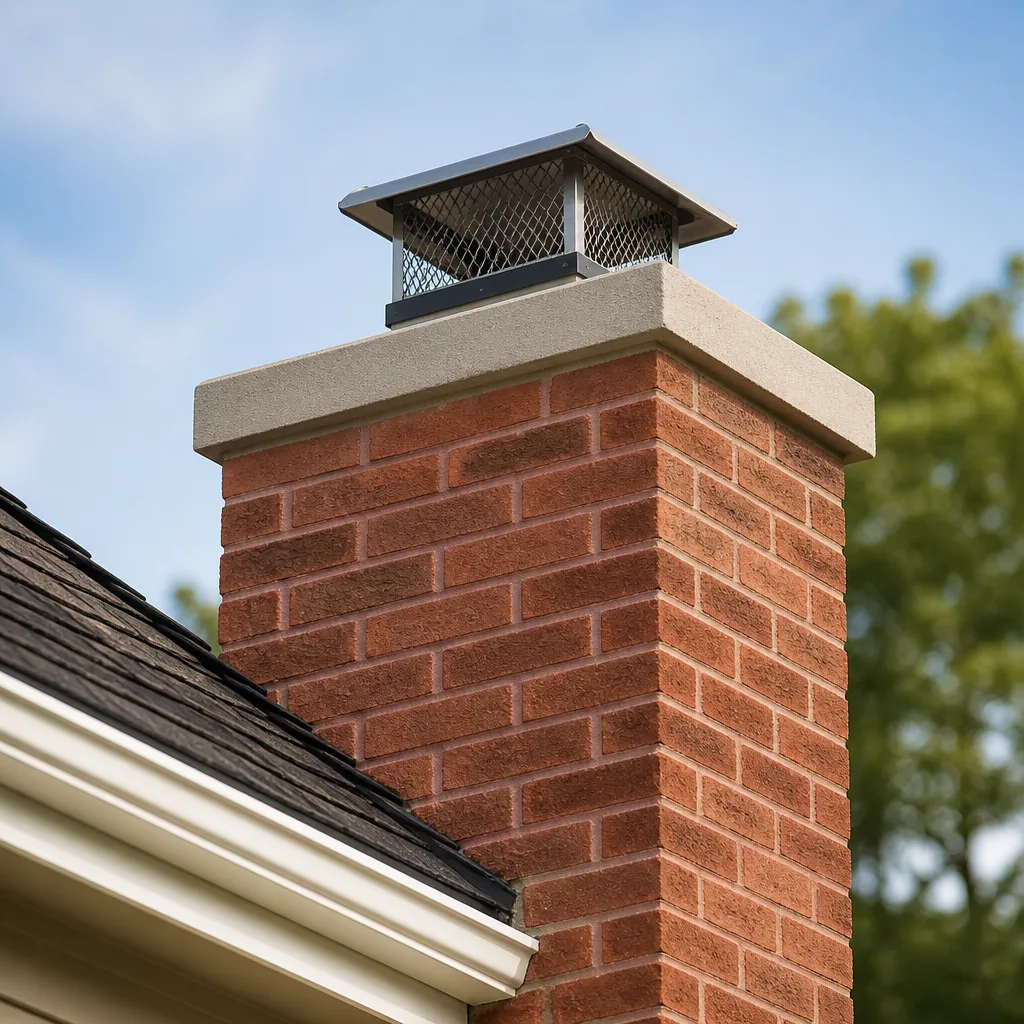
- Inspect the cap before the rainy season begins. The cap keeps rain and animals out of the flue. A cracked or loose cap, or missing spark screen, lets water straight into the chimney. Check it in late spring, before the June rains start, because a small cap problem in May becomes a wet flue all summer.
- Check the crown and seal any cracks. The crown is the concrete or masonry surface at the top of the chimney that sheds water. Hairline cracks let moisture into the masonry below, and moisture that gets in during the rainy season has months to work. Sealing cracks before summer is one of the highest-value jobs in this climate.
- Exercise the damper. A damper that sits closed for eight months can seize. Opening and closing it a few times before the season tells you whether it still moves freely, and a damper that’s stuck open lets cooled air and humidity up the flue year-round.
There’s a fourth task worth naming: keep the flue dry by leaving the damper closed when the fireplace is out of use. It’s free, and it cuts the humidity load on the flue lining through the whole off-season.
Component-by-Component Service Intervals
Different parts of a chimney wear at different rates, and in Hialeah’s conditions those rates aren’t the same as in a cold climate. Here’s how we think about each component’s realistic interval.
- Damper: check every fall, service or replace when it no longer seals. Sticking is common after a humid idle season.
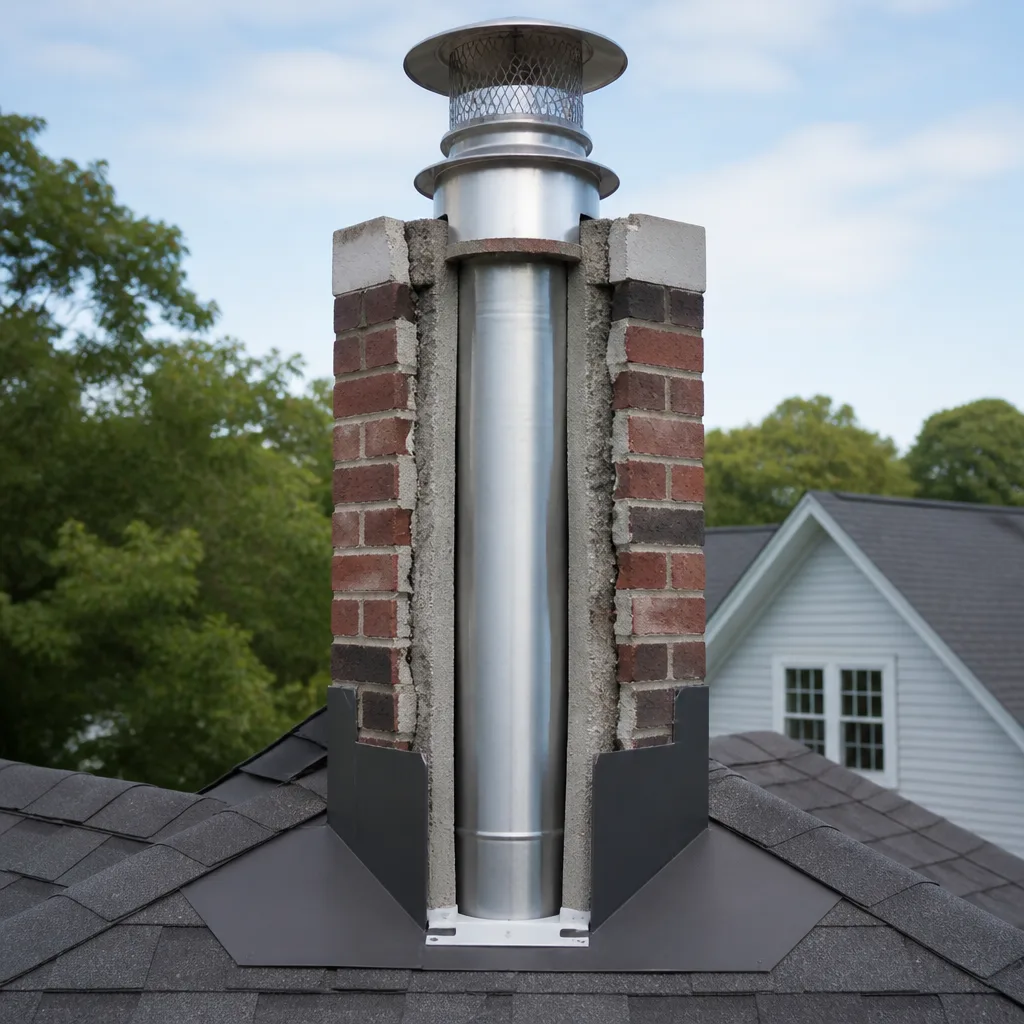
- Flue liner: inspect annually. A clay liner with cracked or spalled sections needs repair; a damaged liner in a wood-burning chimney is a fire path into the framing and should be addressed before the season, not deferred. Where the liner is sound but worn, resurfacing can extend its life without a full replacement.
- Cap: inspect each spring and fall; replace when cracked, rusted through or missing its screen.
- Crown: inspect before rainy season; seal cracks as they appear; rebuild when the crown has lost its slope and no longer sheds water.
- Firebox: checked at the annual inspection; mortar joints and firebrick that are crumbling get repointed.
- Dryer vent: cleaned on its own schedule, separate from the chimney – typically annual for most households, more often for large families or heavy laundry use.
When a liner does need work, the material matters. We specify trade-grade components – the same professional brands used across the chimney trade, including flexible DuraFlex liner systems for retrofits in older or irregular flues, Gelco and Olympia Chimney parts, and Copperfield products where they fit the job. For a flue that’s structurally sound but worn, HeatShield resurfacing lets us rehabilitate the existing liner rather than replace it, which is an option many general sweeps can’t offer. That capability is part of why we focus on chimney and venting work exclusively: getting the liner right the first time is a specialist’s job.
The Annual Maintenance Checklist
Here’s the full year at a glance. Treat it as a calendar you can actually follow.
- Late spring (May): inspect cap and crown; seal any cracks; confirm the damper closes fully. This is your pre-humidity-season pass.
- Summer (June-September): leave the damper closed; watch for water stains or musty smells near the fireplace; schedule your fall inspection now rather than waiting for the first cold snap.
- October: annual chimney inspection. Sweep if the inspection shows buildup. Service any gas insert or log set. This is the month that sets up the whole season in Hialeah.
- November: test the damper and do a small first fire to confirm draft before the season gets busy.
- December-February: burn season. Use seasoned wood; never burn trash or cardboard; keep a screen or glass door in place.
- March: after the last fire, note anything that felt off – weak draft, smoke spillage, odd smells – so the October inspection can target it.
Dryer vent cleaning fits anywhere in that calendar, ideally paired with whichever chimney visit you’ve already booked. Clearing both fire-hazard systems in one visit is simpler than two separate contractor calls, and it’s the kind of efficiency a specialist can offer because both jobs are in our wheelhouse.
Tracking Maintenance History for Insurance and Resale
A maintenance record is worth more than most homeowners realize. When you sell a home in Hialeah, a buyer’s inspector will look at the chimney, and a documented history of annual inspections and any liner or crown work answers the questions a buyer will ask. Insurance claims also go smoother when you can show a chimney was inspected and maintained on schedule. It’s a small habit with an outsized payoff.
Keep it simple. A folder – digital or paper – with the date of each visit, what was found, and what was done is enough. Note the component serviced (sweep, cap, crown, liner, damper) and any parts replaced, including the brand where it applies. When we service a chimney, we can tell you exactly what was done and what the inspection found so you can log it accurately.
If you’ve moved into a home and don’t have a history, an inspection is the fastest way to establish a baseline. From that first visit forward, the record builds itself.
See the difference
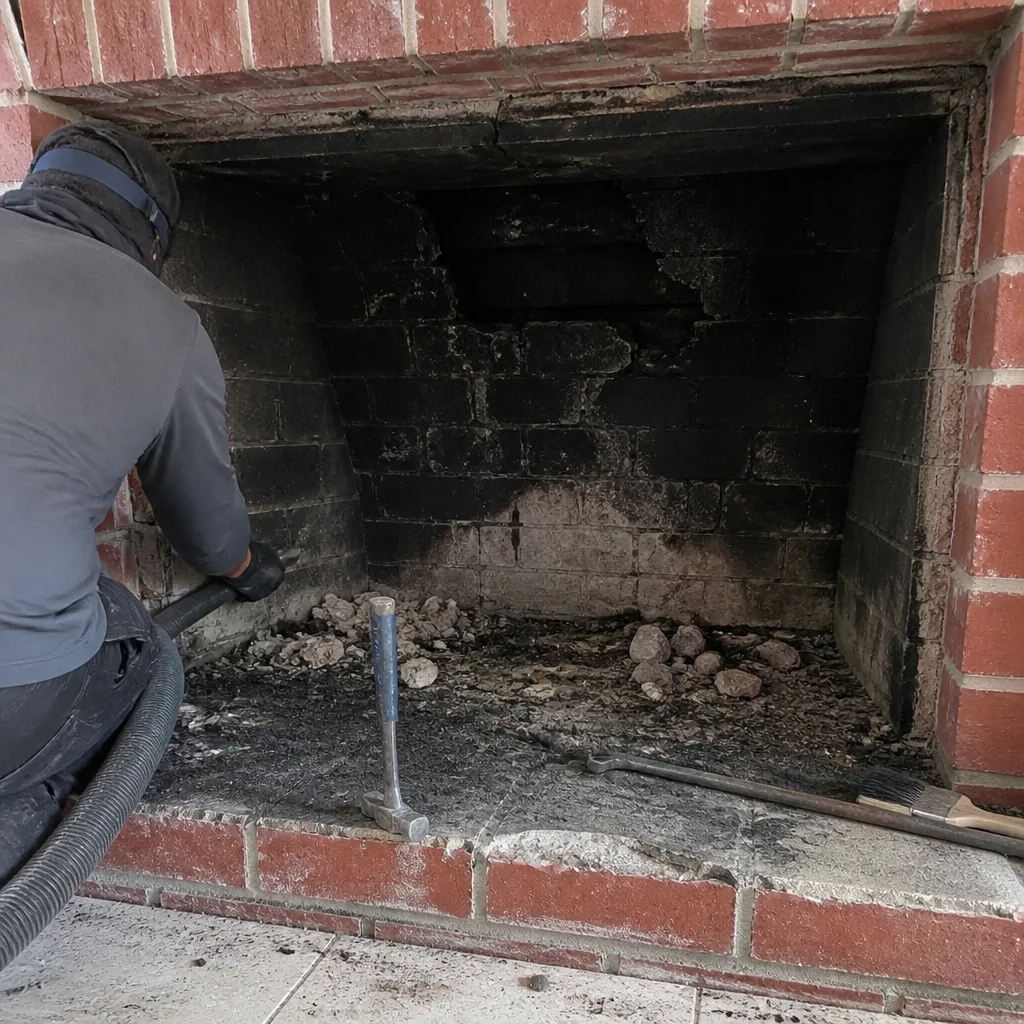 Before
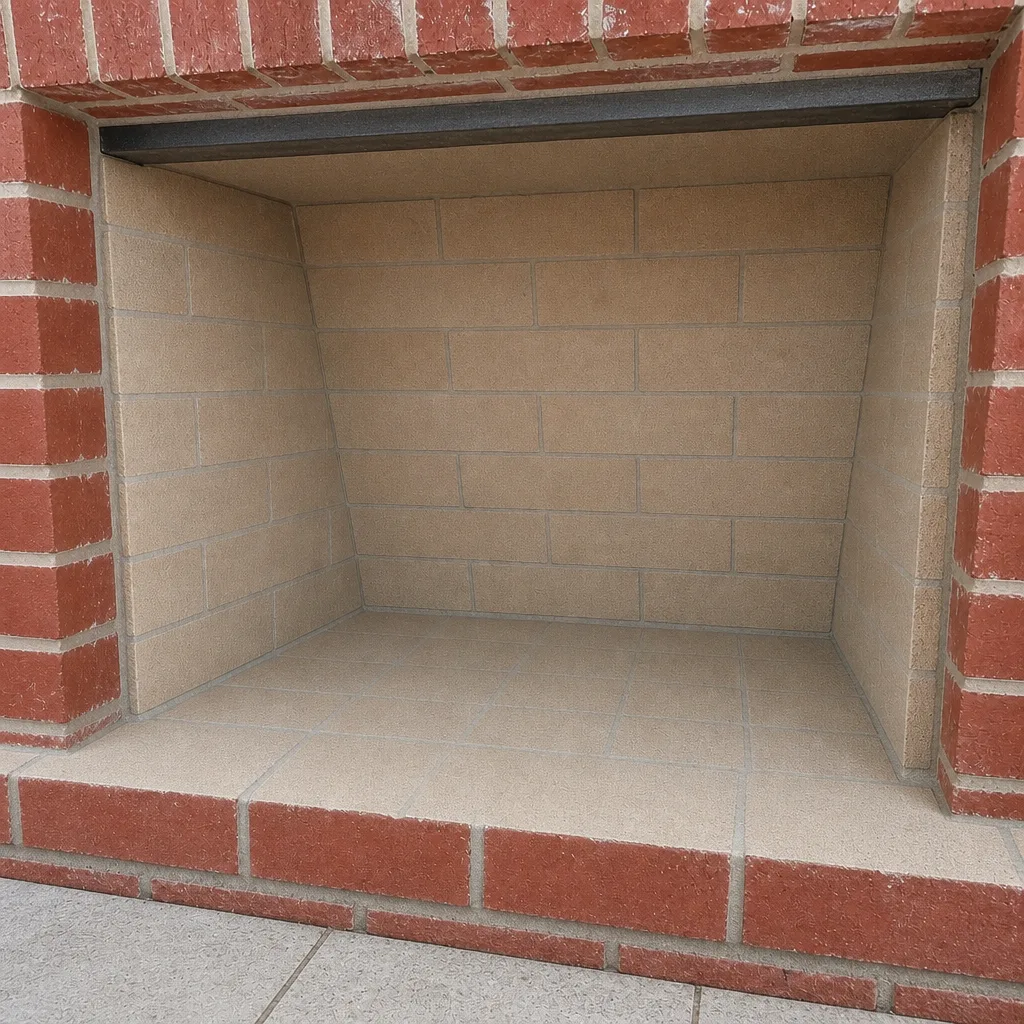 After
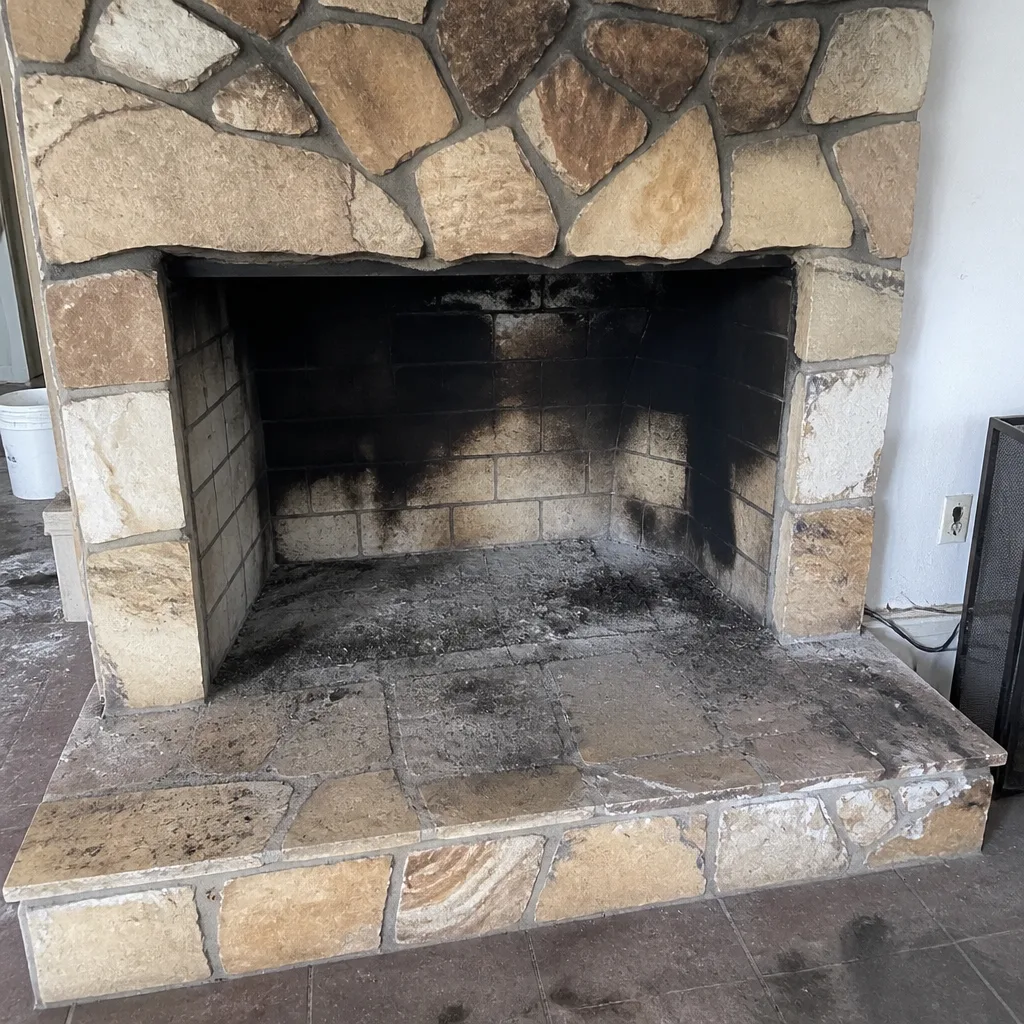 Before
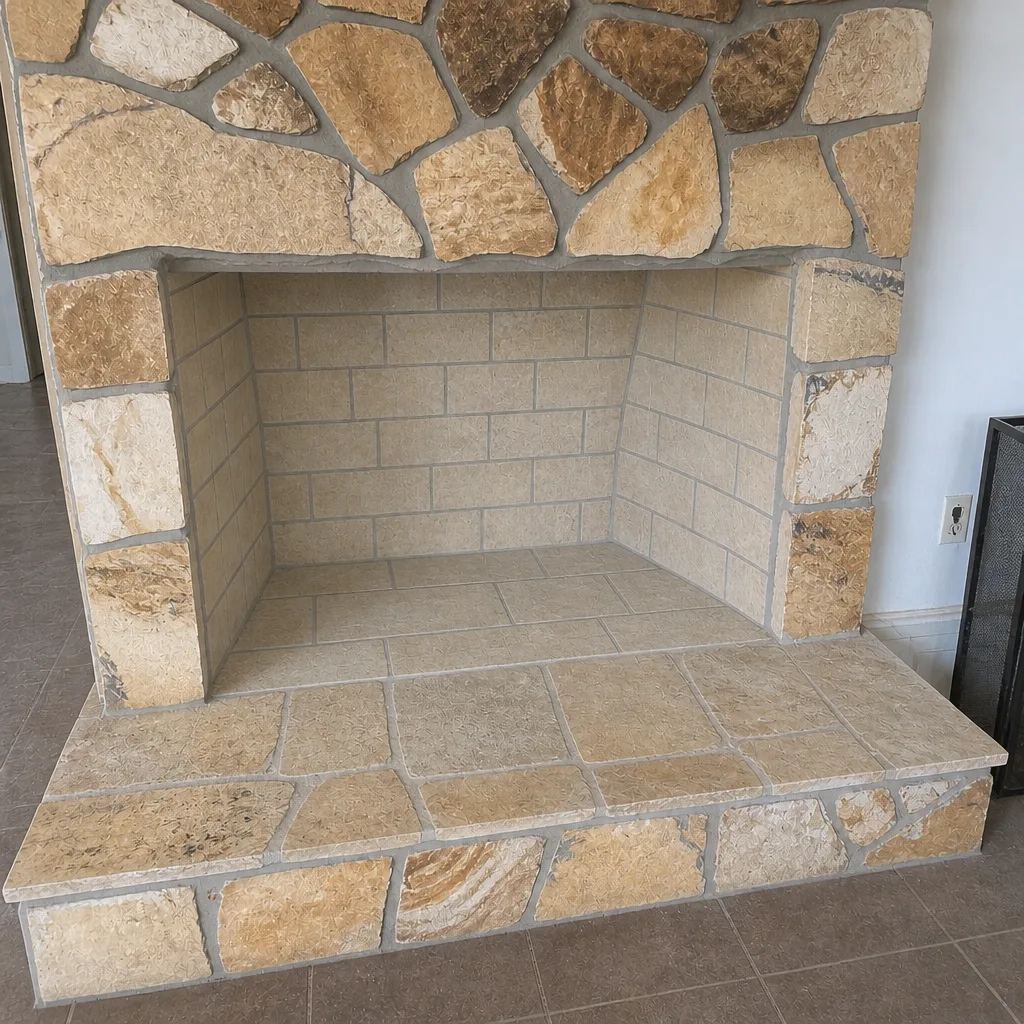 After
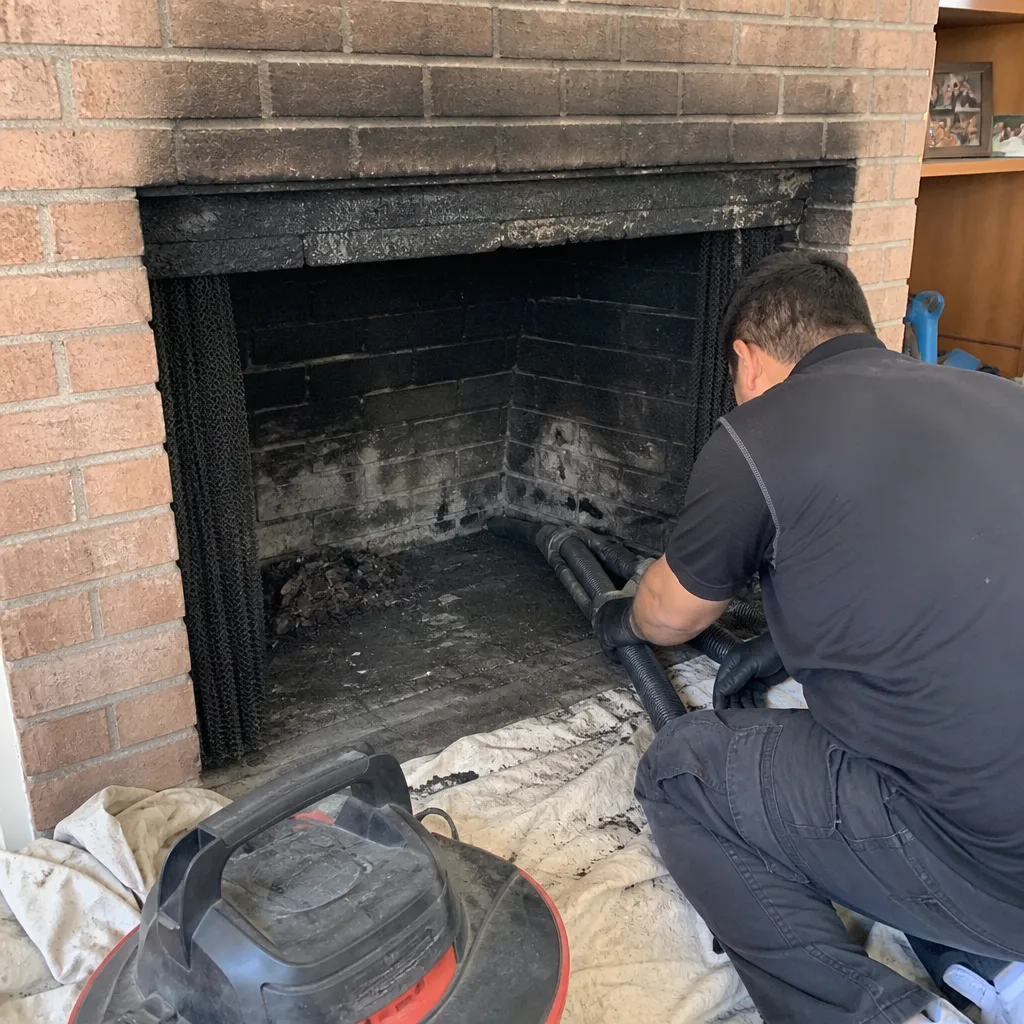 Before
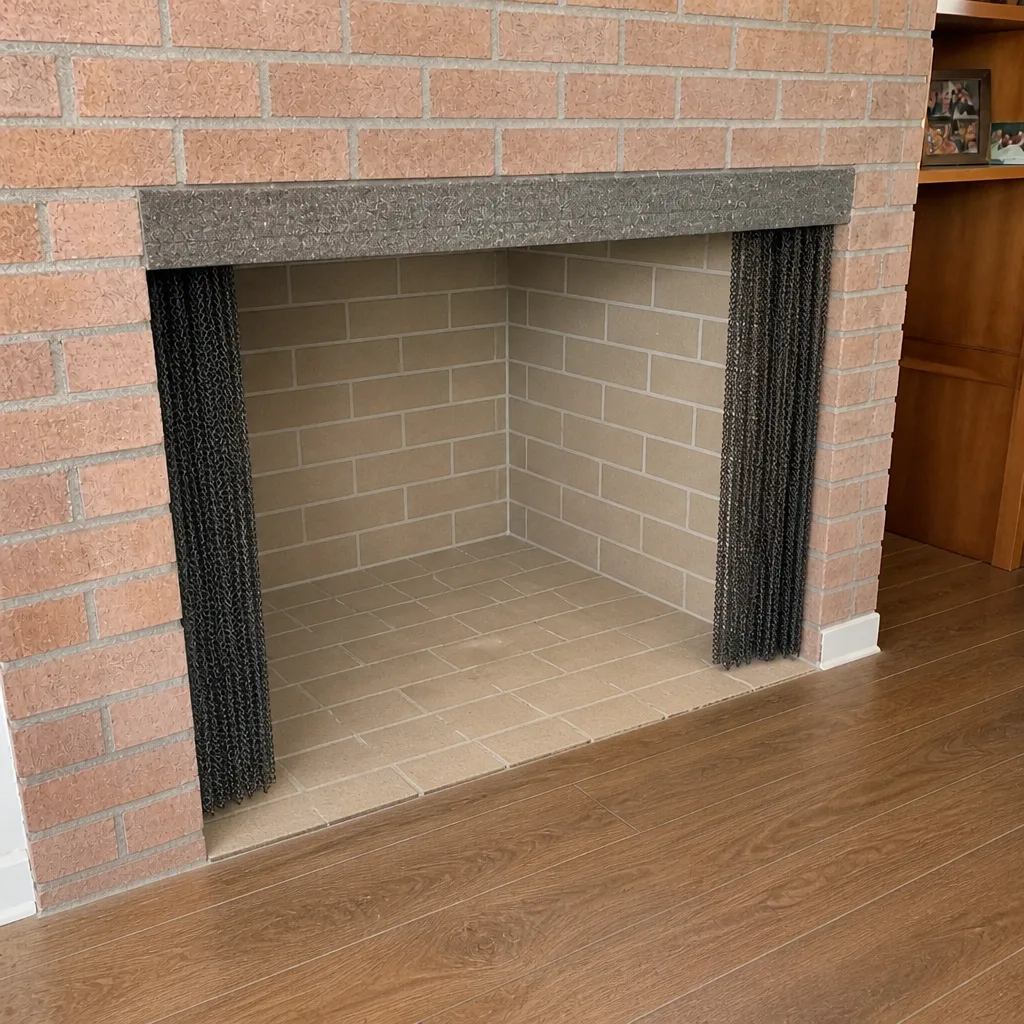 After
Common Mistakes to Avoid
- Booking the sweep in spring instead of October. It leaves the flue sitting through the rainy season with winter’s residue and any small cap damage. In Hialeah’s humidity, that’s the worst window.
- Skipping the annual inspection because the fireplace “wasn’t used much.” A gas insert you lit a handful of times still needs the annual service, and an idle flue still takes on moisture damage. Use isn’t the only variable.
- Ignoring a cracked crown until it leaks. A hairline crack in May is a wet masonry problem by August. Seal it before the rains, not after.
- Burning unseasoned or wet wood. It produces more creosote and more smoke, which accelerates deposits in a short, intense burn season.
- Treating a cheap sweep as the same job as a proper one. A cosmetic pass that misses the liner, cap and crown isn’t maintenance. The inspection is what protects the system; the sweep only removes what the inspection finds.
- Never cleaning the dryer vent. It’s the other fire-hazard system in the home, and it’s easy to forget because it isn’t part of the fireplace routine. Pair it with a chimney visit.
- Not keeping records. No history means a buyer or an adjuster has to take your word for it. A dated log does the talking for you.
When to Call a Professional
Some jobs are annual inspections and some are calls you make right away. Call us if you see or smell anything unusual around the fireplace: smoke spilling into the room when a fire is lit, a strong creosote smell even when the fireplace is cold, water stains on the ceiling or near the chimney, or visible cracks in the firebox or flue. Call if a gas log set or insert won’t stay lit or the flame looks wrong. Call if the damper sticks or won’t close. And call to book your October inspection before the season – that’s the appointment that keeps everything else on track.
Chimney Sweep Hialeah offers free estimates in Hialeah, and our technicians have up to 12 years of experience with the professional-grade brands that hold up to this climate. Call (855) 918-2061 to schedule. For a full look at our core services, start with the Chimney Sweep Hialeah page, and if dryer vent work is on your list, dryer vent cleaning can be handled on the same visit.
Frequently Asked Questions
Inspect once a year and sweep whenever the inspection shows enough buildup to warrant it, which for a wood-burning fireplace used through the December-to-February season is often once a year. A gas insert or log set is serviced annually regardless of how often it’s used. Call (855) 918-2061 for an exact quote – estimates are free.
October puts a clean, inspected flue in place right before your first fire and leaves it protected rather than exposed through the rainy season. A spring sweep leaves winter’s residue and any small cap damage sitting through the humid months, when moisture does the most damage. Booking in October also means you’re not competing for an appointment during the first cold snap.
Yes. A gas insert or log set needs an annual service even with light use, because the concern isn’t creosote buildup but the burner, log position, pilot and venting – and a poorly positioned gas log set can produce carbon monoxide, which is odorless. The annual check is inexpensive compared to missing a venting problem.
Cap inspection, crown sealing and a damper check do most of the work, and keeping the damper closed through the off-season cuts the humidity load on its own. The key is timing: handle the cap and crown before the June rains start, not after. These are quick jobs when they’re scheduled, and expensive ones when they’re skipped.
Sometimes. If the liner is structurally sound but worn, resurfacing with HeatShield can rehabilitate it and extend its life without a full replacement. If the liner is cracked, spalled or compromised, replacement with a system like DuraFlex is the correct call. The inspection tells you which you’re dealing with, and we can walk you through what we find.
A dated record of inspections and repairs supports homeowner’s insurance documentation and answers buyer questions at resale, when an inspector will look at the chimney. Keep the date of each visit, what was found and what was done – it’s a small habit that pays off when records matter. Call (855) 918-2061 to book the inspection that starts your log.
The Bottom Line
A northern maintenance calendar doesn’t fit a Hialeah home, and following it blindly leaves your flue exposed through the season that does the most damage. The right schedule is simple: inspect in October, sweep when the inspection says so, check the cap and crown before the rainy season, exercise the damper, and service any gas appliance annually no matter how little you use it. Add dryer vent cleaning to one of those visits, keep a dated record, and the whole system stays on track year after year. Our technicians have up to 12 years of experience with the trade-grade brands that hold up here. Call (855) 918-2061 for a free estimate. We answer 24/7. Fast dispatch from 7am to 7pm, Sunday through Friday.
If you’d like more detail on the community we serve, see our Hialeah page, and for routine cleaning, the chimney sweep service is where most homeowners start.
Written by the team at Chimney Sweep Hialeah.