
Last updated November 14, 2026
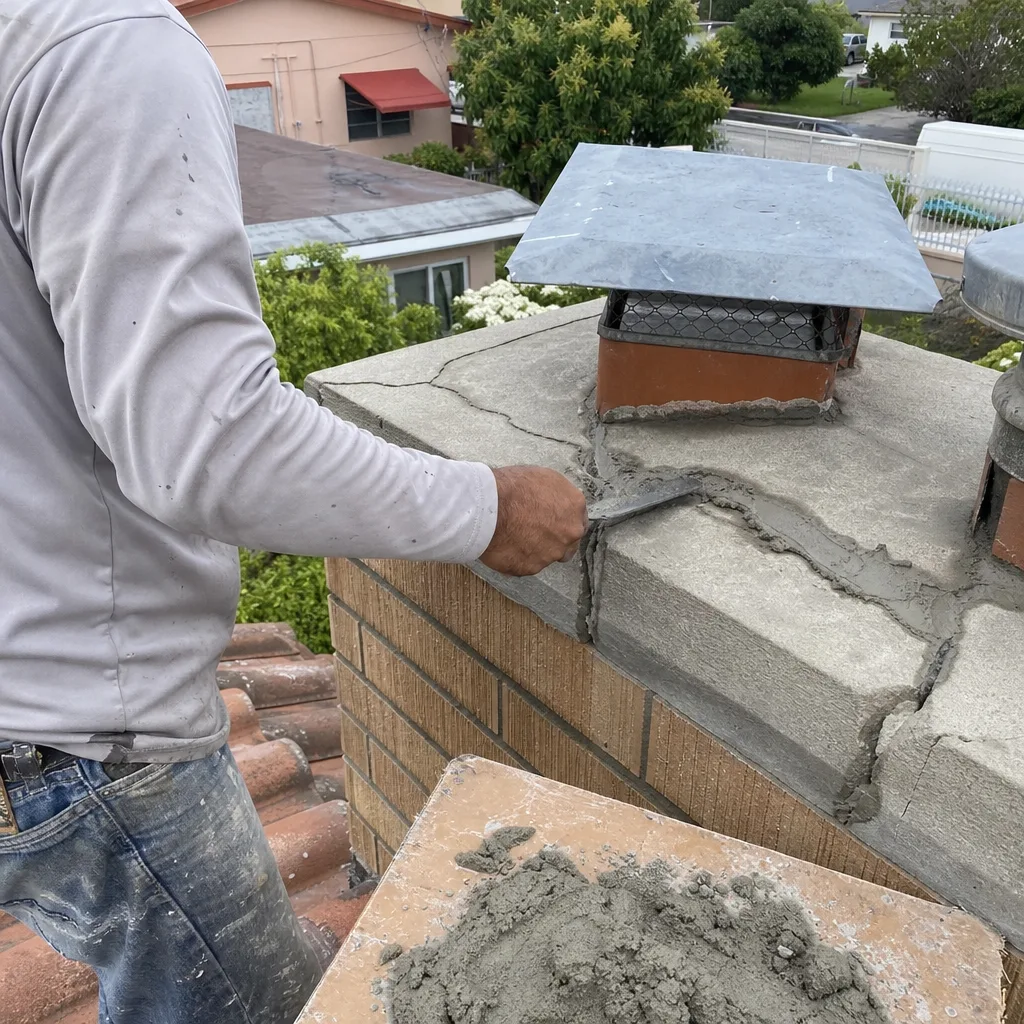
 Sweep & inspection
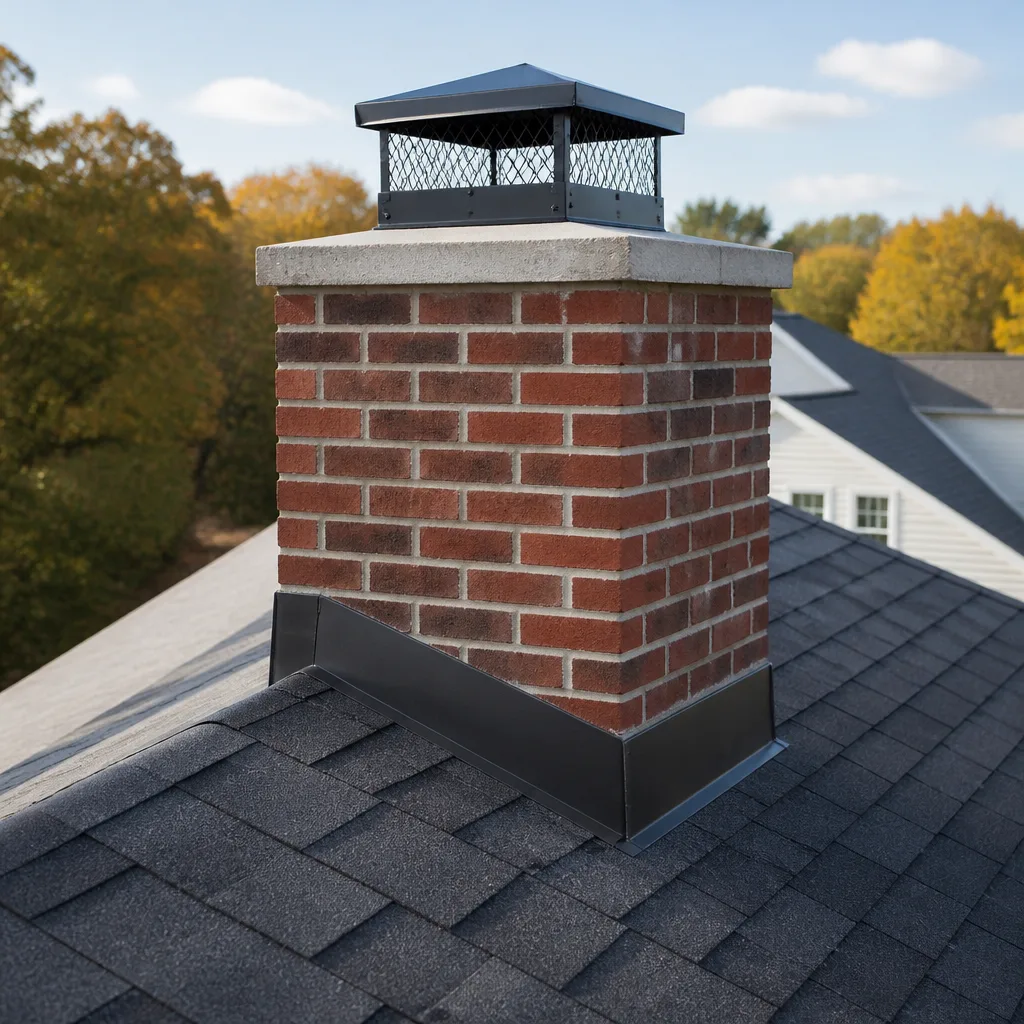
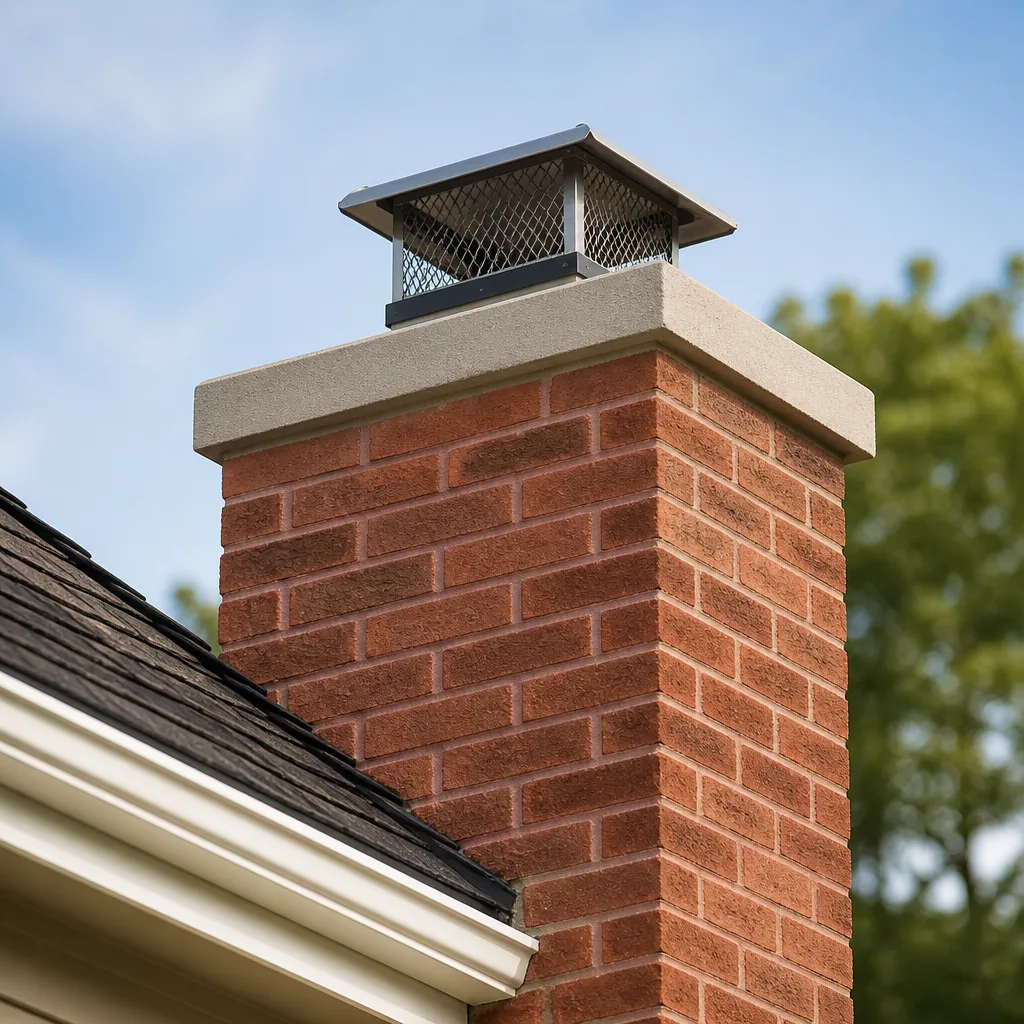 Caps & crowns
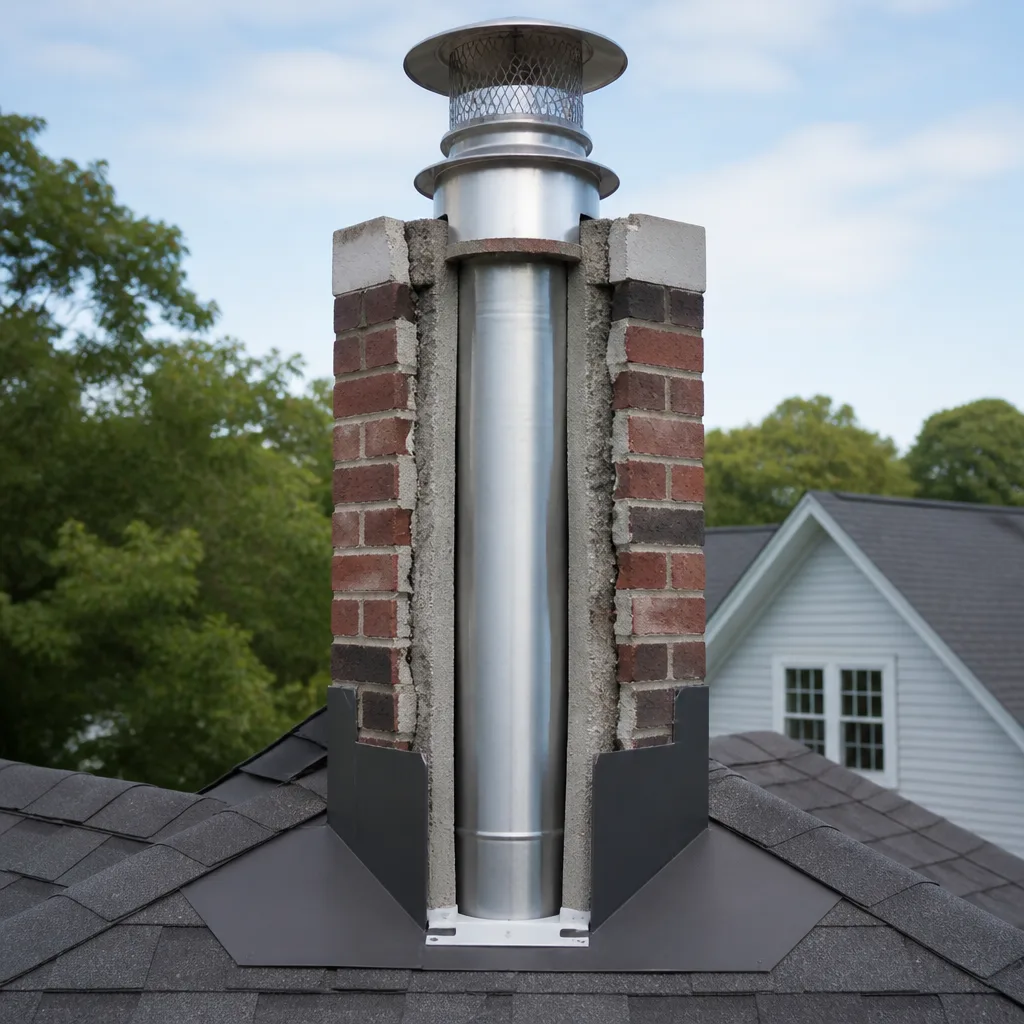 Flue relining
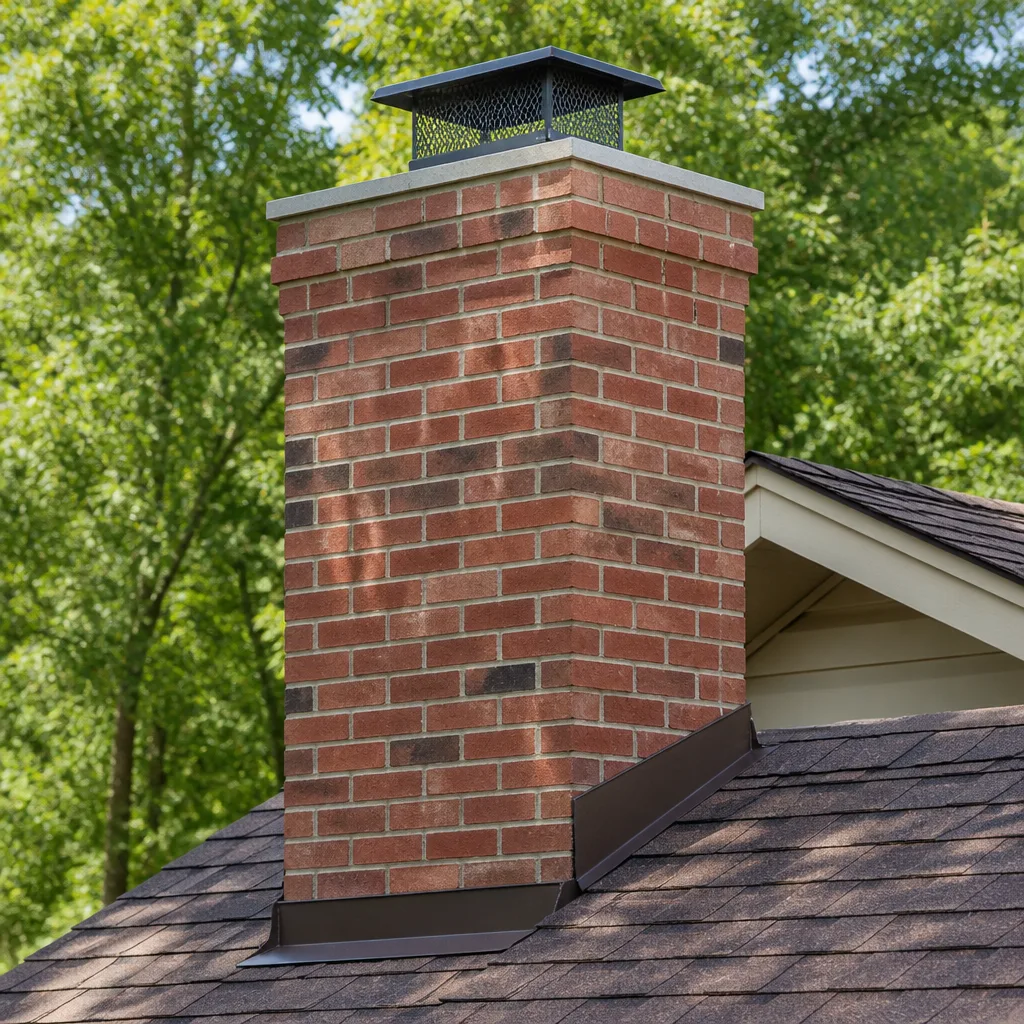 Masonry repair
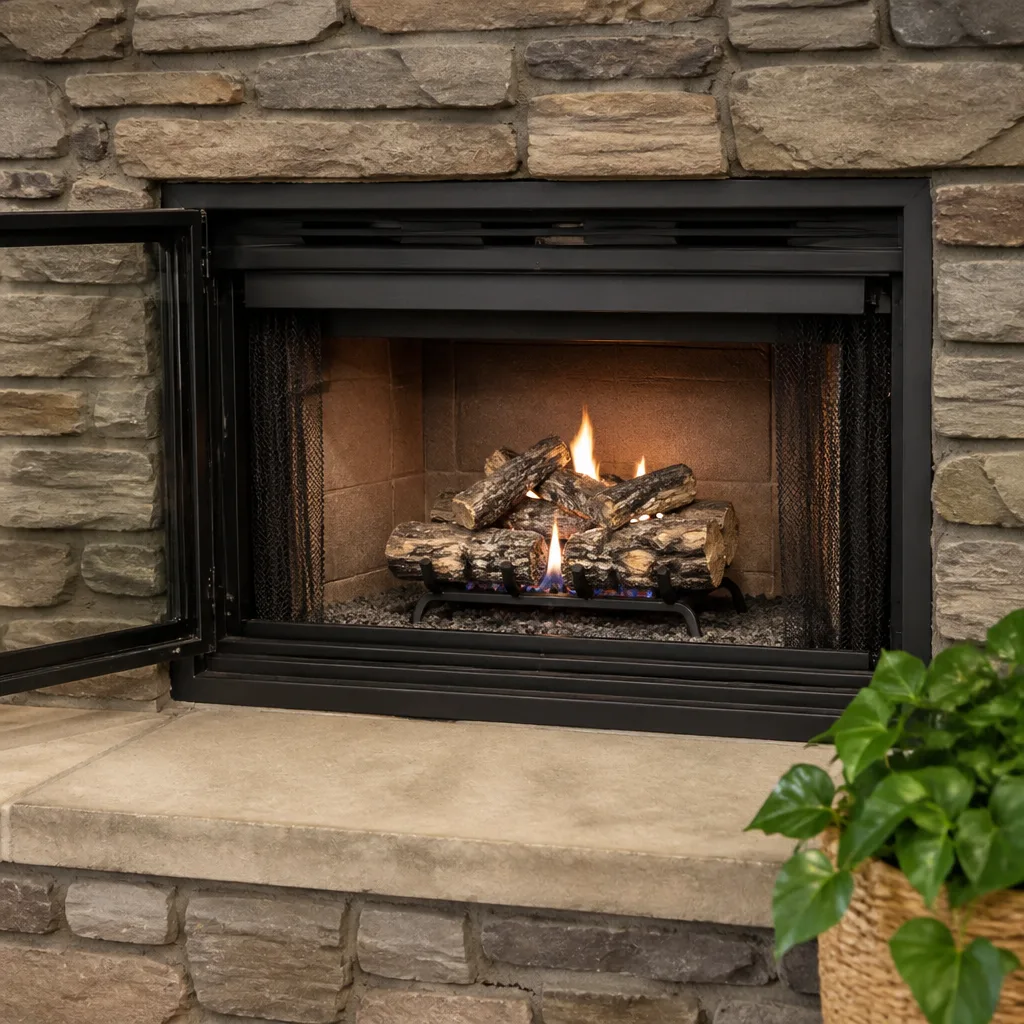 Gas fireplace service
Level 1 sweep and inspection to the NFPA 211 annual standard - flue, crown, cap, and flashing checked and photographed
Chimney sweep logs do not sweep chimneys. They loosen some creosote - which then falls where a brush and vacuum still have to collect it.
The Complete Guide to Chimney Cleaning in Hialeah
Most chimney cleaning guides are written for cold-climate homes that burn wood three months a year and shovel snow off the roof to get to the cap. Hialeah homeowners aren’t dealing with that. Here, a fireplace is often decorative, the fuel is usually gas, and the system may sit untouched for long stretches between uses. That changes everything about what accumulates inside the flue, what corrodes, and what a real cleaning should actually check. This guide maps the specific maintenance realities of a Hialeah chimney: humidity-driven corrosion, the gas-versus-wood distinction, why an idle chimney still fills with debris, what each level of inspection covers, and how to tell professional trade equipment from consumer-grade substitutes.
Quick Answer
Chimney cleaning in Hialeah means more than brushing out soot. Because most local systems burn gas or see infrequent use, the real work is checking for moisture-driven liner corrosion, animal nests and debris, and venting problems that don’t show up in cold-climate guides. A proper cleaning pairs sweeping with a camera inspection, and you should see the evidence before anyone recommends a repair.
Styles & brands we work with
- Sweep & inspection
- Caps & crowns
- Flue relining
- Masonry repair
- Gas fireplace service
Table of Contents
- Why Chimney Care in Hialeah Is Different
- Gas Versus Wood: Two Different Cleaning Jobs
- Why an Unused Chimney Still Needs Cleaning
- Level 1, Level 2, and Level 3 Inspections Explained
- What a Proper Cleaning in Hialeah Actually Involves
- How Often Should a Hialeah Chimney Be Swept?
- How to Verify Professional-Grade Equipment
- What Chimney Cleaning Costs in Hialeah
Why Chimney Care in Hialeah Is Different
Hialeah’s warm, humid climate does things to a chimney that a cold-climate guide never addresses. In a place that burns wood hard all winter, soot and creosote are the main concern. Here, the bigger threat is moisture. Warm, humid air moves through a flue that spends most of the year at or near outdoor temperature, and that moisture settles on the liner walls, on the damper, and around the firebox. Over time, that constant dampness attacks the masonry and the metal components in ways a dry northern flue rarely experiences.
What that means in practice:
- Liner corrosion. Water is the enemy of any flue liner, whether it’s clay tile or a steel system. In Hialeah’s humidity, a liner that goes unchecked for years can develop spalling tile, rusted seams, or pitting that compromises the vent. A cleaning that only brushes soot and never looks at the liner surface misses the actual problem.
- Efflorescence and staining. White chalky deposits on the firebox or exterior masonry are a sign moisture is moving through the chimney. That’s a signal to look deeper, not to paint over it.
- Damper and cap wear. Humidity and occasional hard rain work on the damper assembly and the chimney cap. A rusted, stuck damper changes how the fireplace drafts and holds moisture in.
- Masonry joints. Mortar joints that would last decades in a dry climate can soften faster when they never fully dry out. That’s why a Hialeah cleaning should include a look at the joints, not just the flue interior.
None of this is meant to alarm. It’s simply the reality of maintaining a chimney in South Florida, and it’s exactly why a cleaning visit here is a chance to catch moisture damage early, while it’s still a repair rather than a rebuild. For a focused look at the sweeping side of the work in this city, see our chimney sweep page.
Gas Versus Wood: Two Different Cleaning Jobs
Most Hialeah homes we hear from run gas logs, gas fireplaces, or decorative units rather than a wood-burning hearth. That’s a fundamentally different cleaning job, and treating a gas system like a wood system is one of the most common errors in this market.
A wood-burning chimney produces soot and creosote, the sticky, flammable residue that builds on the flue walls and is the reason wood chimneys need regular sweeping. A gas-burning fireplace doesn’t make creosote the way wood does. What it can produce is a lighter, powdery deposit along with moisture, and the venting demands are different too. Gas appliances need a properly sized and correctly terminated vent so exhaust gases, including carbon monoxide, leave the home safely. A gas flue that’s the wrong size, blocked, or improperly terminated is a venting problem, not a soot problem.
Here’s how the two differ in what a cleaning should address:
- Wood systems: creosote and soot removal, checking for glazed creosote that needs more than brushing, and confirming the flue is clear of blockages.
- Gas systems: checking the vent for blockages and nests, confirming the termination is correct and unobstructed, looking for moisture and corrosion, and verifying the appliance vents properly. Carbon monoxide is the real safety concern with gas, and a clear, correctly terminated vent is what keeps it moving out of the house.
If you’re not certain what you have, that’s fine. Part of the job is identifying the system and telling you plainly what it needs. If a gas system turns out to have a compromised liner, that’s where professional materials matter, and it’s where HeatShield flue resurfacing can rehabilitate an existing flue rather than forcing a full liner replacement.
Why an Unused Chimney Still Needs Cleaning
A chimney that rarely sees a fire still accumulates problems, and in Hialeah’s climate those problems can be worse than in a chimney that’s constantly in use. The reason is simple: an idle flue is an open, sheltered cavity with a warm, dry interior and a screen or cap on top that doesn’t always seal perfectly. That’s an attractive home for wildlife and a natural collection point for debris.
What builds up in an infrequently used Hialeah chimney:
- Bird and animal nests. Birds, squirrels, and other animals find a flue inviting. A nest is combustible, blocks the vent, and can bring in pests and droppings.
- Leaves and windblown debris. Hialeah’s storms push leaves and light debris across roofs, and some of it finds its way into an open or poorly capped flue.
- Moisture intrusion. An uncapped or poorly capped chimney takes in rain throughout the rainy season. That standing moisture is what drives the corrosion and masonry damage described earlier.
- Pest activity. Beyond nests, insects and other pests move into an idle chimney, and their activity and waste add to the debris load.
The takeaway: “we hardly ever use it” is not a reason to skip cleaning. It may be the reason to check more carefully. When we open up a Hialeah chimney that’s sat idle, we’re looking at the whole picture, nests, debris, moisture, and liner condition, not just how much soot is on the walls.
Level 1, Level 2, and Level 3 Inspections Explained
Not every chimney visit calls for the same depth of inspection. The industry standard recognizes three levels, and knowing which applies to your Hialeah home helps you understand what you’re paying for and what you should expect. Here’s what each involves and when it applies.
- Level 1 inspection. This is the basic, readily accessible check that comes with routine cleaning. It covers the firebox, damper, flue interior as far as can be seen, and the accessible portions of the vent. It applies when the system is in continued use with no changes, no known problems, and no reason to suspect a hidden issue. For a Hialeah gas fireplace that’s used lightly and has no symptoms, a Level 1 inspection paired with cleaning is often the starting point.
- Level 2 inspection. This is more thorough and is required whenever there’s a change in the system or a reason for concern: a new appliance, a change of fuel type, a property sale, an event like a chimney fire or a storm, or any sign of a problem. It includes a camera inspection of the flue interior, which is how you actually see the liner condition, blockages, and corrosion that a visual look from below can’t reveal. In our experience, this is where Hialeah homeowners get real answers, because the camera shows the humidity damage and hidden blockages that an idle, gas-burning flue can hide.
- Level 3 inspection. This is the most involved and is warranted only when a serious problem is suspected and the areas in question can’t be reached otherwise. It may involve removing parts of the chimney or adjacent structure to access concealed areas. It’s reserved for specific situations, not routine maintenance.
For most Hialeah homes, the practical question is whether a cleaning visit should include a camera inspection (Level 2). If the system has changed, if the property recently changed hands, if there’s been a storm, or if you don’t know the history, a camera look is worth asking about. It’s also what lets us show you actual evidence before recommending any repair, which is the whole point of doing it right.
What a Proper Cleaning in Hialeah Actually Involves
A proper chimney cleaning in Hialeah is a sequence, not a quick brush-off. The exact steps depend on the system, but here’s the general shape of a job done to professional trade standards.
- Protect the home. Drop cloths and containment go down before any work begins, so soot and dust stay where they’re supposed to.
- Inspect first. The technician checks the firebox, damper, and accessible flue. If a Level 2 inspection is called for, a camera goes in so the liner and any blockages can actually be seen.
- Clear the flue. Using proper brushes and rods sized to the flue, the technician removes soot, debris, and any nests. For a wood system, that means creosote removal; for a gas system, it means clearing blockages and checking the vent path.
- Address moisture and corrosion findings. If the camera or visual inspection turns up liner corrosion, spalling, or failing joints, that gets documented and explained, with photo evidence you can look at.
- Check the cap and termination. A cap that’s missing, damaged, or loose lets in rain and wildlife. The termination is checked to confirm it vents correctly.
- Confirm draft and clean up. The system is tested to confirm it drafts properly, and the work area is left clean.
Two things separate a professional cleaning from a consumer-grade one: the inspection that drives it, and the materials ready to fix what’s found. If the liner needs help, we work with professional-grade products like Gelco and HeatShield so a repair is done with trade materials, not hardware-store substitutes. For the broader chimney services picture, including repair, visit our Chimney Sweep Hialeah page.
How Often Should a Hialeah Chimney Be Swept?
For a Hialeah home, the honest answer depends more on use and system type than on a fixed calendar. A wood-burning chimney that sees regular fires should be swept and inspected on a routine schedule, generally once a year when in active use, and more often if you burn frequently. A lightly used gas fireplace follows a different rhythm: annual inspection matters, but the cleaning emphasis shifts toward venting, blockages, and moisture rather than creosote.
Setting the schedule for your home:
- Annual inspection for any chimney, whether it burns wood, runs on gas, or sits mostly idle. It’s the yearly check that catches moisture damage and blockages early.
- Sweep based on what the inspection finds. A flue with meaningful buildup or a blockage gets cleaned; a clean gas flue with no issues doesn’t need to be swept just to hit a number.
- Sooner if something changes. After a storm, a change in appliance, a property sale, or any sign of a problem, book an inspection rather than waiting for the annual visit.
- Watch for the symptoms. A smoky smell, a draft that’s weaker than usual, staining on the firebox, or signs of animals are all reasons to call before the next scheduled check.
Because infrequent-use and gas-burning systems hide problems, an annual inspection does more work in a Hialeah home than the yearly sweep does in a cold-climate one. It’s the moment to confirm the vent is clear and the liner is sound.
How to Verify Professional-Grade Equipment
One quiet way homeowners get shortchanged is with consumer-grade tools doing a professional trade’s work. Brushes that are too soft or the wrong size don’t clear the flue; improvised venting parts don’t meet the standards that protect the appliance and the home. You don’t need to inspect the tools yourself, but you can ask the right questions.
- Ask what brands they use for repairs. Professionals name trade brands. We specify Olympia Chimney, Gelco, HeatShield, DuraFlex, Famco, and Copperfield because these are the recognized names across the professional chimney and venting supply industry.
- Ask whether they do camera inspections. A camera is the difference between guessing and seeing. If your liner condition matters, the technician should be able to show you the footage.
- Ask about resurfacing, not just replacing. If a flue has issues, the options range from a full liner to resurfacing. HeatShield resurfacing can rehabilitate and extend the life of an existing flue, and a professional should be able to tell you when it applies. A sweep who can only clean or replace is missing that middle option.
- Ask how venting components are sourced. For dryer work in particular, proper vent-hood and termination knowledge matters, and Famco products are the kind of trade-grade components that signal the job is done right rather than improvised.
A specialist who handles the same professional-grade brands used by certified chimney contractors nationwide is a different kind of call than a generalist who added chimney work as an afterthought. That focus is the point.
What Chimney Cleaning Costs in Hialeah
Pricing in Hialeah follows the shape of the local housing and the type of system more than it follows a national average. Most local homes run gas or decorative fireplaces, so a cleaning is often shorter than a heavy wood-burning job, but a proper visit still pairs sweeping with inspection. The estimate is free, and the written estimate sets the final price.
- Standard cleaning with a Level 1 inspection: typical for a lightly used gas or decorative system with no known issues.
- Cleaning with a Level 2 camera inspection: appropriate when the system has changed, the history is unknown, or there’s a reason to look deeper. This is the more common choice in Hialeah because it catches moisture and venting problems a visual check can’t.
- Repair or resurfacing: priced separately, based on what the camera finds. HeatShield resurfacing and liner work are quoted per job.
- Dryer vent cleaning: a separate service that pairs well with a chimney visit, clearing two fire-hazard systems in one call.
We don’t quote hard numbers sight-unseen, because the honest cost depends on what’s actually in the flue. What we do promise is that nothing gets recommended without camera evidence you can see, and we’ll tell you plainly when something can safely wait. Call (855) 918-2061 for an exact quote, estimates are free. We answer 24/7, and fast dispatch runs from 7am to 7pm, Sunday through Friday.
Common Mistakes to Avoid
- Treating a gas fireplace like a wood stove. Assuming a gas system can’t have problems because there’s no creosote is a common error. Gas still needs a clear, correctly terminated vent, and carbon monoxide is the reason to take it seriously.
- Skipping the yearly check because the chimney is “hardly used.” Idle Hialeah chimneys collect nests, debris, and moisture. The less it’s used, the more reason to look inside once a year.
- Accepting a repair recommendation with no evidence. If a technician tells you the liner is failing, ask to see the camera footage. A recommendation you can’t verify is one you shouldn’t have to trust blindly.
- Letting a missing or damaged cap go. An open flue invites rain and wildlife year-round in South Florida’s climate. The cap is cheap to sort out and expensive to ignore.
- Hiring a sweep who can only clean or replace. If the only options offered are brush it or tear it out, ask about HeatShield resurfacing. Rehabilitating a sound flue can be a better answer than a full liner.
- Ignoring the dryer vent. The dryer vent is a fire-hazard system too. Pairing dryer vent cleaning with a chimney visit addresses both in one call.
- Settling for hardware-store repair parts. Consumer-grade components don’t meet the venting standards that protect the appliance and the home. Trade-brand materials cost more for a reason.
See the difference
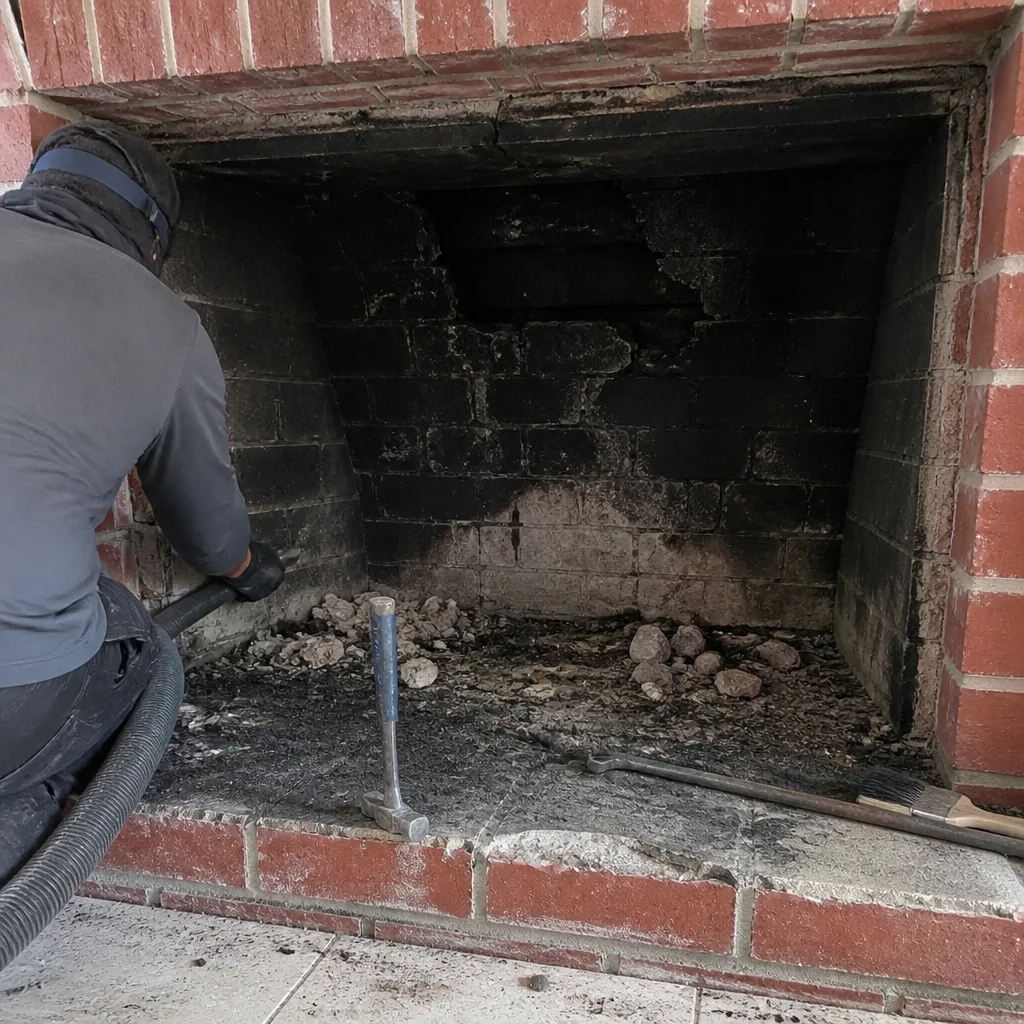 Before
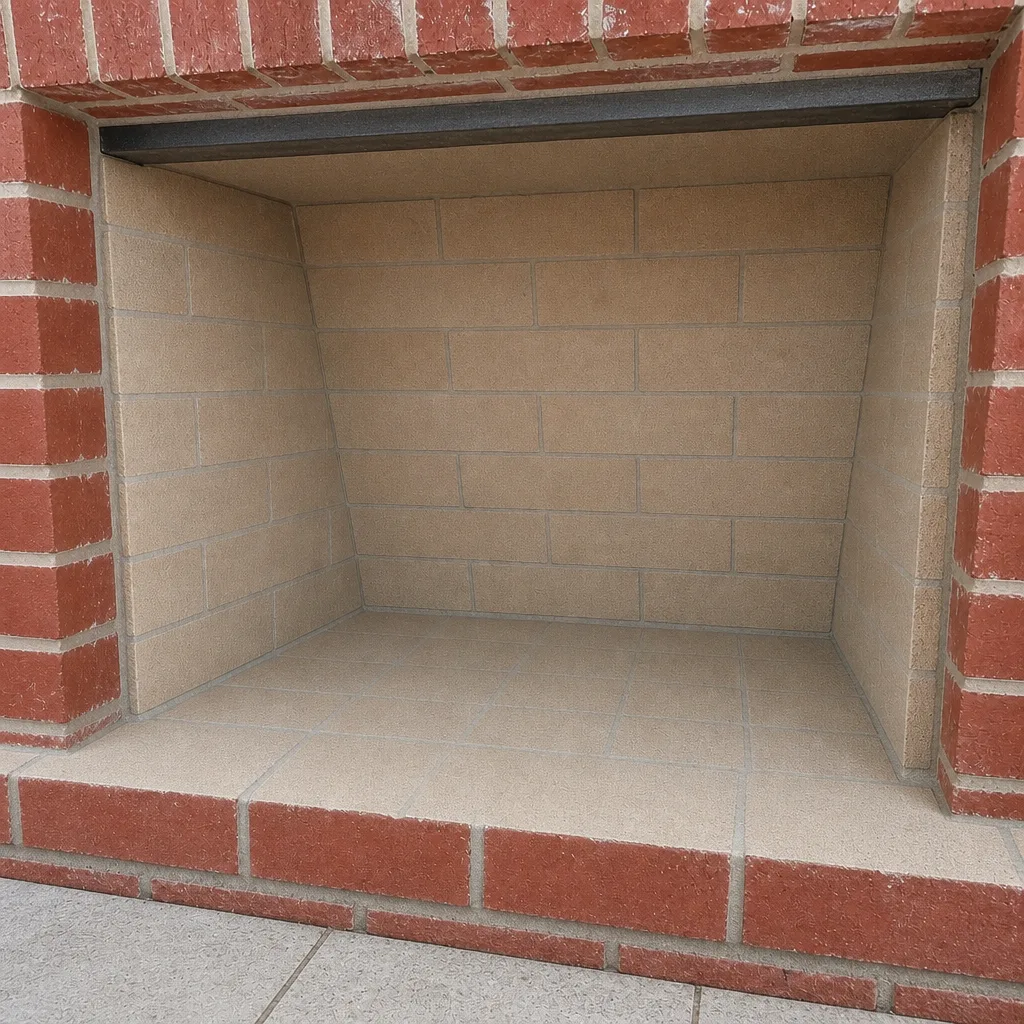 After
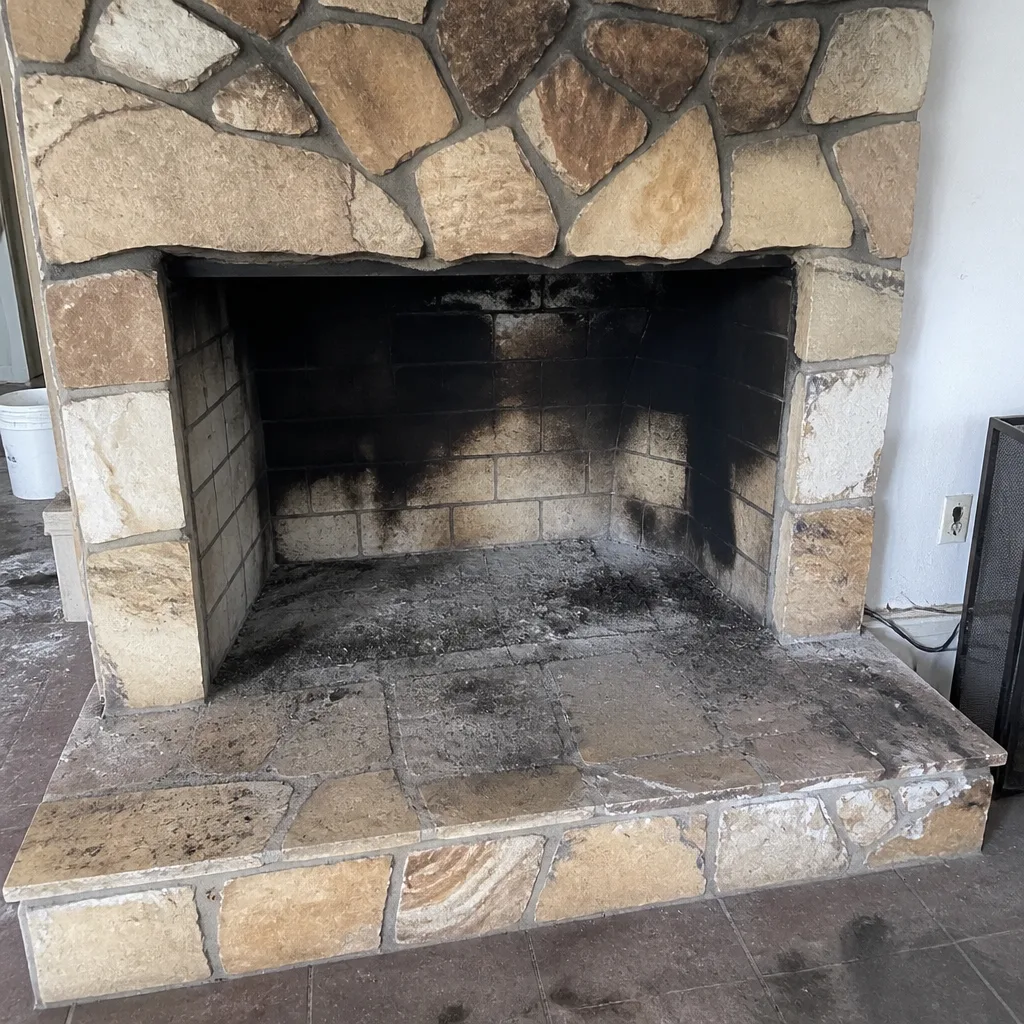 Before
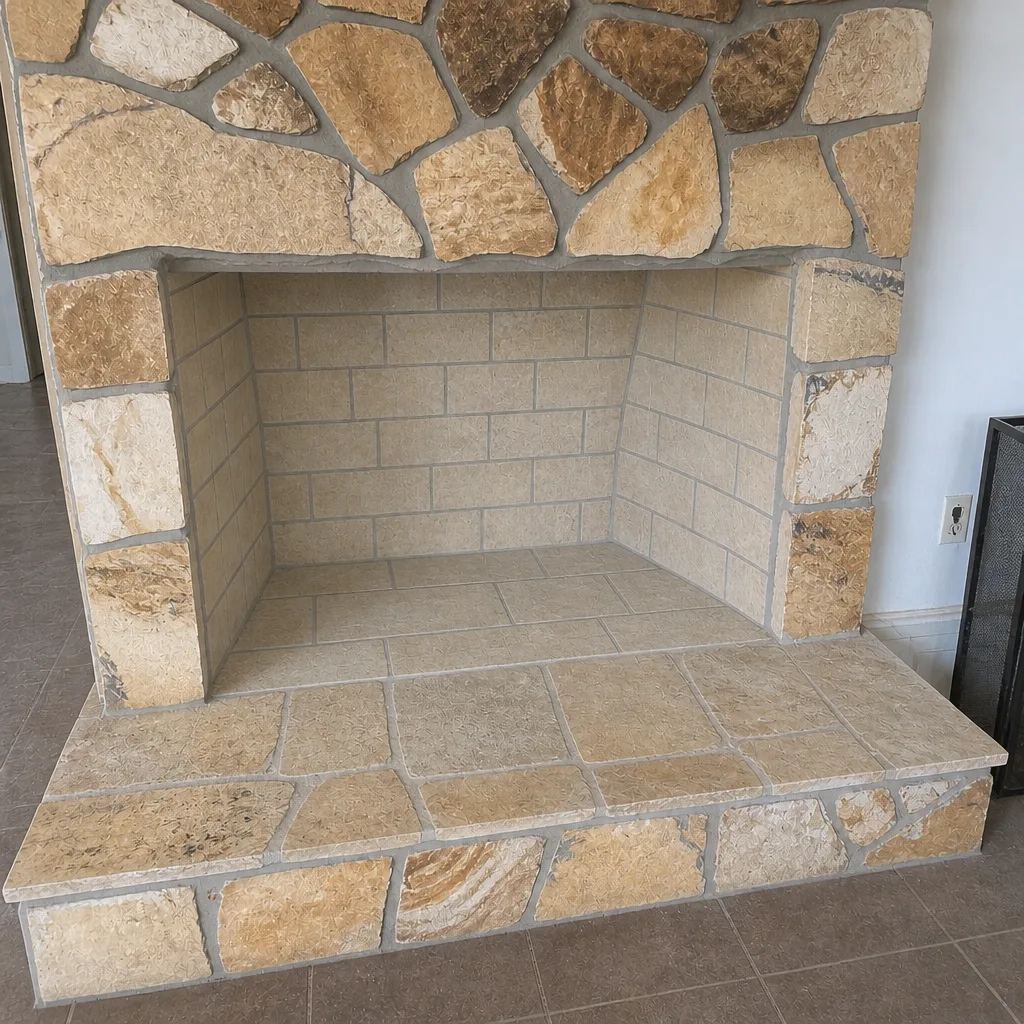 After
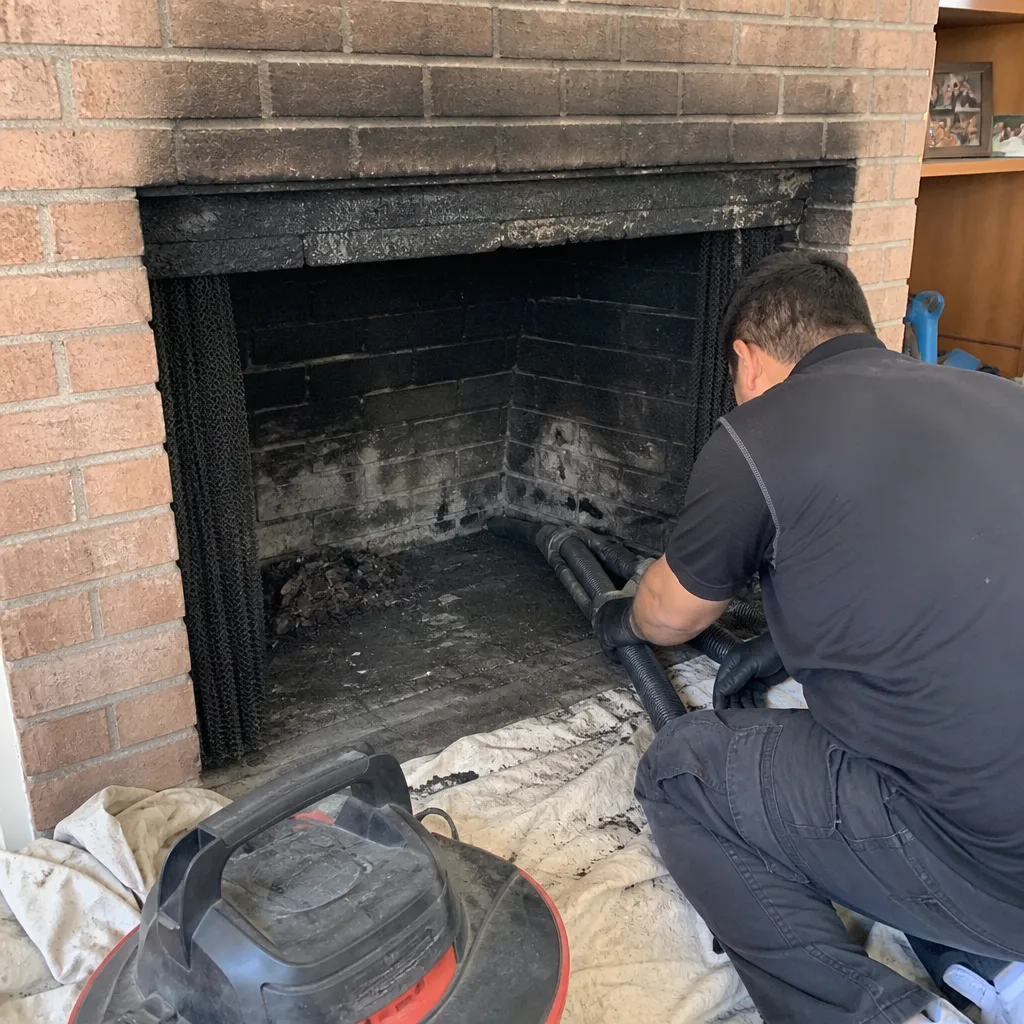 Before
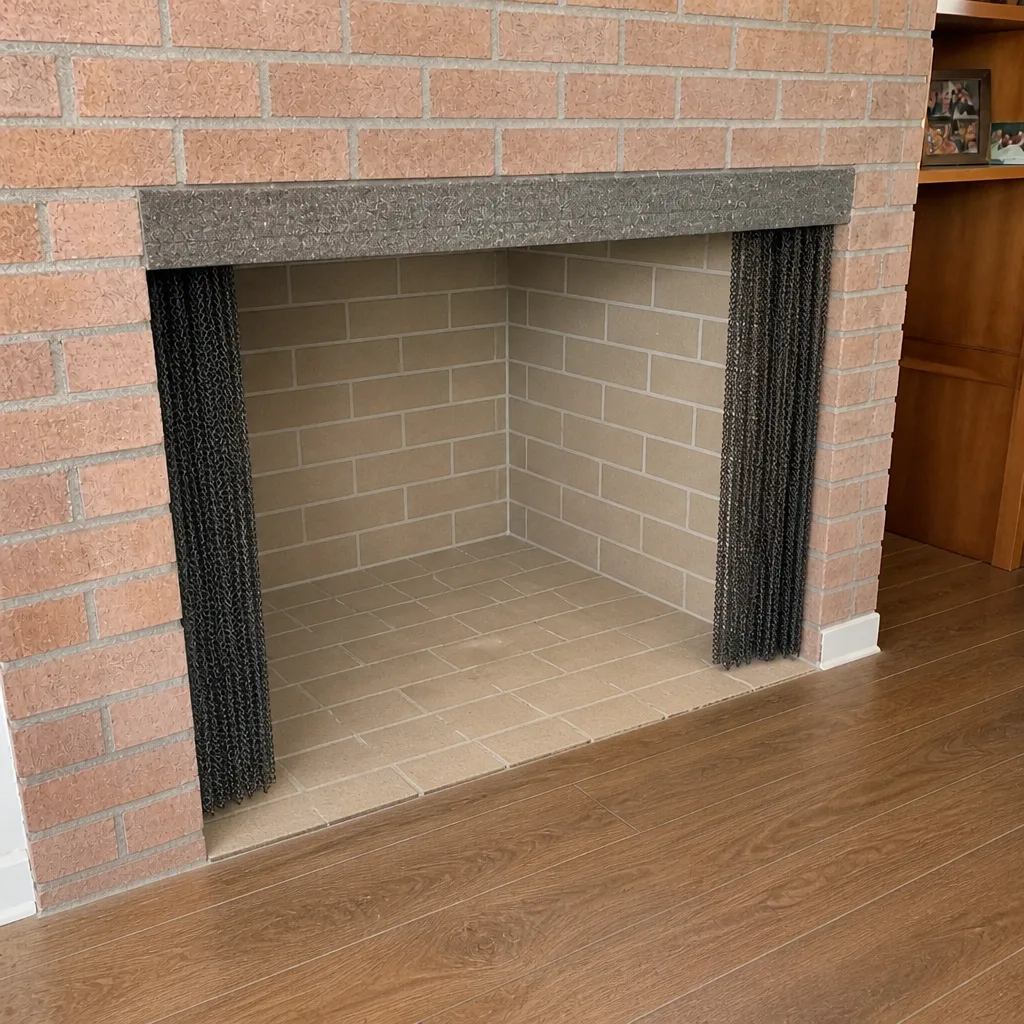 After
When to Call a Professional
Some jobs reward a careful homeowner, but chimney and venting work isn’t one of them. A flue liner, a gas vent, and a fireplace are systems where a mistake can mean carbon monoxide, a chimney fire, or moisture damage that spreads into the structure. Call a professional when you smell smoke in the house, when the fireplace drafts poorly, when you see staining or white deposits on the firebox, when you suspect animals or a blockage, after a storm, or when you simply don’t know the last time the chimney was inspected. Those are all signs to stop diagnosing and get eyes on the flue with a camera. Chimney Sweep Hialeah offers free estimates in Hialeah, call (855) 918-2061. We answer 24/7, with fast dispatch from 7am to 7pm, Sunday through Friday.
Frequently Asked Questions
The exact price depends on your system and what the inspection finds, but a cleaning visit pairs sweeping with a Level 1 or Level 2 inspection, and the estimate is free. Homes with lightly used gas systems often need less work than heavy wood-burning setups. The written estimate sets the final price, and nothing is recommended without camera evidence you can review. Call (855) 918-2061 for an exact quote, estimates are free.
A liner doesn’t always need full replacement. If the flue is sound but the surface is worn, HeatShield resurfacing can rehabilitate and extend its life, which is an option most general sweeps can’t offer. Whether it applies depends on what the camera shows. We’ll walk you through the footage and tell you the honest answer, including when a repair can safely wait. Call (855) 918-2061 to book an inspection.
An annual inspection is the reliable baseline, with sweeping done based on what that inspection finds. A regularly used wood-burning chimney may need cleaning more often, while a lightly used gas system often needs inspection more than sweeping. Because idle and gas systems hide moisture and blockages, the yearly check matters here. Call (855) 918-2061 to schedule yours.
Skipping it lets debris, nests, and moisture build up unchecked, and in Hialeah’s humid climate that can mean liner corrosion and venting problems before you notice a symptom. For a gas system, a blocked vent raises the risk of carbon monoxide; for wood, unaddressed creosote raises chimney fire risk. A yearly inspection catches these early. Call (855) 918-2061 for a free estimate.
An idle chimney is a sheltered cavity that collects nests, windblown debris, and moisture, sometimes faster than a chimney in regular use. In South Florida’s humidity, that trapped moisture drives corrosion and masonry damage. “We rarely use it” is a reason to inspect carefully, not to skip it. Call (855) 918-2061 to have your flue checked.
Ask what brands they use and whether they do camera inspections. Professionals name trade brands such as HeatShield, Gelco, Olympia Chimney, and Famco, and they can show you the flue interior on camera rather than guessing. That specificity is how you tell a specialist from a generalist. Call (855) 918-2061 with your questions, estimates are free.
The Bottom Line
Chimney cleaning in Hialeah is its own job. Humidity, gas systems, and infrequent use shape what builds up and what a proper visit should check, and generic cold-climate advice misses all of it. The essentials: inspect yearly even when the fireplace is rarely used, insist on a camera look so liner and venting problems are seen and not guessed at, and work with a specialist who uses professional-grade materials like HeatShield, Gelco, Olympia Chimney, and Famco and can resurface a flue rather than jump straight to replacement. Address the dryer vent in the same visit when you can. For a homeowner in Hialeah, that’s a chimney you can actually trust to vent safely.
Ready to have your chimney looked at properly? A visit to our Chimney Sweep Hialeah service page is a good place to start, and our team at Chimney Sweep Hialeah is glad to help. Call (855) 918-2061 for a free estimate. We answer 24/7, with fast dispatch from 7am to 7pm, Sunday through Friday.
Written by the team at Chimney Sweep Hialeah.