
Last updated November 14, 2026
 Sweep & inspection
 Caps & crowns
 Flue relining
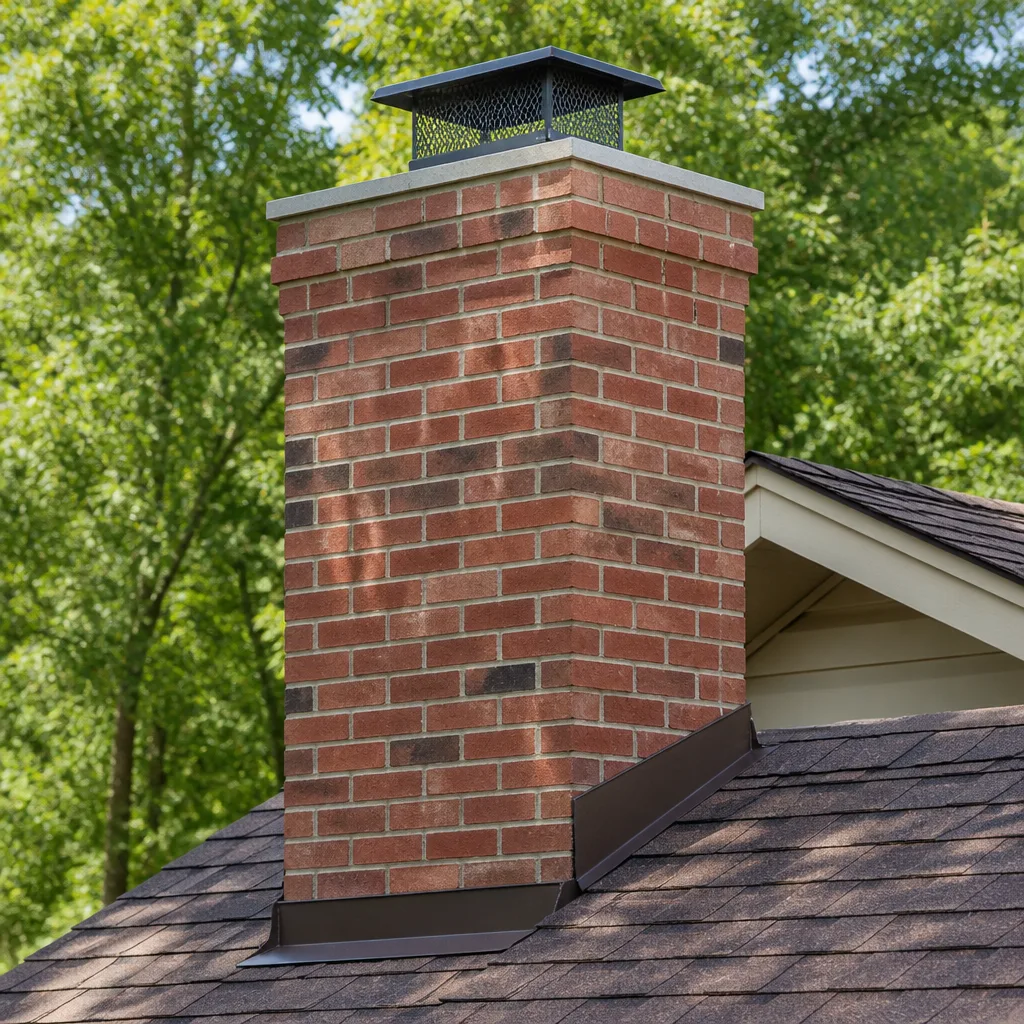 Masonry repair
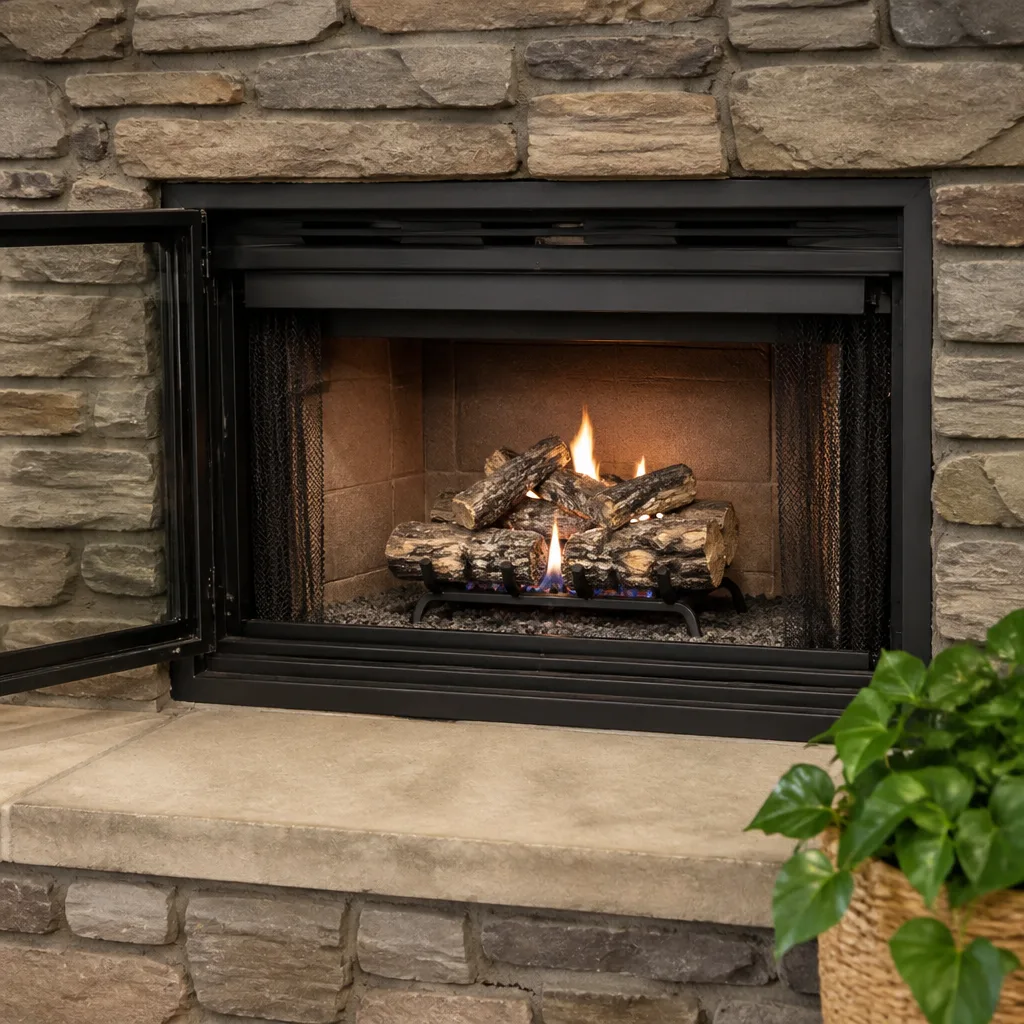 Gas fireplace service
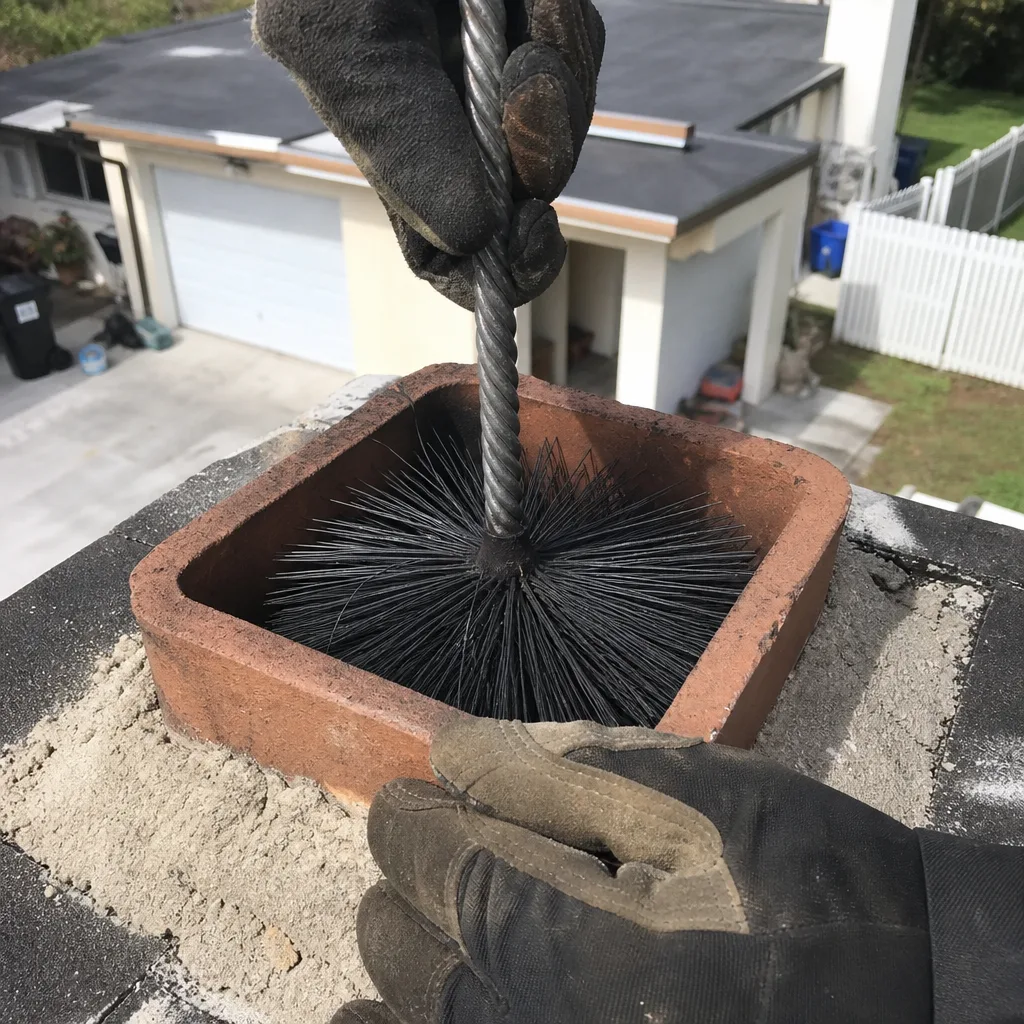
Level 1 sweep and inspection to the NFPA 211 annual standard - flue, crown, cap, and flashing checked and photographed
Chimney sweep logs do not sweep chimneys. They loosen some creosote - which then falls where a brush and vacuum still have to collect it.
Chimney Sweep Troubleshooting in Hialeah: Common Problems and How to Fix Them
A smoky firebox after a long Florida summer usually isn’t a draft problem at all. In our experience across Hialeah, it’s a moisture and debris problem: a flue that sat open through months of humid, subtropical air, collecting condensation, dust, and whatever the wind carried in. Those are two completely different fixes, and guessing wrong wastes money and leaves the real problem in place. This guide gives you a diagnostic framework, not just a symptom list. You’ll learn how to read your chimney’s behavior, map each symptom to its likely cause, document what you find, and know when the correct next step is a proper inspection rather than another DIY attempt.
Quick Answer
Chimney problems in Hialeah most often trace back to a short list of root causes: humidity-driven condensation and organic growth inside a dormant flue, physical blockages from debris or animal nests, a failed cap or crown, and venting issues on gas fireplaces that get misdiagnosed as appliance faults. Match the symptom you’re seeing to one of those four categories before you call anyone, and the diagnosis gets accurate on the first visit instead of the second.
Styles & brands we work with
- Sweep & inspection
- Caps & crowns
- Flue relining
- Masonry repair
- Gas fireplace service
Table of Contents
- Why Hialeah’s Humidity Creates Problems You Won’t See Up North
- Reading Smoke Behavior: Draft Reversal vs. Blockage vs. Cap Failure
- Gas Fireplace Venting Issues Misdiagnosed as Furnace Problems
- Signs a DIY Clean Won’t Solve It
- How to Document Your Symptoms Before You Call
- When a Level 2 Inspection Is the Right Next Step
- The Infrequent-Use Trap: What Months of Dormancy Do to a Flue
- What We See Across Hialeah Neighborhoods
Why Hialeah’s Humidity Creates Problems You Won’t See Up North
Most chimney troubleshooting advice is written for cold climates, where the enemy is creosote buildup from heavy winter burning and the freeze-thaw cycle cracking masonry. Hialeah doesn’t work that way. Our winters are mild, fireplaces burn far less, and the dominant force acting on a chimney here is humidity. A flue that sits unused for months is essentially an open column of warm, moist air, and that moisture does slow, quiet damage.
Here’s what actually happens. Warm humid air rises into the cooler flue and condenses on the interior surfaces. That film of moisture combines with dust, soot residue from last season, and airborne debris to form a damp, acidic coating. Over a South Florida summer, that coating is exactly the environment where mold and mildew take hold, especially on masonry flue walls that stay cool and damp. The result is a musty smell in the living space, a firebox that feels “off” when you finally light it, and sometimes visible staining at the damper or smoke chamber.
The problems that follow are distinct from cold-climate issues:
- Condensation staining at the damper and smoke chamber, often mistaken for a leak in the roof.
- Biological growth on masonry flue walls, which produces odor and can degrade mortar over time.
- Loose debris and dust settling into the smoke shelf during the off-season.
- Sticking dampers from rust and moisture, which then restrict draft.
- Animal intrusion through an uncapped flue, common when a chimney sits quiet for months.
None of these show up as dramatic failures. They show up as a fireplace that smokes a little, smells a little, or just doesn’t draw the way it used to. In our experience, that’s the pattern in Hialeah far more often than the classic heavy-creosote scenario people read about online. If you recognize the musty smell or the weak draw, a professional chimney sweep will confirm what’s actually inside the flue before anyone recommends repairs.
Reading Smoke Behavior: Draft Reversal vs. Blockage vs. Cap Failure
Smoke tells you which category of problem you have if you know what to watch. The three causes look similar from the couch but behave differently at the firebox, and you can narrow it down yourself before you pick up the phone.
Draft reversal is a pressure and temperature problem, not a physical one. It happens when the flue is cold and the indoor air is warmer, so the chimney “wants” to push air down instead of pulling it up. The tell: smoke rolls out into the room right after lighting, then gradually improves as the flue warms. On mild Hialeah days, when the temperature difference between inside and outside is small, this is common. A draft reversal is usually fixed with better lighting technique, a warmed flue, and an honest look at whether the fireplace and flue were ever sized correctly for each other.
A physical blockage behaves differently. Smoke backs up and stays backed up. It doesn’t improve as the fire builds, and you may see smoke coming from every seam of the firebox. Common culprits are animal nests, fallen debris, a collapsed flue tile, or an accumulation that never got cleared because the chimney sat dormant. A blockage needs removal, not technique.
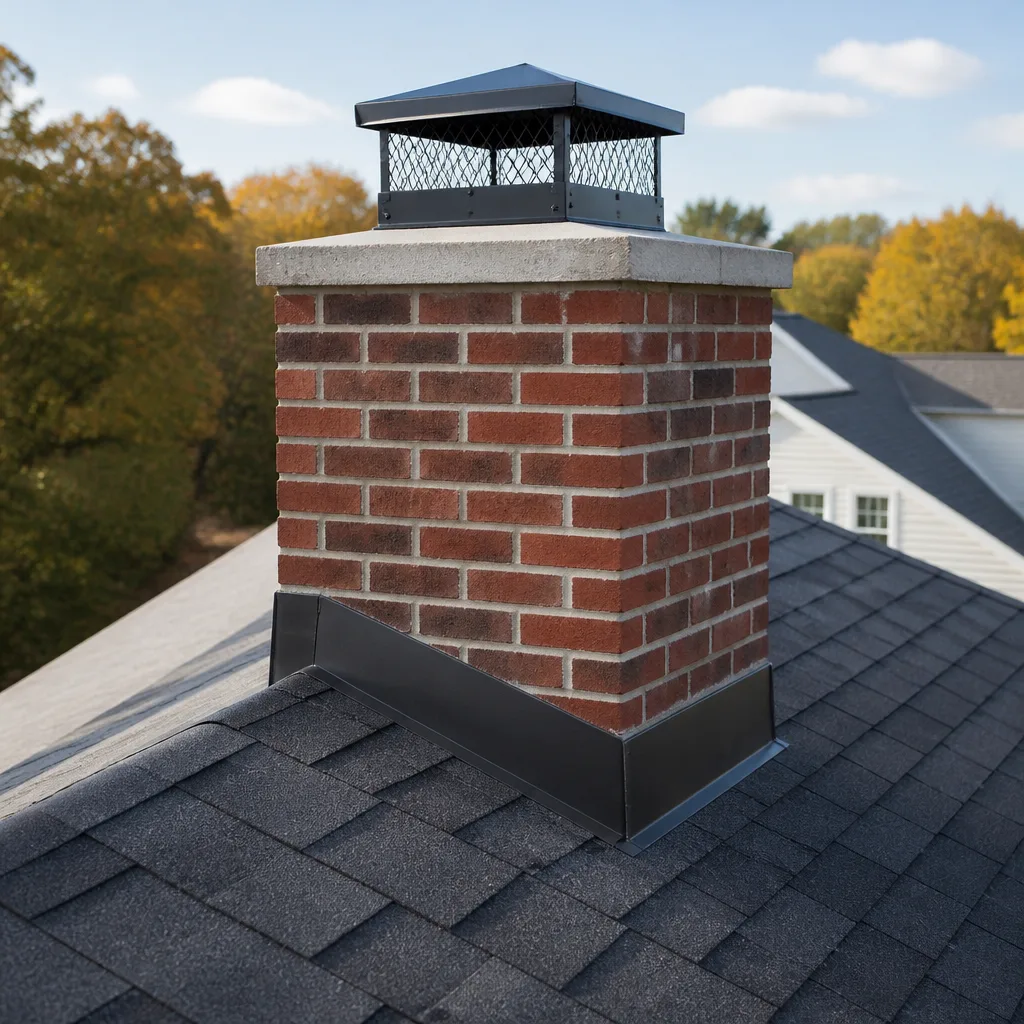
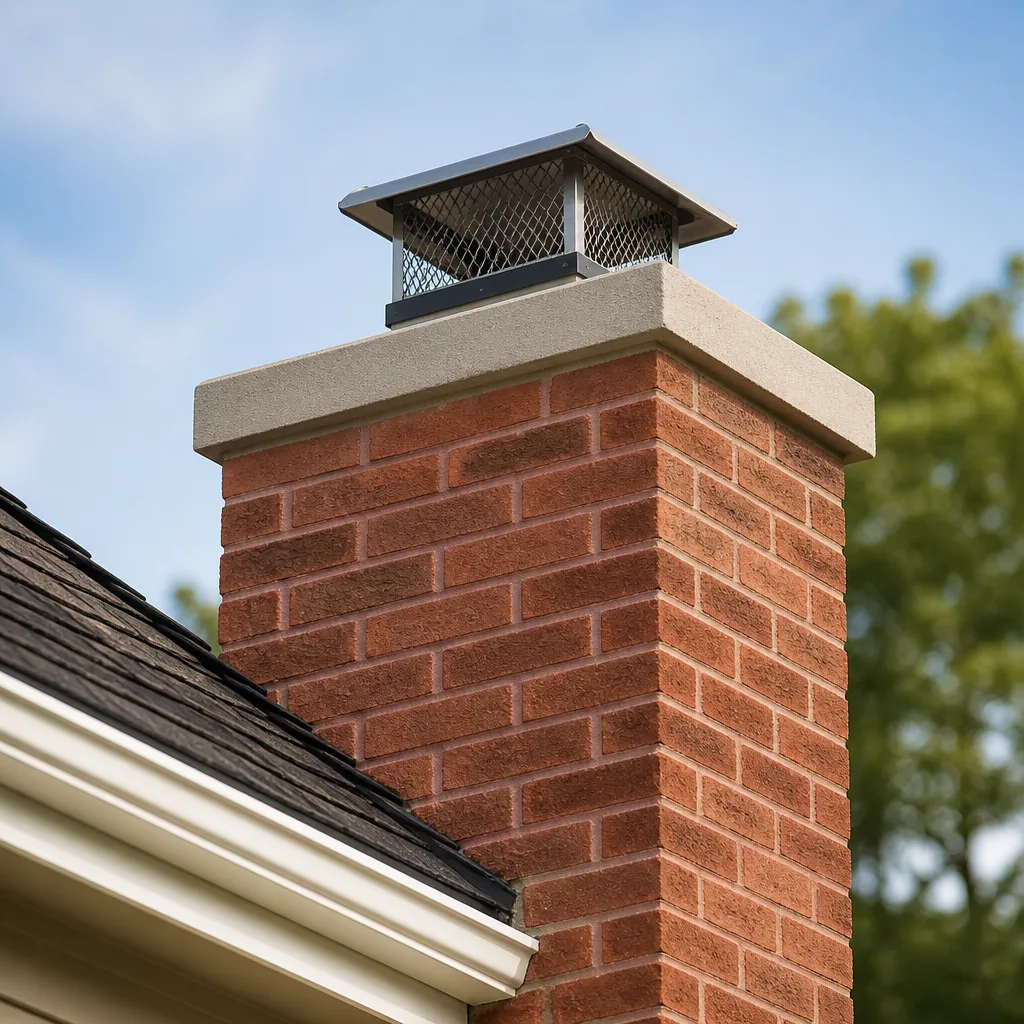
A cap or crown failure shows up as smoke and moisture problems together. The cap keeps rain, animals, and debris out; when it’s damaged or missing, you get water in the flue and a flue that never quite dries out. A cracked crown lets water into the masonry itself. Both of those produce the condensation cycle described above, and both require physical repair before a clean will do any lasting good.
- Watch the first two minutes after lighting. Smoke that clears as the fire builds points to draft reversal. Smoke that gets worse points to a blockage.
- Check for water signs. Staining at the damper, a damp firebox, or rust on the damper points to a cap or crown problem.
- Look up from outside. A missing or damaged cap is visible from the ground in most cases, and it’s often the simplest explanation.
- Note whether it’s worse on humid or windy days. A pattern tied to weather suggests draft and pressure, not a physical obstruction.
If the behavior doesn’t fit one category cleanly, that’s your signal to stop guessing. It’s also worth knowing that none of this should be checked by climbing on the roof or reaching into the flue yourself. The flue interior and the roof are genuinely dangerous, and a trained professional has both the tools and the fall protection to inspect them safely.
Gas Fireplace Venting Issues Misdiagnosed as Furnace Problems
South Florida gas fireplaces get used lightly, and when something goes wrong with one, the symptoms often get blamed on the furnace or the HVAC system. That’s a predictable misdiagnosis, because both systems can produce a drafty room, a smell, or a pilot that won’t stay lit. But the cause and the fix are completely different, and treating the furnace won’t touch a venting problem in the flue.
Gas fireplaces vent through a flue or a dedicated vent, and that vent has the same job a wood-burning chimney has: carry exhaust out and keep the byproducts of combustion out of the living space. When the vent is blocked, improperly terminated, or has separated at a joint, the fireplace can spill exhaust into the room instead of pushing it outside. That can produce a faint smell, condensation on nearby surfaces, or a pilot that keeps going out. It can also produce carbon monoxide.
This is the part to take seriously. Carbon monoxide is odorless, and a venting failure on a gas appliance can put it into a room without any obvious warning. We’re not going to tell you to test the vent yourself. We will tell you the safe move: if you suspect a venting problem on a gas fireplace, stop using it and get it inspected by a trained professional. A carbon monoxide alarm in the living space is basic protection, and a genuine spill or vent issue is not a DIY repair.
When we look at a gas fireplace vent, the diagnosis is usually one of these:
- Improper termination. The vent terminates where it shouldn’t, or a cap has been damaged or blocked.
- Separated joints. The vent runs have come apart somewhere in the wall or chase, which is a hidden defect until someone inspects.
- Blockage. Nests, debris, or a collapsed liner restrict the exhaust path.
- Draft pressure issues from a tight house, exhaust fans, or a flue that was never right for the appliance.
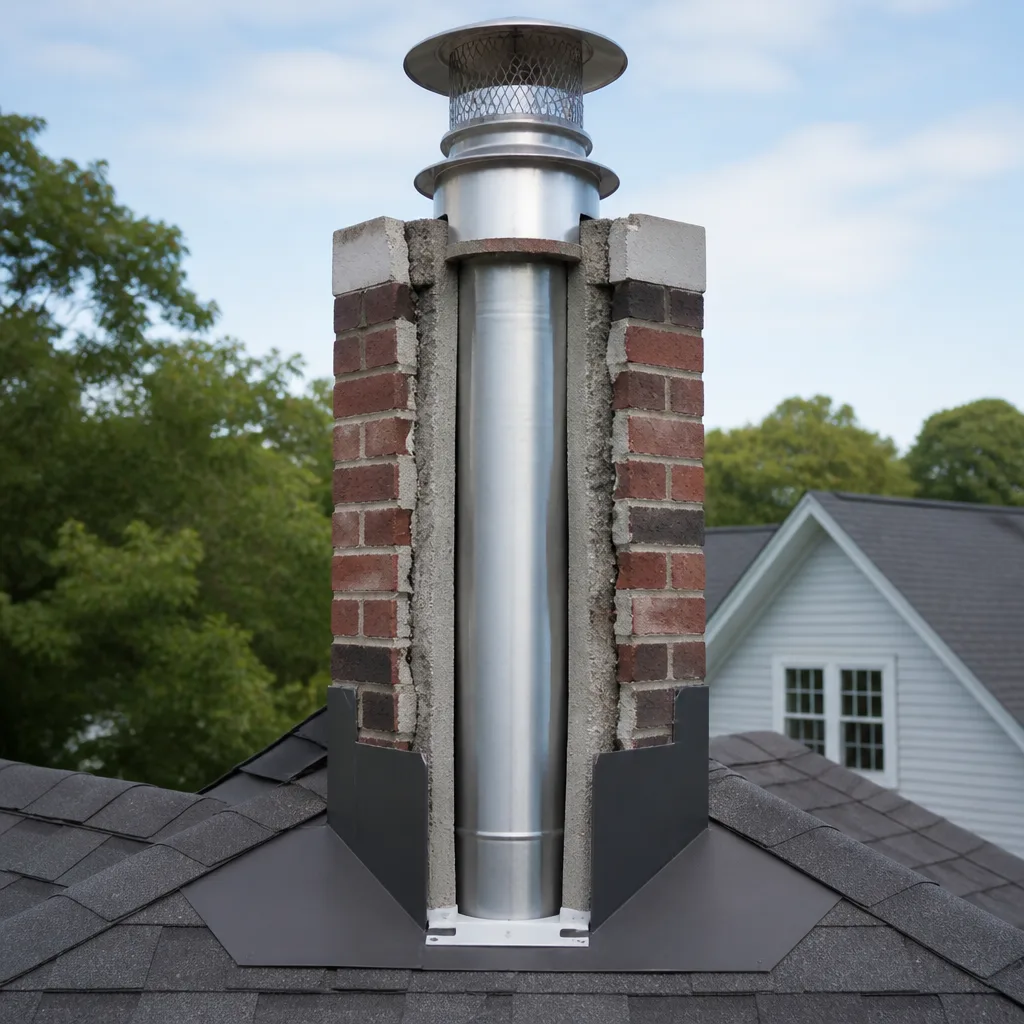
If the vent has failed and needs replacement, the fix is a proper liner, not a patch. We work with DuraFlex and Olympia Chimney venting for exactly this kind of retrofit, because the right liner for the flue is what makes the vent do its job. A gas fireplace is an appliance with a real vent, and it deserves a real inspection, not a guess.
Signs a DIY Clean Won’t Solve It
A basic cleaning handles surface soot and debris. It does not handle structural defects, and if you clean a flue that has a broken tile or a damaged smoke chamber, you’ve spent the effort and left the actual problem in place. These are the signs that the issue is beyond a clean.
- The smell returns within days of a clean. Persistent odor after cleaning points to moisture, organic growth, or a cap issue that keeps letting water in.
- You can see deterioration in the flue. Cracked, spalling, or missing tile linings are structural and need repair, not another sweep.
- Water staining reappears. Staining at the damper or on the masonry after a dry period means the leak source is still open.
- The fireplace still smokes after cleaning. If smoke behavior didn’t change, the cause is draft, sizing, or a defect, not soot.
- You have a gas appliance behaving oddly. Odor, pilot failures, or sooting on a gas fireplace mean venting, and that’s a professional diagnosis.
- The damper doesn’t seal. A rusted or warped damper loses heat, hurts draft control, and needs adjustment or replacement.
There’s a version of this list that matters even more on the masonry side. When the flue lining has degraded, the fix can be resurfacing rather than full liner replacement, which is where HeatShield comes in. It’s a repair option most general sweeps can’t offer, and it can extend the life of a flue that’s still structurally sound but no longer sound enough to leave alone. The key is an honest read of the flue condition, and that read comes from inspection, not from cleaning.
For the everyday sweep itself, professional cleaning still matters, and the Chimney Sweep Hialeah service covers the cleaning and the inspection that tells you whether you’re in DIY-repair territory or structural-repair territory.
How to Document Your Symptoms Before You Call
Accurate diagnosis on the first visit starts before the technician arrives. A few minutes of observation saves the cost and hassle of a second call, because the person inspecting your flue walks in with your notes and knows what to look for. Document these details and you’ll get a faster, more precise answer.
- When the problem happens. Right after lighting? All the way through a fire? Only on humid days? Only when the AC or a bath fan runs?
- What you smell. A musty smell, a smoky smell, or a faint gas smell each points somewhere different.
- Where you see staining. Damper, smoke chamber, firebox walls, or exterior masonry. Note the location and whether it’s wet or dry.
- Whether water is involved. A damp firebox or staining that returns after dry spells is a strong clue.
- The appliance type. Wood-burning, gas, or gas log set. Each has a different venting path.
- What the cap looks like. A photo from the ground is enough. Missing, damaged, or blocked screens matter.
- Recent changes. A remodel, a new HVAC system, added insulation, or new windows can change pressure and draft in a house.
Write these down or take photos before you call. When the technician arrives with that information, the inspection goes straight to the likely causes instead of starting from scratch. It’s the difference between a first-visit diagnosis and a guessing game that costs you two appointments.
When a Level 2 Inspection Is the Right Next Step
A Level 1 inspection is the visual check that goes with a routine clean. It covers accessible parts of the chimney and venting and is appropriate when nothing has changed. A Level 2 is more thorough: it’s a camera inspection of the flue interior and the accessible venting, and it’s the correct next step in a specific set of situations.
Reach for a Level 2 when:
- The flue has never been camera-inspected, or you don’t know its history.
- You’re noticing persistent smoke, odor, or water problems after a clean.
- The appliance or fuel type is changing, or you’ve installed a new insert or gas log set.
- There’s been a chimney fire, a storm, or a known event that could have damaged the flue.
- You’re buying or selling the home and need to know the flue’s real condition.
Here’s why the camera matters. A masonry flue can look fine from the fireplace and be badly compromised further up. Cracks, gaps at joints, and spalling linings aren’t visible without a camera, and they’re exactly the defects that turn a routine clean into a repair recommendation. The camera inspection is what separates “your flue is fine” from “your flue needs resurfacing before you burn again,” and it’s what lets us tell you honestly when something can wait.
If you have a dryer vent in the same home, pair the visit. dryer vent cleaning clears a second fire-hazard system that lint clogs quietly, and having both looked at together means one visit covers two risks.
The Infrequent-Use Trap: What Months of Dormancy Do to a Flue
In colder climates, a chimney gets used enough that problems announce themselves quickly. In Hialeah, a fireplace might see a handful of fires a season, and that light use is exactly what lets small problems sit unnoticed. A flue that’s actively used dries out regularly from the heat of the fire. A flue that sits for months stays damp, and damp flues are where the subtle problems start.
The dormancy cycle looks like this:
- Off-season moisture. Warm humid air condenses inside the cool flue and never dries out.
- Debris accumulation. Dust, airborne material, and animal activity build up without the periodic draft of a fire to clear them.
- Damper and mortar wear. Constant moisture rusts dampers and slowly weakens mortar.
- First-fire surprise. The first fire of the season runs into a flue that’s damp, blocked, or both, and the smoke backs up.
The fix is straightforward once you know the pattern: schedule a sweep and inspection before the burning season, not after the first smoky fire. A flue that’s clean, dry, and inspected going into the season behaves the way it’s supposed to, and any problem gets found while it’s still small. That’s the practical reason we encourage a pre-season visit in Hialeah rather than waiting for a symptom. It’s also the reason the first cool evening of the year so often turns into a call to a technician: the problem was building all summer.
What We See Across Hialeah Neighborhoods
Hialeah is a spread-out city, and the homes vary enough that chimney condition varies with them. Older masonry fireplaces in established neighborhoods tend to show more moisture staining and mortar wear simply because the masonry has had more summers of humid air. Homes with gas fireplaces, which are increasingly common, tend to produce the venting issues described above rather than wood-burning creosote problems. And homes that sat empty or lightly used through a season tend to have the most dormancy-related buildup, because nothing moved the air and nothing dried the flue.
That variety is why a single, standard “clean and go” approach misses so much here. A flue in Hialeah needs a diagnosis matched to its own history: how often it burns, what fuel it uses, what the cap situation is, and what the camera finds. We work in Hialeah often enough to recognize the patterns, and we specify the same brands professional chimney contractors use nationwide, including DuraFlex and Olympia Chimney for liner work and HeatShield for resurfacing where the flue can be rehabilitated instead of replaced.
Common Mistakes to Avoid
- Blaming the fireplace for a moisture problem. A smoky firebox after a humid summer is usually a moisture and debris issue, not a draft design flaw. Fix the moisture source first and half the smoke complaints resolve themselves.
- Cleaning a flue with a cracked lining. A clean flue with a broken tile is still a failed flue. Cleaning without inspection puts you right back where you started, and in Hialeah’s humidity, that’s a repair that keeps getting postponed.
- Ignoring a musty smell. A musty odor in a dormant chimney is a moisture and organic-growth signal, not just an old-house smell. Treating it as cosmetic lets the mortar wear continue quietly.
- Writing off gas fireplace symptoms as furnace trouble. A pilot that won’t stay lit or a faint smell from a gas fireplace is a venting question, and venting gets inspected by a chimney professional, not by adjusting the furnace.
- Running a fireplace without a cap. An uncapped flue in Hialeah invites rain, animals, and debris. The cap is one of the cheapest parts of the system and one of the most important.
- Skipping the pre-season sweep. Waiting until the first smoky fire means starting the season with a problem. A sweep and inspection before burning season is the lowest-stress way to spend the fall.
- Climbing up to check the flue yourself. The roof and the flue interior are genuinely dangerous, and a fall from a Hialeah roof is a much bigger problem than a smoky fireplace. Leave the inspection to a trained professional.
See the difference
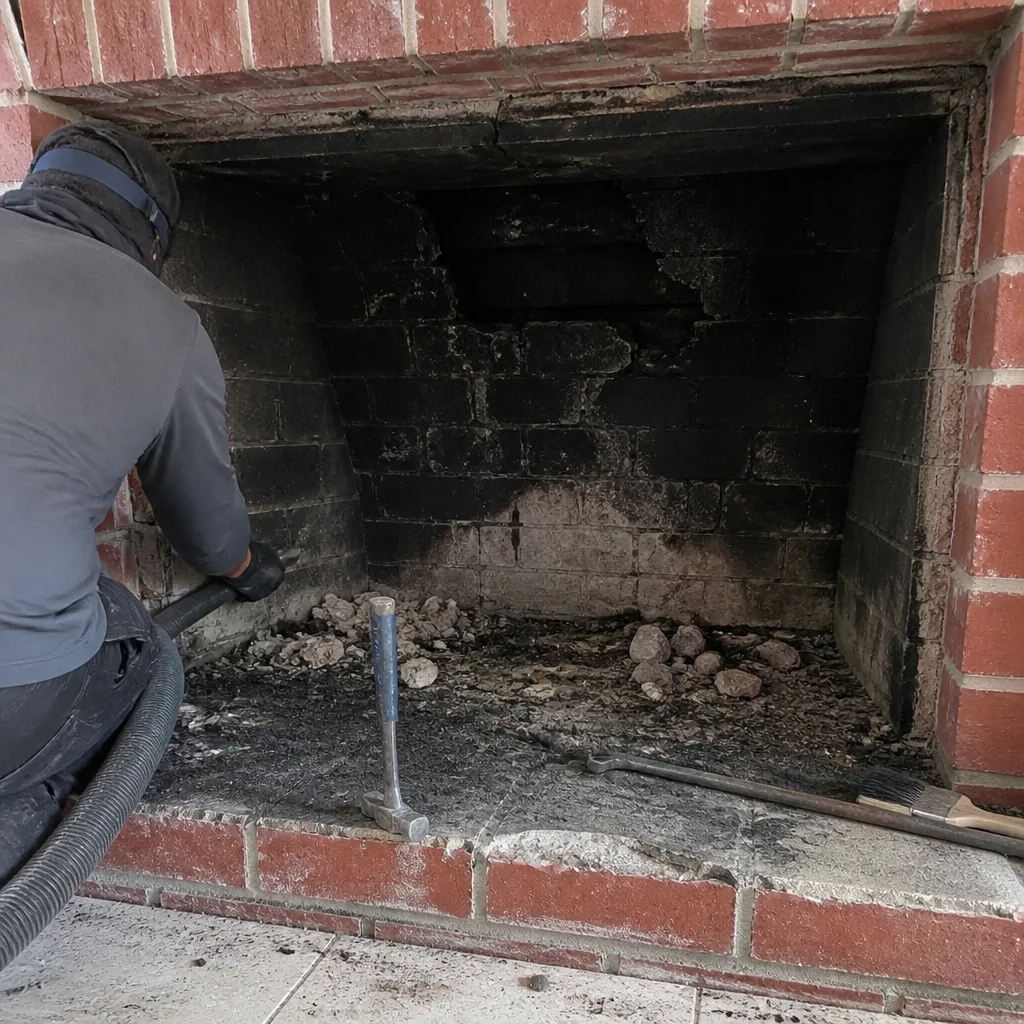 Before
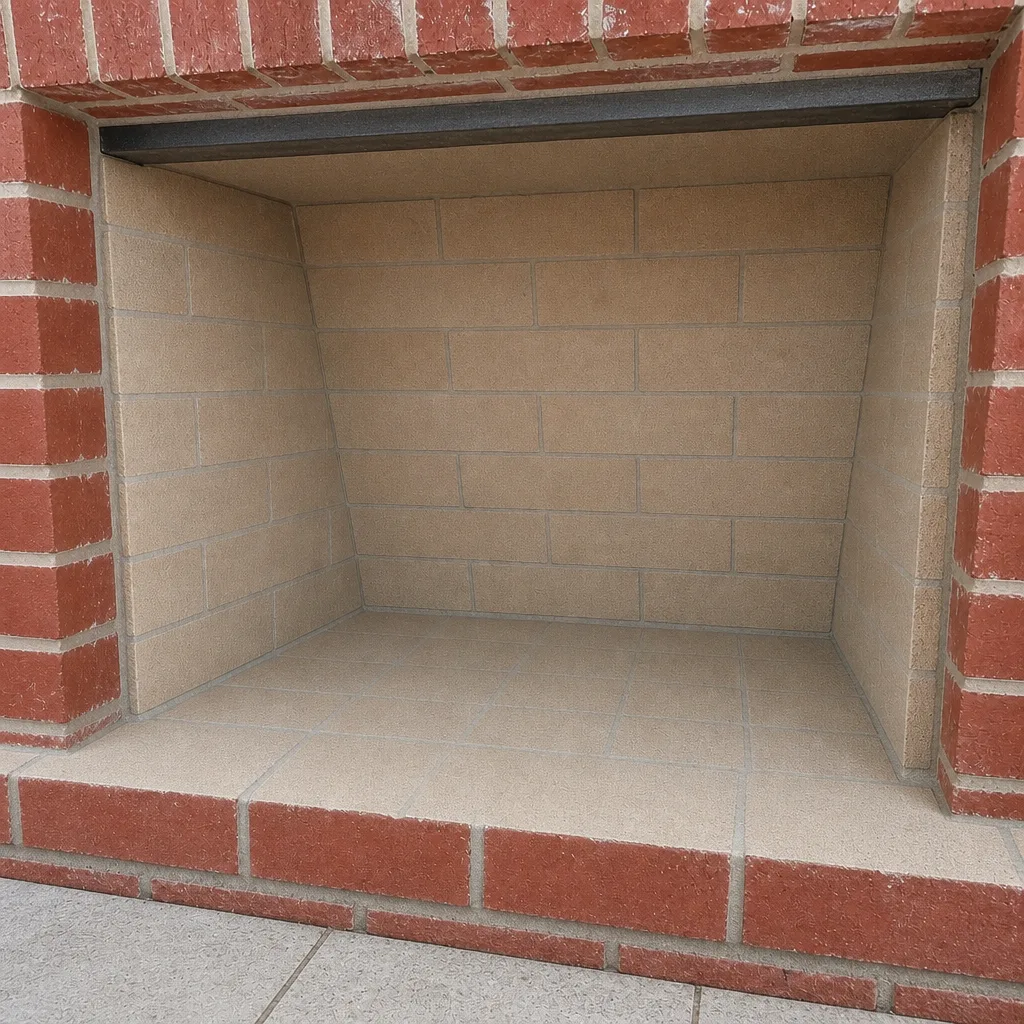 After
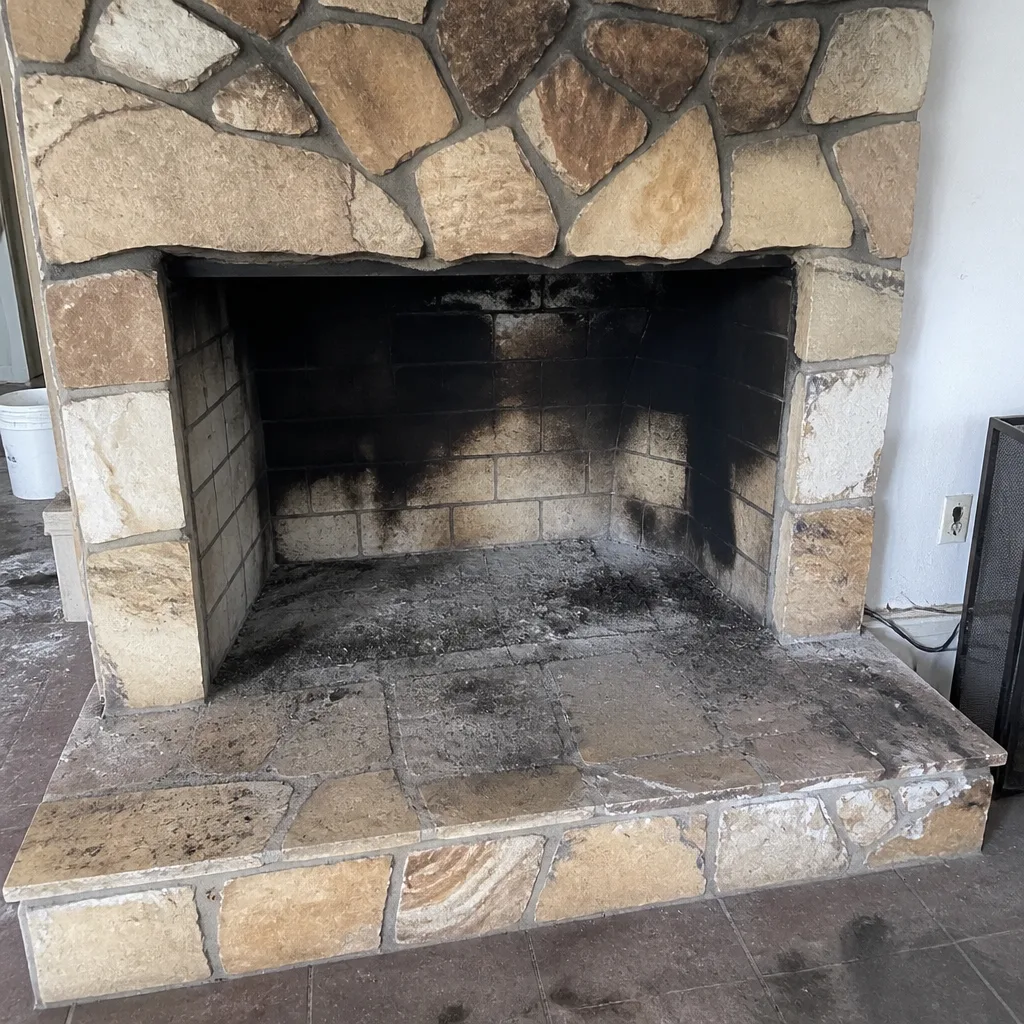 Before
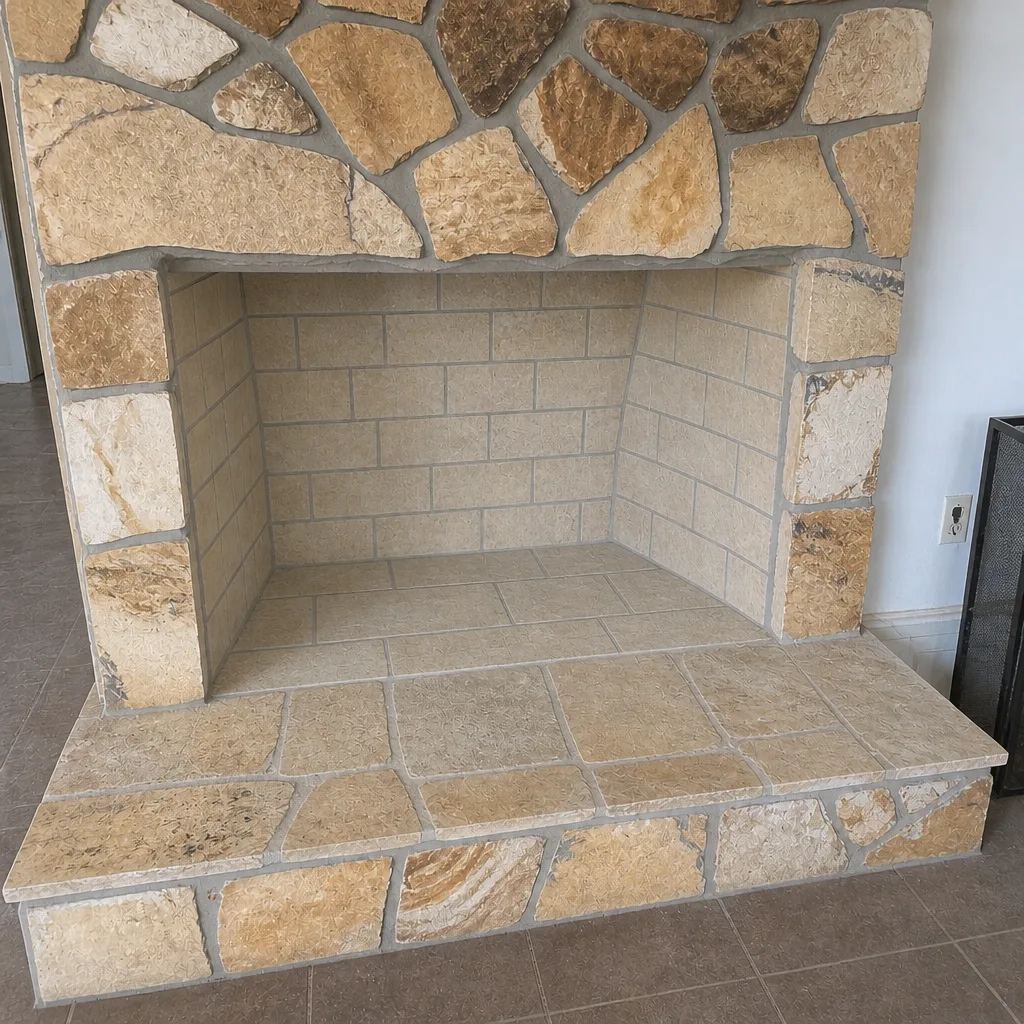 After
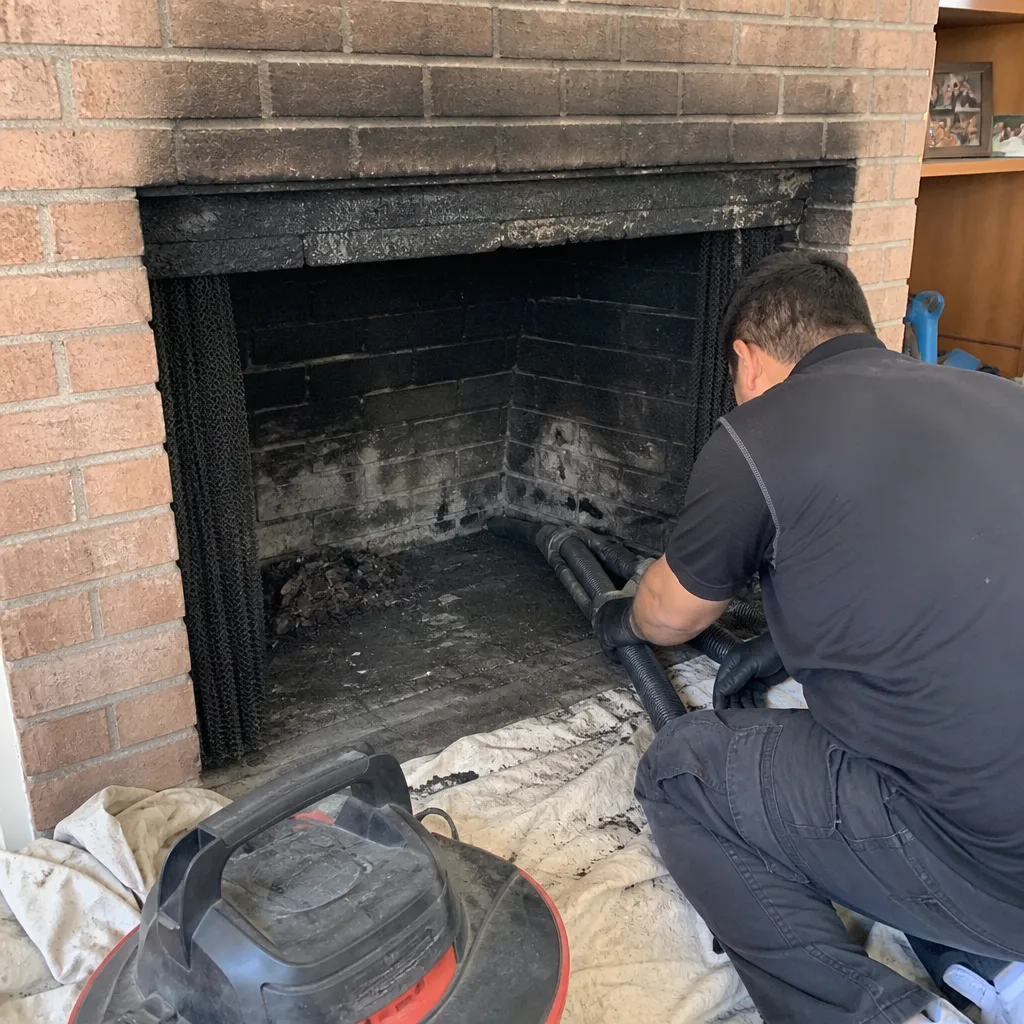 Before
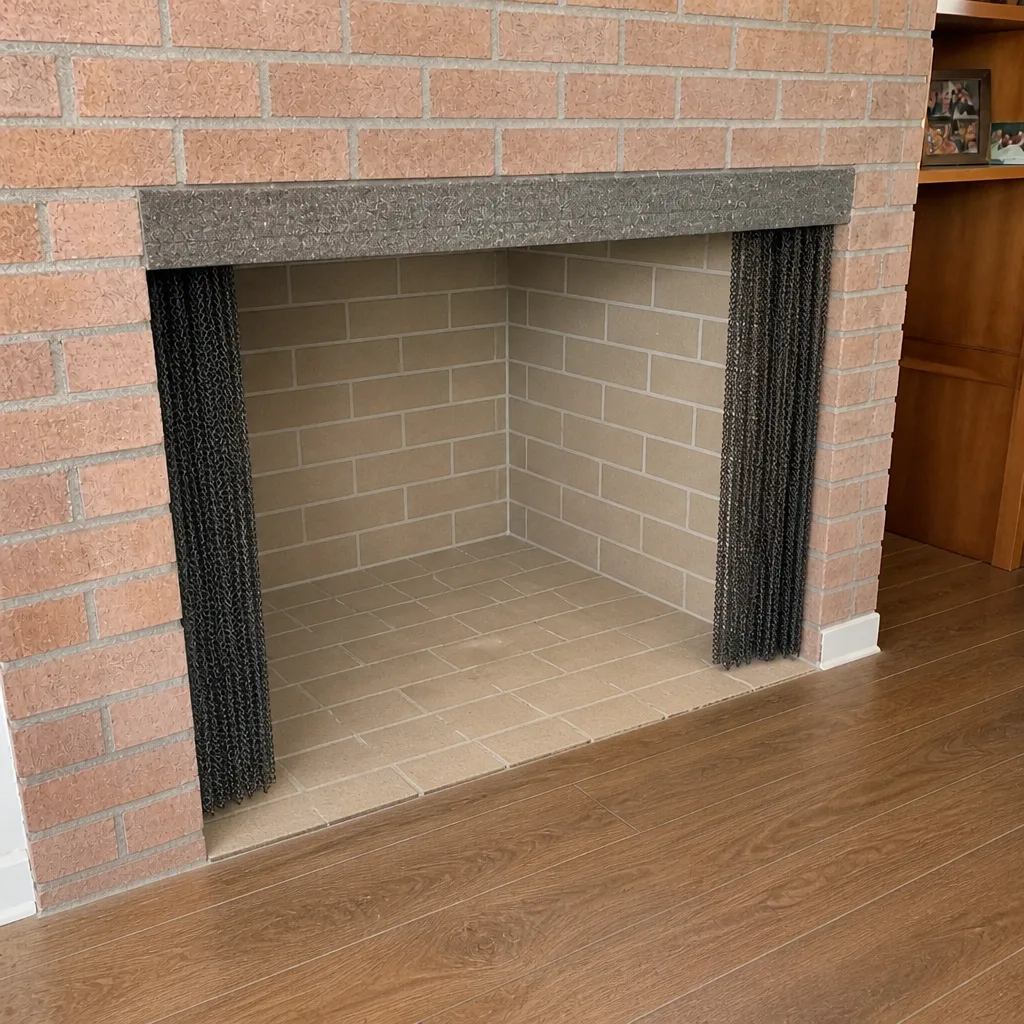 After
When to Call a Professional
Call a professional the moment you notice any of the following: smoke rolling into the room that doesn’t clear as the fire builds, a musty or damp smell from the chimney, water staining at the damper or on the masonry, a gas fireplace that smells off or keeps losing its pilot, visible damage to the cap or crown, or the first fire of the season producing problems it never used to. A flue that has never been camera-inspected is also reason enough for a visit, because so much of the real condition is invisible from the fireplace. Chimney Sweep Hialeah offers free estimates in Hialeah. Call (855) 918-2061. We answer 24/7. Fast dispatch from 7am to 7pm, Sunday through Friday. When you call, have your symptom notes ready and we’ll get the right inspection scheduled.
Frequently Asked Questions
A chimney sweep in Hialeah is priced per job by a written estimate, and the sweep, the inspection, and any repair are quoted separately so you know what you’re approving before any work starts. The estimate is free, and the written estimate sets the final price. Call (855) 918-2061 for an exact quote. Estimates are free.
You need a new liner only if the inspection finds that the flue can’t safely vent, and you should get to see the camera evidence yourself before agreeing to anything. In some cases the flue can be resurfaced with HeatShield instead of fully lined, which extends the life of a structurally sound flue. Nothing is recommended without evidence you can review, and we’ll tell you plainly when a repair can wait. Call (855) 918-2061 to schedule an inspection.
An annual sweep and inspection is the standard for most fireplaces, and in Hialeah’s humid climate the pre-season visit is the one that matters most because it catches moisture and dormancy problems before the first fire. A gas fireplace still warrants an annual venting inspection even though it produces no creosote. Call (855) 918-2061 to book a clean and inspection.
Skipping a sweep lets moisture, debris, and small defects accumulate, and the most common outcome is a smoky, musty fireplace that gets more expensive to fix the longer it waits. On a gas appliance, a skipped venting inspection can leave a spill or blockage unnoticed, which is the carbon monoxide risk we take seriously. Call (855) 918-2061 for a fast, honest look.
A gas fireplace smell with a working furnace is usually a venting issue on the fireplace itself, not a furnace fault. The fireplace has its own vent, and a blocked, separated, or improperly terminated vent can spill exhaust into the room. Stop using the fireplace until it’s inspected. Call (855) 918-2061.
Yes. Chimney and dryer vent work are handled together, which means one visit clears two separate fire-hazard systems instead of two contractor calls. Dryer vent components are sourced from Famco, so the termination and hood are proper parts, not improvised hardware. Call (855) 918-2061 to schedule both.
The Bottom Line
Most chimney problems in Hialeah come down to four root causes: humidity-driven moisture and growth in a dormant flue, physical blockages, cap or crown failure, and gas fireplace venting that gets blamed on the furnace. Match the symptom to the cause before you call, and the diagnosis gets accurate the first time. The practical takeaway: document what you see, get a camera inspection before approving repairs, and schedule the sweep before burning season rather than after the first smoky fire. A flue that’s clean, dry, capped, and inspected goes into the season ready to work.
If you’re not sure which category your fireplace falls into, call us. Chimney Sweep Hialeah specializes in chimney sweeping, dryer vent cleaning, and chimney repair, and we work with DuraFlex, HeatShield, Gelco, Olympia Chimney, Famco, and Copperfield. Our technicians have up to 12 years of experience. Call (855) 918-2061 for a free estimate. We answer 24/7. Fast dispatch from 7am to 7pm, Sunday through Friday.
Written by the team at Chimney Sweep Hialeah.