
Last updated November 14, 2026
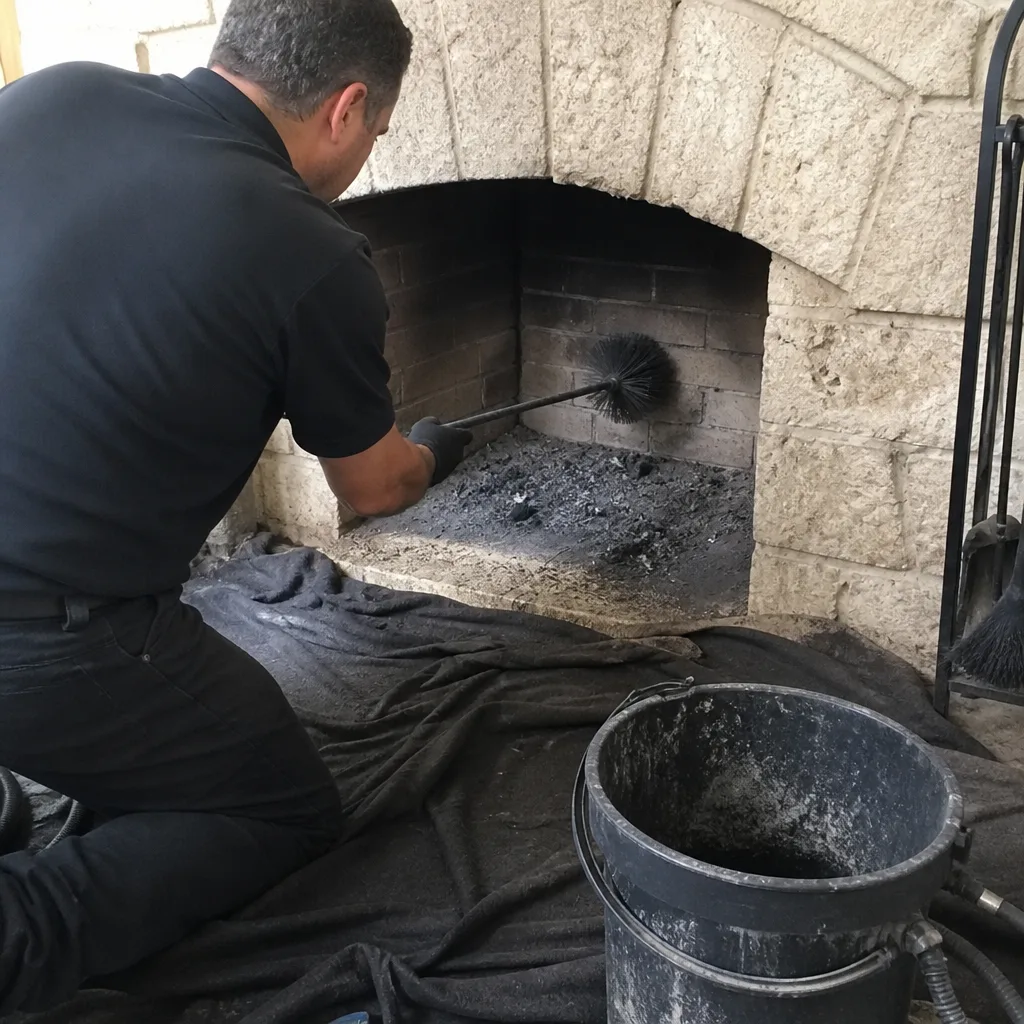
 Sweep & inspection
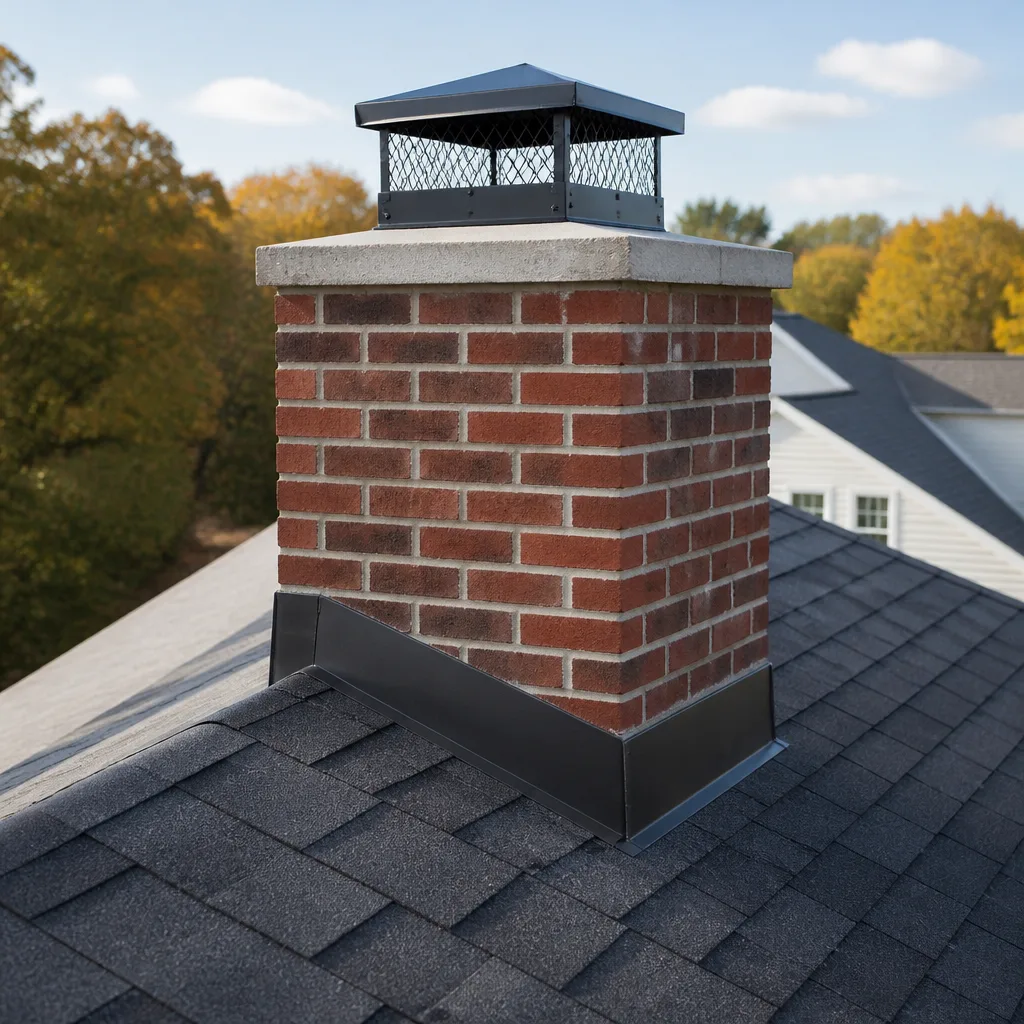
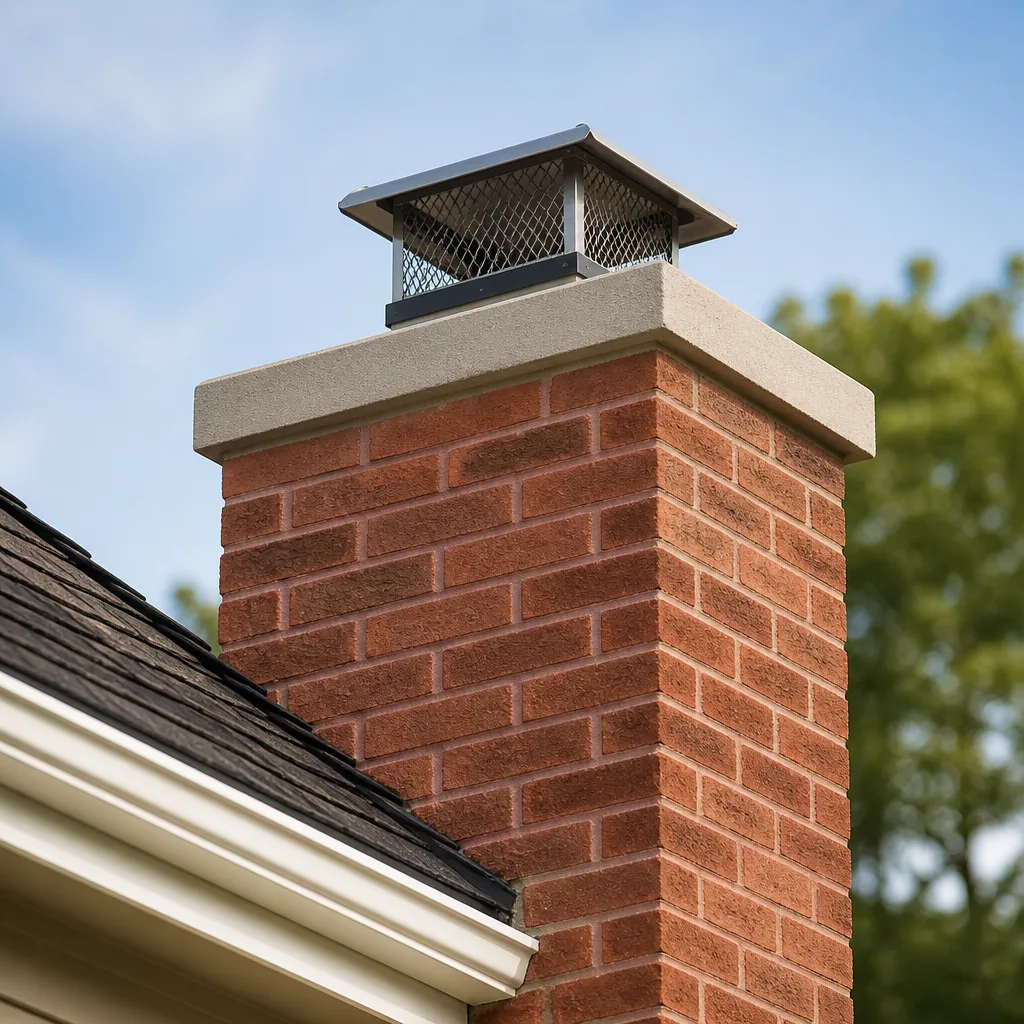 Caps & crowns
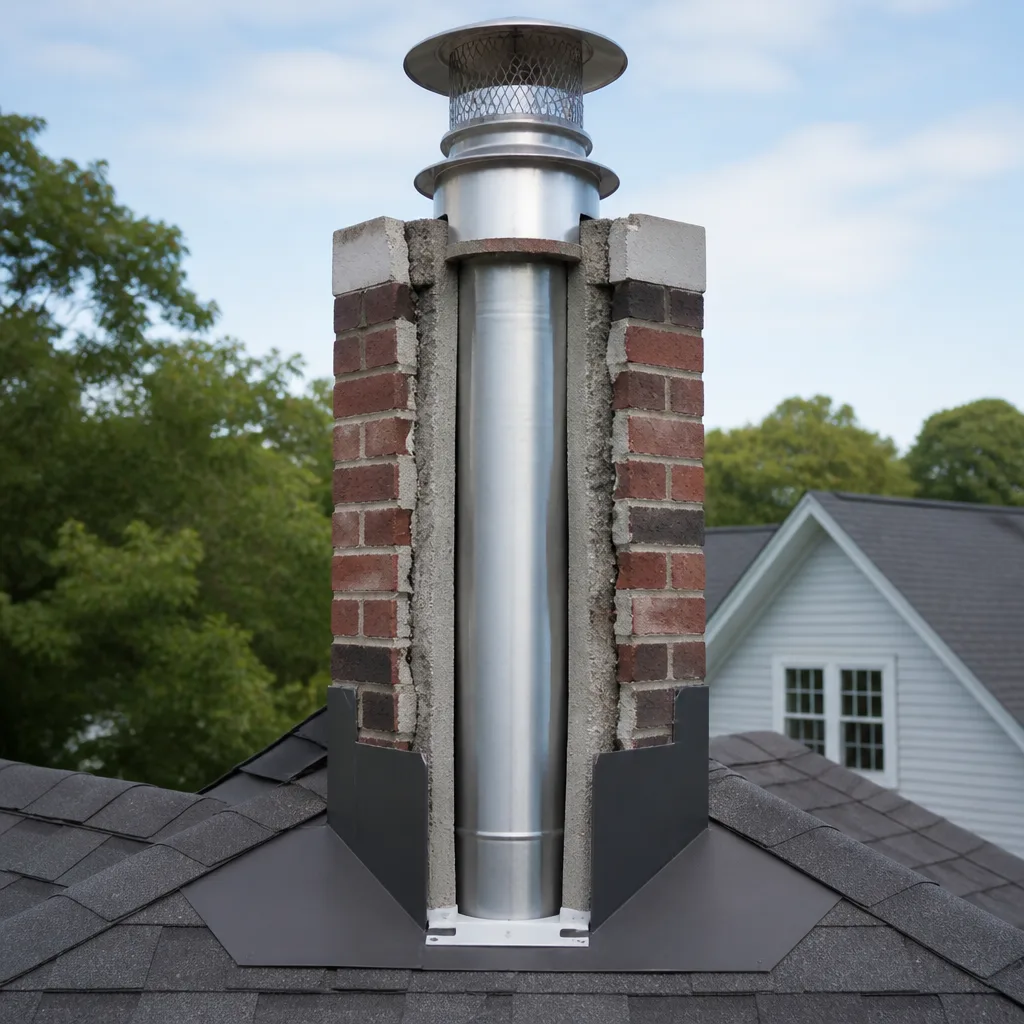 Flue relining
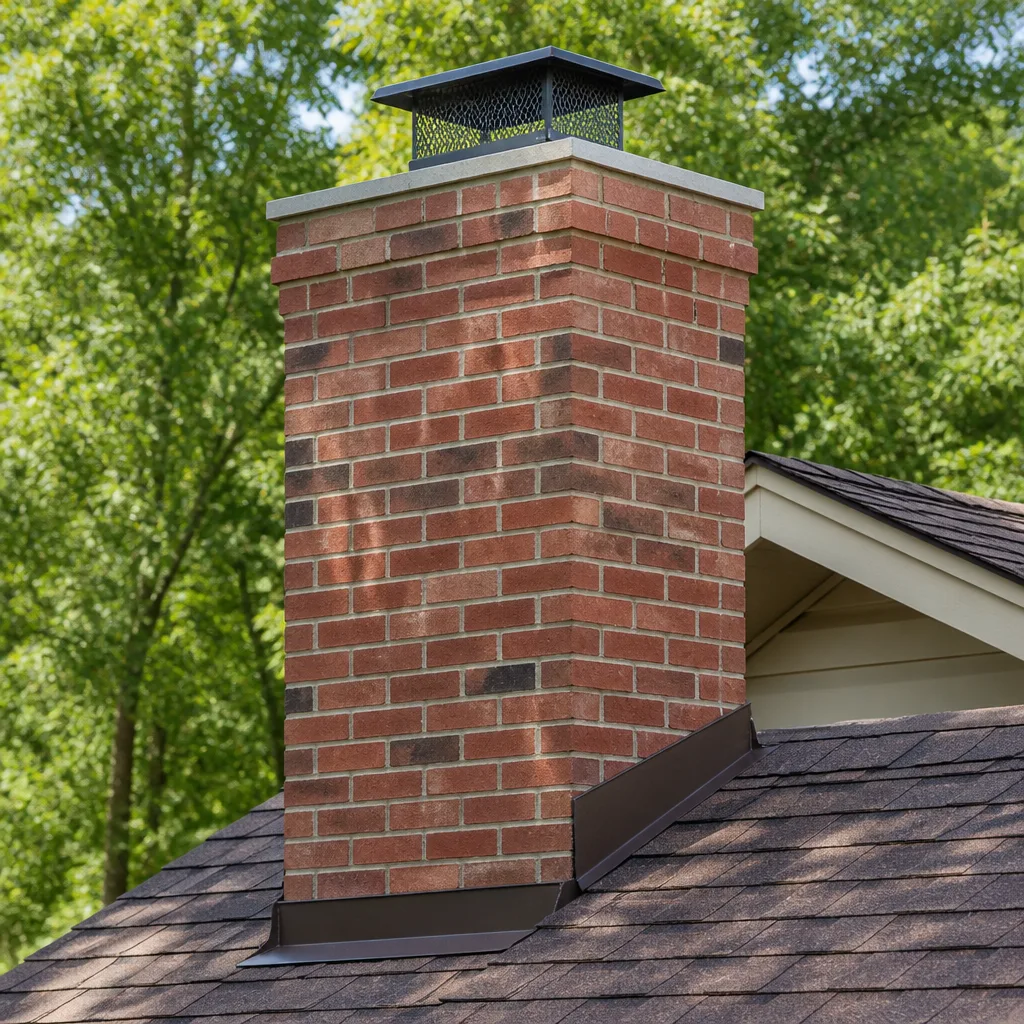 Masonry repair
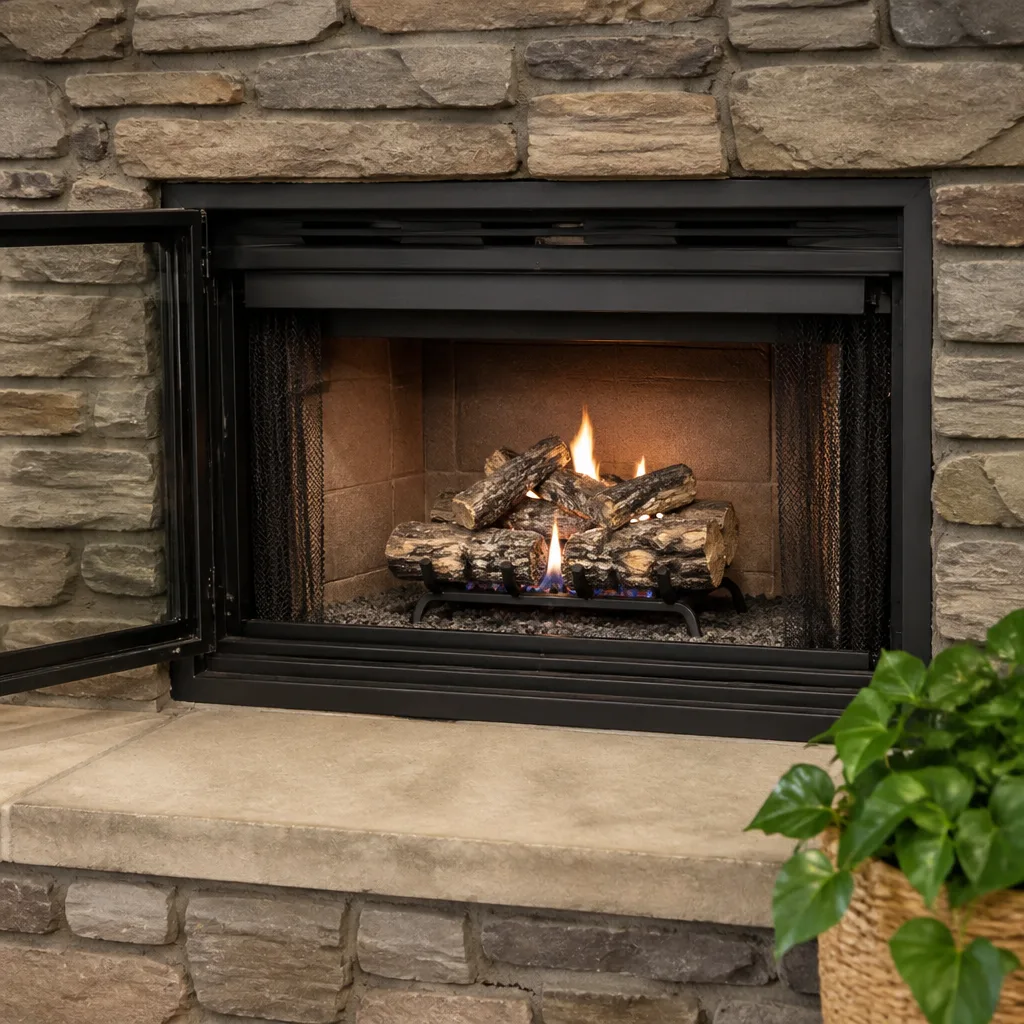 Gas fireplace service
Level 1 sweep and inspection to the NFPA 211 annual standard - flue, crown, cap, and flashing checked and photographed
Chimney sweep logs do not sweep chimneys. They loosen some creosote - which then falls where a brush and vacuum still have to collect it.
Choosing the Right Chimney Cleaning Brand: A Buyer’s Guide for Hialeah
When a chimney contractor installs a new cap, crown sealant, or liner system at your Hialeah home, they’re making a material sourcing decision that you’ll live with for the next ten to twenty years. Most homeowners never ask which brand is going into their flue. The box arrives, the work gets done, the invoice gets paid, and the homeowner has no idea whether the materials came from a professional trade supplier or the shelf of a big-box store. That gap matters more than people realize, especially in South Florida, where heat, humidity, and seasonal storms work on a chimney year-round. Asking a contractor which brand they’re using, and being able to evaluate the answer, is a reasonable thing to do. This guide walks you through the brands that matter in chimney and venting work, the product categories each one covers, and the questions that separate a specialist from a generalist.
Quick Answer
The right chimney cleaning “brand” in Hialeah is not the name of the sweep – it’s the name of the materials going into your chimney. Professional-grade brands like HeatShield, Gelco, DuraFlex, Olympia Chimney, Famco, and Copperfield are the same materials specified by certified chimney contractors nationwide, and they carry testing standards, warranty terms, and material specifications that generic hardware-store substitutes don’t match. Ask your contractor which brand they source for each part of the job, and be skeptical of anyone who can’t name it.
Styles & brands we work with
- Sweep & inspection
- Caps & crowns
- Flue relining
- Masonry repair
- Gas fireplace service
Table of Contents
- What “Chimney Cleaning Brand” Actually Means
- Which Professional Brands Cover Which Chimney Products
- Why HVHZ Approval Matters for Chimney Caps in Miami-Dade
- Gas Versus Wood-Burning: They Are Not Interchangeable
- What “Professional Grade” Actually Means
- Questions to Ask a Contractor About Their Supplier Relationships
- How Hialeah’s Climate and Housing Affect Material Choices
- Common Mistakes to Avoid
- When to Call a Professional
- Frequently Asked Questions
What “Chimney Cleaning Brand” Actually Means
The phrase “chimney cleaning brand” gets searched a lot, and it usually means one of two things. Some people are looking for a company name – a sweep they can trust to clean the flue correctly. Others are looking for the brands of materials used in the cleaning and repair process itself. This guide covers both, but the second one is where the real money sits, and it’s the part of the conversation almost nobody has.
A chimney sweep isn’t a brand-driven service the way, say, a car repair is. When you hire a sweep, you’re buying labor and judgment, not a product off a shelf. But the moment repairs enter the picture – a new cap, a crown sealant, a liner, a set of venting components for your dryer – you are now buying branded products, whether you realize it or not. Those products have manufacturers. They have part numbers. They have warranty terms. And they have very different levels of quality depending on where the contractor sourced them.
In Hialeah, we see this play out across older homes in neighborhoods like Hialeah Heights, Palm Springs, and the areas near Hialeah Park, where chimneys were built to older specifications and sometimes modified over the years by previous owners. When a repair is needed, the brand of material matters as much as the skill of the person installing it. A well-installed cheap liner still fails on the cheap liner’s schedule. A properly specified liner from a recognized trade brand should last for the span the manufacturer warrants.
Two very different purchases
It helps to separate a chimney sweep, which is service labor, from chimney materials, which are products. Sweeping should always be first, because the camera inspection and cleaning tell you what, if anything, actually needs repairing. Materials come second. A contractor who leads with the sale of a liner before the flue has been cleaned and inspected is putting the product before the diagnosis.
Why the brand question gets skipped
Most homeowners don’t ask because they don’t know there’s a difference. In our experience, the question “which brand is going into my chimney?” is one of the fastest ways to separate a specialist from a generalist. A contractor with established trade accounts can answer immediately. A generalist who buys retail may not know.
Which Professional Brands Cover Which Chimney Products
The brands in chimney and venting work aren’t interchangeable – each one tends to cover specific product categories. Knowing the categories helps you ask the right questions and evaluate whether a recommended product actually fits the job in front of you.
Liner systems
DuraFlex is a flexible liner system used widely in retrofits, where the flue is older, irregular, or has offsets that a rigid liner can’t navigate. Olympia Chimney covers a broader range of venting and liner products used in both wood-burning and gas applications. Both are priced as professional materials, and both appear in trade supply catalogs that a generalist is unlikely to be ordering from.
Flue resurfacing
HeatShield is a resurfacing system, not a liner. It rehabilitates the interior of an existing clay flue rather than replacing it outright, and it’s a category most general sweeps can’t offer at all. Gelco is the gel-based component used in some resurfacing applications. The distinction between a liner and a resurfacing system matters a great deal in Hialeah, where original clay flues in older homes are sometimes worth preserving rather than replacing.
Caps, crowns, and dampers
Copperfield produces caps and top-of-flue components, including some that meet Miami-Dade’s HVHZ requirements (more on that below). Not every national brand offers HVHZ-rated caps, so the brand of cap actually influences whether it can legally be installed on a home in this county.
Dryer venting
Famco covers dryer venting components, including vent hoods and termination fittings. Proper termination is not a cosmetic detail – an improvised hood or an undersized termination can create backdraft, lint buildup, and warranty problems for the appliance. Dryer venting is one of the three service lines we specialize in, alongside sweeping and repair, so we specify Famco for the job.
If you’re still working out which of these services you need, a straightforward call is the fastest way to find out. Call (855) 918-2061. We answer 24/7. Fast dispatch from 7am to 7pm, Sunday through Friday.
Why HVHZ Approval Matters for Chimney Caps in Miami-Dade
HVHZ stands for High-Velocity Hurricane Zone, and it’s a building code designation that applies to Miami-Dade and Broward counties. In practical terms, any exterior product on a home here – roof caps included – needs to meet the HVHZ product approval standards set by Miami-Dade’s building department. That’s not a suggestion. It’s a code requirement, and it affects what chimney caps can legally go on your house.
What this means for chimney caps and covers
Not every chimney cap on the market is HVHZ-rated. Many national brands offer excellent caps that are perfectly fine in other parts of the country but don’t carry the Miami-Dade product approval notice needed here. Local sourcing is required to get a cap that carries that approval, and a contractor who isn’t set up with local trade suppliers is at a disadvantage when specifying one.
In Hialeah, this is more than a technicality. Unexplained water intrusion around the chimney top, spark screen damage after a storm, and even the failure of a capping system under wind load can trace back to a cap that wasn’t rated for the zone. If a contractor proposes a cap without being able to point to the approval notice, ask them to verify it before installation. The Miami-Dade building department is the source of truth on which products carry the approval – your contractor should be able to confirm the specific cap.
How to verify a cap is HVHZ-approved
- Ask for the manufacturer’s product approval notice, not just a verbal assurance.
- Confirm the approval names Miami-Dade specifically, not “Florida” in general.
- Match the model number on the approval to the model number being installed.
- Ask whether the installation is being permitted (most exterior changes to a home in this county require it) and who is pulling the permit.
- Keep the paperwork. It matters if you ever sell the home.
Other exterior components
Caps get the most attention, but the same logic applies to any exterior chimney component that could catch wind. Sparingly, ask about product approval on anything that extends past the roofline. The answer tells you a lot about how seriously the contractor takes local code.
Gas Versus Wood-Burning: They Are Not Interchangeable
This is the point most homeowners miss. A gas fireplace and a wood-burning fireplace look similar from the living room, but they vent differently, burn differently, and require completely different material specifications in the flue. What works for one will fail, sometimes dangerously, in the other.
Why the distinction matters
Wood-burning appliances produce creosote, water vapor, and high temperatures that a flue has to handle with the right liner type and clearances. Gas appliances produce mostly water vapor and lower temperatures, but they vent at different rates and require a liner system designed for the appliance – a wood-rated liner installed for a gas appliance can void the appliance’s listing and create a condensation problem. The reverse is also true. A gas-rated liner in a wood flue is a serious safety issue.
In Hialeah, many of the older homes we work in have had fireplace inserts added, and sometimes removed, over the years. It’s not uncommon to find a flue that was originally built for wood now venting a gas insert, or vice versa, without any documentation of when the change happened. Our recommendation: before any liner work, get the appliance identified and confirm its venting requirements from the manufacturer’s listing. The liner brand has to match the appliance category, not just the flue size.
What to ask
- Is the liner you’re proposing rated for my appliance category (wood, gas, oil, pellet)?
- Does the liner’s listing match my appliance’s manufacturer requirements?
- Is the flue size after the liner installed still correct for the appliance?
- Will you document what’s going in, so the next contractor has a record?
Burning is not part of the sweep
A chimney sweep’s job is to inspect and clean, not to advise on how you burn. But if the flue shows signs of improper venting – heavy condensation, a liner that’s failing, a cap that was installed for the wrong appliance – that’s a safety finding worth taking seriously. The right move is to correct the venting materials, not to adjust how you use the fireplace. If you want a full picture of what a sweep involves before you book, our Chimney Sweep Hialeah page walks through the process.
What “Professional Grade” Actually Means
“Professional grade” gets thrown around loosely, so it’s worth pinning down. When we say professional grade in chimney work, we mean the product carries the testing standards, warranty terms, and material specifications that a trade professional would expect to see in a supply catalog – not the retail version sold next to hardware store caulk.
Testing standards
Liner systems and venting components in chimney work are typically tested to specific industry standards. The liner brand you’re being offered should be listed for the application, and the contractor should be able to tell you what standard it’s tested to and for which appliance category. If the answer is vague, the brand probably is too.
Warranty terms
Warranties on liner systems are usually tied to material type and installation quality. A professional-grade liner can come with a substantial warranty when properly installed and listed for the appliance. A generic liner often carries a much shorter or conditional warranty, and the fine print can exclude exactly the failure mode you’re worried about. The warranty is one of the clearest signals of whether a brand is built for the long haul.
Material specifications
In Hialeah’s climate, the alloy, thickness, and construction of a flue liner is not academic. Heat cycling combined with humidity produces a different wear pattern than a cold climate, and thinner or lower-grade material tends to reveal its shortcomings years sooner. This is part of why we specify DuraFlex for retrofit work and Olympia Chimney and Copperfield for many of the venting and top-of-flue components.
The three categories of “quality” you’ll hear
- Retail quality – sold at big-box stores, minimal testing documentation, short or no warranty, intended for one-off homeowner installs.
- Trade-grade – sold through professional supply channels, tested and listed for appliance categories, warranty terms written for professional installation.
- Specialty-grade – the trade brands that carry capabilities a generalist can’t offer, like HeatShield resurfacing.
All three categories exist for a reason. The mistake is paying trade-grade prices and ending up with retail-grade materials. The way to avoid that is to ask the brand question directly and expect a specific answer.
Questions to Ask a Contractor About Their Supplier Relationships
A specialist with established trade accounts sources differently than a generalist who buys retail. That’s not marketing language – it’s a structural difference in what they can offer, what they know, and what they can get in a reasonable timeframe.
The questions that reveal the difference
- Which brands do you source for liners, caps, and resurfacing? A specialist will name them without hesitation. A generalist will say “quality materials.”
- Do you have a trade account with that manufacturer or their supplier? A yes usually means they install the product regularly, not once a year.
- Can you get an HVHZ-approved cap for my home? Local sourcing matters here, and a vaguer answer is a warning sign.
- Do you offer HeatShield resurfacing, or only liner replacement? A specialty capability almost no general sweep carries.
- What warranty comes with the material, and who honors it? If the warranty runs through the manufacturer, the contractor knows it. If they can’t answer, ask them to find out before you book.
- Will the installation be permitted where the code requires it? Chimney and venting work that changes the exterior is often permitted, and a contractor who avoids permits is telling you something.
- Will you document what you installed, including the brand and model? A written record protects you and whoever works on the home next.
Red flags in the answers
- “Brands don’t matter, it’s all the same stuff.”
- Can’t name any product brand specifically.
- Won’t provide written specifications before installation.
- Recoils from the HVHZ question or dismisses it as overkill.
- Encourages you to skip the camera inspection.
Why this matters in Hialeah specifically
Hialeah’s housing stock is diverse – post-war bungalows, mid-century homes, and newer construction all sit within a few miles of each other. The right materials differ based on the flue you actually have, not the brand the contractor happens to like. A contractor with trade accounts can source the right product for the specific job. A contractor without them ends up specifying something close enough and hoping.
How Hialeah’s Climate and Housing Affect Material Choices
South Florida’s climate is mild in the winter, which changes the chimney conversation in ways that surprise people relocating from colder parts of the country. Chimneys here are rarely used for months on end like they are up north. Instead, they’re lit intermittently – a few cool evenings over a winter, then dormant for months.
Intermittent use stresses materials differently
Creosote still builds up, sometimes more slowly than in cold climates, but the cycles of humidity and dry heat between burns can be harder on liners and crown seals than continuous use would be. A crown that was sealed with the wrong product can crack after a summer of humidity, and a liner that isn’t rated for the moisture load in intermittent gas use can deteriorate. The brand of material is part of what determines whether it survives this pattern.
Ventilation and dryer work
Homes in Hialeah are often tightly sealed for air conditioning, which reduces fresh-air exchange and makes proper dryer venting more important. We pair dryer vent cleaning with chimney service for exactly this reason – one visit addresses two fire-risk systems, and the same technician can verify that the dryer’s termination components are appropriate. Famco venting products are what we specify for that work.
Local building conventions
Many homes in Hialeah were built to older conventions, with clay tile flues. Some of those flues are still in service and can be rehabilitated with HeatShield rather than replaced. A contractor who only offers liner replacement will propose a full liner for a flue that could have been resurfaced. The right brand capability, in the right hands, saves you the difference.
If you’re unsure what your chimney actually has, a professional inspection is the place to start. The Hialeah service area covers it, and our technicians have up to 12 years of experience with the full range of materials you’d encounter in this climate. Call (855) 918-2061. We answer 24/7. Fast dispatch from 7am to 7pm, Sunday through Friday.
Common Mistakes to Avoid
- Hiring on price alone. The lowest bid is often the one that skips the camera inspection or specifies a generic liner. That saving rarely holds up when the material fails years early and the warranty turns out to be conditional.
- Not asking which brand goes in. Silence on the brand is not neutrality – it usually means the contractor hasn’t specified one. Ask before the work is booked, not after.
- Accepting a cap without HVHZ approval. A cap that isn’t Miami-Dade product approved is a code problem on a Hialeah home, and it can fail under wind load. Ask for the approval notice.
- Treating gas and wood as interchangeable. A liner installed for the wrong appliance category is a real safety issue, and it can void the appliance’s listing. Confirm the venting category before any liner work.
- Skipping the camera inspection. A sweep without a camera is a blind repair recommendation. The camera footage is what lets you see the flue yourself and understand what’s actually going on.
- Replacing when resurfacing would work. HeatShield resurfacing can rehabilitate an existing clay flue and extend its life where a general sweep would jump straight to full replacement. If resurfacing is available, ask about it.
- Ignoring the dryer vent. Dryer vent lint is a fire risk whether or not the chimney gets attention. If you’re already having chimney work done, get the vent cleaned on the same visit rather than scheduling two contractors.
When to Call a Professional
Call a professional if it’s been a season since your last sweep, if you’ve never had the flue inspected since buying the home, or if you’re seeing smoke roll back into the room, a strong odor when the fireplace isn’t in use, or visible water near the chimney. If you’re buying a home in Hialeah and the seller can’t produce records of a recent inspection, book one before close. If you’ve added or removed a gas insert, get the venting verified. If the dryer takes longer to dry clothes or the vent hood outside looks damaged or blocked, that’s a call too. Chimney Sweep Hialeah offers free estimates in Hialeah – call (855) 918-2061. We answer 24/7. Fast dispatch from 7am to 7pm, Sunday through Friday.
Frequently Asked Questions
A Hialeah chimney contractor should be able to name specific brands for liners, resurfacing, caps, and dryer venting – HeatShield and Gelco for resurfacing, DuraFlex and Olympia Chimney for liners, Copperfield for caps, and Famco for dryer venting are the recognized trade names in each category. If a contractor can’t name any brand, that’s information. Call (855) 918-2061 for an exact quote – estimates are free.
Sweeping costs vary with the flue, the appliance type, and whether the flue needs camera inspection or a chimney cap is part of the visit, so we don’t quote a flat price before we know what we’re looking at. The written estimate sets the final price, and every recommendation comes with camera evidence you can review. Call (855) 918-2061 for an exact quote – estimates are free.
That depends on the state of the existing flue, which is what the camera inspection tells you. HeatShield resurfacing can rehabilitate a clay flue that a general sweep would jump straight to replacing, and it’s the better answer for some flues. For others, full liner replacement is the correct fix. The difference is the condition of the flue interior, and we won’t recommend either without showing you what we see. Call (855) 918-2061 for an exact quote – estimates are free.
Most wood-burning chimneys should be inspected annually and swept when the creosote buildup reaches a threshold that a camera and brush can confirm. Gas appliance venting should be inspected on a similar schedule, though it may need cleaning less often. In Hialeah’s climate, where fireplaces are used intermittently, the inspection matters more than the sweep cadence – a flue can look clear from the firebox and still have issues above. Call (855) 918-2061 for an exact quote – estimates are free.
Creosote and blockage can build in a flue without any visible sign from the living room, and the risk is chimney fire or carbon monoxide venting into the home rather than up the flue. Neither is common, but both are serious when they happen, and an inspection is what catches the conditions before they do. If nothing needs work, we tell you that and nothing is recommended. Call (855) 918-2061 for an exact quote – estimates are free.
Yes, exterior chimney caps installed on homes in Miami-Dade need to meet HVHZ product approval standards. Not every national brand cap carries the approval, so the contractor needs access to locally sourced HVHZ-rated components. For cap selection and installation, call (855) 918-2061. We answer 24/7. Fast dispatch from 7am to 7pm, Sunday through Friday.
Yes. Chimney sweeping and dryer vent cleaning are two of our three core services, and pairing them is standard – one visit, two fire-risk systems. It’s also the practical way to make sure the venting components on the dryer meet the same trade standards as the chimney: Famco for dryer venting, the appropriate liner brand for the flue. It’s one visit and one written record instead of two. Call (855) 918-2061 for an exact quote – estimates are free.
The Bottom Line
The brands behind the materials in your chimney are not a detail you can leave to the contractor’s judgment, because the contractor’s ability to name them is itself a signal of how they work. Ask which liner, which cap, which resurfacing system. Ask whether the cap is HVHZ-approved. Ask whether the liner is rated for your actual appliance. Ask whether resurfacing is an option, or whether replacement is really required. The answers to those questions tell you more about the contractor than years of marketing, and the materials themselves will be doing the work long after the job is done. In Hialeah’s climate, trade-grade materials hold up better than substitutes, and the difference is worth confirming before installation rather than discovering after.
If you’re ready to book, or you’d like a second opinion on a repair someone else recommended, we’d be glad to help. Call (855) 918-2061. We answer 24/7. Fast dispatch from 7am to 7pm, Sunday through Friday. Estimates are free, the price is set per job by the written estimate, and nothing is recommended without camera evidence you can see for yourself. Chimney Sweep Hialeah connects you with trained local professionals for sweeping, dryer vent cleaning, and chimney repair.
Written by the team at Chimney Sweep Hialeah.
See the difference
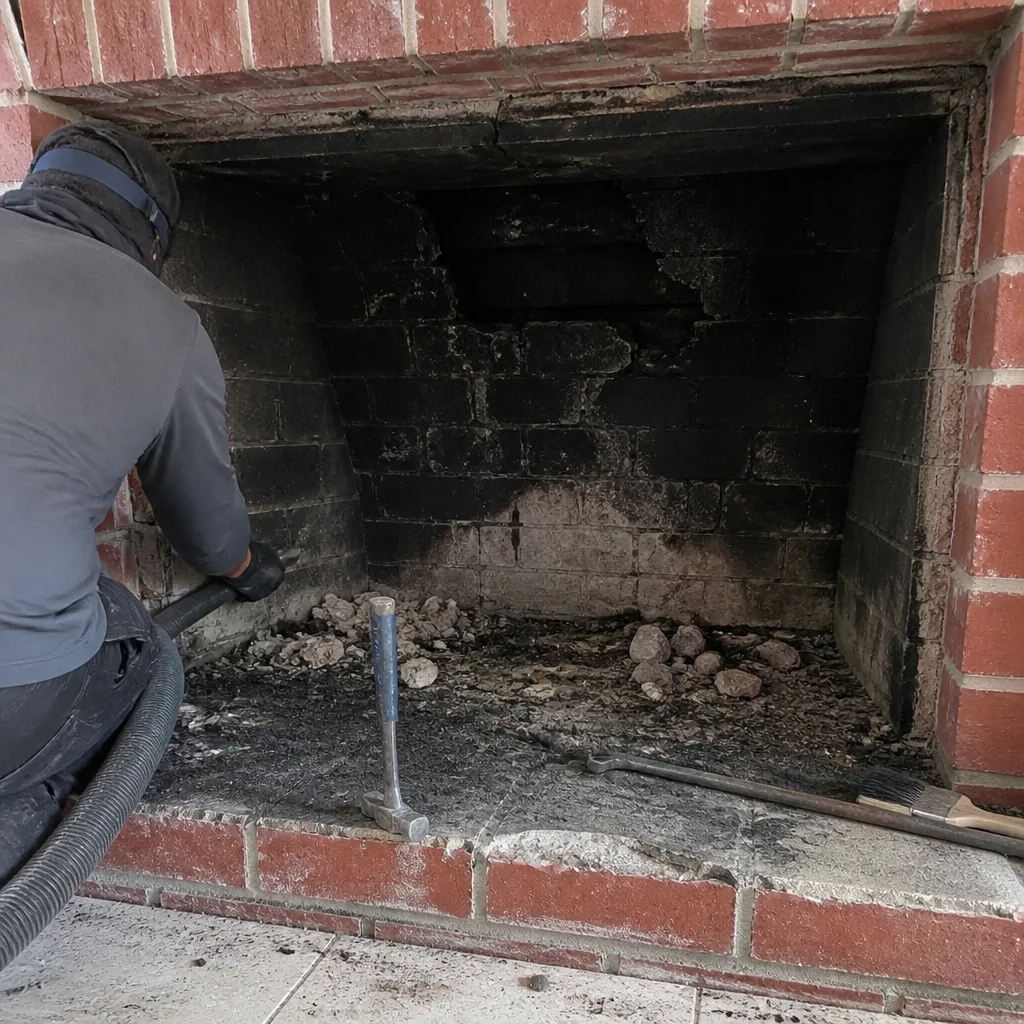 Before
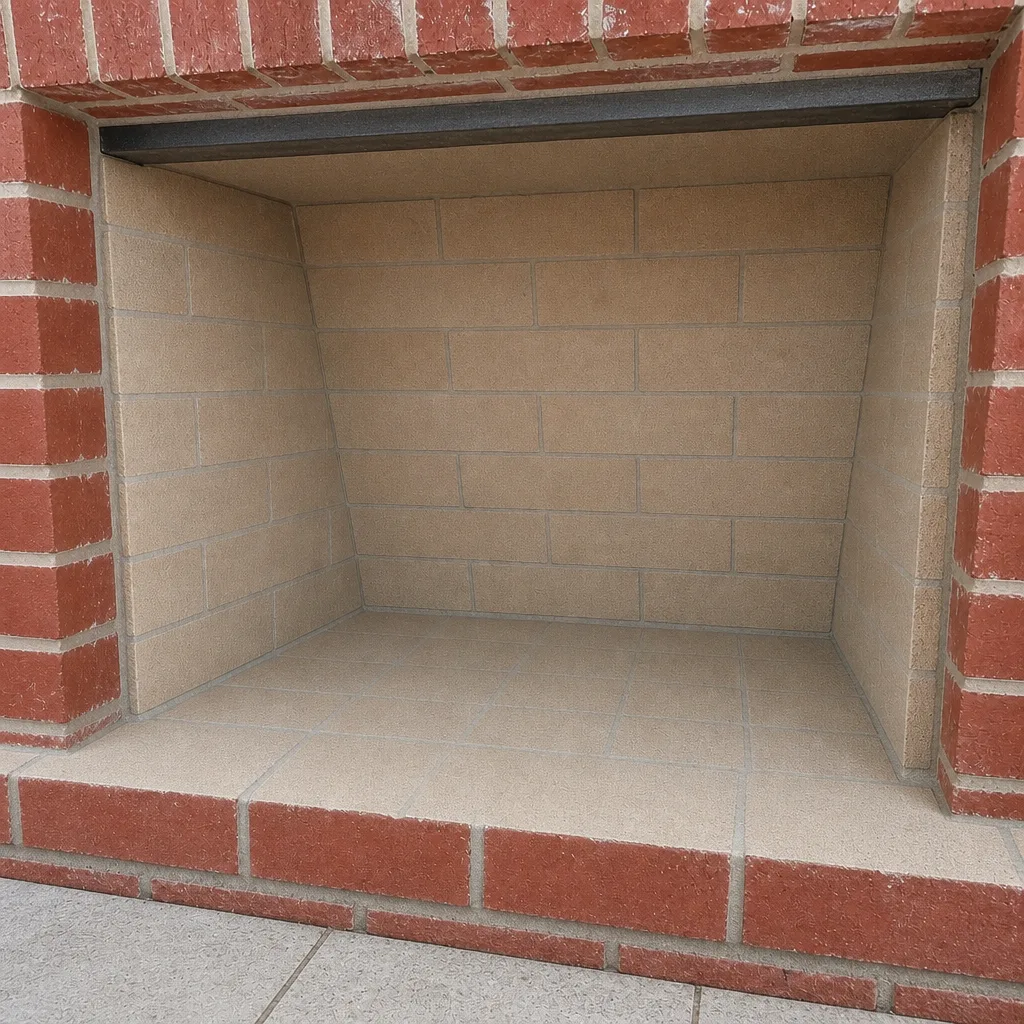 After
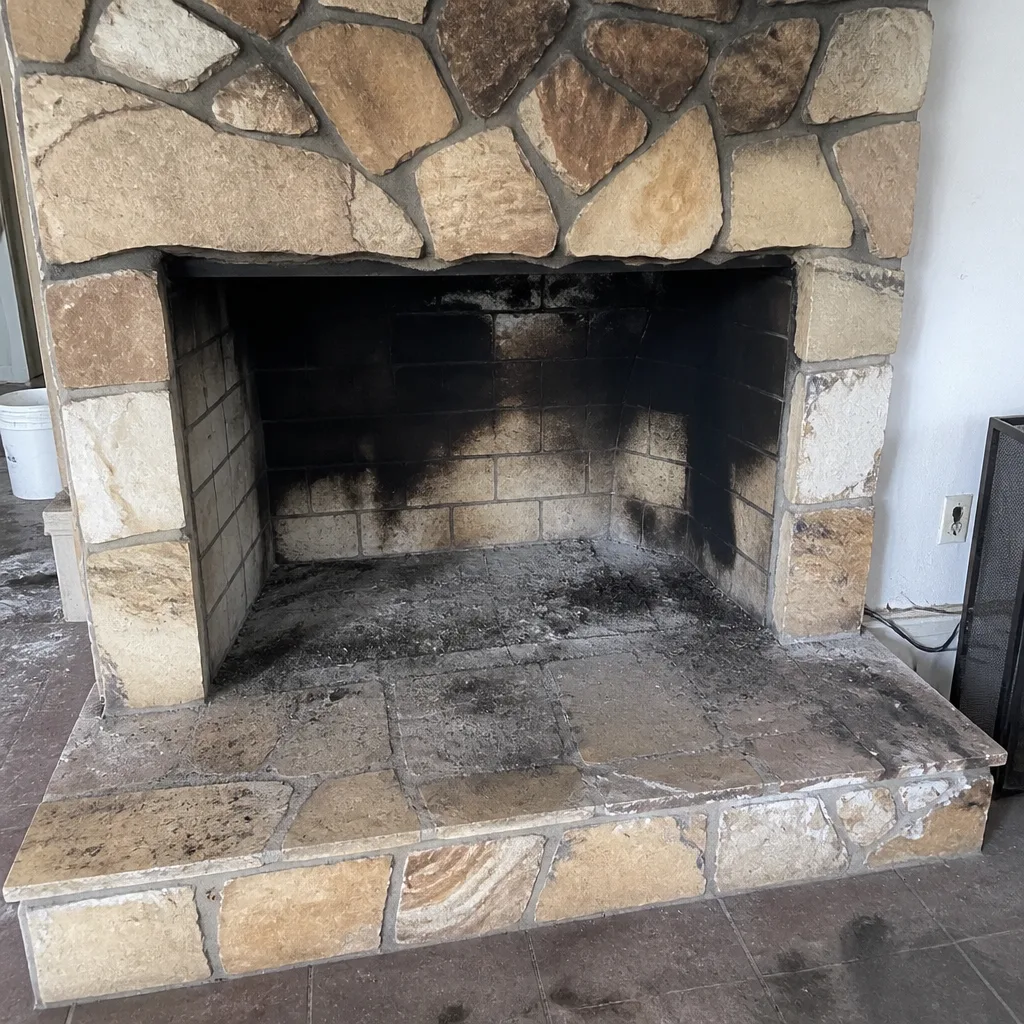 Before
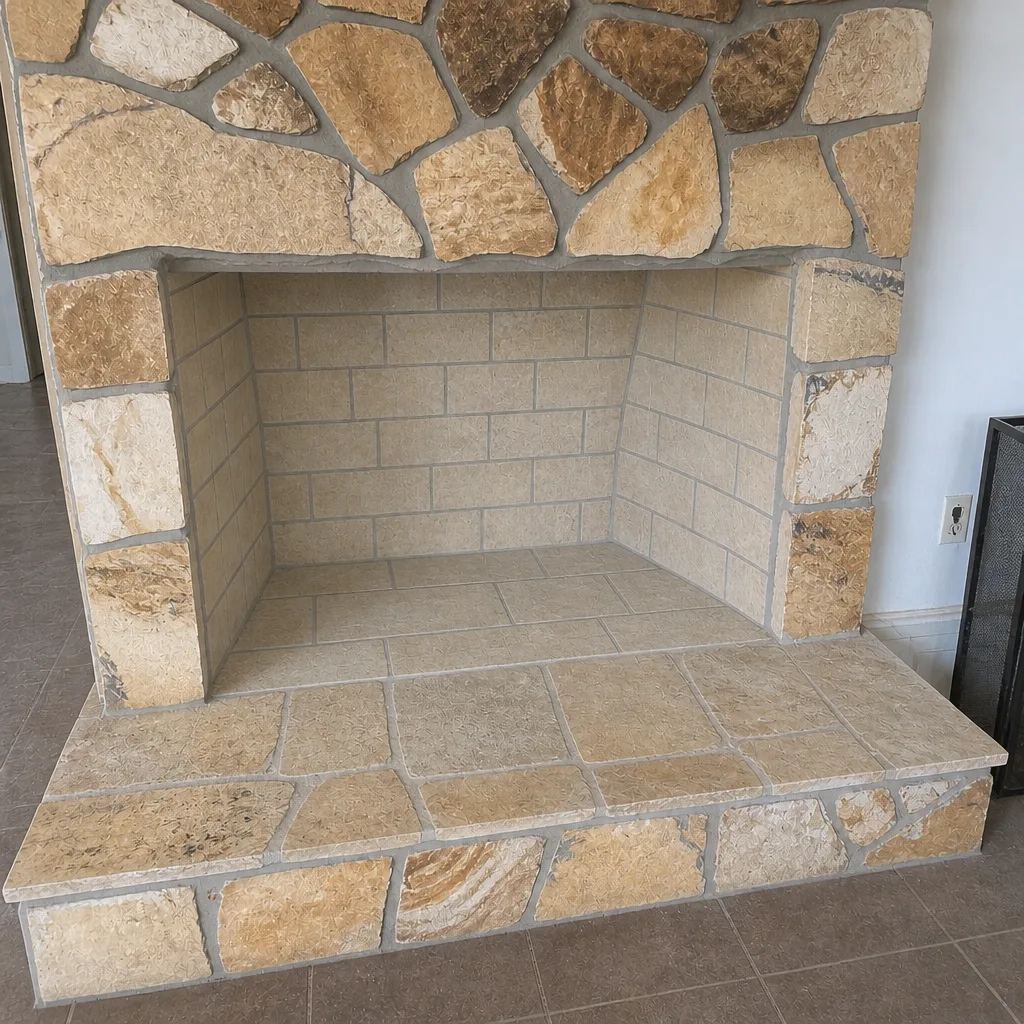 After
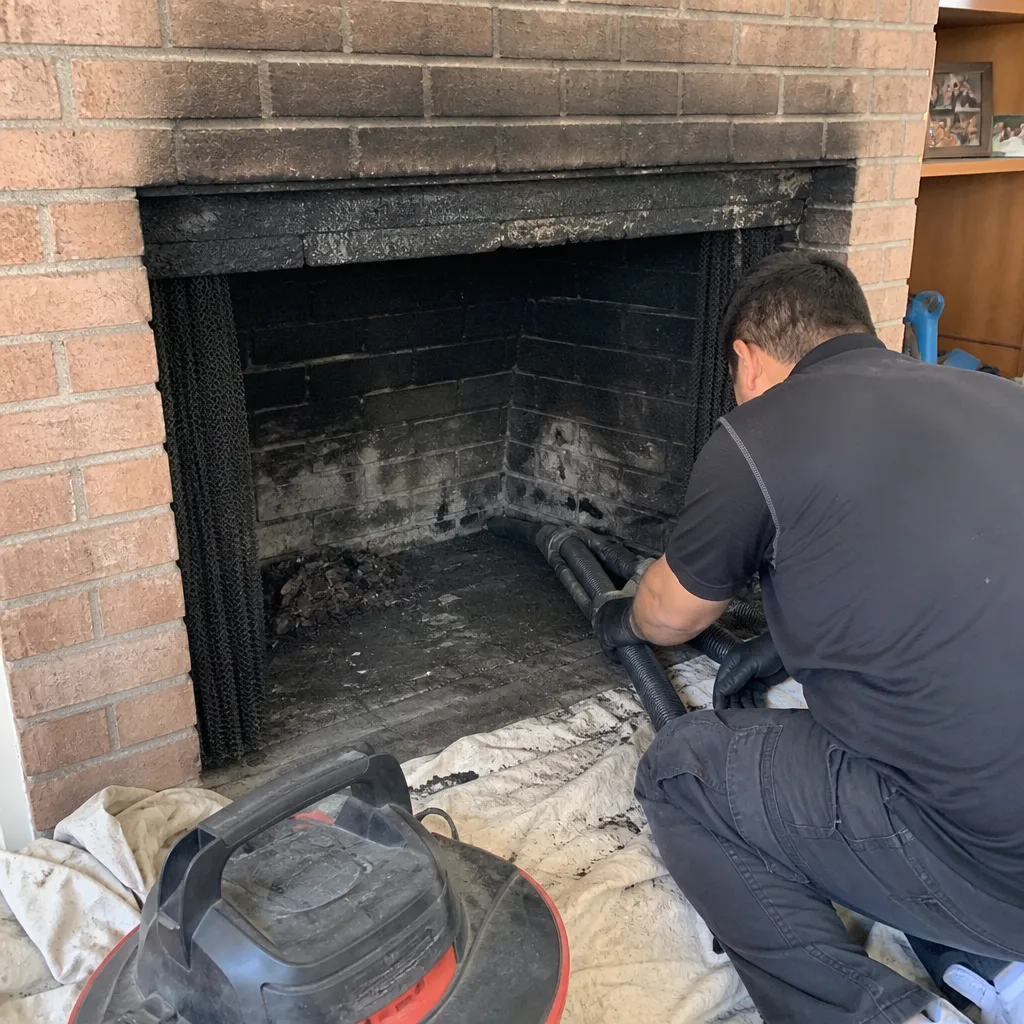 Before
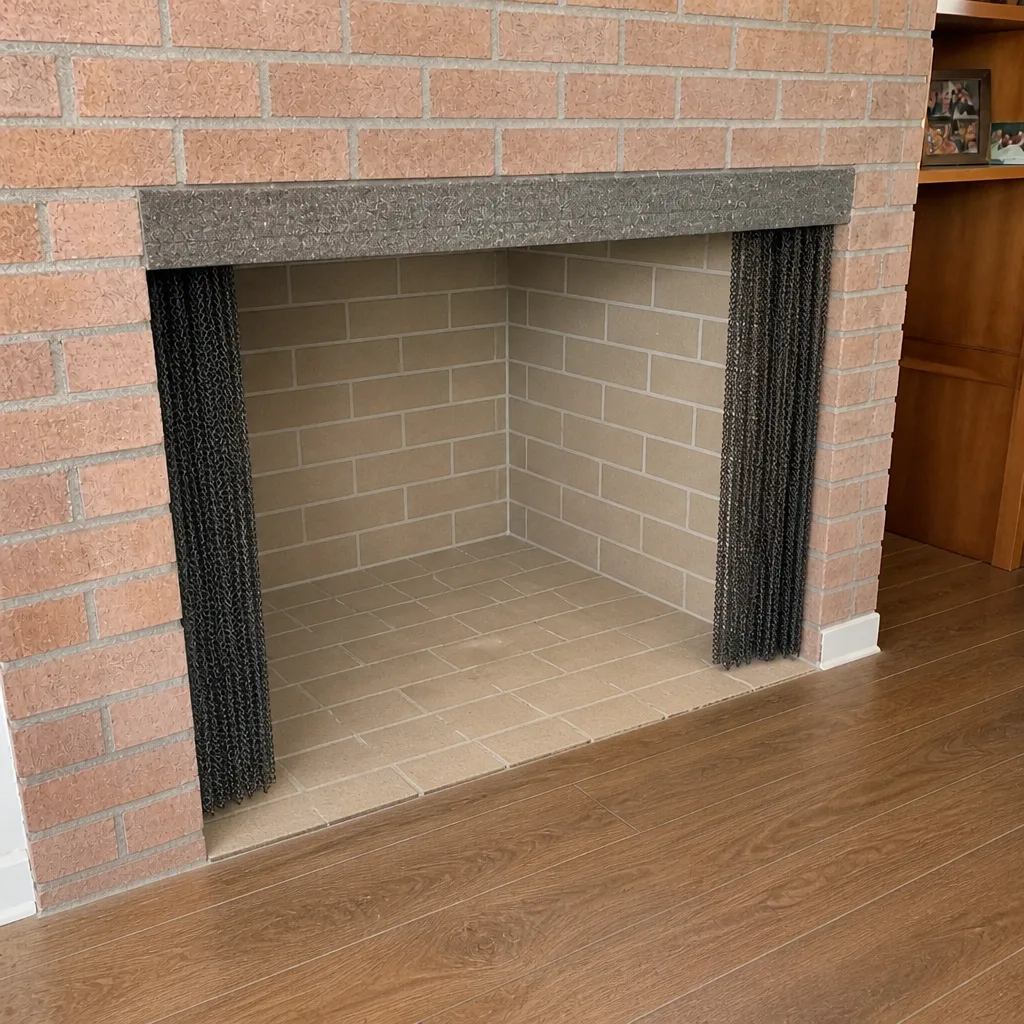 After