
Last updated November 14, 2026
 Sweep & inspection
 Caps & crowns
 Flue relining
 Masonry repair
 Gas fireplace service
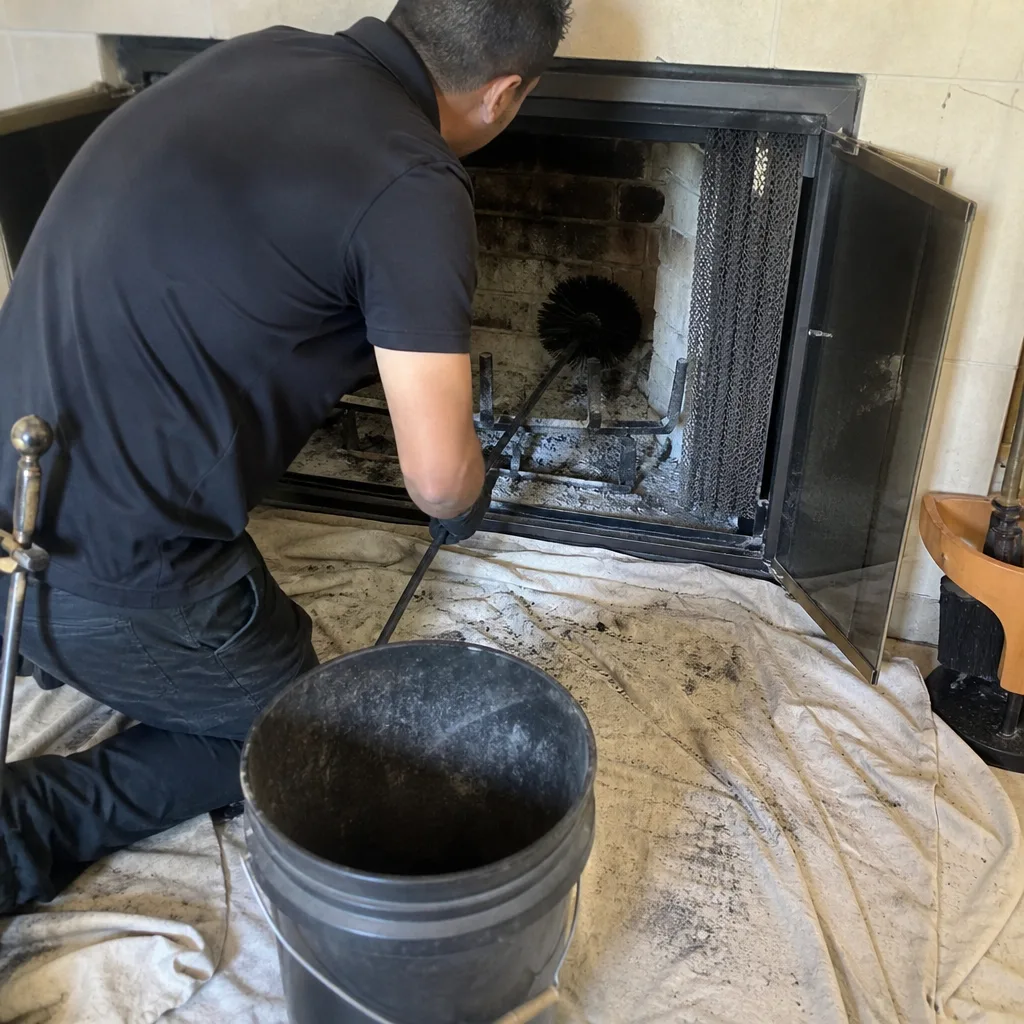
Level 1 sweep and inspection to the NFPA 211 annual standard - flue, crown, cap, and flashing checked and photographed
Chimney sweep logs do not sweep chimneys. They loosen some creosote - which then falls where a brush and vacuum still have to collect it.
Chimney Sweep Maintenance Checklist for Hialeah Homeowners
A chimney cap in Hialeah fails for reasons that have nothing to do with the ones you’ll read about in most maintenance guides. Nobody here is fighting freeze-thaw cycles or ice dams. What actually wears a chimney down in this city is long dormancy, afternoon thunderstorms that push water into places it doesn’t drain from, and pests that treat an unused flue as real estate. A generic checklist written for cold climates will miss all three. This guide walks the system from the firebox floor to the cap, component by component, so you know what to look at yourself, what to photograph, and what to leave to a trained technician.
Styles & brands we work with
- Sweep & inspection
- Caps & crowns
- Flue relining
- Masonry repair
- Gas fireplace service
Quick Answer
A chimney maintenance checklist for Hialeah should cover six components in order: firebox, damper, smoke shelf, flue liner, crown, and cap. Check each one visually before burning season, photograph anything suspicious, and book a professional sweep once a year for wood-burning systems or once a year with an annual inspection for gas logs. In Hialeah’s mild climate the biggest avoidable problems are water intrusion and pest nesting during the long off-season, not creosote from heavy winter burning.
Table of Contents
- Why a Hialeah Chimney Ages Differently
- The Six Components, From Firebox to Cap
- Firebox and Damper: What You Can See Yourself
- Smoke Shelf and Flue Liner: Where Problems Hide
- Crown and Cap: The Two Parts That Protect Everything Else
- Reading Humidity Damage: Efflorescence, Spalling, and Rust Stains
- The Pre-Season Checklist for Hialeah’s Short Burning Season
- Gas Logs vs. Wood: Different Systems, Different Intervals
- What to Photograph Before Your Appointment
- Common Mistakes to Avoid
- When to Call a Professional
- Frequently Asked Questions
- The Bottom Line
Why a Hialeah Chimney Ages Differently
Most chimney maintenance advice is written for places with hard winters. In those markets the enemy is thermal stress: masonry expands and contracts dozens of times a season, water gets into hairline cracks and freezes, and the freeze splits the brick from the inside out. Hialeah doesn’t work that way. Our winters are mild, the burning season is short, and the real damage comes from water arriving in liquid form and staying put.
Afternoon thunderstorms in the summer push rain against the top of the chimney for months. Masonry is porous. Water that soaks into brick and mortar has to evaporate back out, and in a humid climate with a capped flue it evaporates slowly. That slow drying is what produces the damage this guide spends most of its time on: white mineral bloom on the outside, mortar that goes soft and sandy, rust stains on the inside of the firebox.
The second factor is dormancy. A fireplace in Hialeah might see thirty fires a year, all between October and February, and then sit unused for eight months. An empty flue with a warm roof above it is exactly where birds, squirrels, and insects look for shelter. A cap with a corroded or torn screen stops keeping them out, and a nest that spends the summer in your flue is a blockage by the time you want to light the first fire.
None of this means a Hialeah chimney needs less attention than one in a cold climate. It needs different attention. You’re watching for moisture and intrusion, not frost damage. The component-by-component walkthrough below is built around that reality. When a professional visit makes sense, our Chimney Sweep Hialeah page covers what a sweep involves and how a visit is arranged.
The Six Components, From Firebox to Cap
A chimney is a system, and the components fail in a rough order from the bottom up. Creosote and ash collect in the firebox and smoke chamber. Water enters at the top and works downward. Knowing the sequence helps you understand why a technician spends time at the roof and not only at the hearth.
Here is the checklist in order. You can inspect several of these points yourself with a flashlight and no tools. Others are the technician’s job because they sit above the roofline or inside the flue.
- Firebox – the brick or refractory chamber where the fire sits. Homeowner-visible.
- Damper – the metal plate above the fire that opens and closes the flue. Homeowner-visible.
- Smoke shelf and smoke chamber – the ledge and tapered space behind the damper where smoke turns upward. Partly visible from the hearth, fully visible only with a camera.
- Flue liner – the clay tile or metal pipe that carries exhaust through the chimney. Not homeowner-visible beyond a short distance.
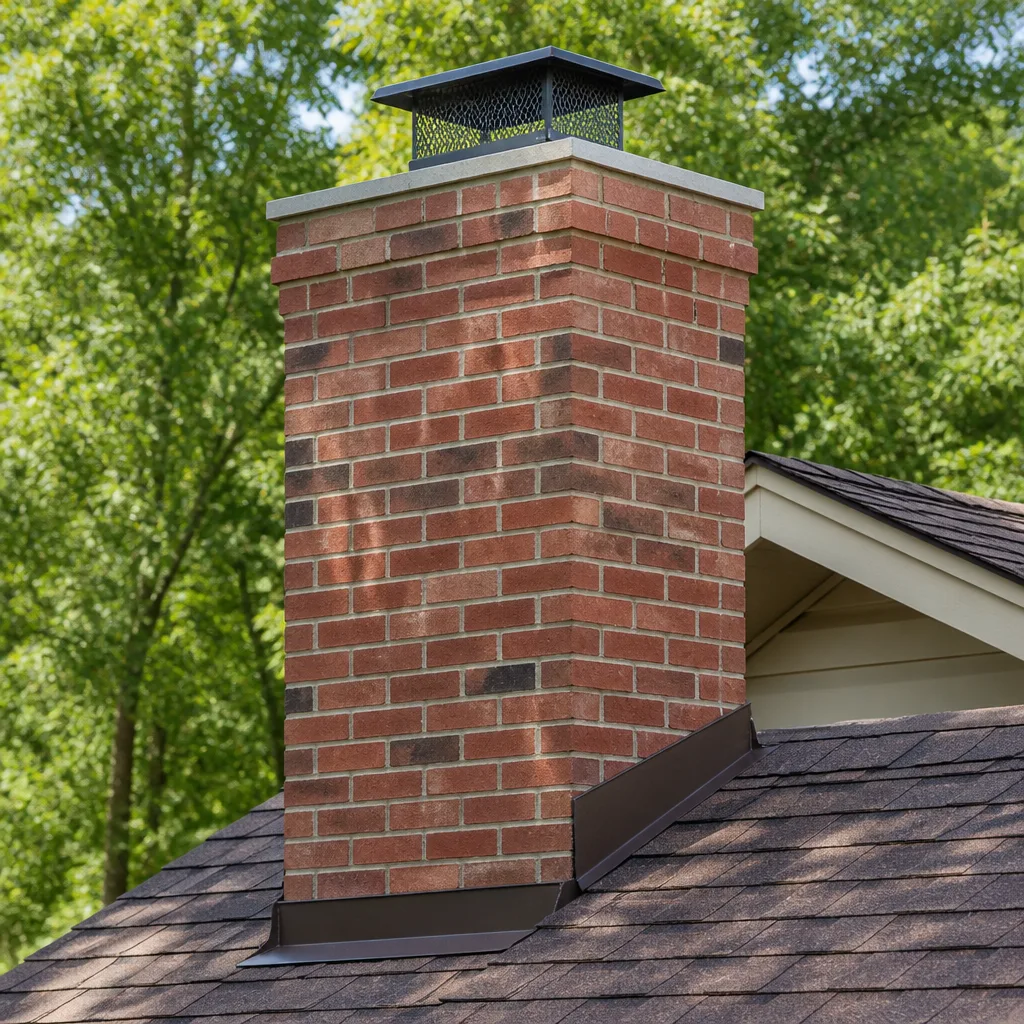
- Crown – the concrete cap at the top of the masonry that sheds water away from the flue. Visible from the ground with binoculars, safely inspected only on the roof.
- Chimney cap – the metal hood and spark screen that keep rain, animals, and debris out. Visible from the ground, inspected and serviced on the roof.
We’ve seen enough Hialeah chimneys to know that the parts homeowners can see are usually the ones in the best condition. The firebox gets wiped down. The cap gets noticed when a bird is sitting on it. It’s the smoke shelf, the flue liner, and the crown that quietly deteriorate for years.
Firebox and Damper: What You Can See Yourself
The firebox and damper are the two points on this checklist you can inspect safely without any equipment beyond a flashlight. Do it before the first fire of the season, not after.
Firebox checks
- Look at the brick joints. Hairline cracks in the firebrick are normal. Cracks wider than a coin, or brick that crumbles when you touch it, are not.
- Check for rust-colored staining on the brick or the metal fire grate. Rust indoors means moisture is reaching the firebox, usually from above.
- Look for white, powdery bloom on the firebox walls. That’s efflorescence, and it’s covered in its own section below.
- Clear ash from the floor of the firebox, but leave a thin bed of ash if you burn wood regularly. It helps insulate the base.
- Look up. If you can see daylight at the damper, the chimney is open to the sky when the damper is shut, which means water has a path.
Damper checks
- Open and close the damper fully. It should move through its range without sticking or grinding.
- Look at the damper plate for warping or a visible gap when closed. A damper that won’t seal lets heated room air escape up the flue all summer.
- Check that the damper opens flat and wide. A partially stuck damper is a smoke problem waiting for the first cold night.
- Look at the frame where the damper meets masonry. Rust here again points to water coming down the flue.
These are viewing checks, not repairs. Never reach into a firebox to adjust brick or remove a damper yourself. Refractory panels and damper assemblies are heavy, and a loosened panel can fall. Note what you see and show a technician.
Smoke Shelf and Flue Liner: Where Problems Hide
The smoke shelf is a horizontal ledge just above and behind the damper. Its job is to catch the downdraft of cold air coming down the flue and deflect it back up so it doesn’t spill smoke into the room. It is also, in Hialeah, where soot and debris settle and stay. You can see a sliver of it from the hearth with a bright light angled up. You can’t judge its condition from there, and you can’t clean it from there either.
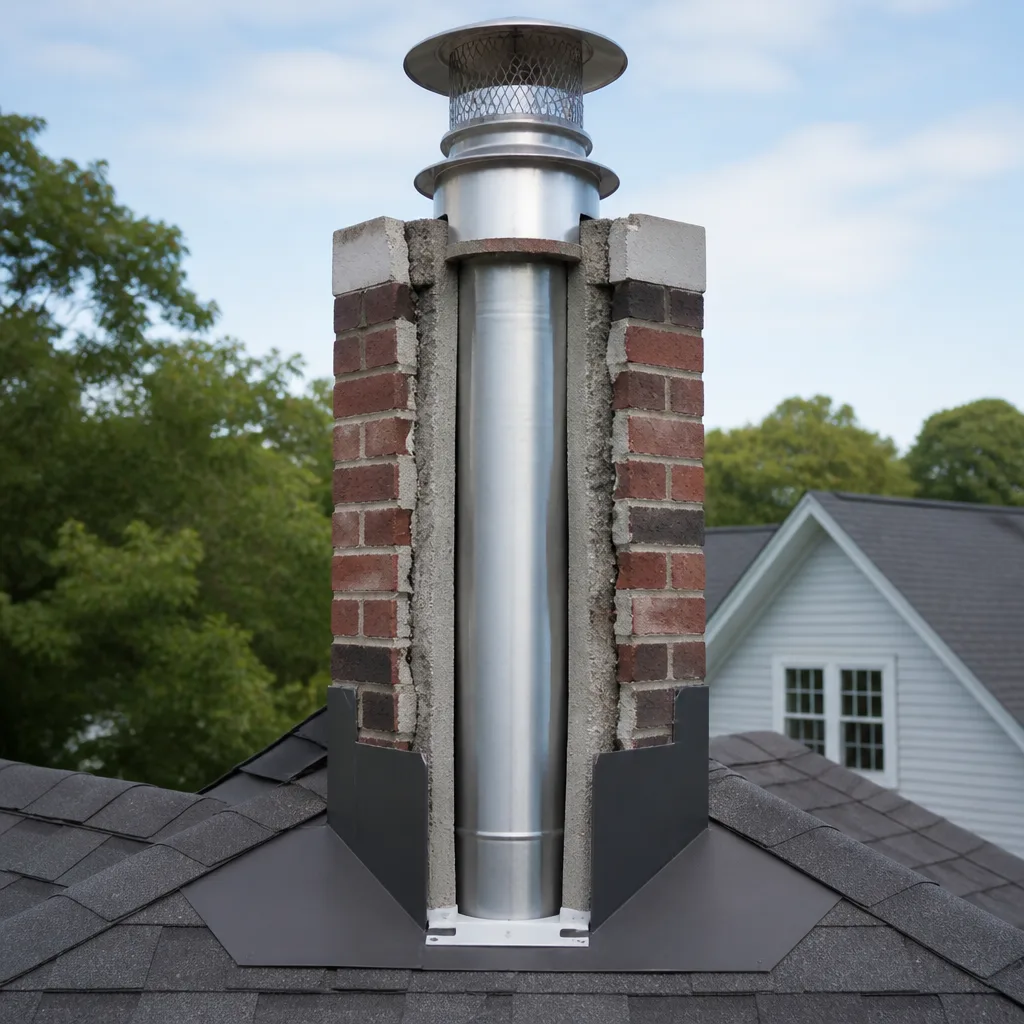
The flue liner is the part of the system that decides whether the chimney is safe to use. It’s a clay tile stack or a metal liner inside the masonry, and it separates hot exhaust from the wood framing of the house. From the hearth, a flashlight only shows you the first few feet. Everything past that needs a camera.
What a camera inspection finds in Hialeah chimneys, in our experience:
- Missing or cracked mortar joints between clay tiles, which let exhaust gases reach the masonry.
- Spalled tile faces, where a piece of the clay has flaked off and left an irregular surface that catches creosote.
- Pest nests, dried leaves, and dead insects blocking the flue.
- Water staining and rust on metal liners, particularly at joints.
- Gaps where an older appliance connection was removed and never properly sealed.
This is why the visit includes a camera. A sweep that cleans blindly and hands you no images is asking you to trust that nothing was missed. We include a camera inspection and photo report on every job so you can see the flue yourself before anyone recommends work. Where the liner has degraded but isn’t structurally failed, HeatShield resurfacing can rehabilitate the existing flue instead of a full replacement. Where a new liner is genuinely needed, DuraFlex flexible liner systems allow a proper fit in older flues that aren’t straight or uniform. Talk to us about chimney sweep appointments and we’ll tell you which situation yours looks like.
Crown and Cap: The Two Parts That Protect Everything Else
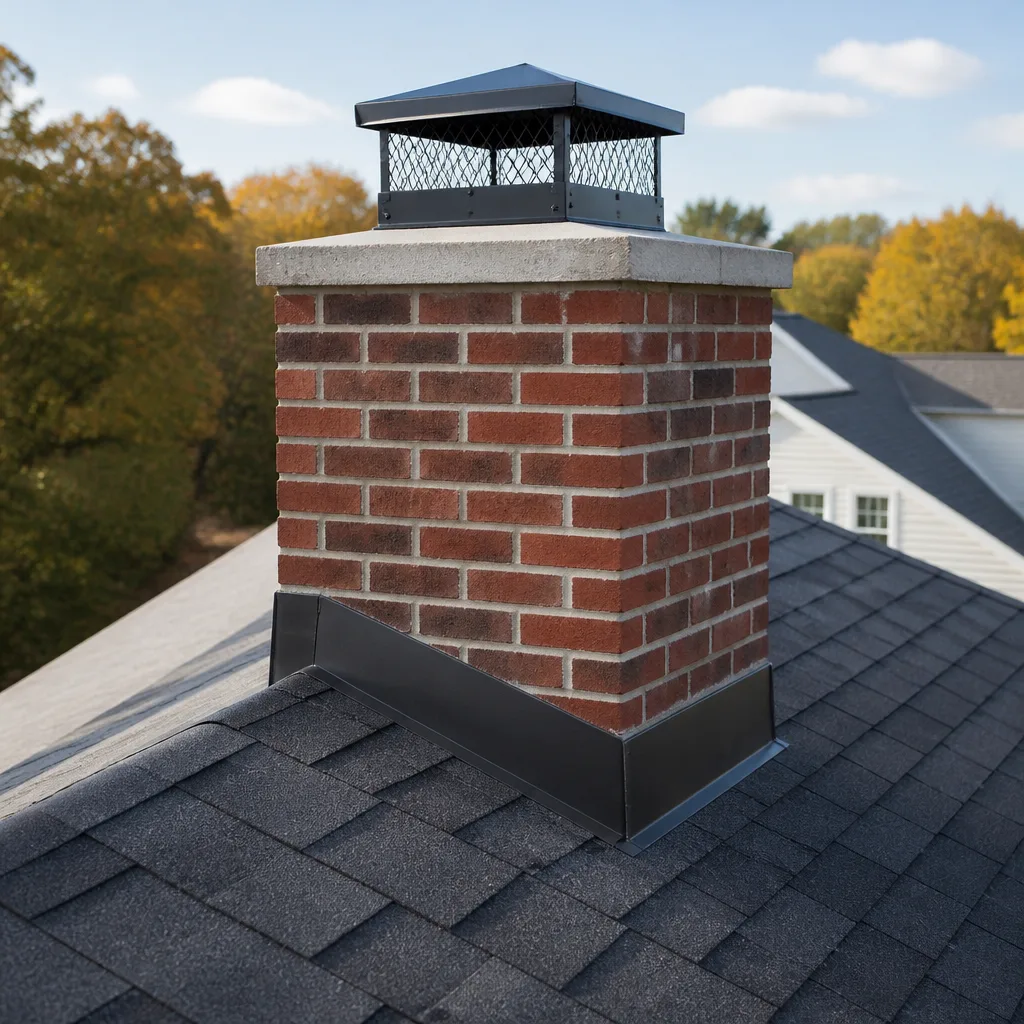
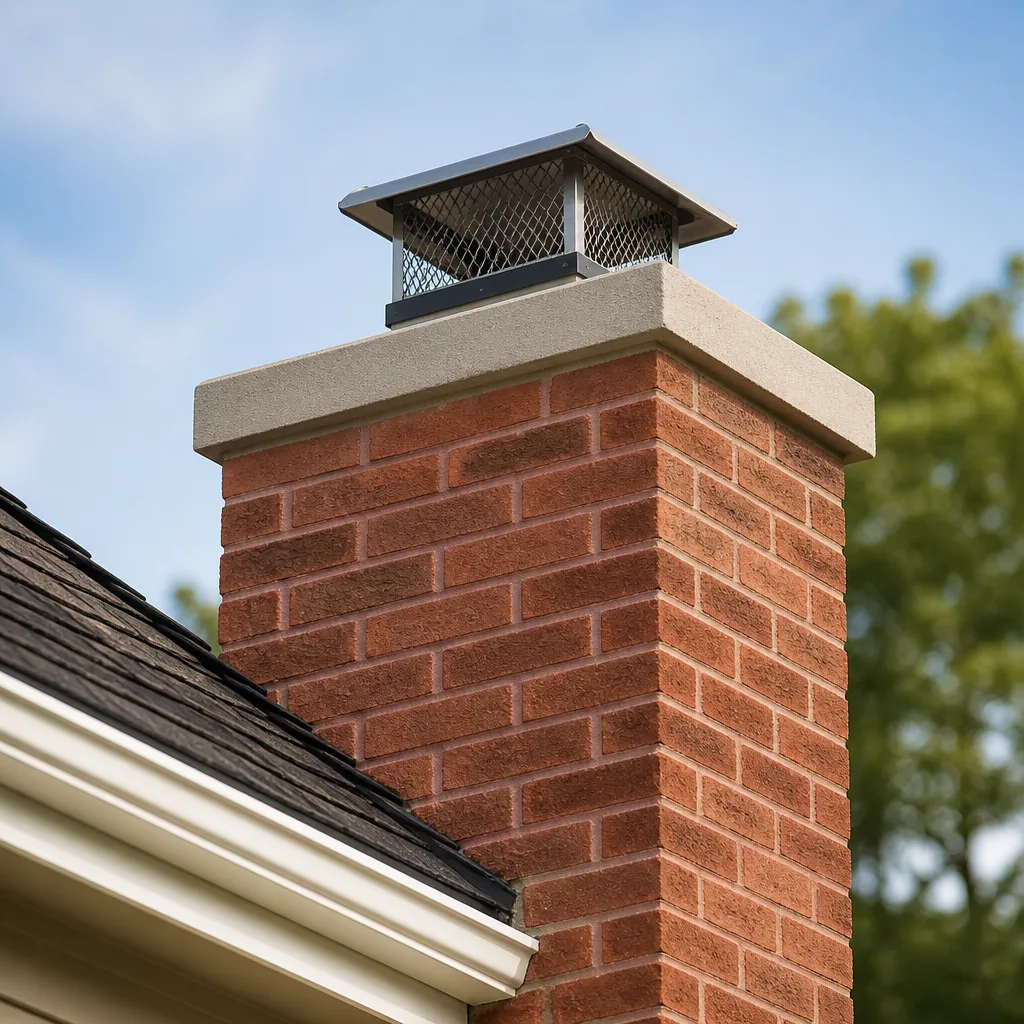
The crown is the concrete slab at the very top of the masonry. It slopes so rain runs off the chimney rather than into the flue. The cap is the metal hood above it, with a spark screen around the sides. Together they are the first line of defense, and in Hialeah’s rainy summers they take the most abuse.
What a failing crown looks like
- Visible cracks, especially where the crown meets the flue tile.
- Pieces of concrete missing from the edge.
- A crown that has pulled away from the flue tile, leaving a gap.
- Moss or dark algae growth on the crown, which holds moisture against the concrete.
- A crown that appears flat rather than sloped when viewed from the ground.
A cracked crown isn’t cosmetic. Every rainstorm sends water through those cracks into the masonry below, and that water is what drives the spalling and efflorescence described later in this guide. Crown repair is one of the highest-value maintenance items on a Hialeah chimney because it stops a slow problem at the source.
What a failing cap looks like
- Rust streaks or holes in the metal hood.
- A torn, sagging, or missing spark screen.
- Visible gaps between the cap and the flue tile.
- A cap that’s loose and moves in the wind.
- Bird activity around the chimney, which usually means the screen is compromised.
Both of these are roof-level items. Get on a ladder and onto a roof to inspect them and you’ve turned a maintenance item into a fall hazard, and the statistics on falls from height are not friendly. Look from the ground with binoculars, photograph what you can see, and leave the roof to a technician. When a cap or crown component needs replacing, we specify brands that are built for the job – Olympia Chimney and Copperfield both make termination and crown products that hold up in a humid climate far better than a hardware-store cap.
Reading Humidity Damage: Efflorescence, Spalling, and Rust Stains
Three visible signals tell you water is moving through a Hialeah chimney in the wrong direction. Each looks different and each means something slightly different. Learning to read them lets you describe the problem accurately when you book a visit.
Efflorescence
Efflorescence is the white, chalky bloom you sometimes see on brick or mortar. It’s salt drawn to the surface as water evaporates out of the masonry, and it means the brick has been wet and is drying. A small patch that brushes off easily is a sign to check the crown and cap. A large area that keeps returning means water has a steady path in. Efflorescence itself doesn’t damage the brick, but the moisture that causes it does.
Spalling
Spalling is when the face of the brick flakes off or the mortar goes soft and sandy. This is the step after efflorescence. The masonry has been wet and drying out repeatedly, the surface has weakened, and pieces are coming loose. Spalling mortar joints let more water in, which accelerates the problem. On a Hialeah chimney this is usually the result of a crown or flashing problem that has gone unaddressed for years.
Rust staining
Rust stains on the inside of the firebox, on the damper, or on a metal liner are the indoor version of the same story. Metal only rusts where it stays wet. If the firebox grate is rusting through, water is coming down the flue – usually past a failed cap or an open top. When you check the firebox before the season starts, take a photo of any rust you find.
What makes these three indicators useful is that they’re visible to you, not just to a technician. You don’t need to know how to fix them. You need to notice them, date the photo, and call. In our experience the homes that get years of extra service from their chimney are the ones where someone noticed the first white patch before it turned into a spalled mortar joint.
The Pre-Season Checklist for Hialeah’s Short Burning Season
Hialeah’s burning season runs roughly October through February. That’s the four-month window when most fireplaces in the city actually get used, and it’s what makes a pre-season checklist worth the effort. Run through this list in September, before the first cool evening, so any issue you find can be dealt with before you want a fire.
- Clear the firebox. Remove last season’s ash and any debris that has blown in over the summer. Look at the brick joints and the grate for cracks and rust as you do.
- Test the damper. Open and close it several times. If it sticks, note it. If it won’t close fully, the flue is open to the sky all summer.
- Look up the flue. With the damper open and a bright light aimed up, check for daylight, visible nesting material, or a broken tile edge you can see.
- Inspect the chimney exterior from the ground. Binoculars help. Look at the crown, the cap, and the masonry for cracks, missing pieces, efflorescence, and rust on the cap.
- Check the smoke chamber. Open the damper, shine a light on the smoke shelf, and look for heavy soot buildup or debris.
- Look for water in the firebox. Any stain, any rust, any dampness after a rainstorm is worth a photo.
- Confirm you have a functioning carbon monoxide alarm on every floor. This is not a chimney-specific item, but it belongs on any pre-season list for a home with a fireplace or a gas appliance.
- Check the dryer vent. Hialeah’s homes often route the dryer vent a long distance to an exterior wall. Lint accumulates and restricts airflow. A dryer that takes noticeably longer to dry clothes is a sign to have it cleaned.
- Book the professional sweep. If you burn wood, an annual sweep is the baseline. Schedule it before the first fire, not after.
One point about safety on this list. Steps 1 through 4 and 6 are visual checks you can do from the hearth and the ground. They are not instructions to climb, to open the flue from above, to remove panels, or to clear a blockage through the firebox. A blocked flue full of combustible material, a cracked liner, or a loose refractory panel are all things that can hurt you. Notice them, photograph them, and hand the work to a technician.
Book the visit early in September if you can. If you’re scheduling a dryer vent cleaning visit at the same time, we can handle both fire-hazard systems in one appointment rather than asking you to arrange two.
Gas Logs vs. Wood: Different Systems, Different Intervals
A gas log set and a wood-burning fireplace need different maintenance intervals because they produce different byproducts. Treating them the same is one of the more common mistakes we see.
Wood-burning fireplaces
Wood produces creosote, and creosote accumulates in the flue at a rate that depends on how you burn, not just how often. Slow smoldering fires with unseasoned wood produce more than hot fires with dry wood. The industry standard for a wood-burning fireplace in regular use is a professional sweep once a year, with an inspection of the liner, smoke chamber, crown, and cap at the same visit. If you burn heavily or use the fireplace as a primary heat source, the interval can be shorter.
Gas log and gas appliance systems
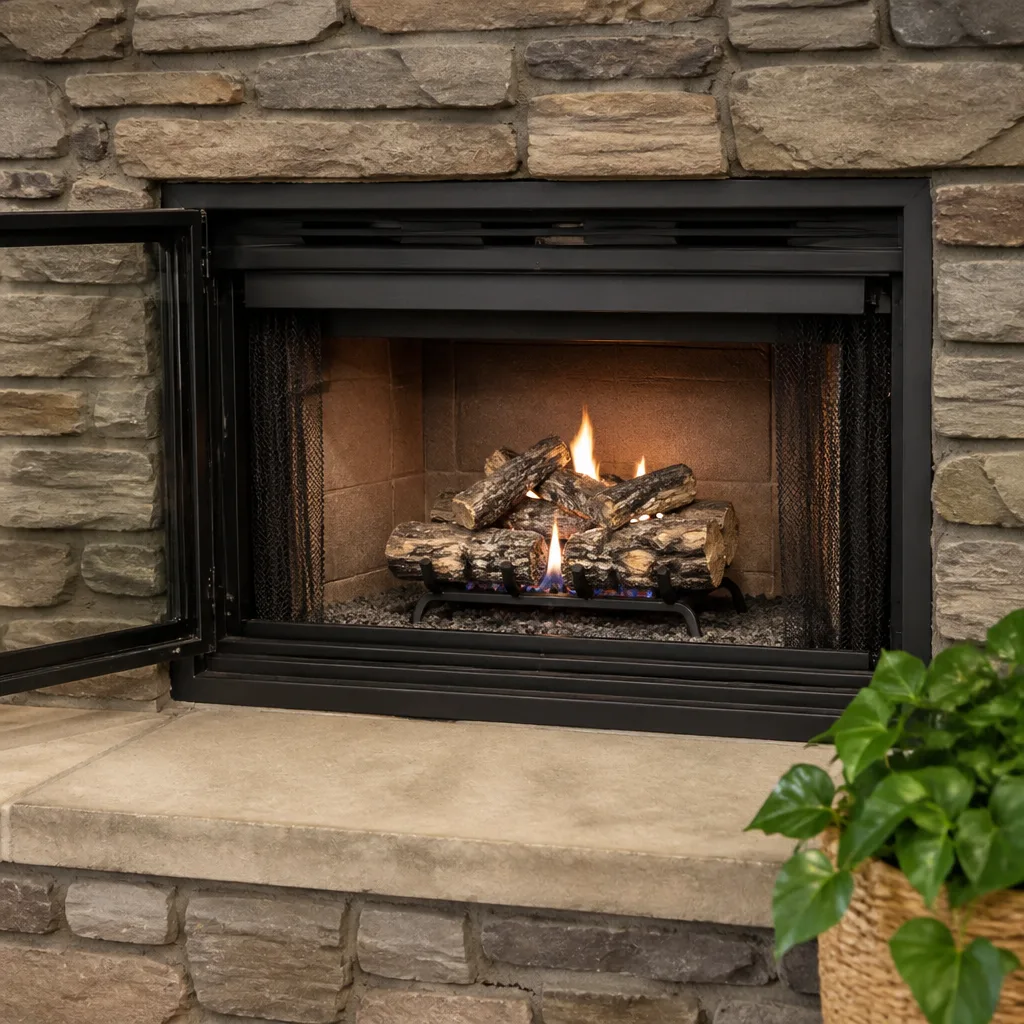
Gas logs don’t produce creosote the way wood does, but they produce water vapor and can produce soot if the burner isn’t adjusted properly. The flue is also an attractive place for pests and a path for moisture. A yearly inspection is still the baseline, with a sweep when the inspection shows it’s needed. Vent-free gas logs aren’t vented through the chimney at all, but the appliance still needs service, and the unused flue above it still needs an annual visual check and a working cap.
What stays the same
- Both systems need a cap that seals out rain, animals, and debris.
- Both systems need a crown that sheds water away from the flue.
- Both systems need a camera inspection of the flue liner at some interval, even if the flue isn’t being swept.
- Both systems should be on the same pre-season checklist in Hialeah, because both are dormant for the same eight months.
For gas systems specifically, the parts that matter are the ones the technician can’t improve – the termination, the cap, and the venting hardware. We source Famco venting components for gas and dryer applications because the factory-made termination and hood hardware is what keeps backdraft and warranty problems out of the picture. Ask us for the recommended interval on your specific system and we’ll tell you when it was last serviced, based on what your chimney actually shows in the inspection.
What to Photograph Before Your Appointment
A few photos taken from the hearth and the ground before your appointment make the service visit more efficient. They also give you a before-and-after reference you can compare to the inspection report. You don’t need special equipment. A phone with the flash on is enough.
- The firebox, straight on and with the flash on. Capture the whole thing, floor to top, so cracks and rust stains show.
- Any crack or missing brick in the firebox, close up. Include something for scale if you can, like a coin next to the crack.
- The damper, open and closed. Two photos, one of each position, showing the plate against the frame.
- The smoke shelf and the first section of flue, from the hearth, angled up with a light. This is the only part of the flue you can see, and a technician can tell from the photo whether to bring the camera.
- Any rust or water staining inside the firebox. Date the photo in your phone’s gallery if you can.
- The exterior of the chimney, from the ground, at the highest zoom your phone allows. Aim at the crown and the cap. This is the one place a homeowner’s photo is genuinely useful to the technician.
- The outside of the masonry where the chimney meets the roof. If you can see it from the ground, capture it. Any staining or efflorescence is worth recording.
When the technician arrives, show the photos and say what you noticed and when. That’s a more useful conversation than a general “something seems off.” The written estimate sets the final price, and the estimate itself is free. If you’d like to check what a maintenance visit covers and how Hialeah’s climate shapes the recommendation, the Hialeah page has the local service details.
Common Mistakes to Avoid
- Treating a broken cap as a cosmetic problem. A cap with a torn screen lets birds and squirrels nest in the flue over the summer. The blockage is only noticed when the fireplace is lit and smoke fills the room.
- Only checking the chimney in October. In Hialeah the damage happens during the wet summer, when the chimney is unused and no one is looking. Inspect in September and again in the spring.
- Assuming gas logs need no maintenance. Gas systems don’t produce creosote the way wood does, but the cap, crown, and flue still need an annual check. The flue is unused for eight months and a nest doesn’t care what fuel you burn.
- Climbing the roof to “just take a look.” A cracked crown photographed from the ground gives a technician everything needed to quote. A fall from a Hialeah roof is a serious injury, and a chimney maintenance item is not worth it.
- Skipping the camera inspection. A sweep that cleans the flue and hands you no images is asking you to trust that nothing was missed. Any recommendation for liner work should come with photos you can look at yourself.
- Letting efflorescence go unexamined. A white bloom that brushes off and doesn’t come back is a small thing. One that returns every rainy season is water moving through the masonry, and the cause is up top.
- Booking only the chimney and forgetting the dryer vent. Both are fire hazards and both run through the same house. A dryer vent that’s clogged with lint is every bit as much of a maintenance item as a creosote-loaded flue.
When to Call a Professional
You should call a professional chimney technician when you see any of the following: rust stains or water in the firebox, a damper that won’t seal, a cracked or missing crown, a damaged cap or screen, visible spalling or heavy efflorescence on the masonry, a flue you can’t see past the first section, a fireplace that smokes into the room, or a wood-burning system that hasn’t been swept in the last year.
You should also call if you’re not sure. The visit is worth it even when nothing is wrong – an annual inspection with a camera and a photo report is the baseline for any wood-burning or gas system in Hialeah, and it’s the reason so many small problems get caught before they become liner or masonry work.
Chimney Sweep Hialeah offers free estimates in Hialeah – call (855) 918-2061. The written estimate sets the price, and nothing is recommended without camera evidence you can look at yourself. If we find a problem that can safely wait, we’ll tell you that too.
Frequently Asked Questions
A wood-burning fireplace in Hialeah should be swept once a year, with the sweep scheduled before the burning season starts in October. Gas log systems need an annual inspection rather than a yearly sweep, with the sweep performed when the inspection shows buildup. Heavy use or unseasoned wood means a shorter interval. Call (855) 918-2061 for an exact quote – estimates are free.
Efflorescence is the white, powdery deposit that appears on brick and mortar when water moves through the masonry and evaporates at the surface. A small patch is a hint. Large or recurring areas mean water is entering the chimney steadily, and the likely source is the crown or the cap. It’s worth having inspected before the masonry softens. Call (855) 918-2061 for an exact quote – estimates are free.
You can and should check what’s visible from the hearth and the ground, and photograph anything you find. What you can’t see from there is the flue liner past the first few feet, the smoke chamber past the smoke shelf, the top of the cap, or the crown condition. Those need a camera and a technician on the roof. The homeowner check and the professional visit work together. Call (855) 918-2061 for an exact quote – estimates are free.
No. Gas logs produce water vapor and can produce soot if the burner is misadjusted, but they don’t produce creosote the way wood does. The flue still needs an annual inspection because it’s dormant in a humid climate and is a natural home for pests. The cap, crown, and venting hardware are the same maintenance items either way. Call (855) 918-2061 for an exact quote – estimates are free.
The crown and the cap. In a climate with wet summers, those two components decide whether water gets into the masonry. A crown that has lost its slope or cracked at the flue tile sends rain into the chimney on every storm, and the resulting damage is what shows up later as spalling mortar and rust inside the firebox. Call (855) 918-2061 for an exact quote – estimates are free.
Yes. A clogged dryer vent is a lint-fire hazard and a restriction on the appliance, and in Hialeah the long vent runs common in local housing make lint accumulation more likely. It’s the second fire-hazard system in the house and it’s easy to have cleaned during the same visit as a chimney sweep. Call (855) 918-2061 for an exact quote – estimates are free.
The Bottom Line
A chimney maintenance checklist for a Hialeah home is different from one written for a cold climate. Your enemy is water and dormancy, not frost. Work from the firebox to the cap: check the firebox brick and the damper yourself, photograph the smoke shelf and the visible flue, and get the crown and the cap inspected by a technician on the roof. Run the pre-season list in September so any issue is dealt with before the burning season opens. Keep gas logs and wood-burning systems on their own schedules, and don’t forget the dryer vent. The safest chimney is the one you’ve looked at, photographed, and had inspected.
Call Chimney Sweep Hialeah at (855) 918-2061 for a free estimate. We answer 24/7. Fast dispatch from 7am to 7pm, Sunday through Friday. Our technicians have up to 12 years of experience, and the visit includes a camera inspection and a photo report so you can see exactly what we see.
Written by the team at Chimney Sweep Hialeah.
See the difference
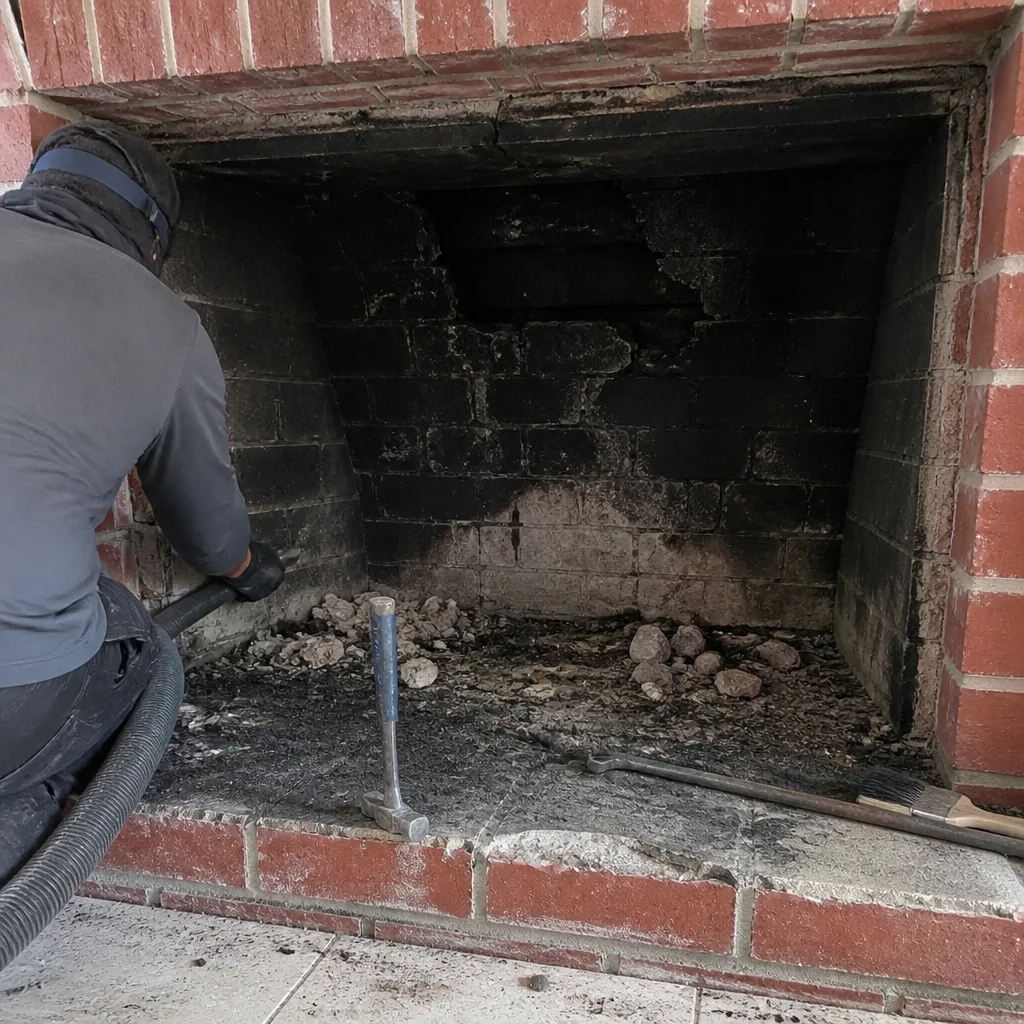 Before
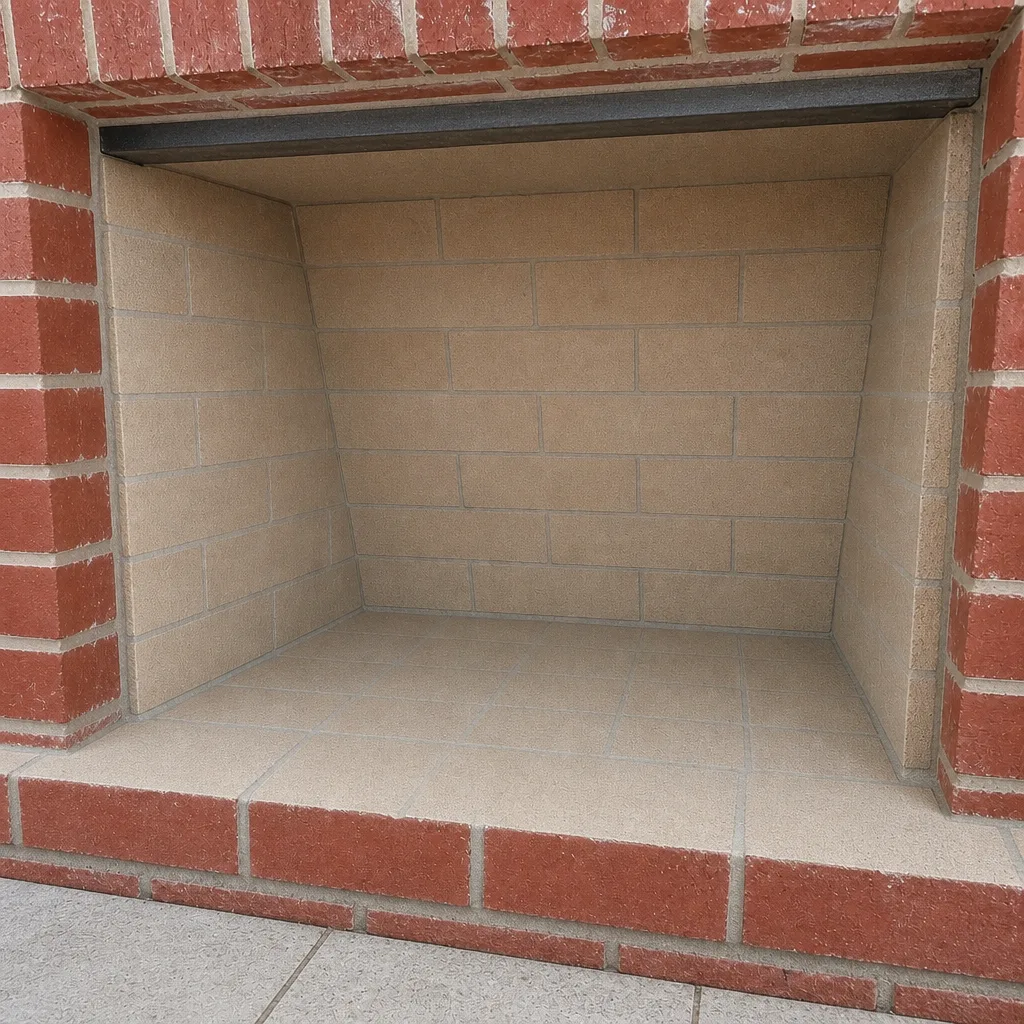 After
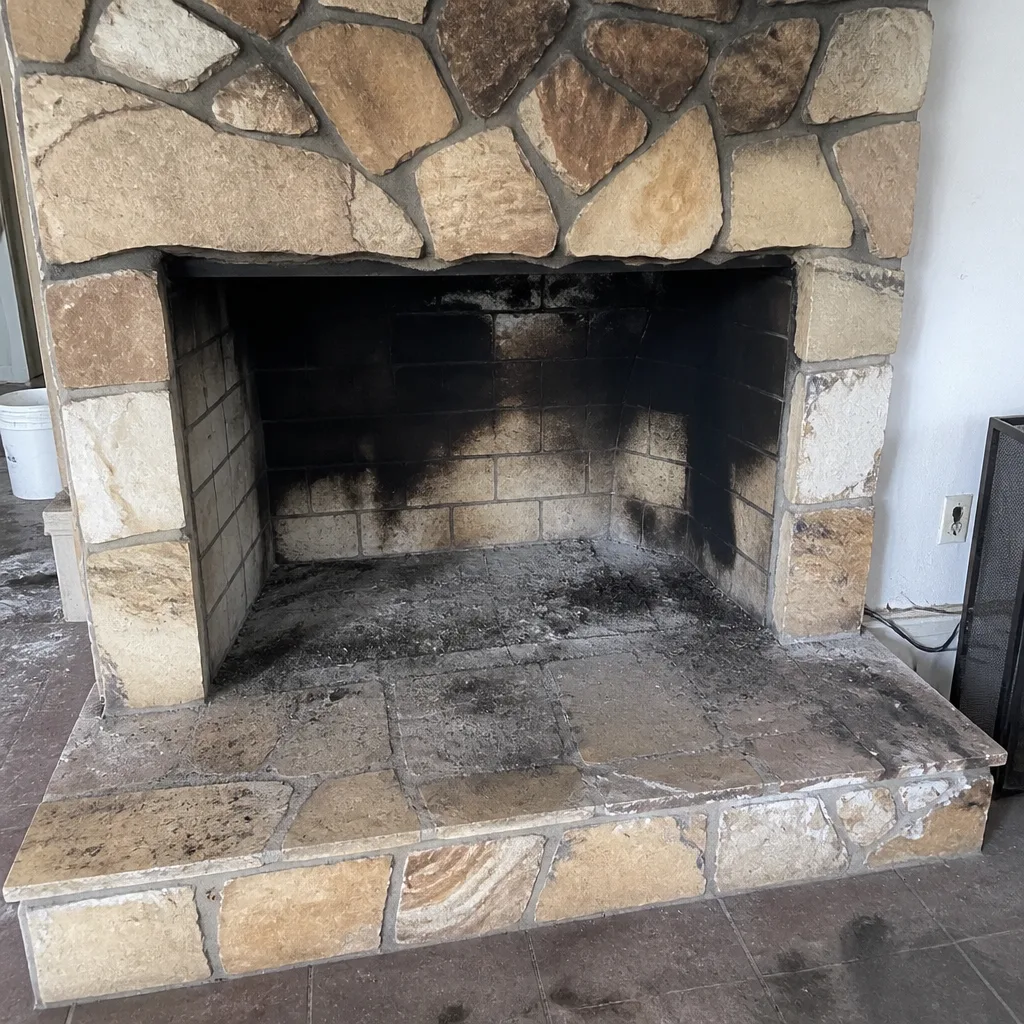 Before
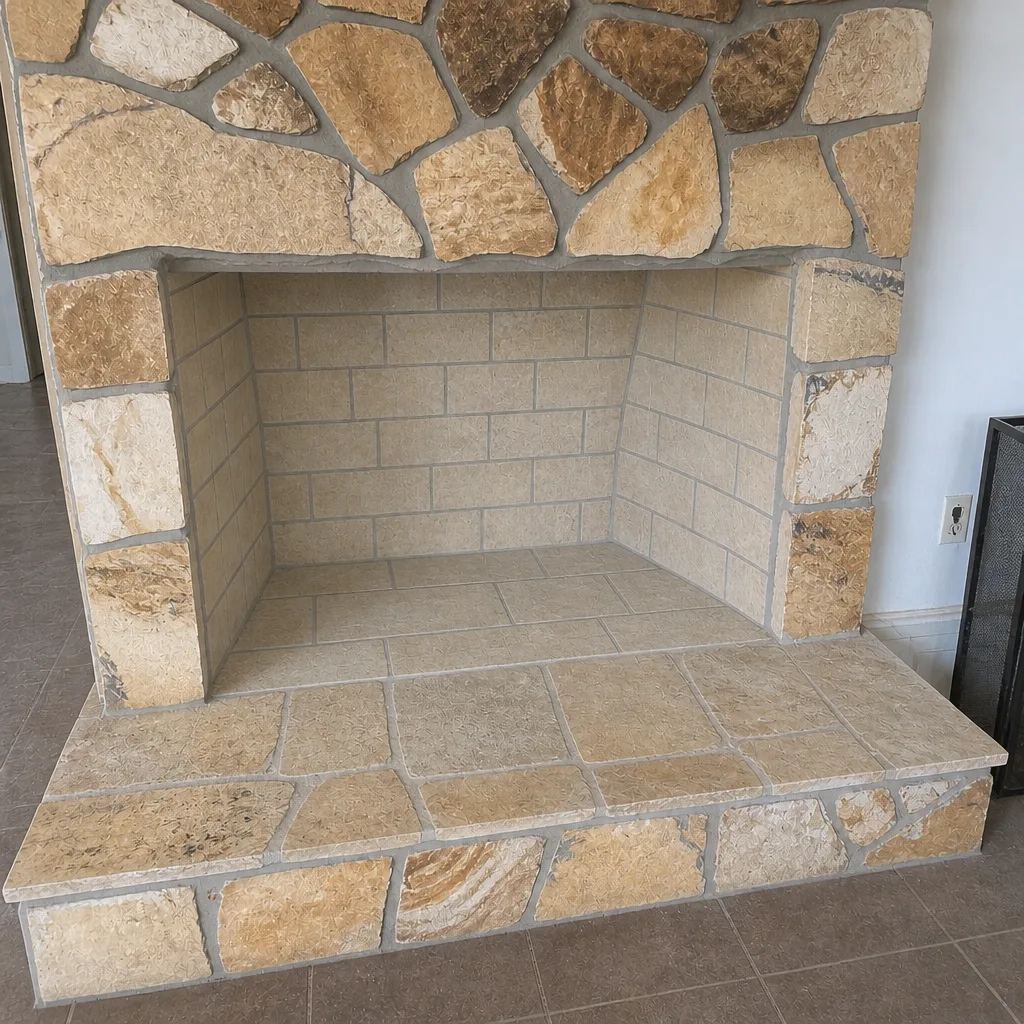 After
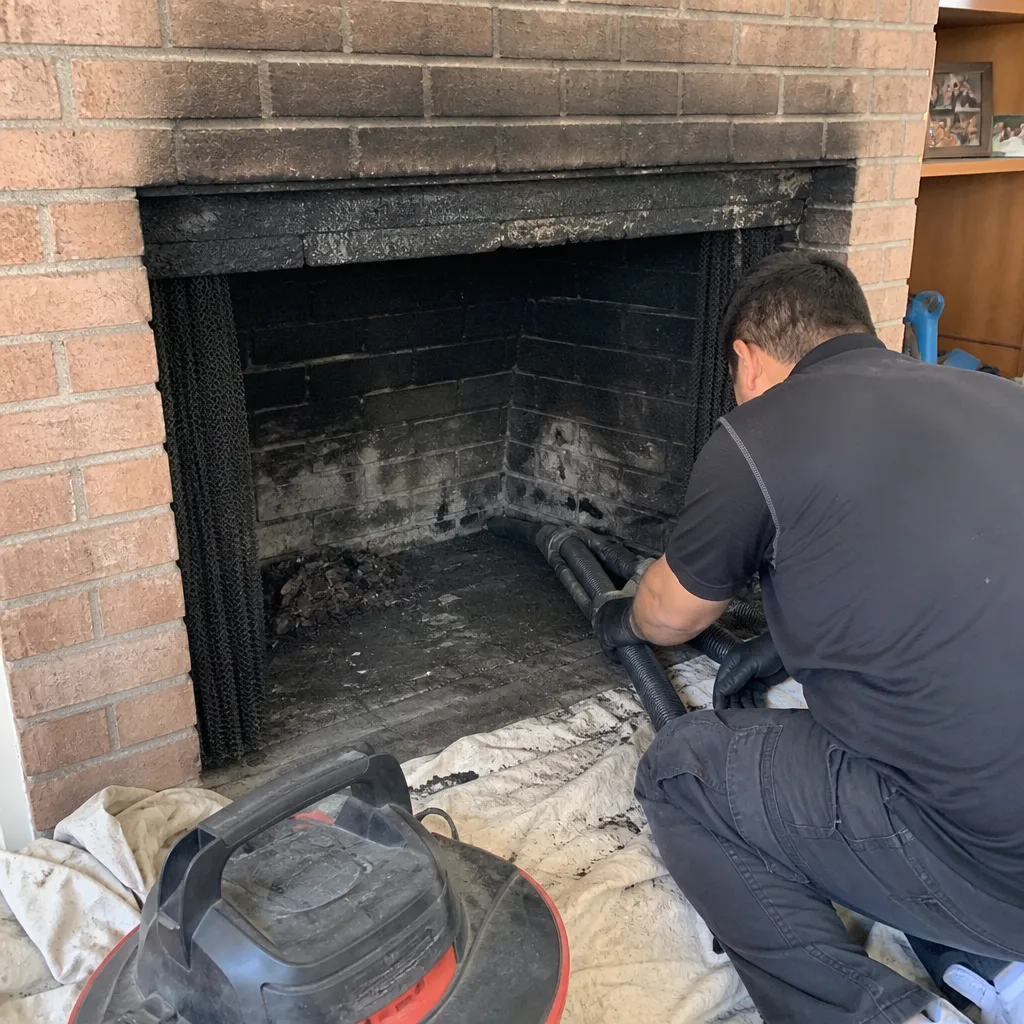 Before
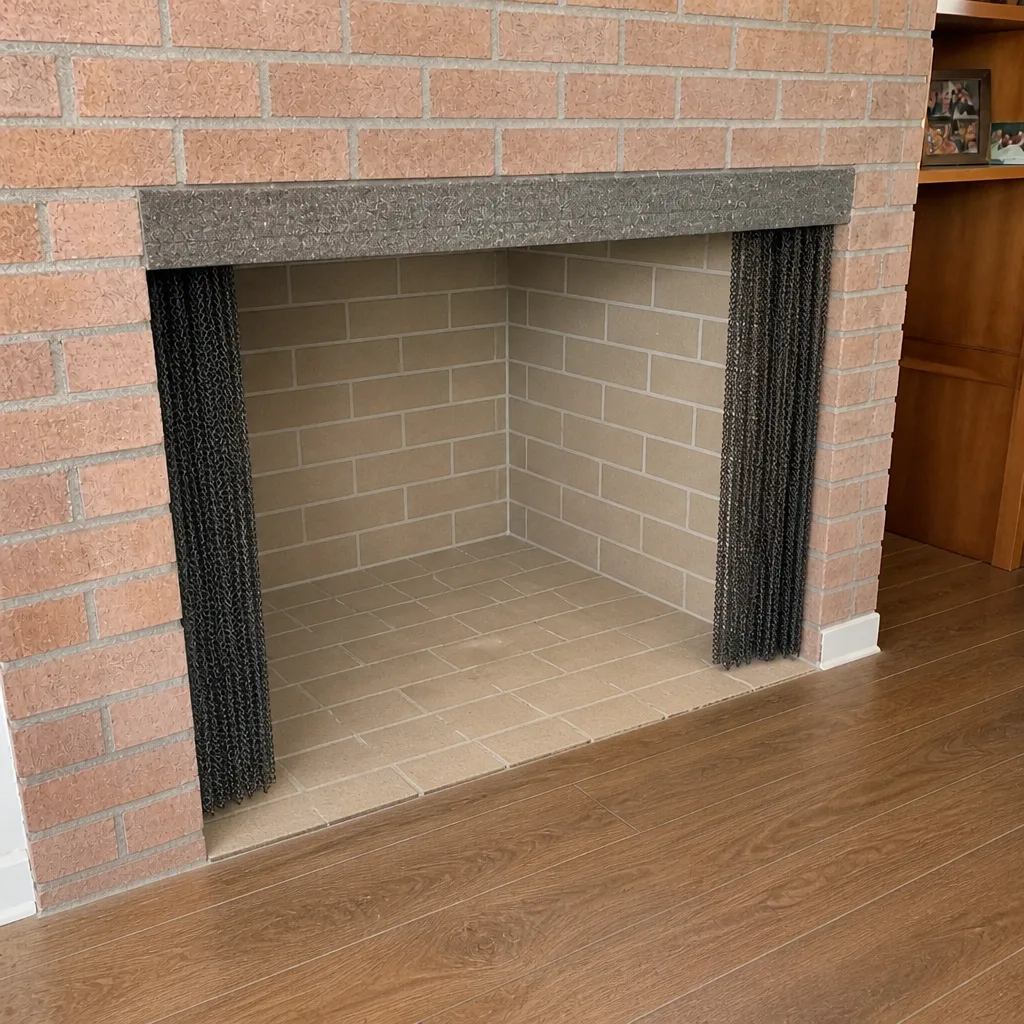 After