
Last updated November 14, 2026
 Sweep & inspection
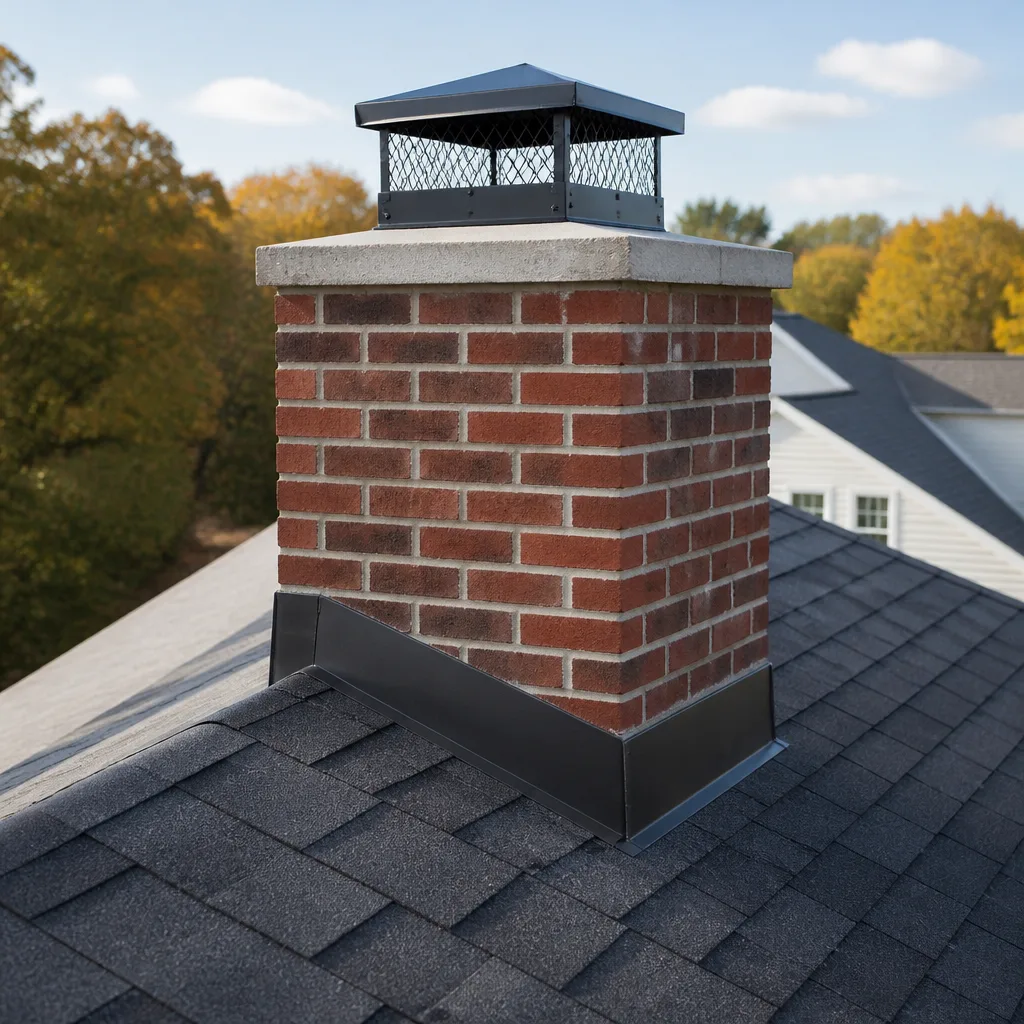
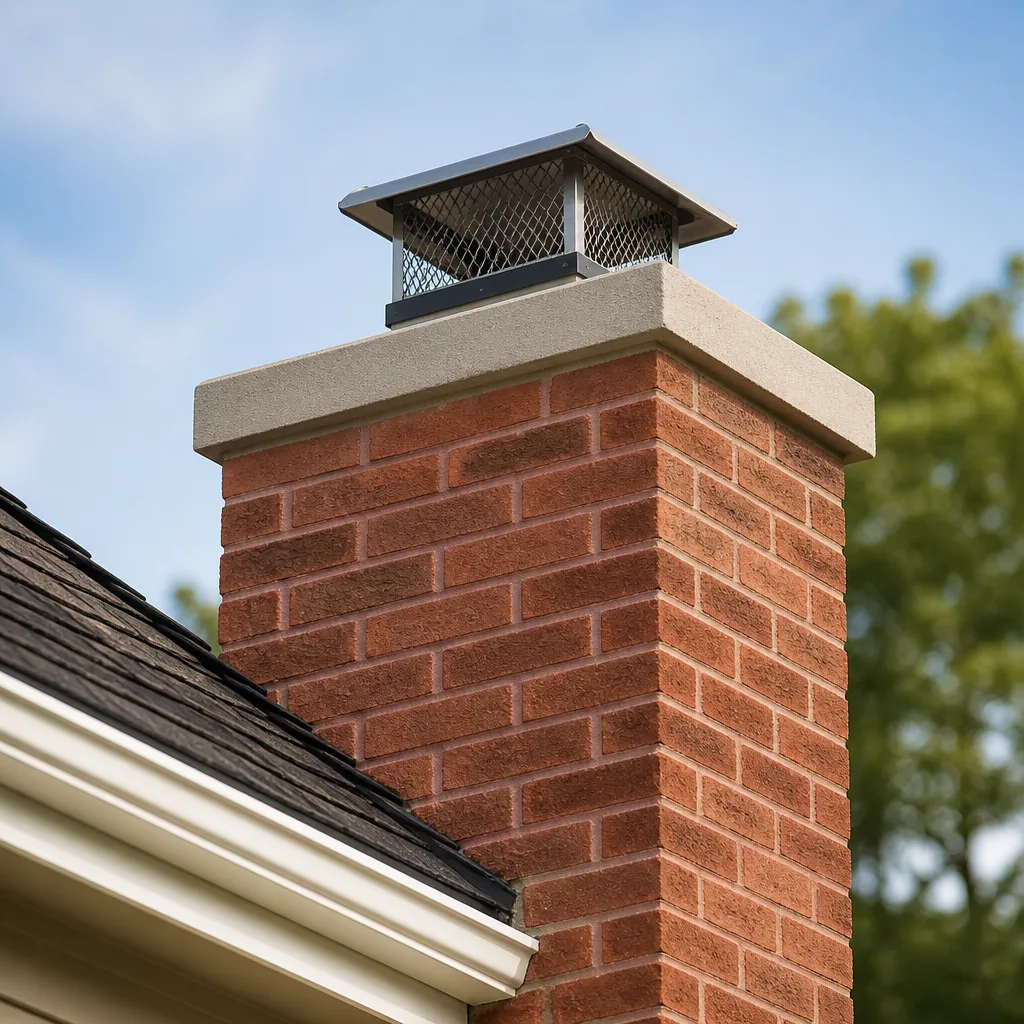 Caps & crowns
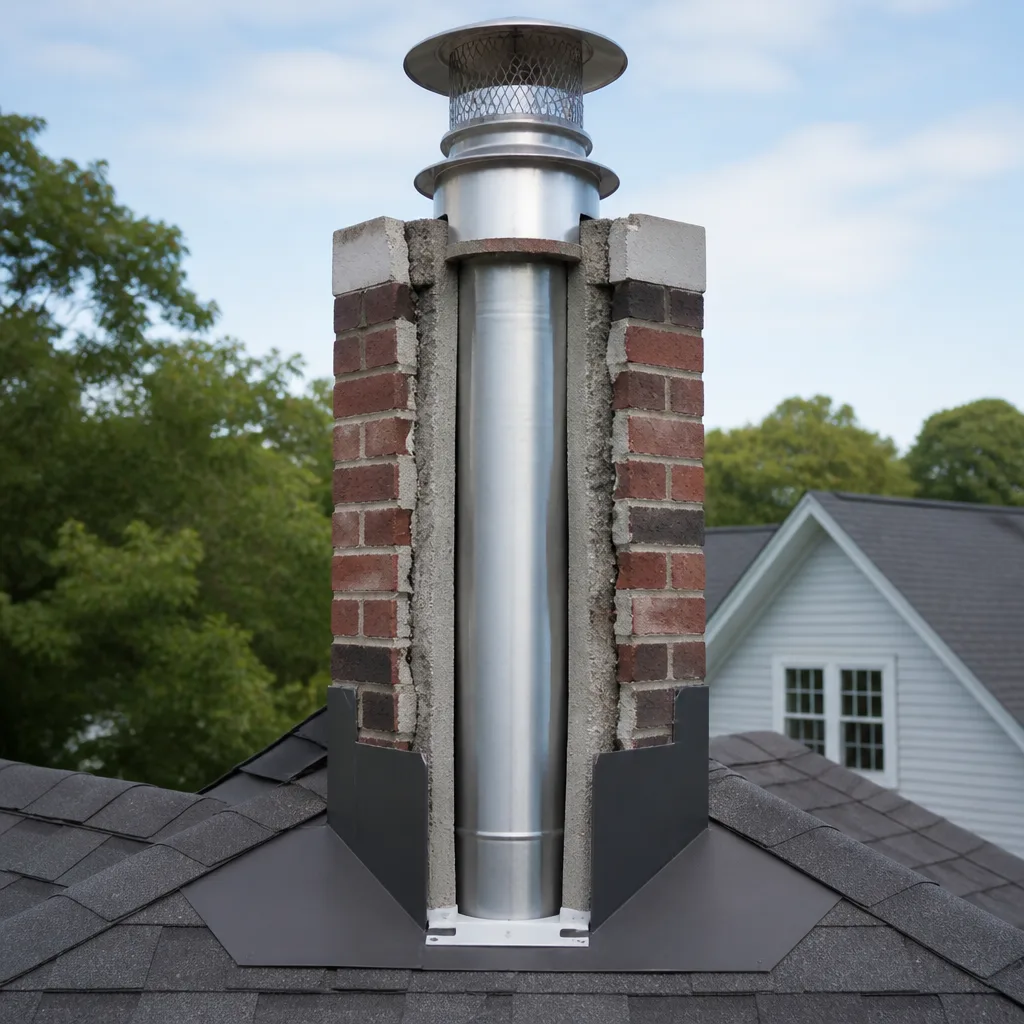 Flue relining
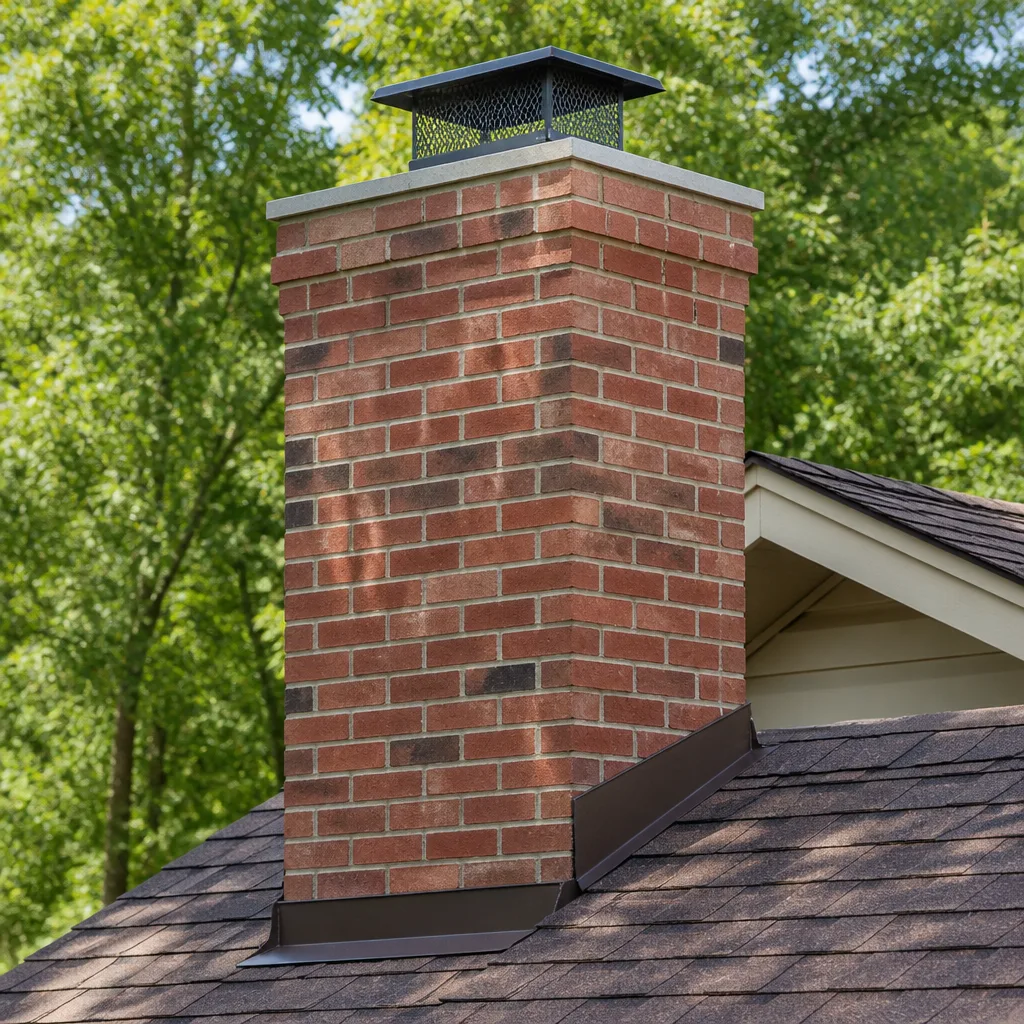 Masonry repair
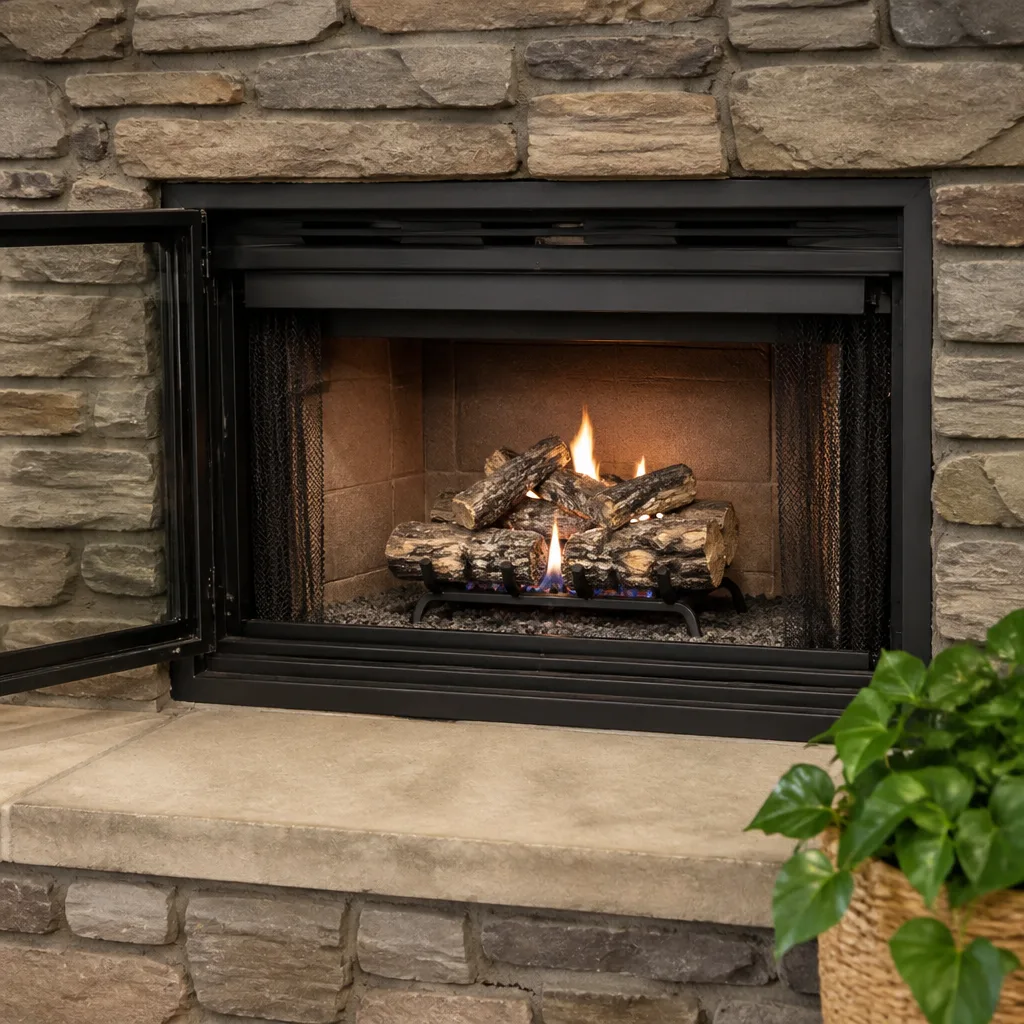 Gas fireplace service
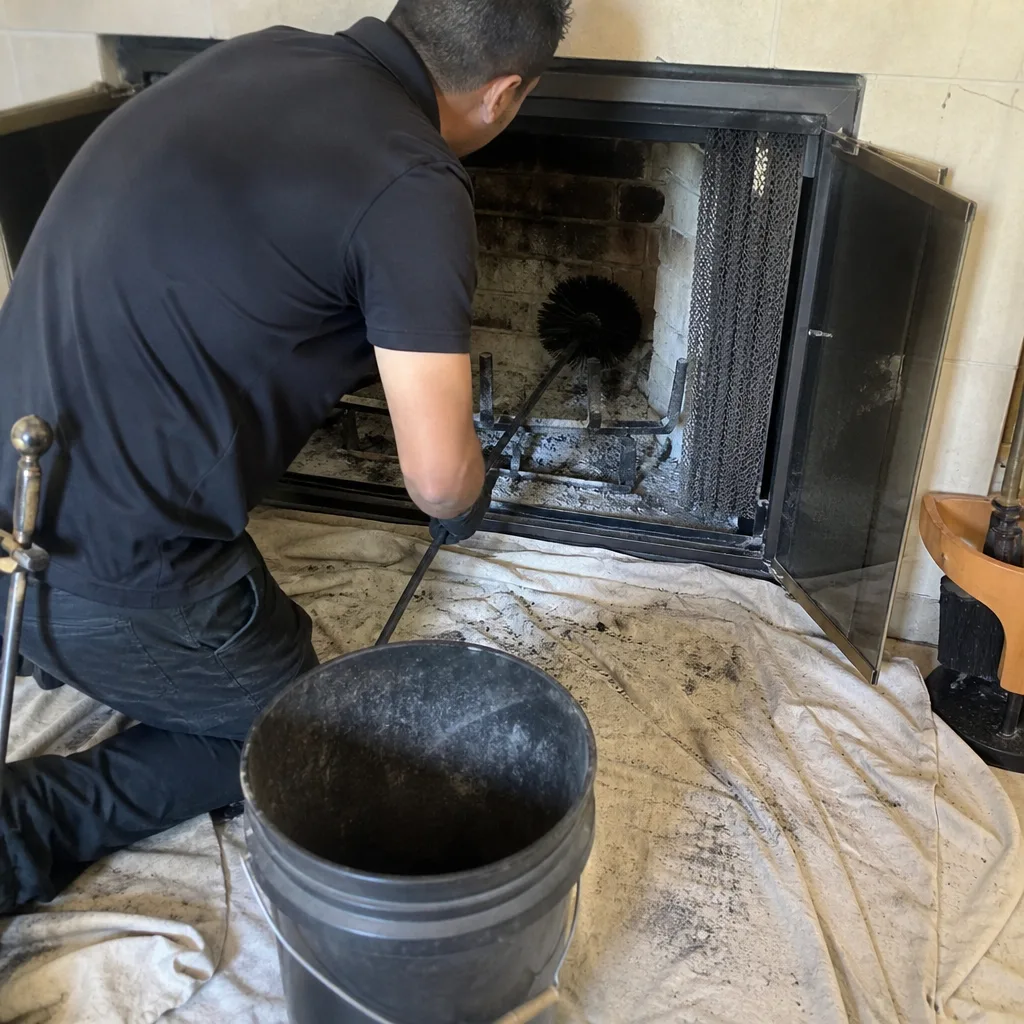
Level 1 sweep and inspection to the NFPA 211 annual standard - flue, crown, cap, and flashing checked and photographed
Chimney sweep logs do not sweep chimneys. They loosen some creosote - which then falls where a brush and vacuum still have to collect it.
Chimney Cleaning Warning Signs: A Hialeah Homeowner’s Reference Guide
If your chimney is sending dramatic signals like visible smoke rollback or a fireplace full of fallen mortar, the problem is already advanced. The more useful skill is reading the quiet indicators: a rust stain here, a draft change there, a smell that wasn’t there last season. Hialeah homes sit in a climate that hides those quiet signals well, because we don’t run our fireplaces hard enough for the dramatic failures to announce themselves. Gas fireplaces, decorative logs, and fireplaces used a few nights a year all fail differently than the wood-burning setups most chimney guides describe. This reference covers the warning signs that actually show up in South Florida conditions, what each one means, and how to tell a cleaning issue from a repair issue before you’re paying for the second one.
Quick Answer
The main chimney cleaning warning signs in Hialeah are a persistent musty smell from a gas fireplace, a draft that pulls air down instead of up, rust or white staining on the firebox or exterior masonry, dark streaks above the firebox opening, and pilot or ignition problems on gas units. These signals usually point to moisture, debris, or a venting restriction rather than heavy soot, and most are caught with a camera inspection before they turn into repair work. A professional sweep confirms what’s actually inside the flue rather than guessing from the firebox.
Styles & brands we work with
- Sweep & inspection
- Caps & crowns
- Flue relining
- Masonry repair
- Gas fireplace service
Table of Contents
- Why the Quiet Warning Signs Matter More in Hialeah
- What a Persistent Musty Smell From a Gas Fireplace Actually Means
- How to Identify Draft Reversal in a Hialeah Home
- Visual Signs of Flue Liner Damage You Can Spot From the Firebox
- Why White Staining on Exterior Masonry Is a Moisture Signal
- Gas Fireplace Indicators: Pilot Instability, Delayed Ignition, and Burner Patterns
- What Happens During a Professional Inspection
- Common Mistakes to Avoid
- When to Call a Professional
- Frequently Asked Questions
Why the Quiet Warning Signs Matter More in Hialeah
Chimney problems in Hialeah rarely announce themselves the way they do in cold-climate cities. Up north, a house burns wood for months straight, creosote builds fast, and a chimney fire or a smoking fireplace forces the issue. Here, a fireplace might see a dozen fires a year, or a gas log set might run for an hour on a cool evening. Low use means slow accumulation, and slow accumulation means the dramatic signs stay away until something more subtle has been developing for a while. That’s the core difference this guide addresses. The homeowner in Hialeah isn’t typically watching for heavy smoke; they’re trying to figure out why the fireplace smells off, or why the pilot keeps going out.
The building stock matters too. Much of Hialeah’s housing is older masonry construction, and masonry chimneys that go long stretches without a fire absorb moisture from the air and from rain hitting the crown and exterior. A chimney that’s warm and drafting most of the year dries itself out. One that’s mostly idle doesn’t. When a chimney stays cool and damp, the interior can support biological growth, the metal components can corrode, and the mortar can soften. None of that produces the smoke-and-debris picture most warning-sign lists lead with. It produces a smell, a stain, or a draft that doesn’t behave.
There’s also the temperature story. Hialeah’s winters are mild, and the temperature difference between a heated house and the outside air is small compared to colder climates. Chimneys rely on that temperature difference to drive a draft. When the gap is narrow, a chimney has less natural pull to work with, which makes it more sensitive to restrictions, blockages, and design flaws that a colder climate would mask. If you’ve ever had a fire that just wouldn’t draw on a mild evening, you’ve felt this. For a full picture of how a proper Chimney Sweep Hialeah visit is structured, that service page walks through the process – but the signs below are what tell you it’s time.
What a Persistent Musty Smell From a Gas Fireplace Actually Means
A persistent musty smell from a gas fireplace is almost never soot. Gas fireplaces don’t produce the creosote and soot load that wood-burning units do, so when a gas unit smells musty or earthy, the cause is usually moisture or biological growth somewhere in the flue, or a venting restriction holding damp air in the system. That distinction matters because cleaning a gas fireplace as though it were a wood-burning chimney treats the wrong problem. The smell comes back.
Here’s the mechanism. A gas fireplace vents combustion byproducts up the flue, and when it’s off, the flue is a vertical column of air that can cool below the dew point of the surrounding air. In Hialeah’s humidity, that’s common. Moisture condenses on the interior surfaces of the flue, and if there’s any organic material present, such as dust and debris that settled over time, that moisture supports growth. The result is a smell that’s strongest on humid days and after rain, and that seems to fade when the fireplace runs for a while and then returns. Homeowners often describe it as “damp” or “like a basement.”
What to check, without disassembling anything:
- Is the smell seasonal or constant? A smell that tracks with humid weather points to moisture. A smell that’s constant regardless of weather points more toward debris or a blocked termination.
- Does it get stronger after rain? If it does, look at the exterior of the chimney for cracks in the crown or missing mortar joints, which let water in.
- Is the fireplace in a room that’s rarely used? A closed-off room with no air movement keeps the chimney damp longer. Running the fireplace occasionally and keeping the room ventilated helps.
- Has the termination been checked? A vent cap with a damaged screen or a blocked bird guard holds moisture and debris in the flue.
What a musty smell usually does not mean is that you need a new liner. It means the flue needs to be inspected, cleaned if there’s debris, and evaluated for moisture entry. Our approach here is to put a camera in the flue and show you what’s actually there, because the fix for a moisture problem and the fix for a debris problem are different, and guessing wastes your money. If the flue is sound and the issue is surface deterioration of the liner, HeatShield resurfacing can rehabilitate it rather than replace it. If you want a broader look at how routine cleaning and inspection fit together, the chimney sweep service breakdown covers the sequence.
How to Identify Draft Reversal in a Hialeah Home
Draft reversal means air is moving down the chimney instead of up, and in Hialeah it happens more often than in colder cities because the temperature difference that drives a chimney’s draft is so small here. A chimney drafts because warm exhaust is lighter than cool outside air. When the inside and outside temperatures are close, the chimney has little natural pull, and if there’s any restriction or if the house’s air pressure is off, the draft can flip. You get a cold down-draft, a smell pushed into the room, or a fire that smokes into the room instead of up.
How to tell whether it’s happening in your home, without equipment:
- The smoke test. With the fireplace cold and nothing burning, hold a lit incense stick or a piece of smoldering paper near the open damper or the firebox opening. Watch which way the smoke goes. Up and out is normal. Straight up and hovering, or curling back into the room, indicates weak draft.
- The cold-morning check. On a cool morning, before the house has warmed up, put your hand near the firebox opening. A steady cold draft moving toward you is a reversed or stalled chimney.
- The smell-on-startup pattern. If you get a puff of smoky or musty smell into the room when you first light the fireplace, and it clears after a few minutes, that’s a cold-flue reversal. The chimney needs to warm up before it draws properly.
- The match test with the fireplace running. Once the fire is going, hold a smoking match near the top of the firebox opening. If smoke gets pulled in, the draft is working. If it stays in the room or drifts away, the chimney is restricted or undersized.
Reversal has a few common causes worth understanding. A flue that’s too large for the appliance won’t stay warm enough to draft, which is why an oversized flue on a small gas insert behaves badly. A flue that’s partially blocked by debris, a bird nest, or a collapsed liner section restricts flow. A house that’s tightly sealed can depressurize when a kitchen or bath exhaust fan runs, pulling air down the chimney to balance. And a chimney whose termination sits in a spot where wind eddies can get back-drafts on certain days. The fix depends on which one it is, which is why the inspection matters more than the guess. Our work on Hialeah homes regularly turns up oversized flues paired with undersized appliances, and that combination is a draft problem, not a cleaning problem.
Visual Signs of Flue Liner Damage You Can Spot From the Firebox
You can identify several flue liner problems from the firebox opening without special equipment. You won’t see the whole flue that way, and you shouldn’t try to reach up into it, but the firebox and the first few feet of flue tell you a lot. Here’s what to look for, and what each sign means. This is a check-and-observe exercise, not a repair guide: anything beyond a visual look belongs with a trained professional using a camera.
- Cracked or spalling firebox brick. Look at the firebox walls. Hairline cracks in the firebrick or mortar joints that have crumbled out are signs of heat stress and moisture. Small surface cracks are common; open gaps or missing chunks are not.
- White or gray crust on the firebox interior. That’s efflorescence, the same mineral deposit you might see on the exterior, and inside the firebox it’s a moisture signal. Water is getting in and evaporating, leaving salts behind.
- Rust streaks on metal components. The damper, the firebox grate, and any metal liner components should be dry. Rust means moisture, and on a stainless liner, rust means the liner’s protection has been compromised.
- Dark streaks above the firebox opening. A vertical stain running up from the top of the opening is a sign of smoke escaping the firebox, which usually means a draft problem or a damaged damper.
- Crumbling material at the smoke chamber. The sloped area above the damper, called the smoke chamber, should be smooth. If you can see rough, parging-like material peeling away, the chamber needs attention.
- Visible gaps where the flue meets the firebox. Look at the joint between the top of the firebox and the start of the flue. A visible gap or a loose piece of liner at that joint is a sign the connection has failed.
What you can’t see from the firebox is the upper flue, the crown, and the termination, and that’s where most liner damage starts. A cracked crown lets water into the masonry, which migrates down to the liner. A missing cap lets rain and debris straight into the flue. This is why a visual check from below is a starting point, not an inspection. When a liner does need work, the material matters: we specify DuraFlex flexible liner systems for retrofits, which let us fit a proper liner into older or irregularly shaped flues where a rigid liner won’t go. For liners that are sound but have a deteriorated interior surface, HeatShield resurfacing rehabilitates the existing flue rather than replacing it, and that’s an option most sweeps can’t offer.
Why White Staining on Exterior Masonry Is a Moisture Signal
White staining on exterior chimney masonry is efflorescence, and it’s a moisture signal, not a cosmetic issue. The stain itself is a salt deposit left behind when water moves through the masonry, dissolves minerals, and evaporates on the surface. Seeing it means water is getting into the chimney somewhere and working its way out through the brick or mortar. The stain is the visible end of a process that’s also happening on the inside of the chimney, where the same moisture is softening mortar, corroding metal, and feeding the musty-smell problem described above.
Where the water comes in, in order of how often we find each:
- The crown. The concrete cap at the top of the chimney cracks over time, and water runs into the masonry through those cracks. A cracked crown is the single most common moisture entry point on a masonry chimney.
- Missing or damaged cap and screen. Without a proper cap, rain goes straight down the flue. A damaged screen lets water in and holds debris.
- Deteriorated mortar joints. The mortar between the bricks is softer than the brick, and it weathers first. Recessed or crumbling joints let water in.
- Flashing at the roof line. The metal flashing where the chimney meets the roof can pull away or corrode, letting water run down the chimney’s exterior and into the attic or the wall.
- Spalling brick faces. Once water is inside the brick, it expands and contracts with temperature changes and pops the face off the brick. Spalling is a sign the moisture problem is advanced.
The reason efflorescence matters to a homeowner weighing a cleaning versus a repair is that it changes the diagnosis. A chimney with white staining isn’t just a chimney that needs sweeping. It’s a chimney with a moisture problem, and cleaning the flue won’t fix it. The fix is at the crown, the cap, the joints, or the flashing. We use Gelco and Olympia Chimney components for crown and cap work because those are the parts that fail first and the parts worth getting right. If you see white staining, don’t paint over it; painting traps the moisture and accelerates the damage underneath. Have the chimney inspected and the water source found.
Gas Fireplace Indicators: Pilot Instability, Delayed Ignition, and Burner Patterns
Gas fireplaces give off warning signs that wood-burning units never do, and in Hialeah, where gas fireplaces and gas log sets are common, these are often the first signals a homeowner notices. Pilot instability, delayed ignition, and unusual burner flame patterns usually trace back to venting restrictions from debris or blockage, not to the gas valve or the igniter. That’s the part most troubleshooting guides miss: they send homeowners chasing the appliance when the problem is the flue.
What each signal points to:
- A pilot that won’t stay lit, or keeps going out. A gas fireplace’s pilot needs a stable draft to exhaust combustion byproducts. If the flue is partially blocked or the termination is restricted, the pilot can be blown out or starved of air. A pilot that lights and then dies repeatedly, especially on windy days, is a venting signal.
- Delayed ignition. If you turn on the fireplace and hear a delay followed by a soft thump or whoosh as the burner lights, gas has built up before igniting. That can be an appliance issue, but it can also be a sign the burner isn’t getting consistent airflow because the venting is restricted. Delayed ignition is worth having checked, not ignored.
- Uneven or lazy burner flames. A healthy gas fire has flames that are mostly blue at the base with yellow tips, and they should look consistent across the burner. Flames that are mostly yellow, that lift off the burner, or that look uneven from one end to the other can indicate incomplete combustion, which is a venting and air-supply issue as much as an appliance issue.
- Soot on the logs or the firebox glass. A gas fireplace shouldn’t produce visible soot. Soot on the logs, the glass, or the firebox walls means the fuel isn’t burning cleanly, and restricted venting is a common cause.
- Condensation on the glass or the firebox interior. Moisture on the inside of the glass after the fireplace has run is a venting signal, especially in a humid climate. It means combustion byproducts are cooling and condensing before they leave the flue.
Carbon monoxide is the reason these signals deserve attention rather than a wait-and-see. A gas appliance that isn’t venting properly can put combustion byproducts back into the room, and carbon monoxide has no smell. If you have a carbon monoxide alarm and it sounds, get everyone out and call for help. If you don’t have one, they’re inexpensive and worth having near any gas appliance. Beyond the alarm, the flame and pilot signals above are your early warning, and they’re the reason we recommend a venting inspection before the heating season rather than after a problem shows up. Our technicians have up to 12 years of experience reading these signals, and a camera inspection settles the question of what’s actually restricting the flue. If you also run a clothes dryer, pairing the two checks makes sense: dryer vent cleaning clears a second fire hazard in the same visit.
What Happens During a Professional Inspection
A professional chimney inspection in Hialeah follows a predictable sequence, and knowing it in advance helps you judge whether the company you’re talking to is doing the work or just selling. Here’s the step-by-step, so you can compare what you’re told with what actually happens.
- The interview. A good inspection starts with questions: how often the fireplace is used, whether it’s gas or wood, what signs you’ve noticed, and whether the smell or draft issue is seasonal. This shapes the inspection.
- The firebox and damper check. The technician inspects the firebox interior, the damper operation, and the smoke chamber, looking for the visual signs described earlier in this guide.
- The camera inspection. A camera goes up the flue to look at the full liner, the joints, the smoke chamber transition, and the termination. The technician watches the feed and notes the condition of each section. This is the step that turns a guess into a diagnosis.
- The exterior check. The crown, cap, flashing, and masonry are inspected from the roof or with a camera, looking for the moisture entry points that cause efflorescence and interior damage.
- The draft evaluation. The technician checks that the flue is sized correctly for the appliance and that the draft is working, which addresses the reversal problem directly.
- The photo report. You should see photos of what the camera found, not just a verbal summary. Ask for them. If a repair is recommended, the photos should show why.
- The written estimate. Any recommended work comes with a written estimate that sets the final price. Nothing should be recommended without camera evidence you can see for yourself.
One thing to understand about the urgency: a chimney sweep is a booked appointment, and the timing that matters is seasonal. In Hialeah, “before the heating season” means before the few cool months when the fireplace actually gets used. There’s no hourly emergency to a routine sweep. What there is, is a reason not to let a moisture problem or a draft problem sit for another year, because both get worse. If an inspection finds a liner that needs resurfacing rather than replacement, HeatShield is the option that saves the existing flue. If it finds a liner that’s sound and a flue that just needs cleaning, that’s a cleaning bill, not a repair bill. The camera makes the difference between the two, and we won’t recommend the second when the first will do.
Common Mistakes to Avoid
- Treating a musty gas fireplace smell as a soot problem. Gas fireplaces don’t build soot the way wood fireplaces do, so the smell is almost always moisture or a venting restriction. Cleaning the firebox won’t fix it; the flue needs inspection.
- Painting over white staining on exterior masonry. Efflorescence is a moisture signal, and paint traps the moisture inside the brick, which speeds up spalling and interior damage. Find the water source instead of hiding the stain.
- Assuming a mild climate means the chimney needs less attention. Hialeah’s mild winters mean low use and slow accumulation, and low use lets moisture problems develop quietly. A chimney that isn’t used much isn’t a chimney that’s fine.
- Blaming the gas valve or igniter for pilot and ignition problems before checking the venting. Restricted venting from debris or a blocked termination causes many of the appliance symptoms homeowners chase down first. Check the flue before replacing parts.
- Skipping the camera inspection and accepting a verbal diagnosis. A recommendation to replace a liner or rebuild a chimney should come with photos you can see. If a company won’t show you the evidence, get a second opinion.
- Forgetting the dryer vent on the same visit. A dryer vent clogged with lint is a fire hazard independent of the chimney, and it’s easy to overlook when a technician is already on site. Pairing the two checks is efficient and safer.
- Using hardware-store liner components for a repair. A liner or vent component that isn’t rated for the application can fail early or create a backdraft. Trade-grade materials like DuraFlex, Gelco, Olympia Chimney, and Famco exist for a reason, and the difference shows up years later.
When to Call a Professional
Call a professional when you notice any of the signals in this guide and can’t resolve them with a visual check: a musty smell that returns after the fireplace has been off for a while, a draft that reverses on cool mornings, white staining on the outside of the chimney, rust on the damper or firebox components, a pilot that won’t stay lit, delayed ignition, or uneven burner flames. Also call if it’s simply been a while since the chimney was inspected and you’ve never seen the inside of the flue with a camera. A carbon monoxide alarm sounding is a call for help, not a call for a chimney company. Chimney Sweep Hialeah offers free estimates in Hialeah; call (855) 918-2061. We answer 24/7. Fast dispatch from 7am to 7pm, Sunday through Friday. Every estimate is written, per job, and nothing is recommended without camera evidence.
Frequently Asked Questions
The most common warning signs here are a persistent musty smell from a gas fireplace, draft reversal on cool mornings, white staining on exterior masonry, rust on firebox components, and pilot or ignition problems on gas units. These point to moisture, debris, or venting restrictions more often than heavy soot, because Hialeah’s mild climate means fireplaces see lower use and slower accumulation. A camera inspection confirms which cause you’re dealing with. Call (855) 918-2061 for an exact quote; estimates are free.
A chimney sweep in Hialeah is priced per job by a written estimate, and the estimate is free. The cost depends on the appliance type, the condition of the flue, and whether a camera inspection and any repair work are involved. You’ll get the price in writing before any work starts, so the estimate sets the final price. Call (855) 918-2061 for an exact quote; estimates are free.
Not necessarily. Cracks in the firebox brick and mortar are common, and many are surface-level, but some indicate the flue liner behind them has failed. The only way to know is a camera inspection that shows the full liner condition. If the liner is sound but its surface has deteriorated, HeatShield resurfacing can rehabilitate it without a full replacement. Don’t replace a liner on a guess. Call (855) 918-2061 for an exact quote; estimates are free.
A chimney used for wood should generally be swept and inspected on a regular schedule based on how much it’s used, and a gas fireplace should be inspected periodically even with light use. In Hialeah, where fireplaces run far less than in cold climates, the risk is that a slow-developing moisture or venting problem goes unnoticed between uses. An annual inspection is a reasonable baseline; a camera inspection settles whether cleaning is actually needed. Call (855) 918-2061 for an exact quote; estimates are free.
A musty smell from a clean gas fireplace almost always means moisture or biological growth in the flue, or a venting restriction holding damp air in the system. Gas fireplaces don’t produce the soot load wood fireplaces do, so the smell isn’t a soot problem. The cause is usually a moisture entry point at the crown or cap, or debris that settled and stayed damp. Have the flue inspected with a camera before assuming the fireplace itself is the issue. Call (855) 918-2061 for an exact quote; estimates are free.
Skipping maintenance lets small issues get worse without your knowledge. A moisture problem that starts at the crown works its way into the masonry and the liner, a partial debris blockage restricts the draft further, and a venting problem on a gas appliance can affect combustion safety, including carbon monoxide risk. None of these fix themselves, and the repair cost grows with the delay. A routine inspection catches them while they’re still cleaning-level problems. Call (855) 918-2061 for an exact quote; estimates are free.
The Bottom Line
The warning signs that matter most in a Hialeah chimney are the quiet ones: a smell that comes back, a draft that flips, a stain that appears, a pilot that won’t hold. Dramatic signs like smoke rollback and falling mortar mean the problem is already advanced. Read the quiet signals early, get a camera inspection that shows you the evidence, and don’t let a repair recommendation go unverified. Trade-grade materials and the right repair for the actual condition are what keep a chimney and a dryer vent safe. If anything in this guide matches what you’re seeing, the next step is a call.
Call (855) 918-2061 for a free estimate. We answer 24/7. Fast dispatch from 7am to 7pm, Sunday through Friday. Our technicians have up to 12 years of experience, and every estimate is written, per job, with nothing recommended that the camera doesn’t show.
Written by the team at Chimney Sweep Hialeah.
See the difference
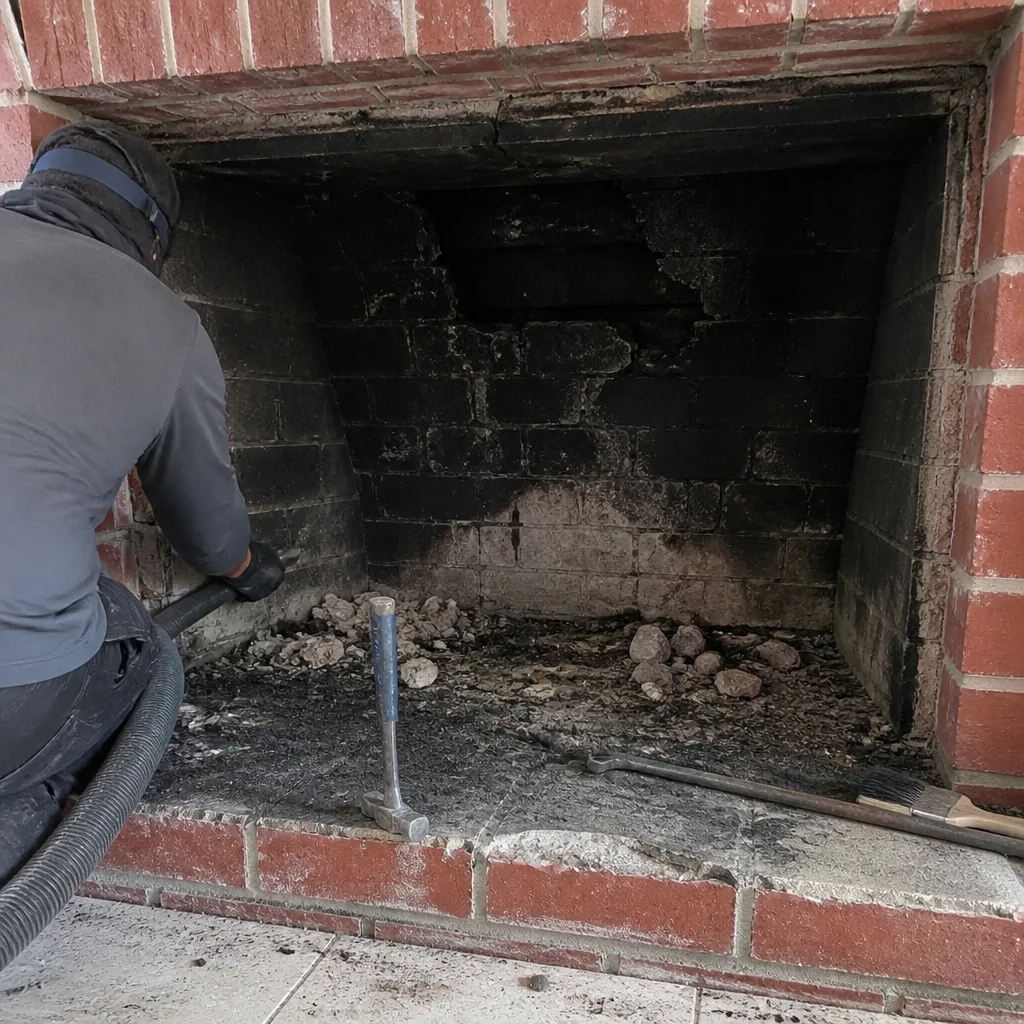 Before
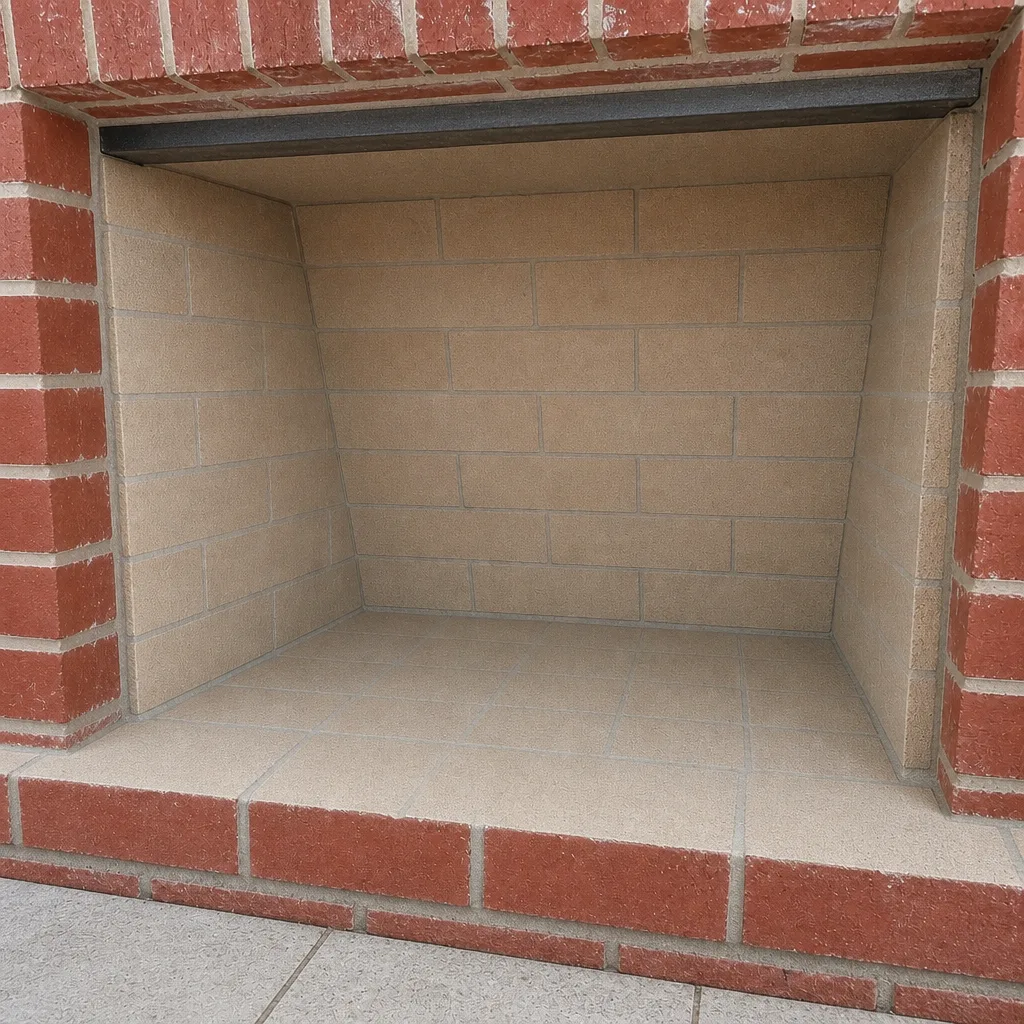 After
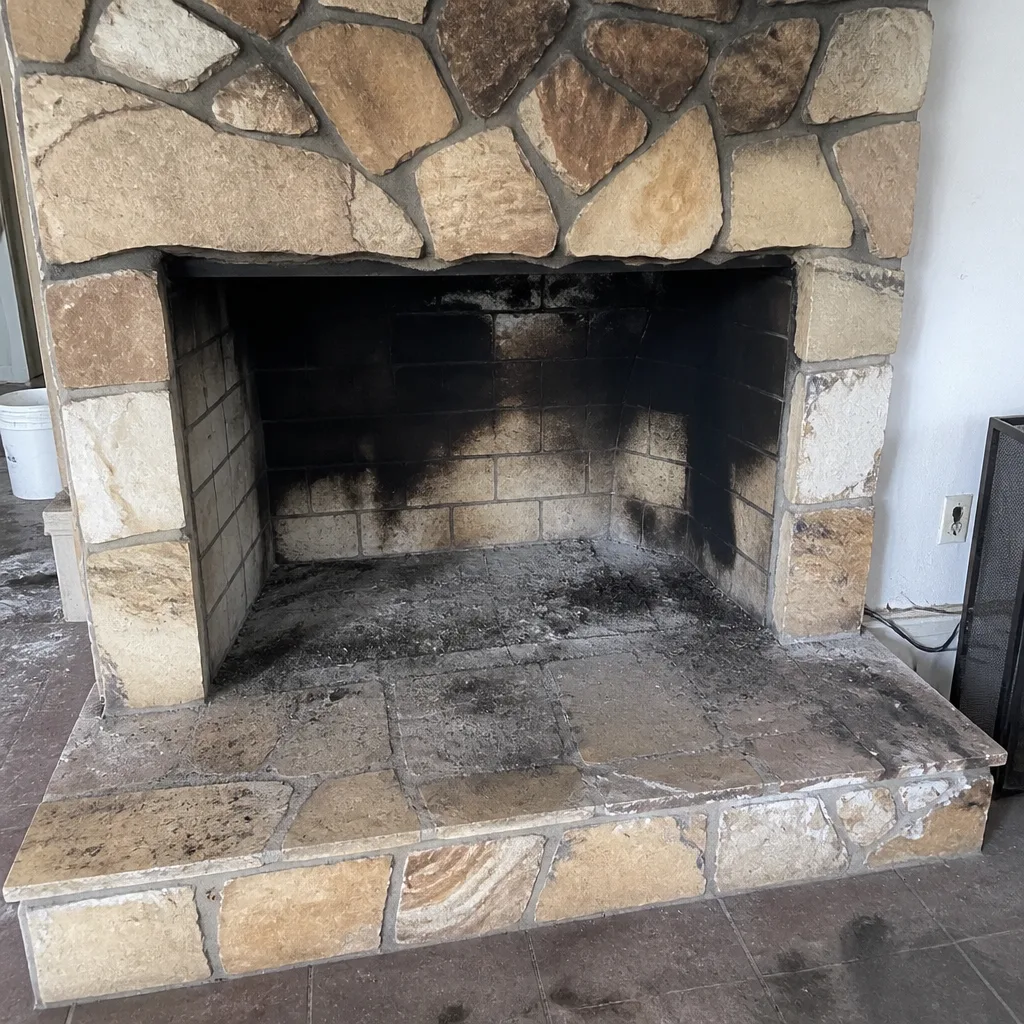 Before
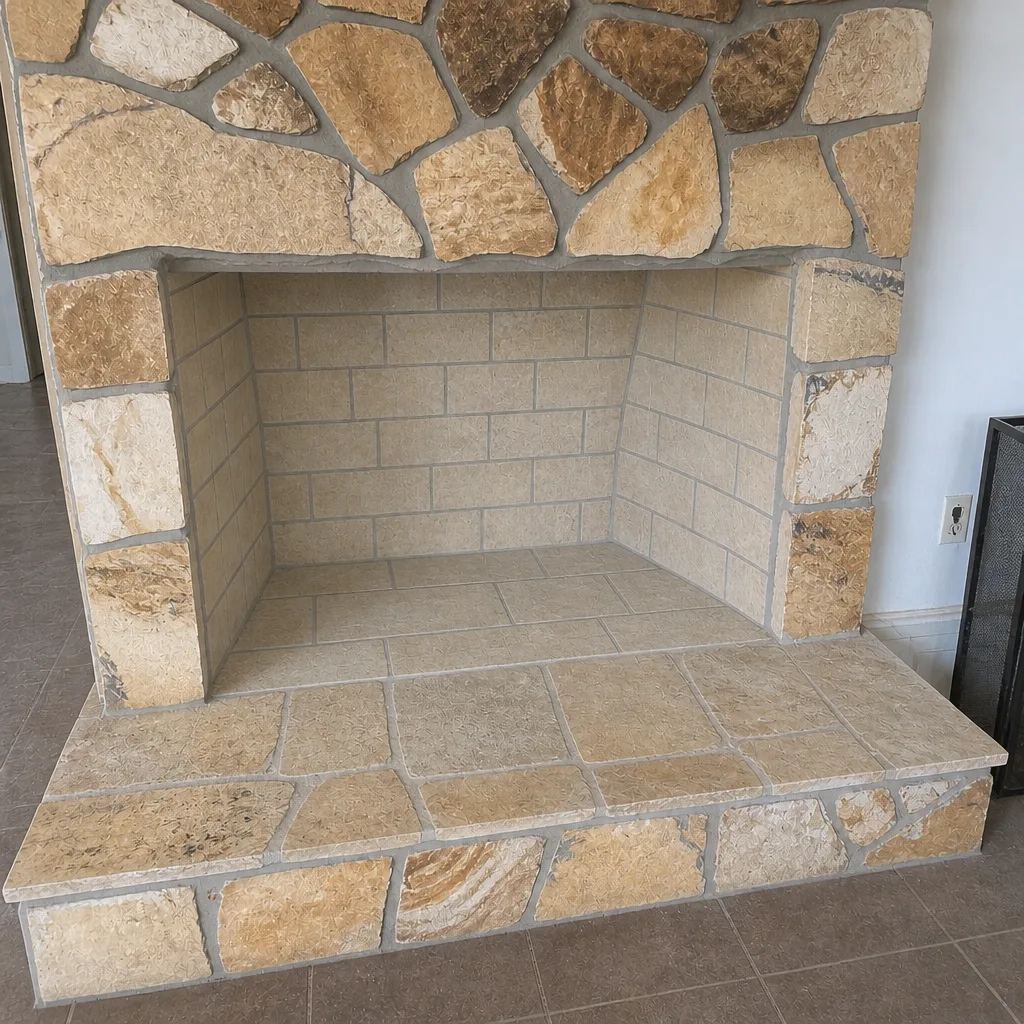 After
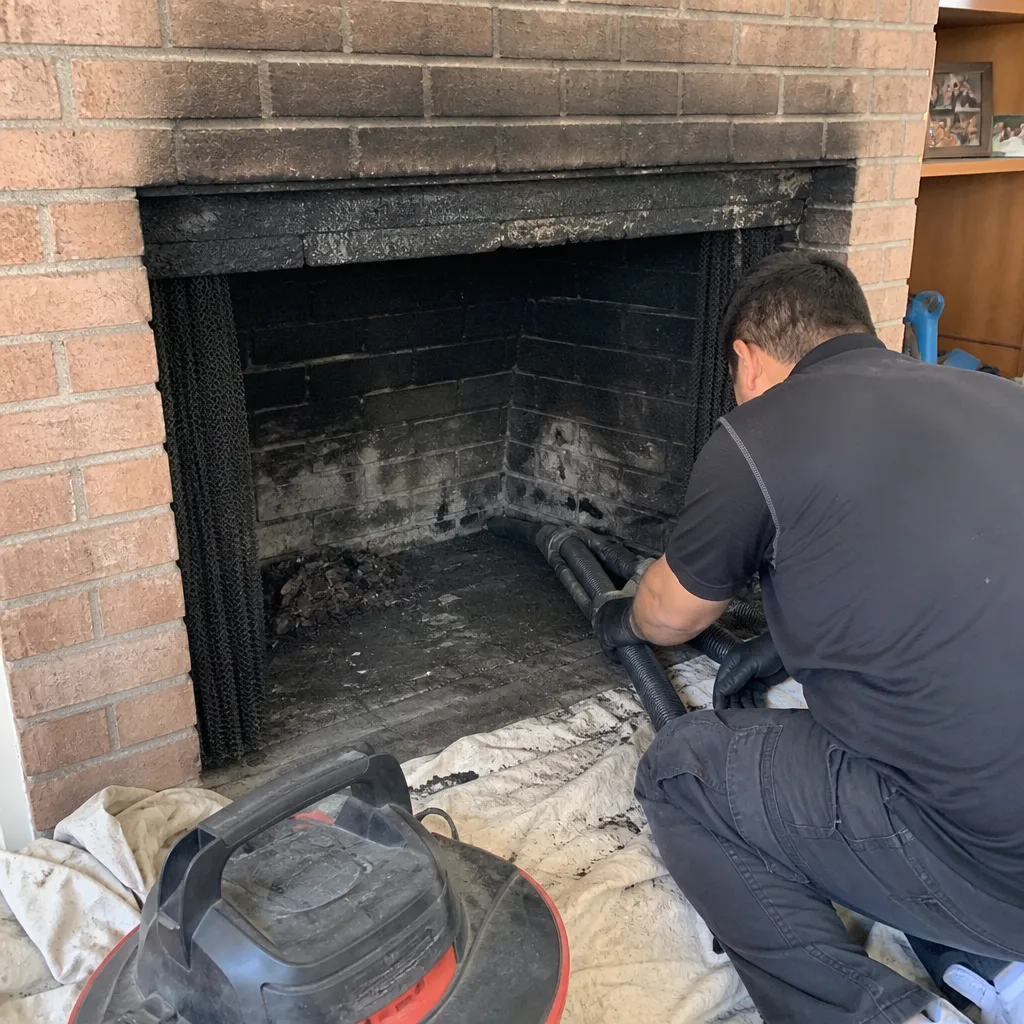 Before
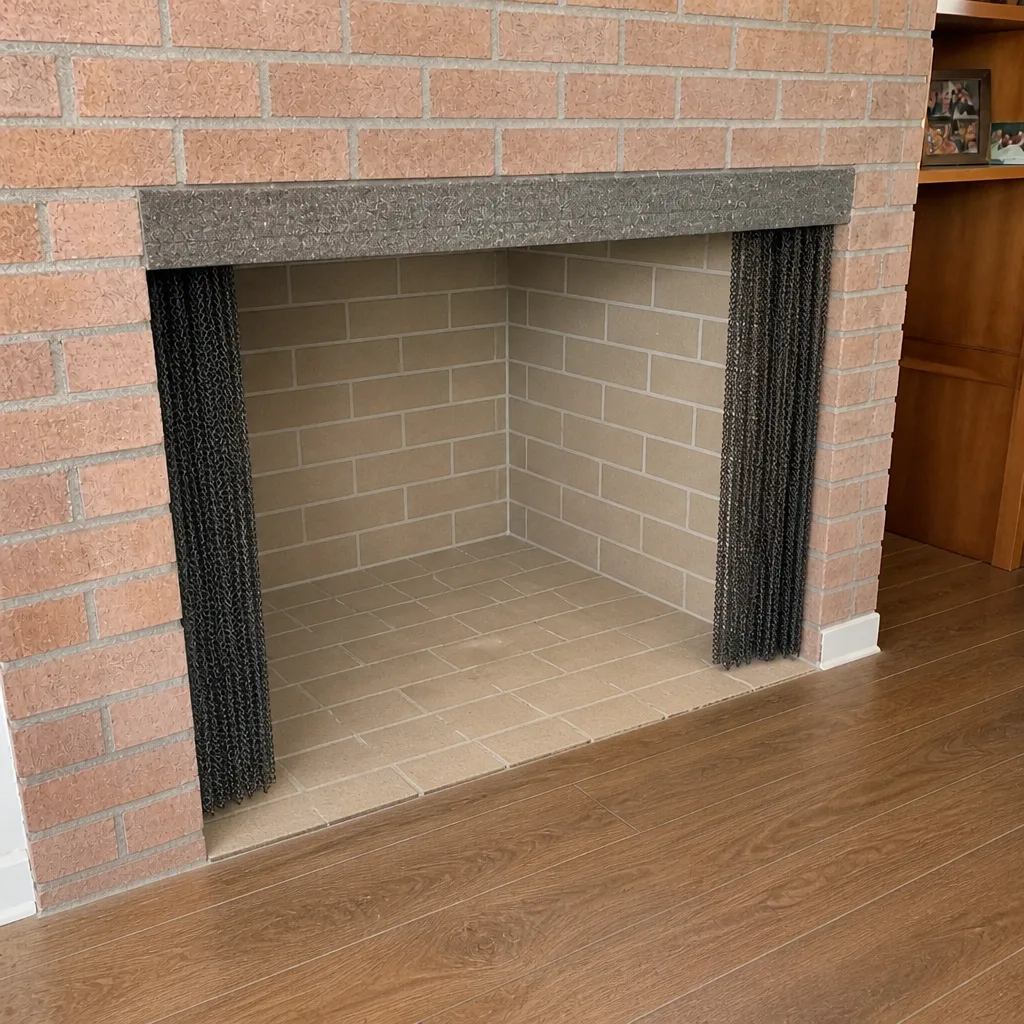 After