
Last updated November 14, 2026
 Sweep & inspection
 Caps & crowns
 Flue relining
 Masonry repair
 Gas fireplace service
Level 1 sweep and inspection to the NFPA 211 annual standard - flue, crown, cap, and flashing checked and photographed
Chimney sweep logs do not sweep chimneys. They loosen some creosote - which then falls where a brush and vacuum still have to collect it.
Seasonal Chimney Cleaning Care for Hialeah: Year-Round Homeowner’s Guide
Most chimney care advice you’ll find online was written for places with four hard seasons, and it usually says the same thing: sweep in the fall, inspect in the spring. That calendar makes sense in New England. In Hialeah, it can actually work against you. Our burning season is short and mild, which means your chimney sits idle for most of the year. And a chimney that sits idle in a wet, warm climate is not a chimney at rest. It’s a chimney collecting moisture, nesting material, and slow corrosion while nobody’s looking. This guide is built around the two phases that actually define chimney care in Hialeah: the short burning window and the long dormancy in between. By the end, you’ll know what to do in each phase, what to check after a storm, and why spring is often the smartest time to book a cleaning.
Quick Answer
In Hialeah, chimney care runs on two phases, not four: a short burning window (roughly November through February) and a long dormancy period (roughly March through October). The dormancy period carries more risk than the burning season, because moisture, animal nesting, and corrosion do their damage while the flue sits unused. The most important tasks are an inspection before the first fire of the year and a cleaning scheduled in spring or early summer, when availability is better and your flue is clean going into the wet season.
Styles & brands we work with
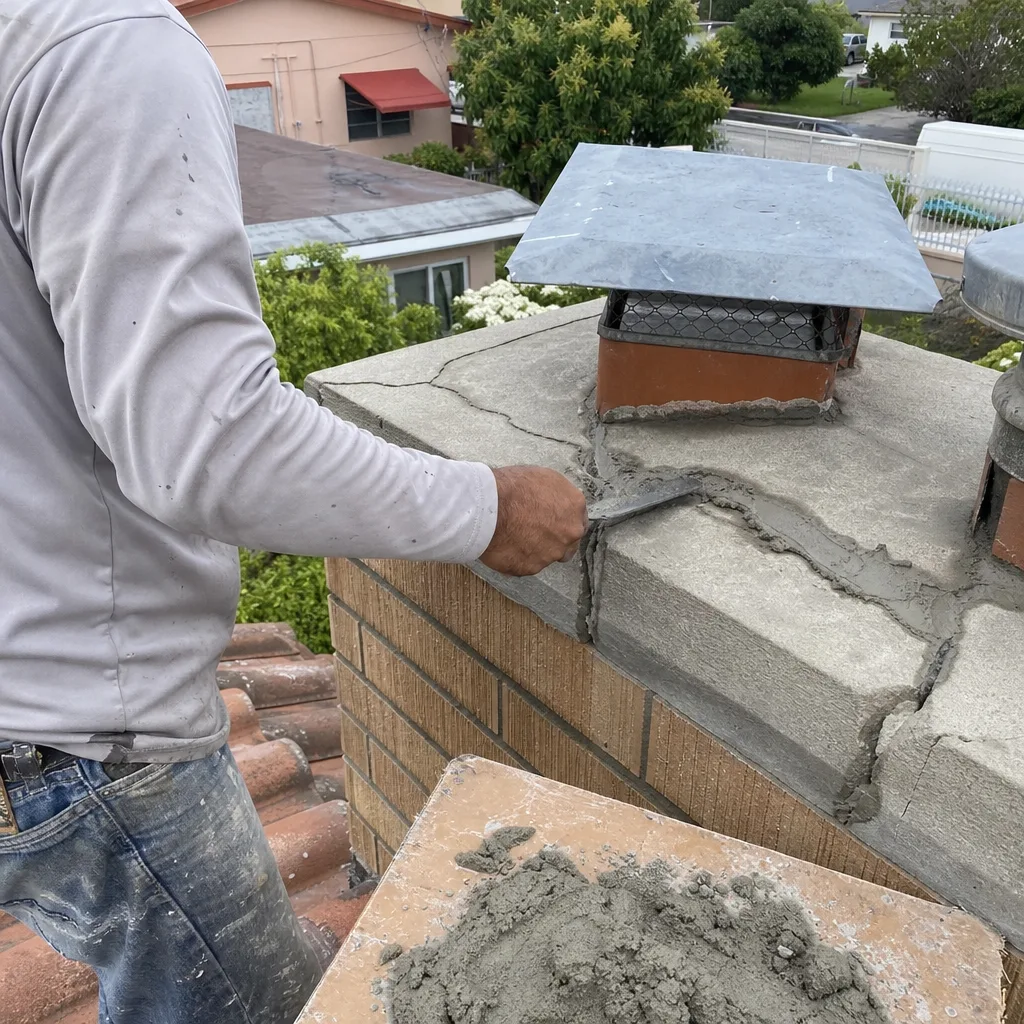
- Sweep & inspection
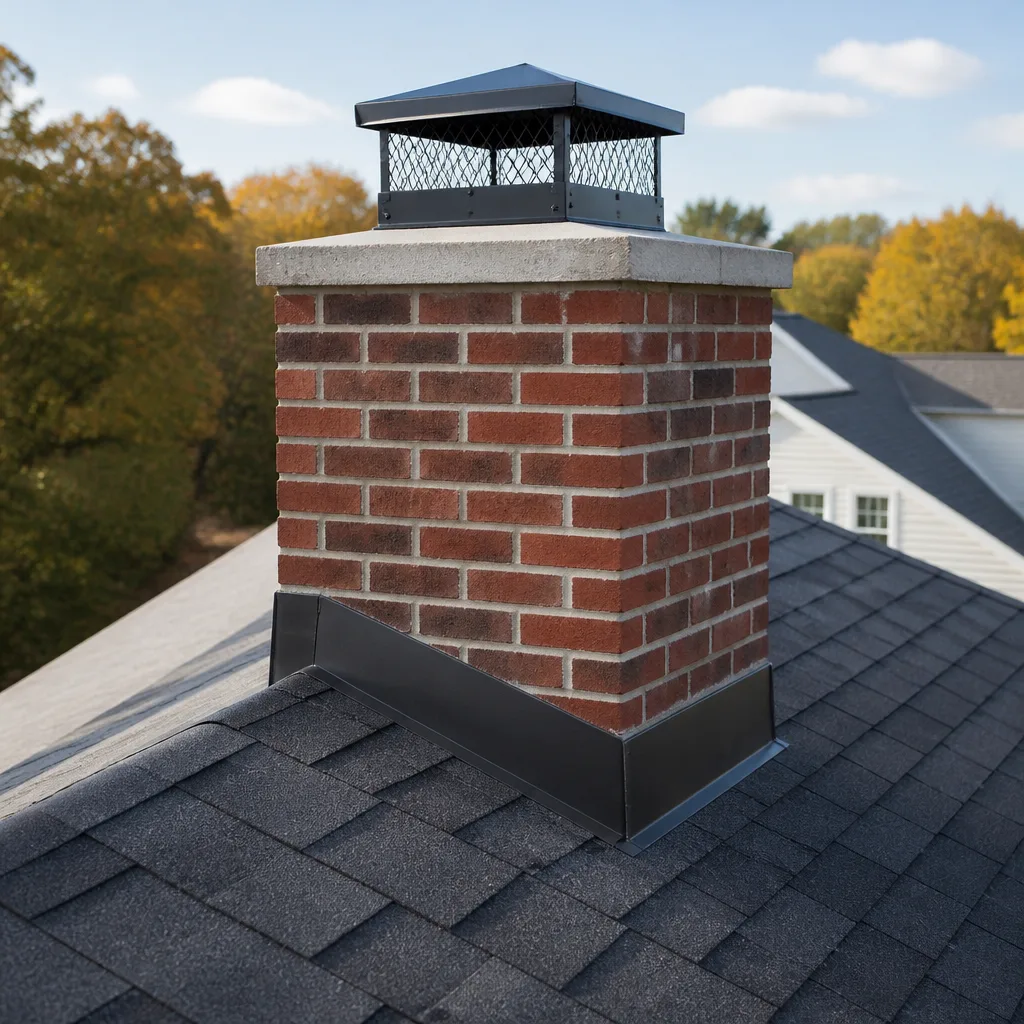
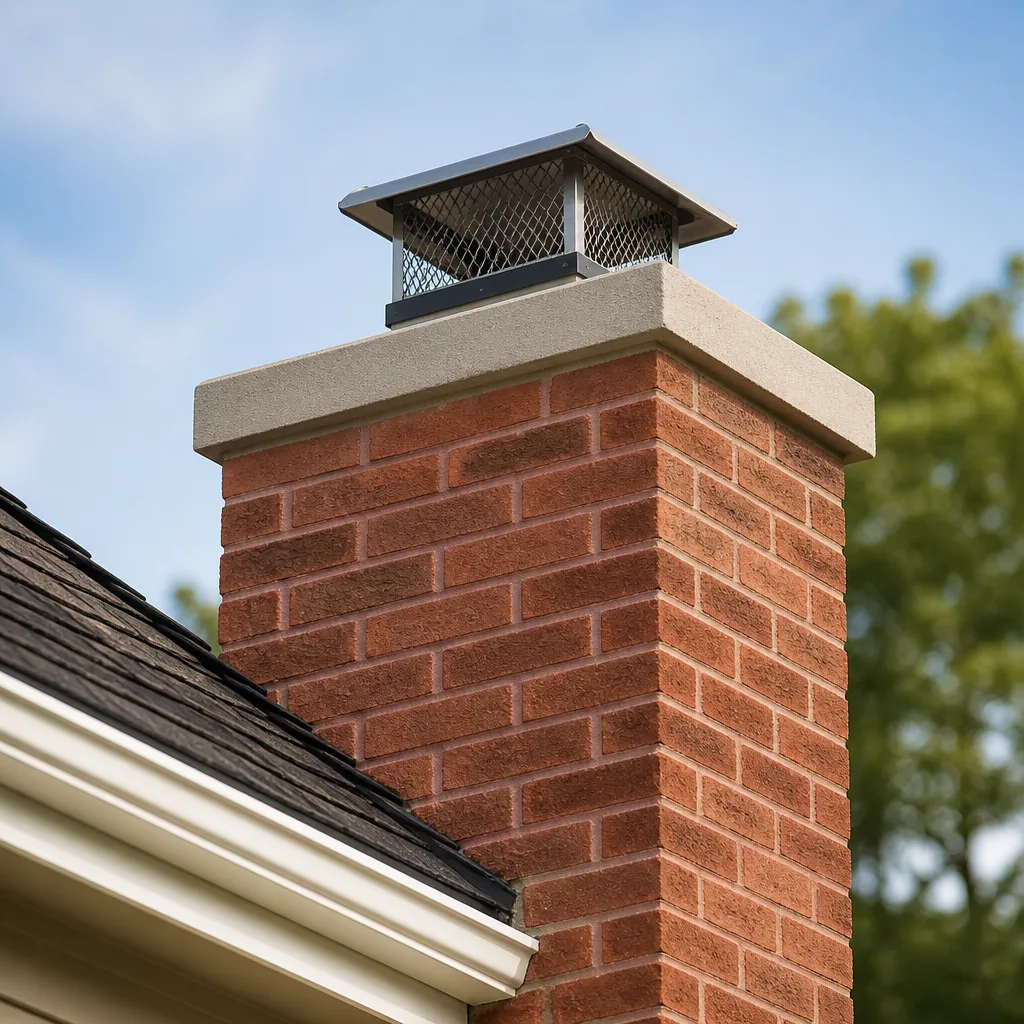
- Caps & crowns
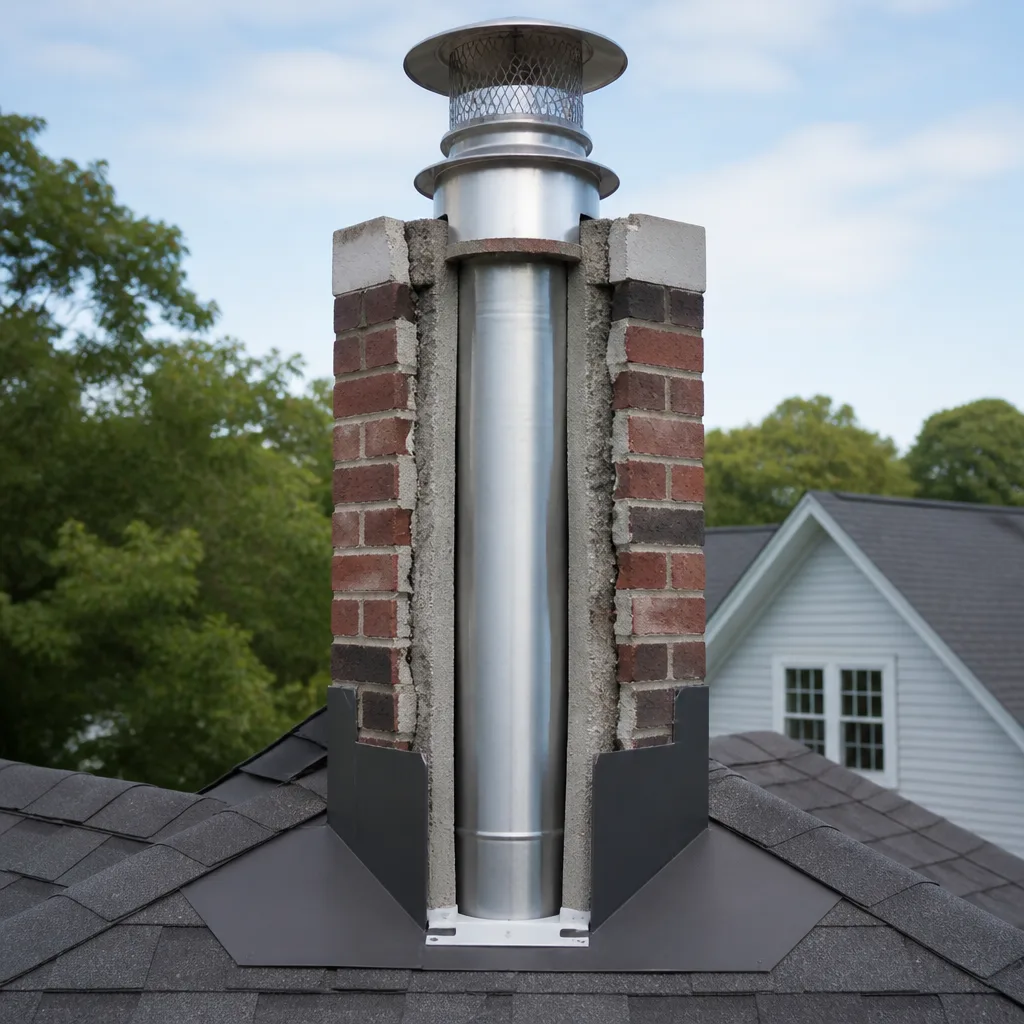
- Flue relining
- Masonry repair
- Gas fireplace service
Table of Contents
- Why Hialeah Has Two Chimney Seasons, Not Four
- What Happens to an Unused Chimney During the Wet Season
- October Pre-Season Checklist: Before the First Fire
- Managing a Gas Fireplace That Runs Year-Round
- Post-Storm Inspection: What to Check After Heavy Rain or a Named Storm
- Why Spring Scheduling Beats Fall Scheduling
- How Often Should a Hialeah Chimney Be Swept?
- What You Can Check Yourself and What You Shouldn’t
Why Hialeah Has Two Chimney Seasons, Not Four
Cold-climate chimney guides assume a long heating season with months of steady wood burning, followed by a thaw. Hialeah doesn’t work that way. Most homes here light a fire on cool evenings from late November into February, then stop. That’s it. The rest of the year, the chimney is dormant.
This matters because the threats are different in each phase. During the burning window, the concerns are creosote buildup, draft performance, and whether the flue is clear enough to vent smoke safely. During dormancy, the concerns are moisture intrusion, debris, animal activity, and corrosion of the metal components inside the flue and firebox.
In our experience, homeowners who follow a cold-climate calendar often sweep in the fall and then ignore the chimney until the next fall. That leaves ten months of exposure with no inspection. The chimney looks fine from the living room because the problems are happening inside the flue and up on the roof, where nobody’s looking.
Here’s the practical difference in a table:
- Burning window (Nov – Feb): Creosote formation, draft issues, smoke spillage, damper operation.
- Dormancy (Mar – Oct): Moisture intrusion, animal nests, leaf and debris blockage, rust and corrosion, cracked crown and mortar.
- Storm events (Jun – Nov): Water intrusion after heavy rain, cap damage, flashing leaks, debris accumulation.
The takeaway is simple: in Hialeah, the dormancy period is not downtime. It’s when the most preventable damage happens.
What Happens to an Unused Chimney During the Wet Season
Hialeah’s wet season runs roughly June through September, and a chimney with an open or damaged cap is essentially a vertical pipe pointed at the sky. Rain gets in. Debris gets in. Animals get in. None of this announces itself. You find out when you light the first fire of the season and the flue won’t draft, or when a technician opens the firebox and finds rust.
Here’s the dormancy-season threat list, in order of how often we see it:
- Water intrusion. Rain enters through an uncapped or damaged flue and pools at the smoke shelf or in the firebox. Repeated wetting and drying degrades mortar joints and rusts metal components.
- Animal nesting. Birds, squirrels, and other animals treat an open flue as a sheltered cavity. Nests block the flue and, once dry, become flammable material sitting inside your chimney.
- Debris accumulation. Leaves, twigs, and grit fall in and settle at the bottom. Combined with moisture, this becomes a compacted, damp mass that restricts the flue.
- Corrosion of metal components. Dampers, caps, and metal liners corrode faster when they’re exposed to moisture and not dried out by regular fires.
- Crown and mortar deterioration. A cracked crown or failing mortar joint lets water into the masonry, and the damage compounds each wet season.
The fix for most of this is unglamorous: a proper cap, a pre-season inspection, and a cleaning that removes accumulated debris before the wet season starts. A capped, inspected flue going into June is a flue that comes out of September in the same shape. An uncapped, uninspected flue going into June is a flue you’ll be paying to repair in the fall.
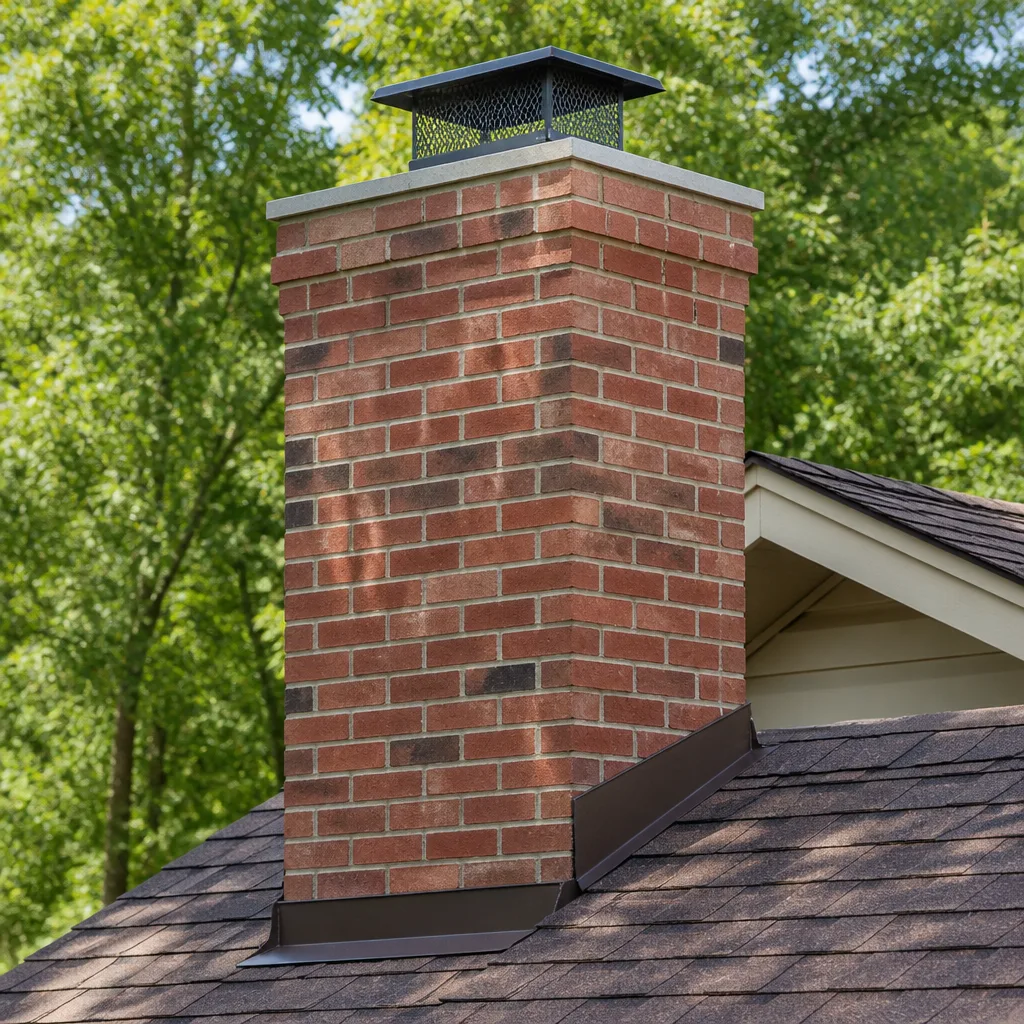
If you’re not sure whether your chimney is capped, that’s the single most useful thing to check on a dry day. Look up at the roofline from the yard. If you can see an open flue mouth with no cap over it, that’s your first call.
October Pre-Season Checklist: Before the First Fire
By October, your chimney has been dormant for most of the year. Before you light that first fire, it’s worth going through a short checklist that catches the most common problems while they’re still cheap to fix.
Here’s what to do before the first fire of the year:
- Schedule an inspection. A professional inspection looks at the flue interior with a camera, checks the cap, crown, flashing, and damper, and confirms the flue is clear. Do this before you need it, not after.
- Look for obvious blockages. From the ground, check the cap for visible nests or debris. Inside, open the damper and look up with a flashlight. If you see daylight, the flue is open. If you see anything else, call.
- Test the damper. Open and close it fully. It should move without force and seal reasonably well. A damper that sticks or won’t seal is a draft problem.
- Check for water stains. Look at the firebox walls, the smoke chamber, and the ceiling near the chimney for rust streaks or dark water marks. These suggest moisture has been getting in.
- Confirm the cap is in place and intact. A missing or damaged cap is the leading cause of dormancy-season damage.
- Clear the firebox of old ash and debris. Leave a modest ash bed if you burn wood, but remove anything that’s been sitting since last season.
- Check smoke and carbon monoxide detectors. Replace batteries if you haven’t, and confirm both are working before you start burning.
If the inspection turns up a cracked flue tile or a damaged liner, that’s the moment to deal with it, not after a fire. A chimney sweep in Hialeah can confirm in one visit whether the flue is safe to use. If you’ve never had your chimney inspected, this is the year to start.
Managing a Gas Fireplace That Runs Year-Round
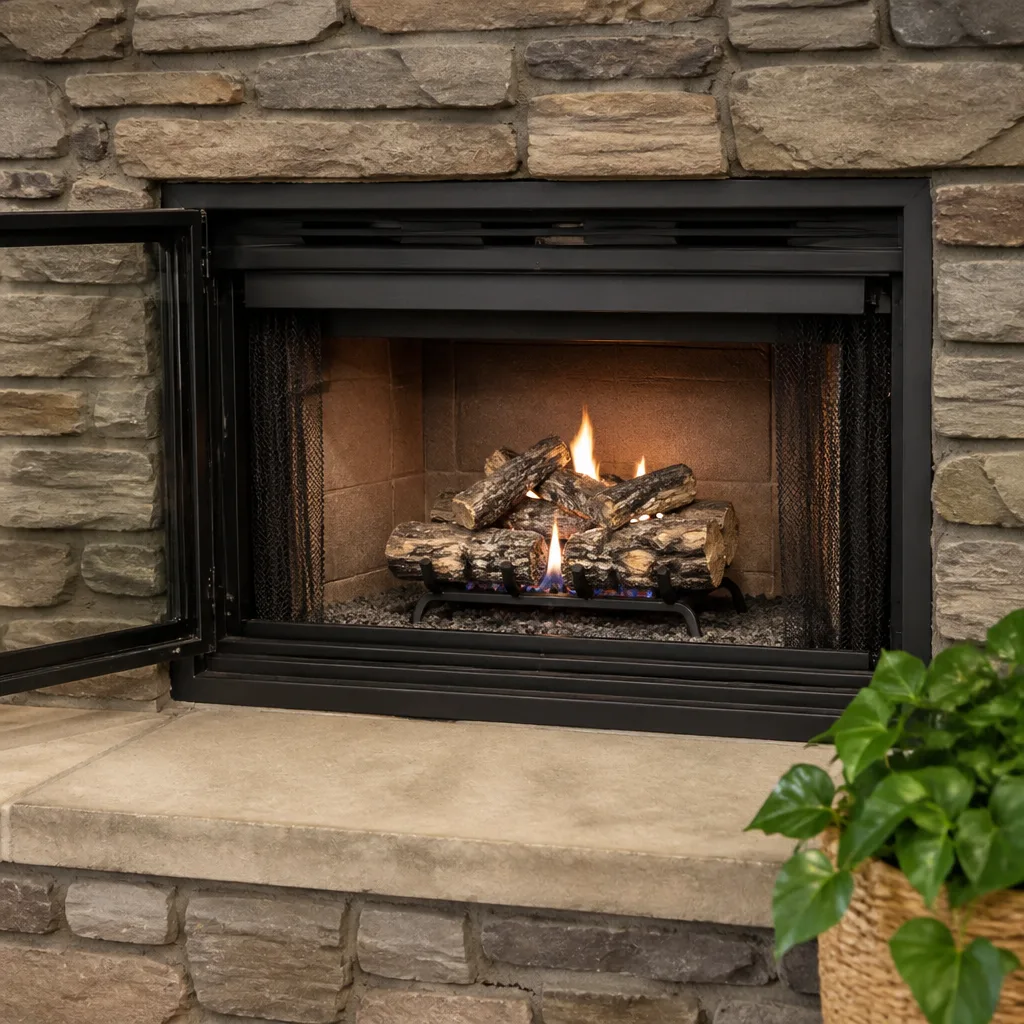
Plenty of Hialeah homes have a gas fireplace that runs for ambiance, not heat. It gets used on cool evenings, but also on mild nights when the aesthetic is worth the switch. That changes the maintenance picture.
Gas fireplaces don’t produce creosote the way wood-burning fireplaces do. What they do produce is moisture, mild soot, and dust that settles into the logs, burner, and glass. Over a year of regular use, that accumulation affects performance and appearance.
Here’s how the cleaning intervals differ:
- Wood-burning fireplace: Sweep based on how much you burn. A light burner may need a sweep every couple of years; heavier use needs annual attention.
- Gas fireplace (ambiance use): Annual inspection is still the right baseline, but the cleaning is different: glass, logs, burner ports, and the vent termination. Soot and dust removal matters more than flue sweeping.
- Gas fireplace with a vent: The vent termination needs to be checked for blockages and correct termination, just like a dryer vent. A vent that’s blocked or improperly terminated creates a real safety concern.
What matters most with a gas unit is the annual inspection, not the cleaning frequency. A gas fireplace that runs year-round deserves a look at the vent and the combustion components once a year, even if the glass doesn’t look dirty. That’s the check that catches a venting problem before it becomes a carbon monoxide issue.
If your gas fireplace shares a chimney with anything else, the shared flue needs the same inspection a wood flue gets. Relying on visual appearance alone misses the inside of the flue, which is exactly where the problems live.
Post-Storm Inspection: What to Check After Heavy Rain or a Named Storm
South Florida gets significant rain events and named storms, and a chimney is one of the few parts of a house that takes the weather from above and from the side at the same time. After a heavy rain event or a named storm, a short inspection catches the damage before it compounds.
Here’s a post-storm checklist:
- Check the cap. Look for a missing, bent, or displaced cap. A storm can lift or crush a cap, and a missing cap turns the flue into a rain collector.
- Look for flashing damage. The metal flashing where the chimney meets the roof is a common failure point. Look for lifted edges, gaps, or obvious separation.
- Inspect the crown for new cracks. The crown is the concrete top surface around the flue. Cracks let water into the masonry and get worse with each wet season.
- Check for debris in the firebox. Rain-driven debris and grit can end up at the smoke shelf or in the firebox. If you see fresh debris, the flue is taking on water.
- Look for interior water stains. Ceiling or wall stains near the chimney, rust streaks on the firebox, or a musty smell suggest water intrusion.
- Check the damper and firebox. A damper that suddenly sticks or a firebox that’s damp after a storm is a sign that water is getting in somewhere.
- Schedule a professional look if anything is off. Storm damage is often invisible from the ground: a loosened flashing, a hairline crack in the flue tile, or a displaced liner section. A camera inspection confirms what you can’t see.
If you’re not sure whether your chimney took damage, a professional inspection after a significant rain event is worth the cost. The alternative is finding out the next time you light a fire, which is the worst possible time to learn that your flue is compromised.
Why Spring Scheduling Beats Fall Scheduling
Chimney sweeping has a predictable demand curve. Everyone thinks about their chimney in the fall, right before the first fire. That means fall is the busiest time of year for every chimney professional in the area, and availability tightens. Spring is the opposite.
Scheduling in spring or early summer has three practical advantages:
- Better availability. Booking a cleaning in the off-season means you get scheduled when it’s convenient for you, not squeezed into a crowded fall calendar.
- Faster service. Off-season appointments can often be handled sooner, and there’s less competition for the first available slot.
- Pricing. Off-season scheduling can sometimes come at a lower price than peak-season booking, because demand is lower. Ask when you call.
There’s also a maintenance reason. A cleaning in spring removes the accumulated creosote and debris from the burning season, and leaves the flue clean going into the wet season. That’s the opposite of a fall cleaning, which leaves the flue dirty through the most damaging months and cleans it right before you use it again.
In practice, the ideal Hialeah schedule looks like this: a cleaning and inspection in spring or early summer, a pre-season check in October, and a post-storm look after any significant rain event. That’s three touchpoints, but two of them are short. For many homes, the spring cleaning plus the October inspection is enough.
One more practical note: the longer you wait to schedule, the more likely a small issue becomes a bigger one. A flue that needed a sweep in spring but didn’t get one may need a repair by fall. Booking early is cheaper than repairing later.
How Often Should a Hialeah Chimney Be Swept?
For most Hialeah homes, an annual inspection is the right baseline, and the sweep itself depends on how much you actually burn. A home that lights a few fires a season may need a sweep every couple of years; a home that burns regularly through the short season needs one more often.
The honest answer is that frequency depends on what’s inside the flue, not on a calendar. Creosote buildup, debris accumulation, and animal nesting don’t follow a schedule. That’s why an inspection is the right starting point: it tells you what your specific chimney needs, rather than guessing based on how often you think you should clean it.
Here’s a practical rule of thumb:
- Annual inspection: recommended for every chimney, regardless of use.
- Sweep when needed: based on what the inspection finds, not on a fixed interval.
- After any significant storm or water intrusion: inspect before using the chimney again.
- Before the first fire of the year, every year: confirm the flue is clear and safe.
If it’s been more than a year since your chimney was inspected, or you can’t remember the last time it was swept, the answer is to schedule an inspection. It’s the only way to know.
What You Can Check Yourself and What You Shouldn’t
There’s a useful line between what a homeowner can reasonably check and what needs a trained professional. Knowing the line protects you from both unnecessary expense and unnecessary risk.
What you can check yourself:
- Whether the cap is visibly in place from the yard.
- Whether the damper opens and closes smoothly.
- Whether there are obvious water stains or rust streaks inside the firebox.
- Whether the firebox has fresh debris after a storm.
- Whether your smoke and carbon monoxide detectors work.
What you should not do yourself:
- Get on the roof to inspect the cap, crown, or flashing. Rooftop work is a fall risk, especially on a wet or steep roof.
- Reach into the flue to clear a blockage. You can’t see what you’re doing, and the flue can contain sharp edges, debris, and animal material.
- Attempt to remove creosote or repair a liner. Creosote is flammable and, in its denser forms, difficult to remove without the right tools. Liner repair is a professional job that requires proper materials and correct installation.
- Diagnose a gas fireplace venting issue. Gas venting problems are a carbon monoxide risk, and they need a trained eye and proper testing.
The reason this matters is that chimney and venting work involves real hazards: fire, carbon monoxide, and fall risk. A professional has the tools, the training, and the ability to see inside the flue with a camera. That’s not something a homeowner can replicate with a flashlight.
Common Mistakes to Avoid
- Following a cold-climate calendar. Sweeping in the fall and ignoring the chimney until the next fall leaves ten months of dormancy with no inspection, which is exactly when moisture and nesting damage happen in Hialeah.
- Leaving the flue uncapped. An open flue is a rain collector and an animal invitation. It’s the single most common cause of dormancy-season damage we see, and a cap is one of the cheapest fixes available.
- Skipping the pre-season inspection because the chimney “looked fine.” A chimney that looks fine from the living room can have a blocked flue, a cracked tile, or a damaged liner. The problems are inside the flue, not in your sight line.
- Burning without checking the damper and draft. If the damper won’t open fully or the flue won’t draft, smoke comes into the house. Test both before the first fire of the season.
- Ignoring a gas fireplace because it’s “just ambiance.” A gas unit that runs year-round still needs an annual vent inspection. Gas venting problems are a carbon monoxide risk, not a cosmetic issue.
- Waiting until fall to book a cleaning. Fall is peak demand, and availability tightens. Spring scheduling gets you on the calendar sooner and can come at a lower price.
- Assuming a post-storm chimney is fine because nothing looks damaged. Storm damage is often invisible from the ground: loosened flashing, a hairline flue crack, a displaced liner. Only a camera inspection confirms it.
See the difference
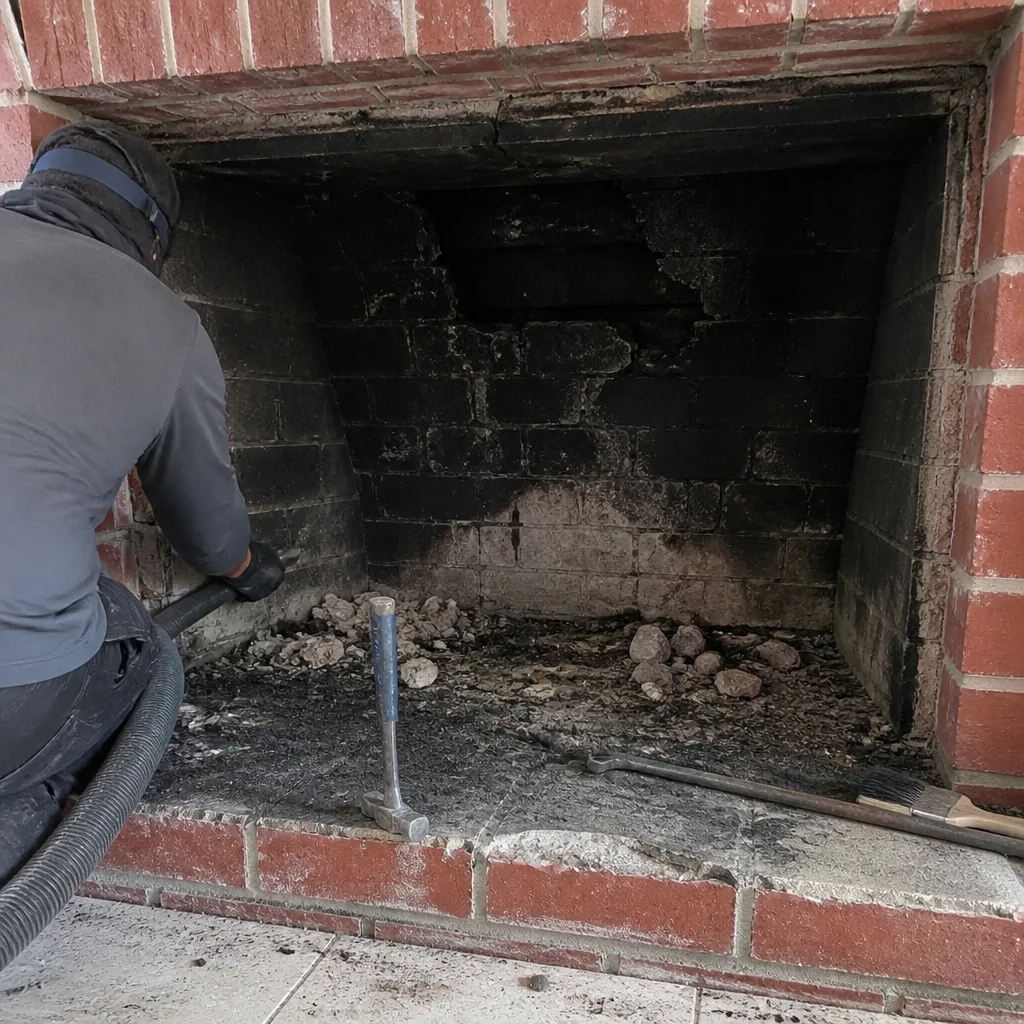 Before
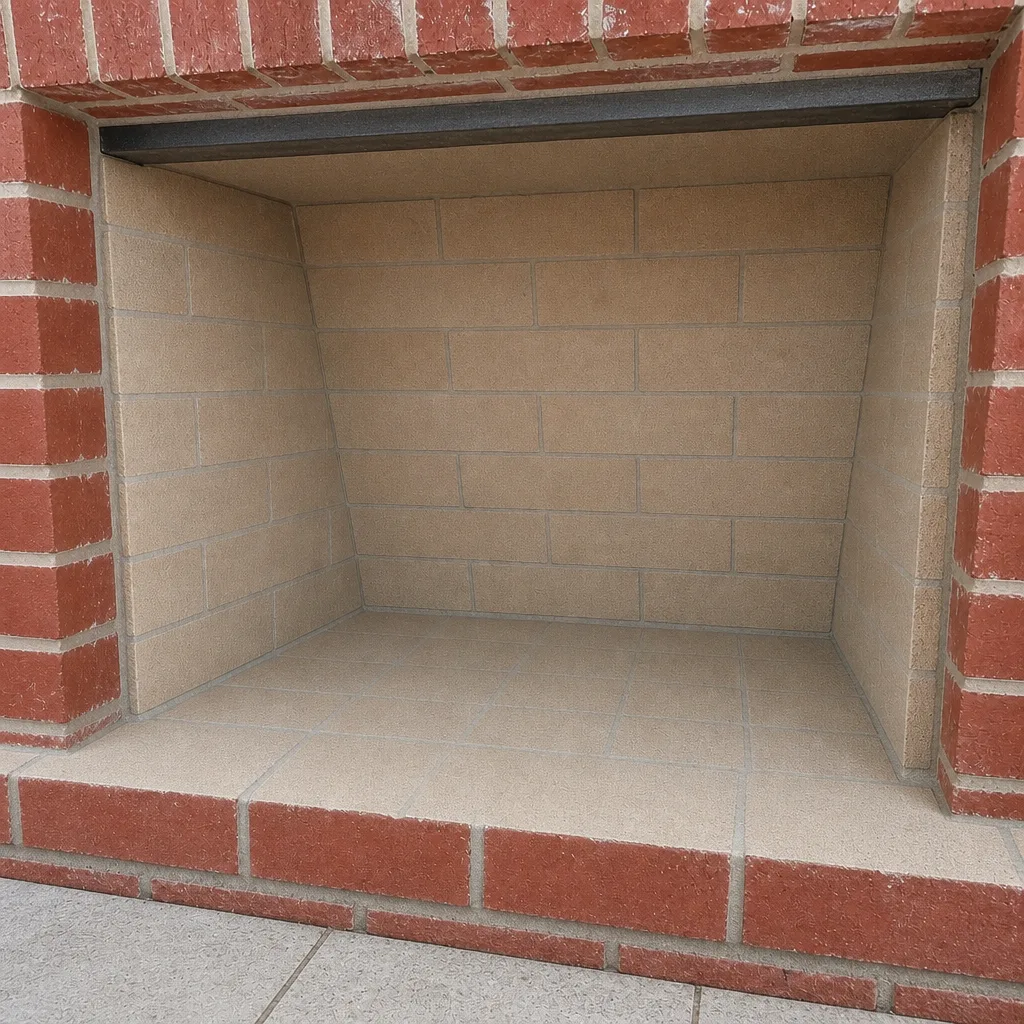 After
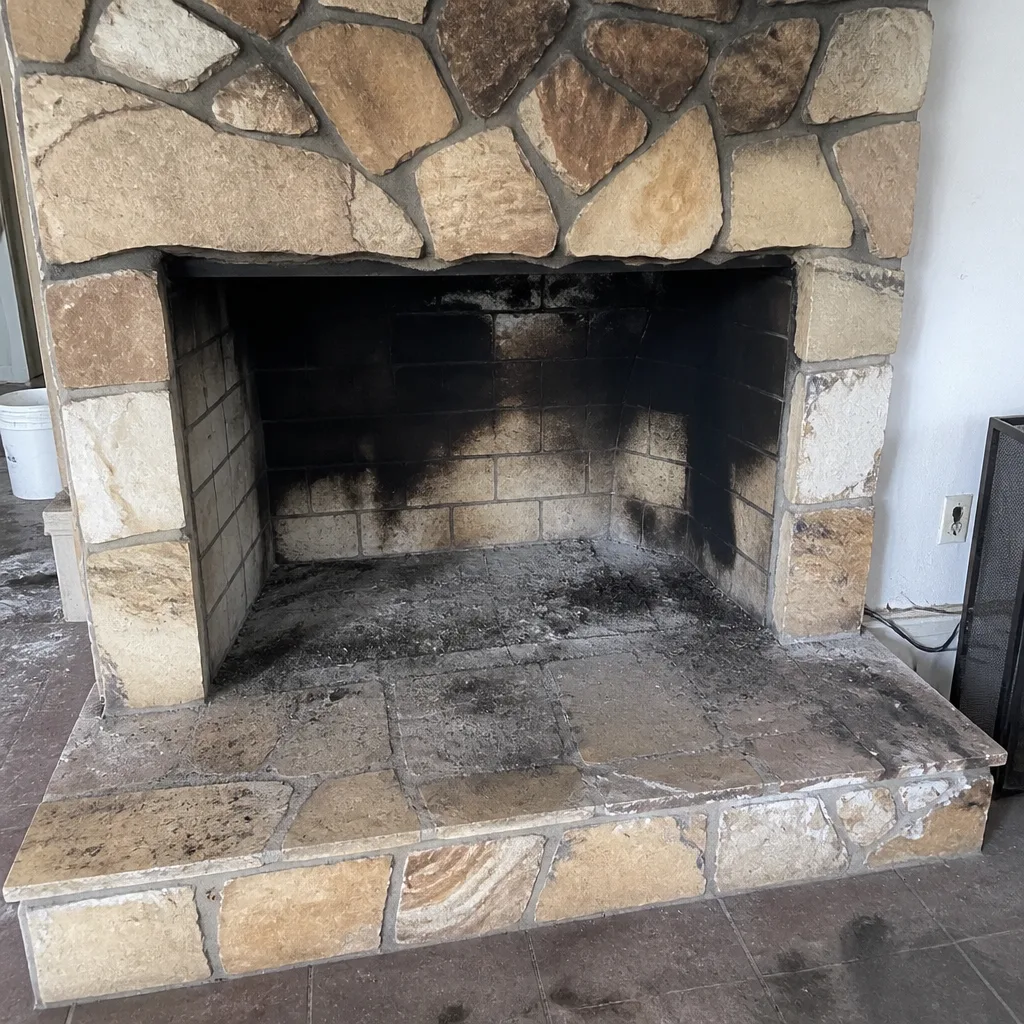 Before
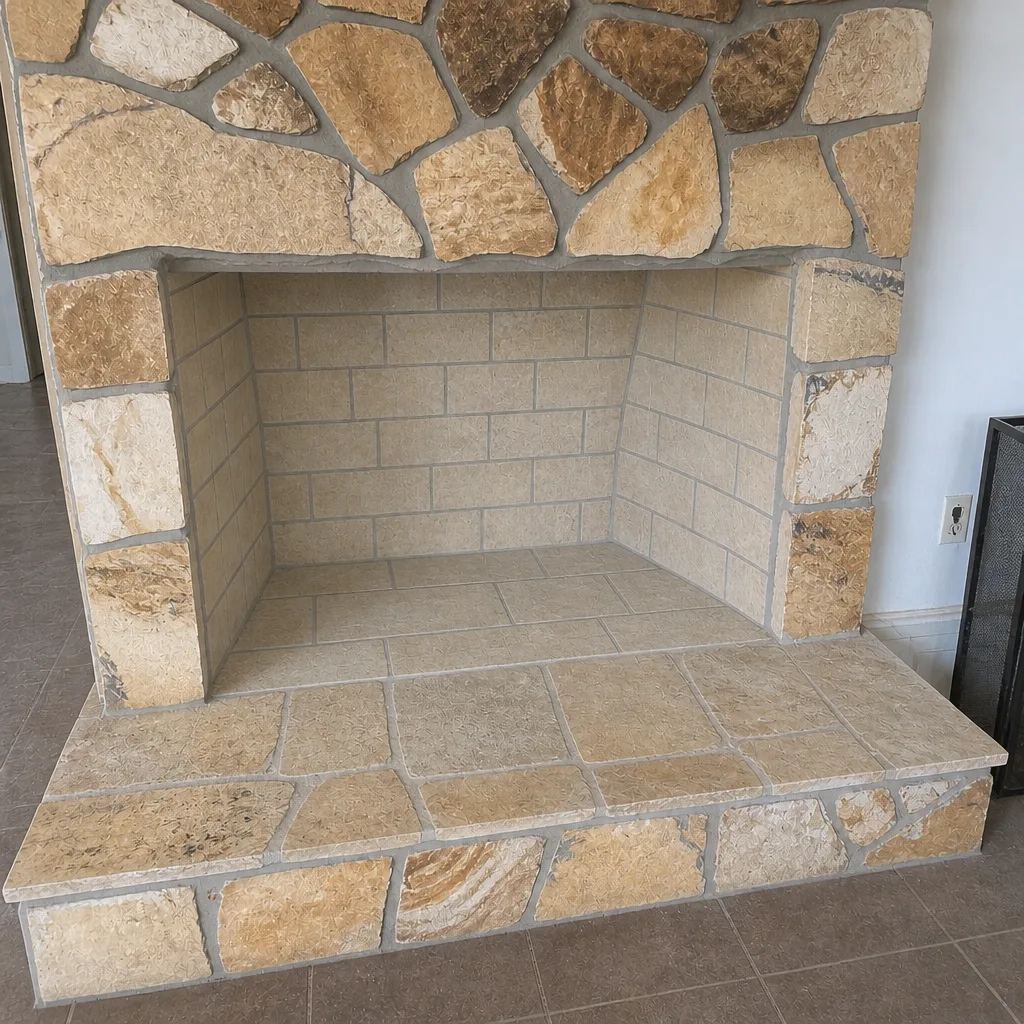 After
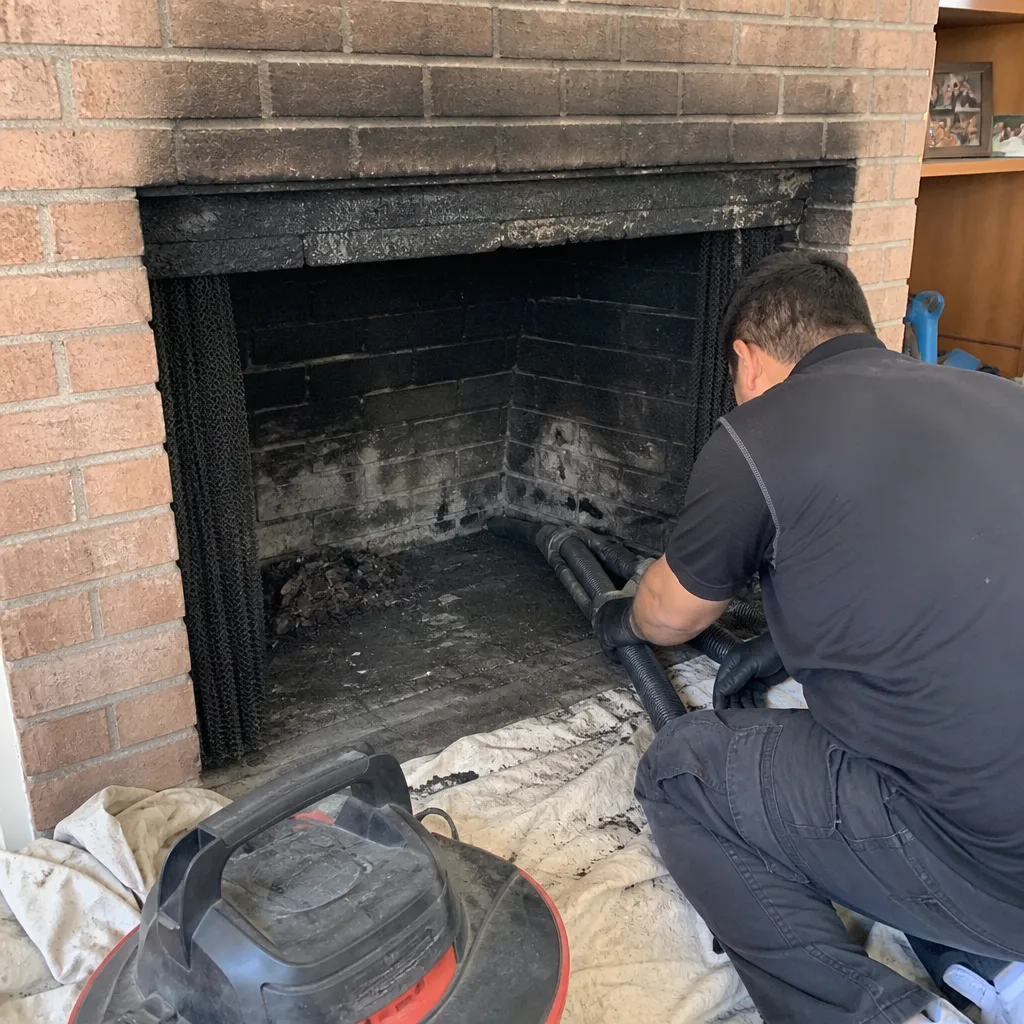 Before
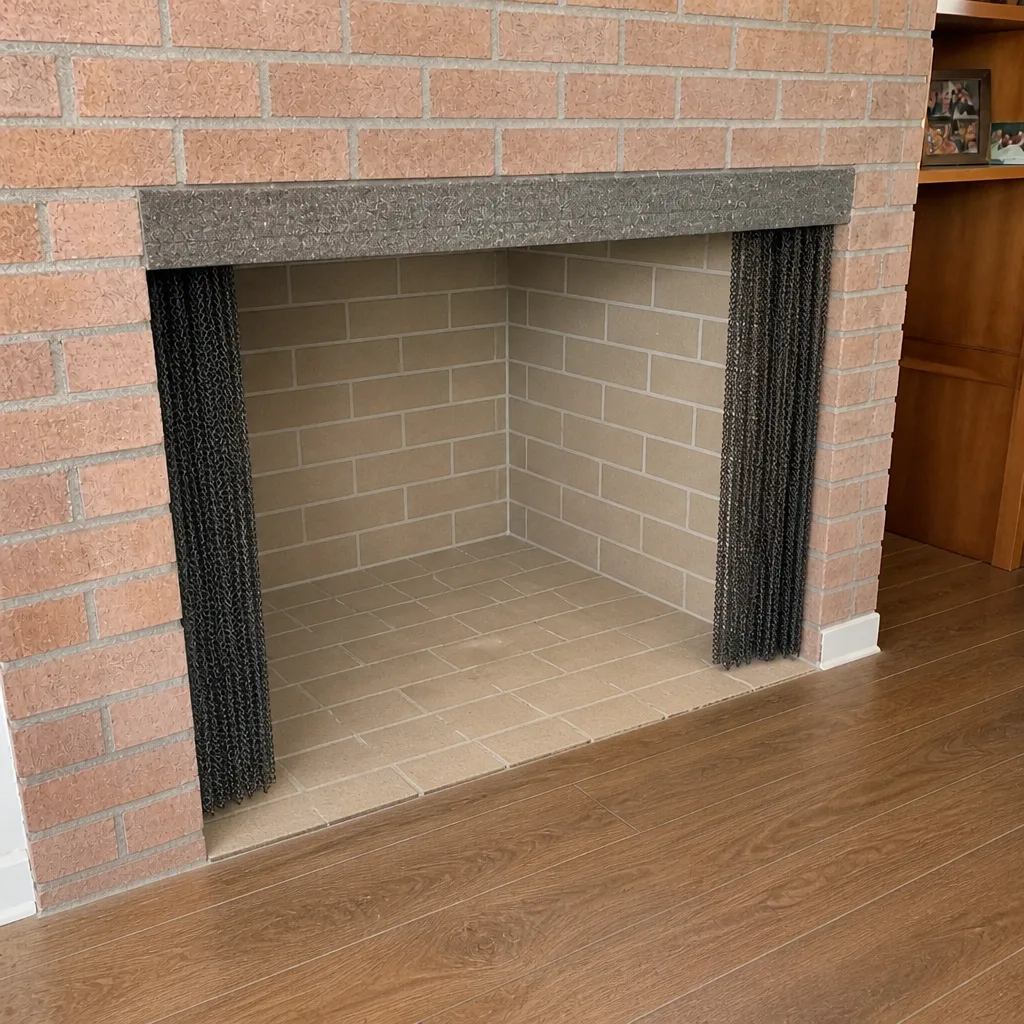 After
When to Call a Professional
Some situations are clear calls for a professional. If it’s been more than a year since your last inspection, if you’ve never had one, or if you can’t remember the last time your chimney was swept, schedule one. If you see water stains, rust streaks, or fresh debris in the firebox, that’s a sign the flue is taking on water. If your damper sticks, your fireplace smokes into the room, or you smell gas near a gas fireplace, stop using it and call. After a significant rain event or named storm, an inspection catches the invisible damage before it compounds. If your chimney has an open flue with no cap, that’s a repair worth doing now, before the wet season. Chimney Sweep Hialeah offers free estimates in Hialeah. Call (855) 918-2061. We answer 24/7. Fast dispatch from 7am to 7pm, Sunday through Friday.
Frequently Asked Questions
Most chimney sweeps in Hialeah are priced per job based on what the inspection finds, and the written estimate sets the final price. The cost depends on whether you need a standard sweep, a camera inspection, or repair work. Call (855) 918-2061 for an exact quote. Estimates are free.
Not necessarily. A liner is only needed when the flue has a defect that can’t be repaired another way, and the only honest way to know is a camera inspection. In some cases, resurfacing an existing flue with a system like HeatShield can extend its life without a full liner replacement. Nothing should be recommended without camera evidence you can review yourself, and if the work can safely wait, we’ll tell you.
For most homes, an annual inspection is the right baseline, and the sweep itself depends on what’s in the flue rather than a fixed schedule. A light burner may need a sweep every couple of years, while a home that burns regularly needs one more often. The inspection is what tells you which category you’re in.
During the burning season, skipping an inspection risks a blocked or compromised flue, which means smoke in the house or a fire in the chimney from accumulated creosote. During dormancy, skipping it lets moisture, nesting, and corrosion do their damage unnoticed. Both are preventable with a single inspection.
Yes, in practice. Fall is peak demand and availability tightens, while spring has more open slots and can come at a lower price. A spring cleaning also leaves the flue clean going into the wet season, which is when it needs the most protection. Call (855) 918-2061 to check spring availability.
A gas fireplace that runs year-round needs an annual vent inspection even if the glass looks clean, because gas unit concerns are venting and combustion, not creosote. Mild soot and dust accumulate in the logs and burner, and a blocked or improperly terminated vent is a real carbon monoxide risk. Schedule an inspection once a year as the baseline.
The Bottom Line
Hialeah’s chimney care runs on two phases, not four: a short burning window and a long dormancy. The dormancy period carries more risk, because moisture, nesting, and corrosion happen while the flue is unused. The essentials are straightforward: a proper cap, a pre-season inspection before the first fire, a post-storm check after heavy rain, and a cleaning scheduled in spring rather than fall. If you’ve never had your chimney inspected, or it’s been more than a year, that’s the task to start with. Chimney Sweep Hialeah handles chimney sweeping, dryer vent cleaning, and chimney repair, and we work with professional-grade brands including DuraFlex, HeatShield, and Famco for repairs and installations. Call (855) 918-2061 for a free estimate. We answer 24/7. Fast dispatch from 7am to 7pm, Sunday through Friday.
Written by the team at Chimney Sweep Hialeah.