
Last updated November 14, 2026
 Sweep & inspection
 Caps & crowns
 Flue relining
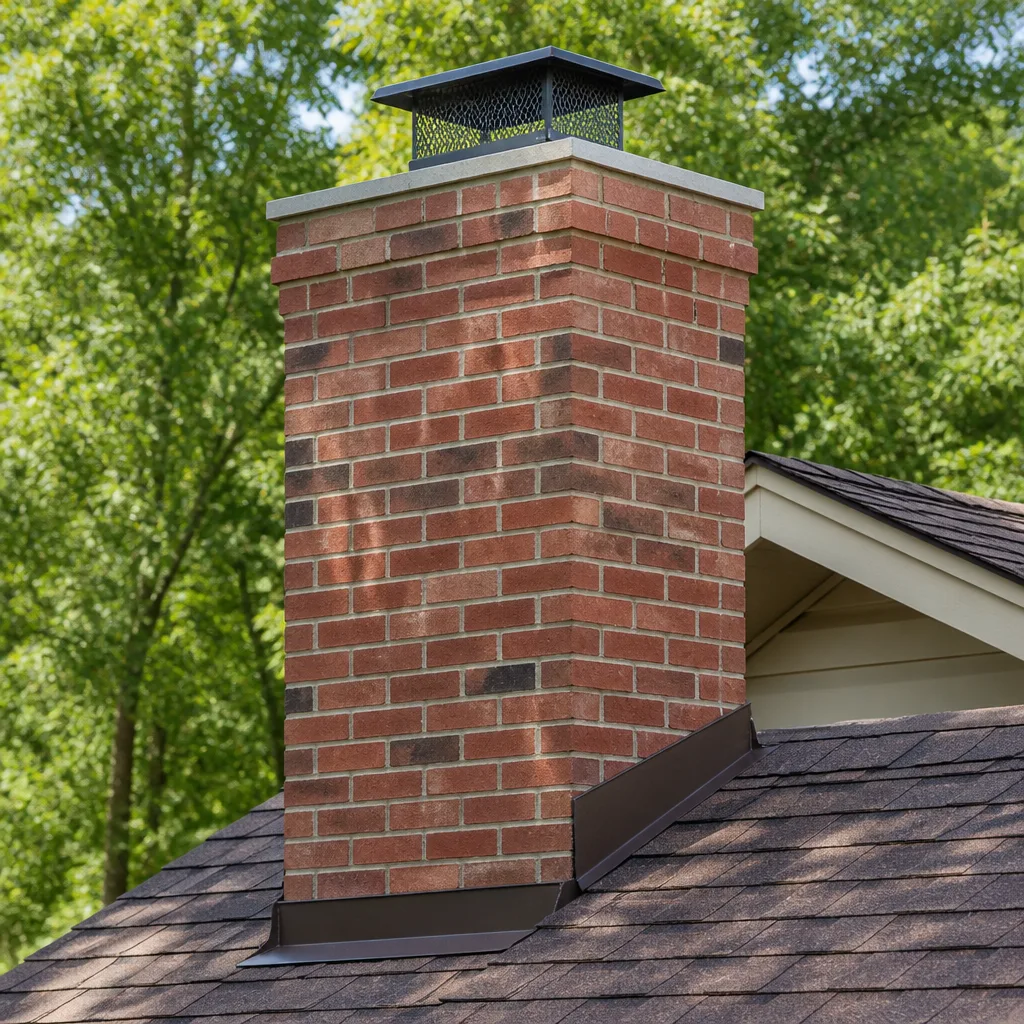 Masonry repair
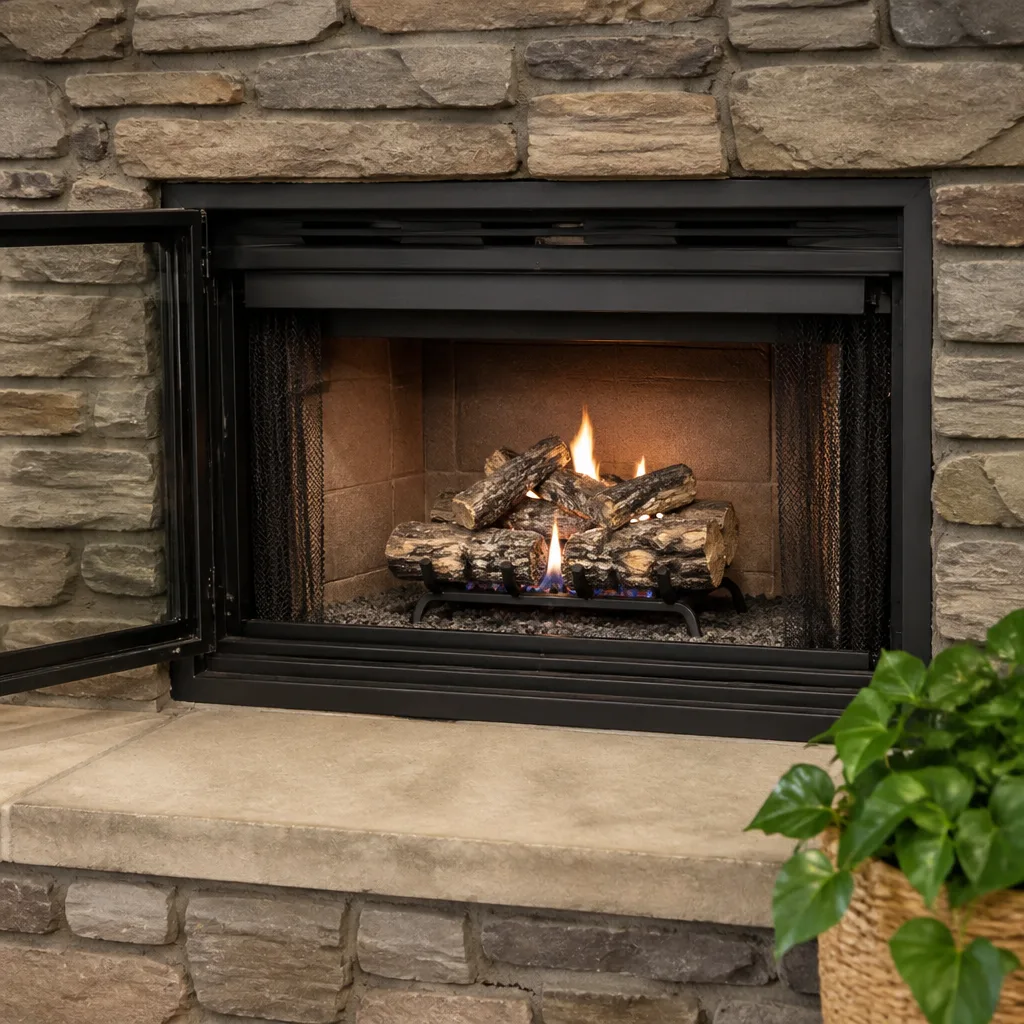 Gas fireplace service
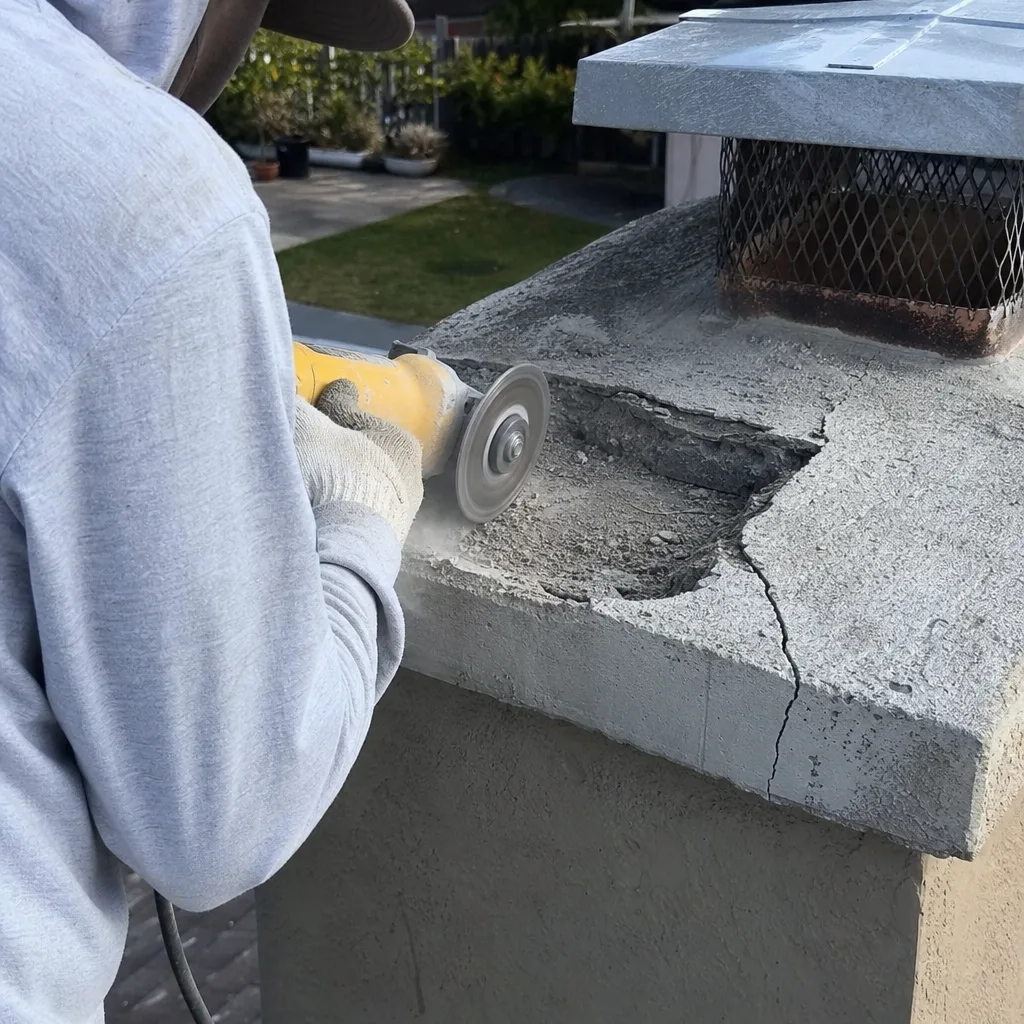
Level 1 sweep and inspection to the NFPA 211 annual standard - flue, crown, cap, and flashing checked and photographed
Chimney sweep logs do not sweep chimneys. They loosen some creosote - which then falls where a brush and vacuum still have to collect it.
Chimney Cleaning Permits, Codes & Inspections in Hialeah, FL: What You Need to Know
A sweep who repoints a few mortar joints doesn’t need a permit. A contractor who relays a flue liner, swaps out a chase cover on a prefabricated system, or changes the venting configuration on a fireplace might. That line between maintenance and alteration is where Hialeah homeowners get surprised, usually at the worst moment: a home inspection, an insurance claim, or a closing table. This guide explains what Florida Building Code and Miami-Dade County actually require for chimney work in Hialeah, how the High Velocity Hurricane Zone affects exterior chimney components, and how to verify whether work on a house you’re buying was permitted. You’ll finish knowing which jobs are routine maintenance and which ones leave a paper trail you should be able to find.
Quick Answer
Chimney cleaning and sweeping in Hialeah, FL do not require a permit. Routine maintenance like sweeping, inspection, and minor mortar repointing is exempt. But repair or alteration work, including relining a flue, replacing a chase cover or cap on a prefabricated system, or modifying venting, generally requires a permit through Miami-Dade County, and exterior components must meet High Velocity Hurricane Zone product approval requirements. If you’re buying a home in Hialeah, ask for the permit history on any chimney work before you close.
Styles & brands we work with
- Sweep & inspection
- Caps & crowns
- Flue relining
- Masonry repair
- Gas fireplace service
Table of Contents
- Where Maintenance Ends and Alteration Begins
- What Florida Building Code Section 1001 Covers
- How the HVHZ Affects Chimney Caps and Chase Covers
- Level 2 Inspections for Property Sales and Insurance Claims
- How to Check Permit History on a Hialeah Home
- What Unpermitted Chimney Work Means for Your Insurance
- The Three Levels of Chimney Inspection Explained
- When to Call a Professional
Where Maintenance Ends and Alteration Begins
Most of what a chimney professional does in Hialeah is maintenance, and maintenance is not permitted work. Sweeping a flue, running a camera inspection, replacing a damper that’s worn out with the same type of damper, and repointing cracked mortar in the firebox are all routine. The Florida Building Code treats these as repair and upkeep of an existing system, not construction. That’s why you can book a chimney sweep without anyone pulling paperwork first.
The classification changes when the work alters the system itself. In practical terms, here’s how the split usually falls:
- Maintenance, no permit: sweeping, visual and camera inspection, minor mortar repointing, damper replacement with a like-for-like unit, removing creosote and debris, replacing a spark screen on an existing frame.
- Alteration, permit likely required: relining a flue, changing from one liner material to another, replacing a chase cover or cap on a prefabricated chimney, changing the termination height, installing a new appliance connection, or converting a wood-burning fireplace to a different fuel type.
- Gray area, verify with the county: resurfacing an existing flue with a cast-in-place liner product, replacing a full masonry crown, or rebuilding the top few courses of a chimney above the roofline.
That last category matters because Hialeah has a large stock of older masonry homes, many with original chimneys that have survived decades of humid summers. When a flue is sound but pitted, a resurfacing product like HeatShield can rehabilitate the interior without a full tear-out, which extends the life of the existing flue. Whether that counts as repair or alteration depends on scope and on what your local building department says. We tell homeowners to ask the county directly before authorizing anything beyond a sweep. The answer is free and it protects you later.
What Florida Building Code Section 1001 Covers
Florida Building Code Section 1001 sets out the general requirements for chimneys and vents: how a chimney must be constructed, supported, and terminated, and what clearances apply. What it means for a Hialeah homeowner is narrower than people expect. It doesn’t say you need a permit to sweep. It says that when a chimney or vent is built or altered, the resulting assembly has to meet the code’s structural, clearance, and termination requirements, and the work has to be inspected.
The practical consequences that catch people in Hialeah:
- Termination height matters. A chimney that doesn’t extend far enough above the roof line or an adjacent structure can draft poorly or allow smoke to re-enter the home. If someone changes the termination, the code governs the new one.
- Clearances to combustibles are not negotiable. A liner installed tight against framing or insulation without the required clearance creates a fire pathway. Proper liner systems specify their own clearance requirements, which is why the material matters.
- Venting has to match the appliance. A wood stove, a gas fireplace, and a furnace each need venting sized and rated for that appliance. Improvised connections are where things go wrong.
- Inspection closes the loop. Permitted work requires an inspection before the job is signed off. That inspection record is what makes the work defensible at resale.
In our experience, the problems in Hialeah’s older homes rarely come from a bad sweep. They come from venting that was connected years ago without any record of who did it or what standard it was held to. When we open a flue and find a liner that doesn’t match the appliance, the honest answer is that a code-compliant fix isn’t cosmetic. It’s a repair, and it may need a permit. We’d rather tell you that up front than sweep over it.
How the HVHZ Affects Chimney Caps and Chase Covers
Miami-Dade County sits inside the High Velocity Hurricane Zone, and HVHZ requirements apply to exterior components that can become windborne debris or fail in a storm. A chimney cap or a prefabricated chase cover is exactly that kind of component. It’s mounted at roof level, it sees the highest wind pressures on the structure, and if it comes off it can damage the roof below or a neighbor’s property.
What this means practically: not every chimney cap or chase cover sold nationally is approved for installation in Miami-Dade County. HVHZ product approval is a specific listing, and a component that’s fine in another state may not carry the approval needed here. When a prefabricated chimney’s chase cover rusts through and gets replaced, the replacement should be a product approved for this zone. A generic galvanized cover from a local hardware shelf may close the hole, but it may not satisfy the requirement, and a future inspector or buyer’s agent can flag it.
This is one of the reasons we specify trade-grade components from manufacturers who understand the requirements. Olympia Chimney and Gelco products are part of the roster we work with because they’re built to recognized venting standards rather than being generic substitutes. On a Hialeah roof, the difference between a correctly approved chase cover and a hardware-store lid is the difference between a defensible install and a question you can’t answer at resale.
One safety note: any work that involves getting onto the roof, opening a prefabricated chimney, or handling the termination carries real fall and burn risk. This isn’t a homeowner job even for a confident do-it-yourselfer. A trained professional with the right equipment should be the one on the roof.
Level 2 Inspections for Property Sales and Insurance Claims
A Level 2 inspection is the standard most often requested when property changes hands or an insurance claim is filed. It goes beyond the visual check of a Level 1: it includes a camera examination of accessible flue interiors, inspection of accessible portions of the chimney exterior and interior, and inspection of the attic, crawlspace, and other accessible areas where connections run. The camera evidence is what makes it useful, because you can see what the inspector saw.
In Hialeah, this matters for two situations:
- Property sales. A buyer’s home inspector will often flag the chimney as an area of unknown condition, especially on a home old enough that no one remembers the last time the flue was opened. A Level 2 inspection gives both sides a documented baseline instead of a guess. Sellers who have one in hand remove a common negotiating lever.
- Insurance claims. If a chimney-related event prompts a claim, the carrier will want to know the condition of the system and whether any alteration of the flue or connections has occurred. Camera documentation taken during an inspection is the clearest evidence there is. An insurer asking whether a liner was professionally installed and permitted is a very different conversation from one looking at a photo of a flue interior.
We recommend a Level 2 inspection any time a Hialeah home changes ownership, after any chimney fire, after a lightning strike or storm that damaged the roof, and whenever a wood-burning system is converted or relined. It’s also worth having one if you’ve never seen the inside of your own flue and you don’t know what’s there. Nothing gets recommended on the strength of an unsupported opinion. If we say a liner is failing, we show you the footage.
How to Check Permit History on a Hialeah Home
If you’re buying a home in Hialeah and you want to know whether chimney work was permitted, you can check through Miami-Dade County’s public records portal. The county maintains permit records that are accessible to the public, and the chimney work will show up there if it was done through the county. Here’s the process in order:
- Get the address and parcel number. Your real estate agent or the county property appraiser’s records can supply the parcel number, which narrows the search far faster than an address alone.
- Search the county permit portal. Miami-Dade’s records system lets you look up permits by address or parcel. Look for permits related to the chimney, fireplace, flue, or roof work near the chimney location.
- Note whether each permit was closed out. An open permit is a red flag. A permit that was pulled but never received final inspection means the work wasn’t signed off, and it can become your problem as the new owner.
- Compare the dates to the home’s history. A chimney that looks recent but has no permit record for the period it was built or replaced deserves a direct question to the seller.
- Ask for documentation of the liner or cap if a permit exists. The permit tells you work happened. The product approval and installation documentation tells you what was used.
Absence of a record isn’t automatic proof that work was unpermitted; records systems have gaps, and some very old work predates digital filing. But a missing record on recent work is a question worth asking while you still have negotiating room. We’ve seen buyers in Hialeah discover an unpermitted liner during a Level 2 inspection after closing. That’s the expensive version of this story, and it’s avoidable.
What Unpermitted Chimney Work Means for Your Insurance
Unpermitted chimney work can affect whether a homeowners insurance policy responds to a chimney-related loss, and it can complicate a claim after a fire or a smoke event even if the loss is otherwise covered. That’s the honest version: not that your policy will automatically deny everything, but that an insurer investigating a claim will look at whether the system was altered, whether the alteration was permitted and inspected, and whether anything about the work contributed to the loss. An unpermitted reline or a chase cover that wasn’t approved for the HVHZ gives the carrier questions to ask that a permitted, documented job simply doesn’t.
There’s a resale dimension too. When you sell a Hialeah home, the buyer’s inspector and the buyer’s insurer both touch the chimney question. An unpermitted alteration that surfaces during due diligence can stall a closing, force a price reduction, or require you to permit the work retroactively, which is a longer and more expensive path than doing it right the first time.
The practical protection is simple: keep records. When work is permitted, the permit and inspection record live in the county system. When a repair uses a specific product, keep the documentation showing what was installed. This is part of why we specify named trade products rather than generic materials: DuraFlex flexible liner systems, HeatShield resurfacing, Gelco and Olympia Chimney components, and Famco venting products for dryer work all come with a traceable identity. If a future buyer or insurer asks what was installed in your flue, you can answer with a product name instead of a shrug.
The Three Levels of Chimney Inspection Explained
Chimney inspections are standardized into three levels, and knowing which one you need saves time and avoids paying for scope you don’t require. The levels are cumulative: Level 2 includes everything in Level 1, and Level 3 includes everything in Level 2 plus access to concealed areas.
- Level 1: routine, annual check. A visual examination of readily accessible portions of the chimney and venting, plus the appliance connection, without tools that open or dismantle anything. This is what a standard annual sweep visit includes. It’s appropriate when conditions haven’t changed and you’ve had the system serviced regularly.
- Level 2: camera and accessible-area inspection. Adds a camera examination of accessible flue interiors, inspection of accessible attic and crawlspace areas, and inspection of accessible chimney exterior portions. Required when a property is sold, when an appliance or fuel type changes, after an event that could have damaged the chimney (a chimney fire, a storm, a lightning strike), or when a Level 1 reveals a concern.
- Level 3: targeted access. Involves opening concealed areas, such as removing part of a wall or chimney enclosure, to examine a specific area of concern. This is used when a serious hazard is suspected and the only way to confirm it is to get at it directly.
For most Hialeah homeowners on a normal schedule, a Level 1 inspection with a sweep is the right annual baseline. For anything tied to a sale, a claim, or a change to the system, a Level 2 with camera documentation is the standard we work to. And it’s worth saying plainly: a lot of what gets escalated to expensive repair in this trade could have waited. If a camera shows a flue with normal wear and no failed sections, we say so and tell you when to come back.
Common Mistakes to Avoid
- Assuming all chimney work is exempt because “sweeping doesn’t need a permit.” That’s true for sweeping and not true for relining or replacing a prefabricated chase cover. If the scope changes the system rather than maintaining it, ask the county before you authorize the work.
- Letting a cap or chase cover be replaced with an unapproved product. In the High Velocity Hurricane Zone, the replacement component should carry approval for this zone. A generic cover may close the opening and still fail the requirement.
- Skipping a Level 2 inspection when buying a Hialeah home. A home inspector will flag the chimney as unknown condition, and you’ll be negotiating blind. A camera inspection before closing gives you documented facts.
- Not checking permit history before closing. Miami-Dade’s records portal is public. An open permit on chimney work, or a missing record on a recent reline, is easier to resolve before you own the house.
- Believing every recommendation without seeing the evidence. Ask for the camera footage and a photo report. If a technician can’t show you what’s failing, you’re entitled to wait on the repair and get a second look.
- Treating the dryer vent as a separate matter. Dryer venting is a fire-hazard system the same way the chimney is, and a lint-clogged vent is a genuine risk. Pairing dryer vent cleaning with a chimney visit catches two hazards in one appointment instead of two.
- Forgetting that the venting standard applies to the dryer too. Improvised dryer terminations can create backdraft and void appliance warranties. Famco venting components exist for a reason: the termination and hood have to be right.
When to Call a Professional
Call a professional when you’re buying or selling a home in Hialeah and the chimney’s condition is unknown; when your insurer or a claim adjuster asks about the flue; when you smell smoke in the house during or after a fire, which suggests a draft or venting problem; when you see cracked or displaced liner tiles through the firebox; when creosote has built up enough that you can’t see the flue walls; or when a storm has loosened a cap, chase cover, or chimney component on the roof. Any of these is a reason to have the system examined with a camera before you spend money on repair. Chimney Sweep Hialeah offers free estimates in Hialeah, and our technicians have up to 12 years of experience: call (855) 918-2061.
See the difference
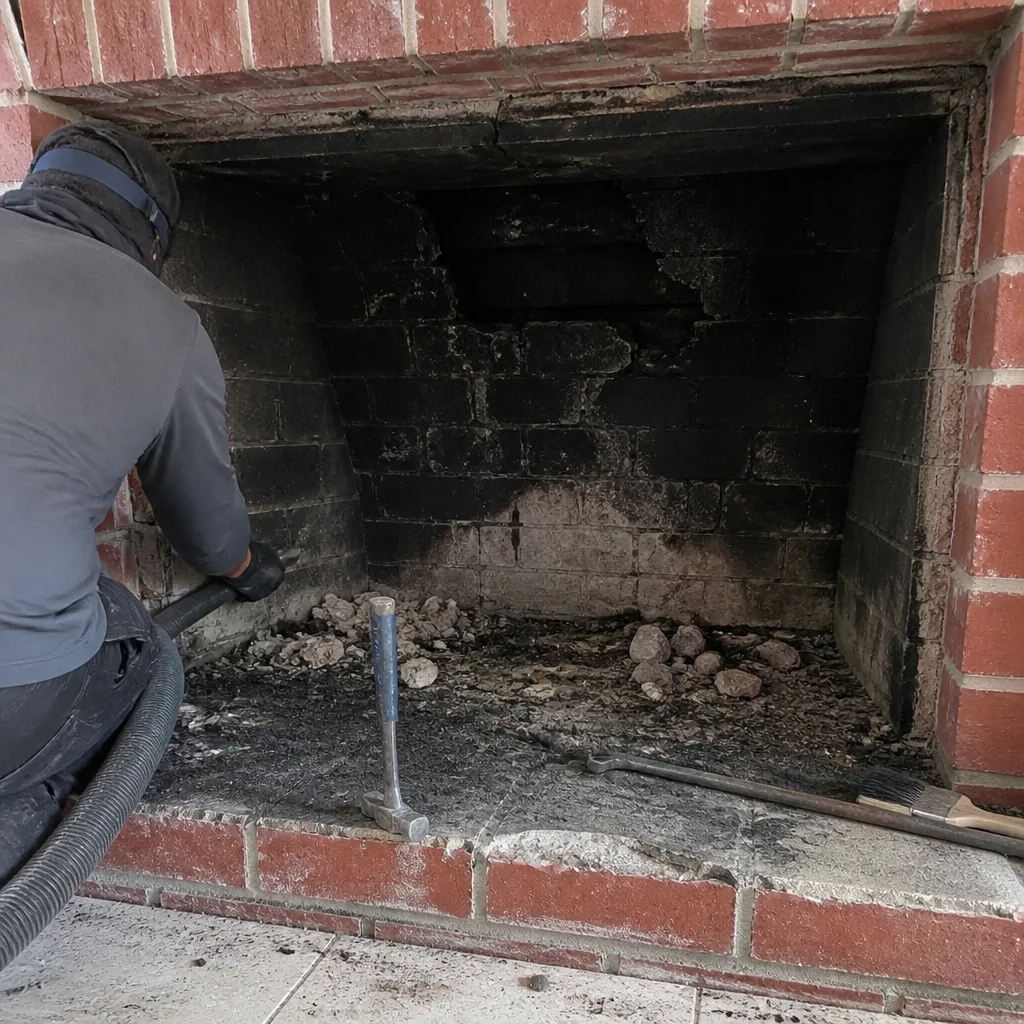 Before
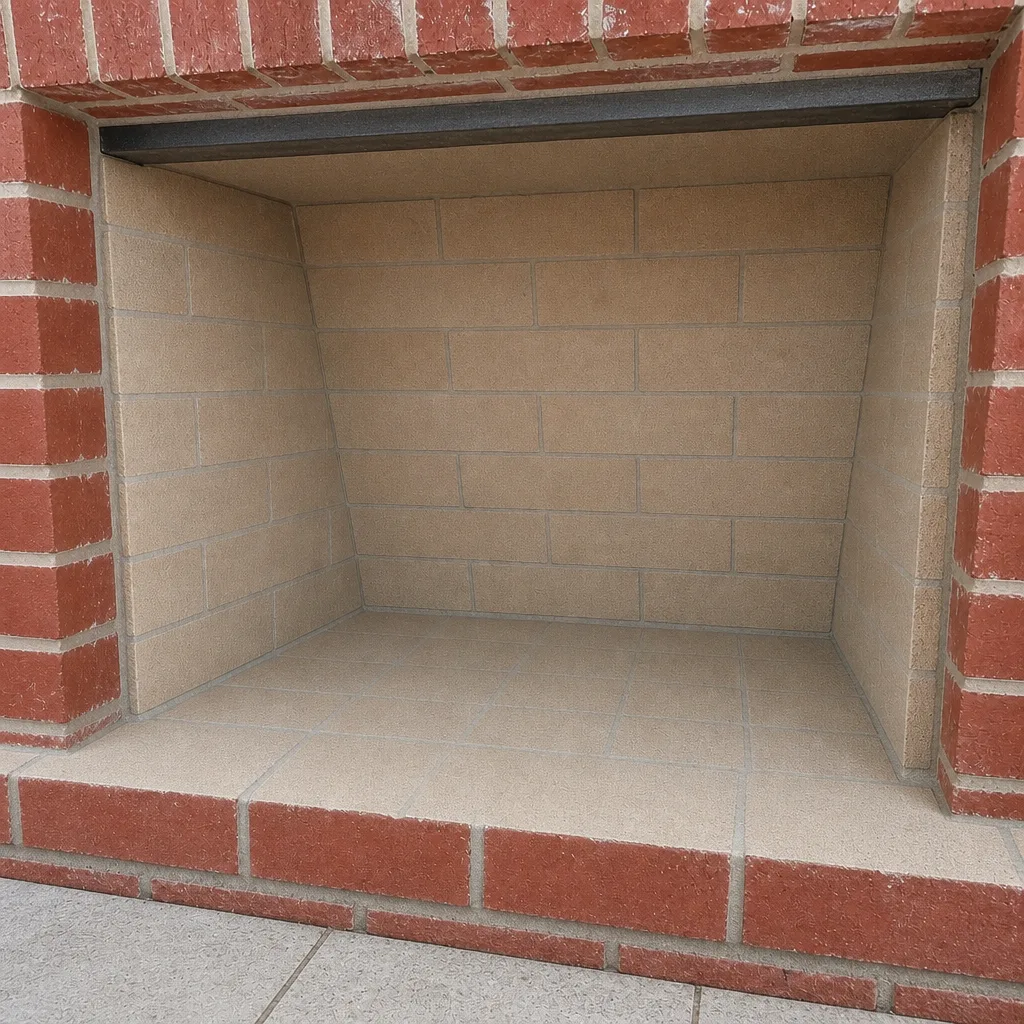 After
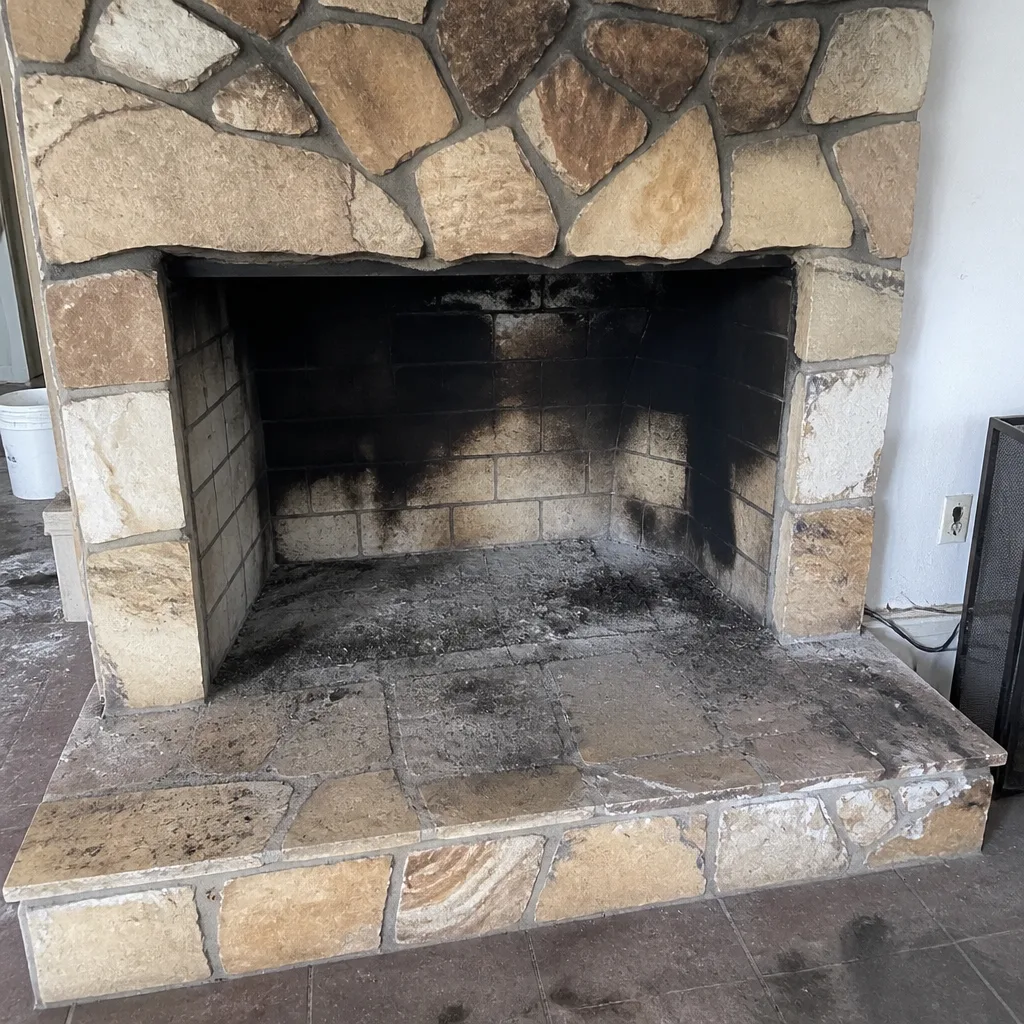 Before
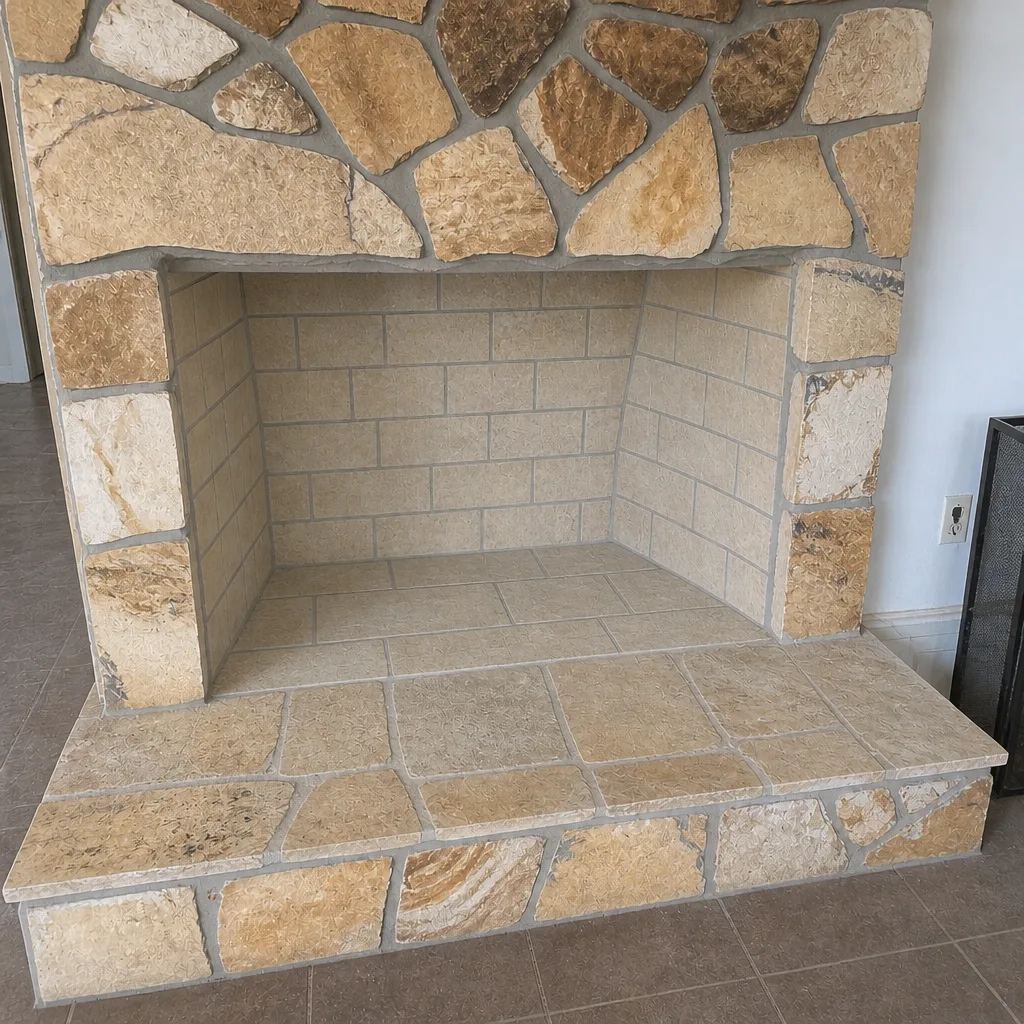 After
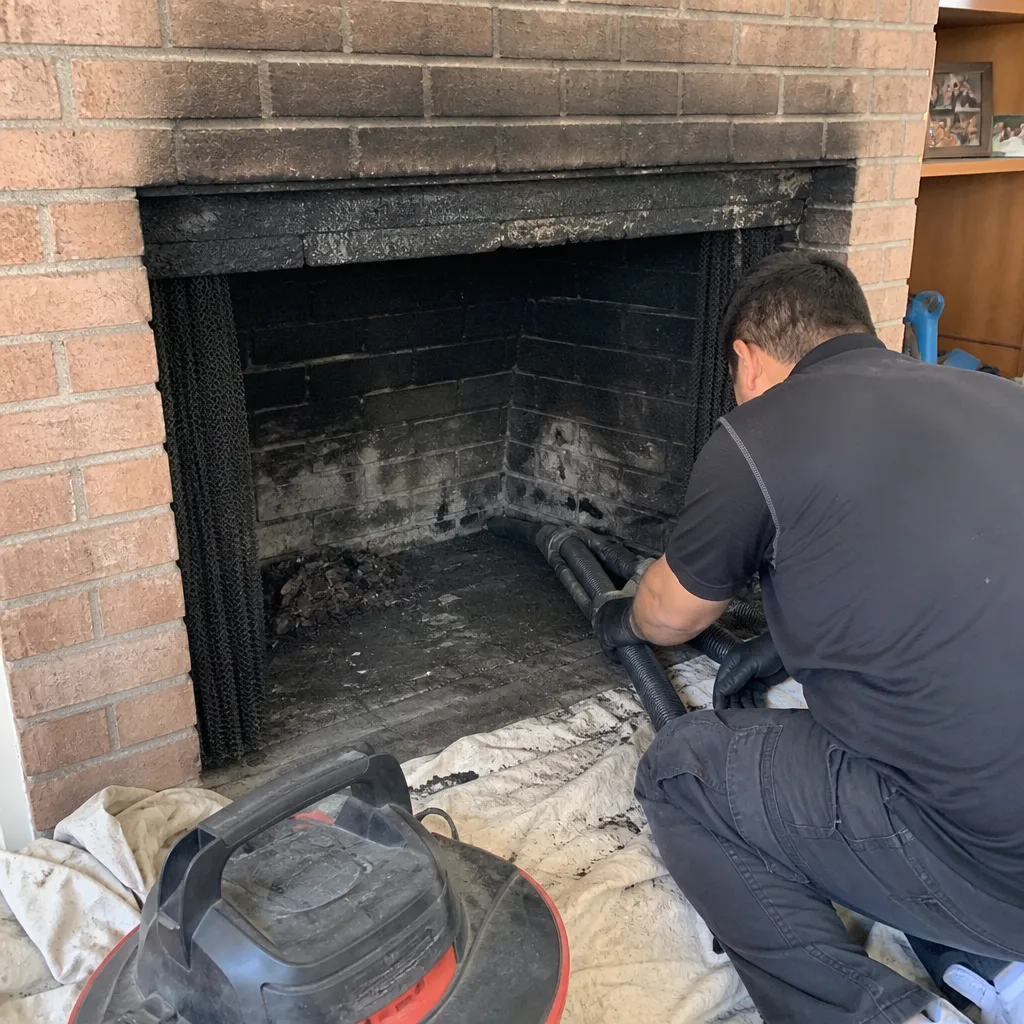 Before
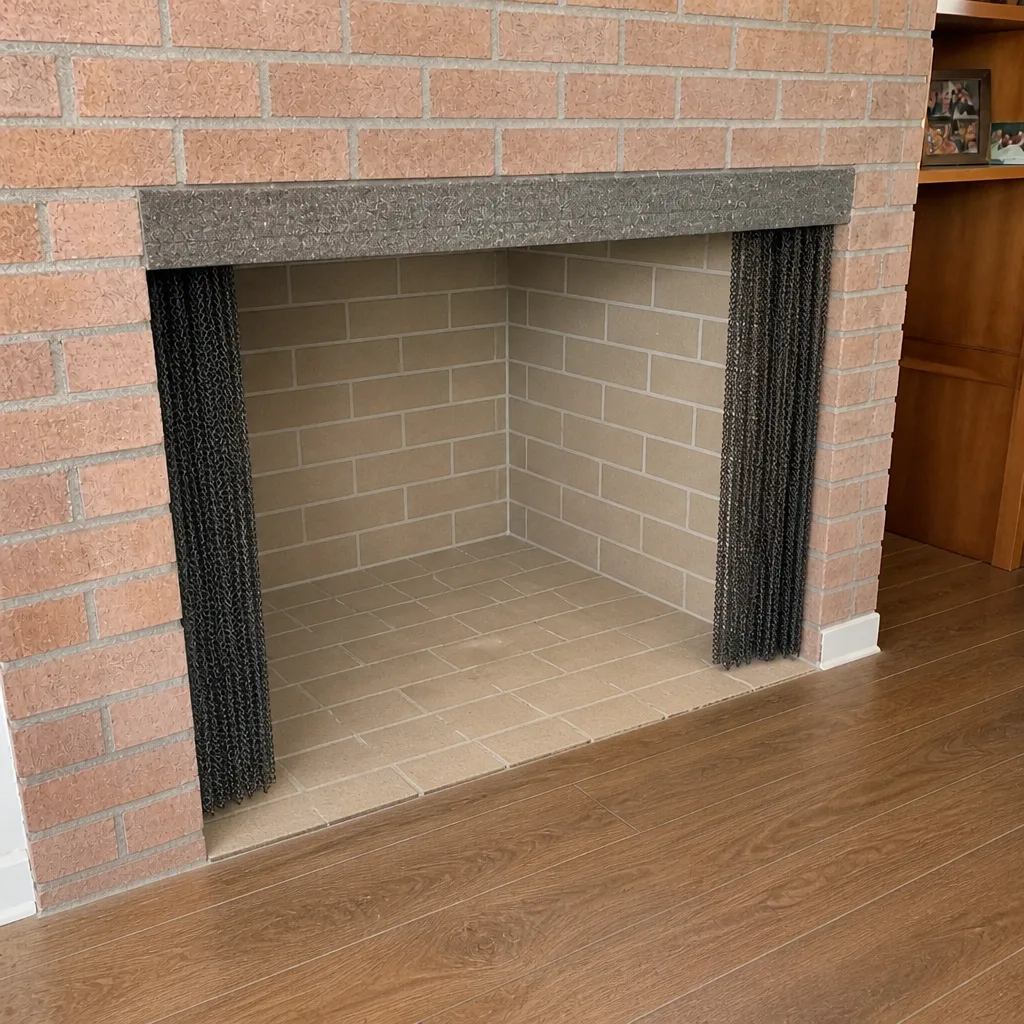 After
Frequently Asked Questions
No. Chimney cleaning and sweeping in Hialeah do not require a permit, because sweeping and inspection are maintenance of an existing system rather than alteration. No paperwork is needed for a routine sweep or a Level 1 or Level 2 inspection. Repairs that change the system, such as relining a flue or replacing a chase cover, are a different question. Call (855) 918-2061 and we’ll tell you which category your job falls into before you book.
It can, especially on a prefabricated chimney where the cap or chase cover is part of the listed venting system, and the replacement component must meet High Velocity Hurricane Zone product approval requirements in Miami-Dade. A simple spark screen on an existing frame is maintenance. A chase cover or cap replacement on a prefabricated system is worth checking with the county first. Call (855) 918-2061 for an estimate and we’ll walk through what the job involves.
A Level 1 inspection is a visual check of readily accessible portions of the chimney and venting, while a Level 2 adds a camera examination of accessible flue interiors, plus accessible attic, crawlspace, and exterior areas. A Level 2 is the standard for property sales, insurance claims, appliance changes, and after a chimney fire or storm event. If you’re not sure which you need, call (855) 918-2061 and we’ll match the inspection to your situation.
Search Miami-Dade County’s public records portal using the property’s address and parcel number, then look for permits related to the chimney, fireplace, flue, or roof. Check whether each permit was closed out with a final inspection. A missing record on recent work is a question for the seller and a reason to order a Level 2 inspection. Call (855) 918-2061 to schedule one before closing.
It can complicate a claim, because an insurer investigating a chimney-related fire or smoke event will ask whether the system was altered and whether that alteration was permitted and inspected. It doesn’t mean every claim is denied, but it gives the carrier questions that a permitted, documented job avoids. Keeping product documentation for anything installed in your flue helps. Call (855) 918-2061 for an inspection with a photo report you can keep on file.
Once a year is the standard for a chimney in active use, and more often if you burn heavily or notice draft or odor problems. Hialeah’s humidity means masonry chimneys can degrade from moisture as much as from heat, so an annual visual check catches small issues early. Any inspection can be booked through our Hialeah service page. Call (855) 918-2061 and we’ll set a time.
Getting the Right Answer for Your Chimney
The permit question comes down to one distinction. Maintenance, like sweeping, inspection, and minor repointing, doesn’t require a permit in Hialeah. Alteration, like relining a flue, replacing a prefabricated chase cover, or changing venting, generally does, and exterior components in Miami-Dade’s High Velocity Hurricane Zone need approved products. That’s why a Level 2 inspection with camera documentation is worth having before you buy, sell, or file a claim: it gives you and everyone else a factual baseline instead of an argument.
The other thing to carry forward is evidence. Unpermitted work doesn’t just create a code problem. It creates a question you may have to answer in a claim or a closing, often years later. Nothing on your chimney should be recommended without camera footage you’ve seen yourself, and if the work can safely wait, we’ll tell you it can wait.
Ready for a straight answer about what your flue actually needs? Call (855) 918-2061 for a free estimate. We answer 24/7. Fast dispatch from 7am to 7pm, Sunday through Friday.
Written by the team at Chimney Sweep Hialeah.