
Last updated November 14, 2026
 Sweep & inspection
 Caps & crowns
 Flue relining
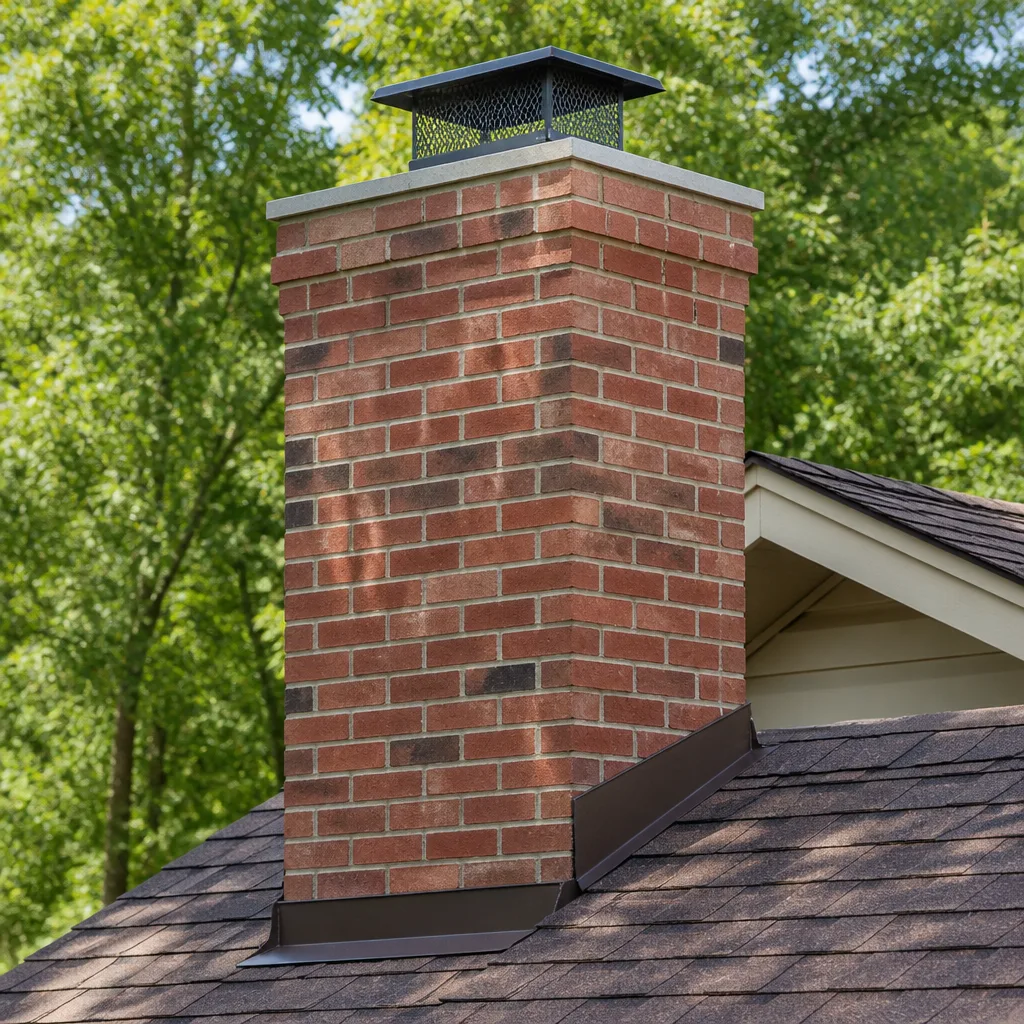 Masonry repair
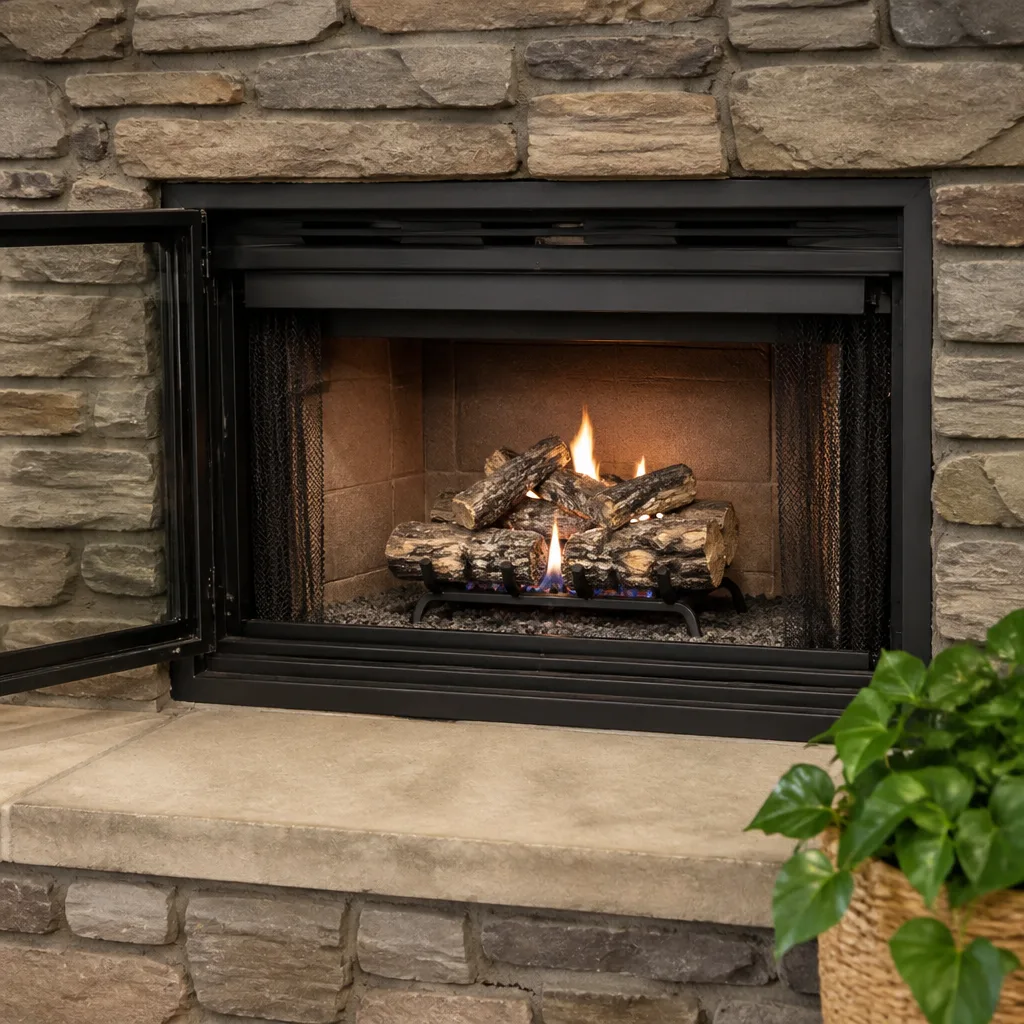 Gas fireplace service
Level 1 sweep and inspection to the NFPA 211 annual standard - flue, crown, cap, and flashing checked and photographed
Chimney sweep logs do not sweep chimneys. They loosen some creosote - which then falls where a brush and vacuum still have to collect it.
Chimney Cleaning Emergency Preparedness Guide for Hialeah Homes
Most chimney emergency guides you’ll find online were written for places with hard winters, ice damming, and months of heavy fireplace use. That’s not what a chimney emergency looks like here. In Hialeah, the far more common scenario is a summer storm that lifts a loose chimney cap, drives rain straight down the flue, and leaves a homeowner standing in front of a firebox full of water the next morning. Or an animal that finds its way into an open chase. Or a draft problem in a gas appliance that shows up suddenly, with no fire involved at all.
This guide is about those situations. We’ll walk through the three most common chimney emergencies we see in Hialeah, what to do in the first ten minutes, how to tell a real emergency from something that can wait, and how to document damage for an insurance claim. You’ll learn how South Florida chimney problems actually present, so you’re not caught off guard by the wrong emergency.
Quick Answer
The most likely chimney emergencies in Hialeah are weather-related: storm-damaged caps, water intrusion into the firebox, animal entry, and sudden draft failure in gas systems. If you find water inside your firebox, don’t light a fire, don’t touch wet electrical components near the hearth, and call a chimney specialist with photos and details ready. A collapsed flue, active smoke backup into living space, or the smell of gas requires calling 911 first, not a contractor.
Styles & brands we work with
- Sweep & inspection
- Caps & crowns
- Flue relining
- Masonry repair
- Gas fireplace service
Table of Contents
- The Three Most Common Chimney Emergencies in Hialeah
- What to Do If You Find Water Inside Your Firebox
- How to Temporarily Seal a Storm-Damaged Flue Opening
- 911, a Specialist, or a Scheduled Appointment?
- Documenting Chimney Damage for an Insurance Claim
- Sudden Draft Failure: The Gas System Case
- Animal Entry and Blockage: What to Do First
- Year-Round Preparedness for Hialeah Homes
The Three Most Common Chimney Emergencies in Hialeah
Chimney fires get the headlines, but they’re not what fills the calls here. Ranked by how often they actually happen in Hialeah, the three chimney emergencies that catch homeowners off guard are storm damage, animal entry and blockage, and sudden draft failure in a gas system. Each behaves differently, and each calls for a different first response.
1. Storm damage
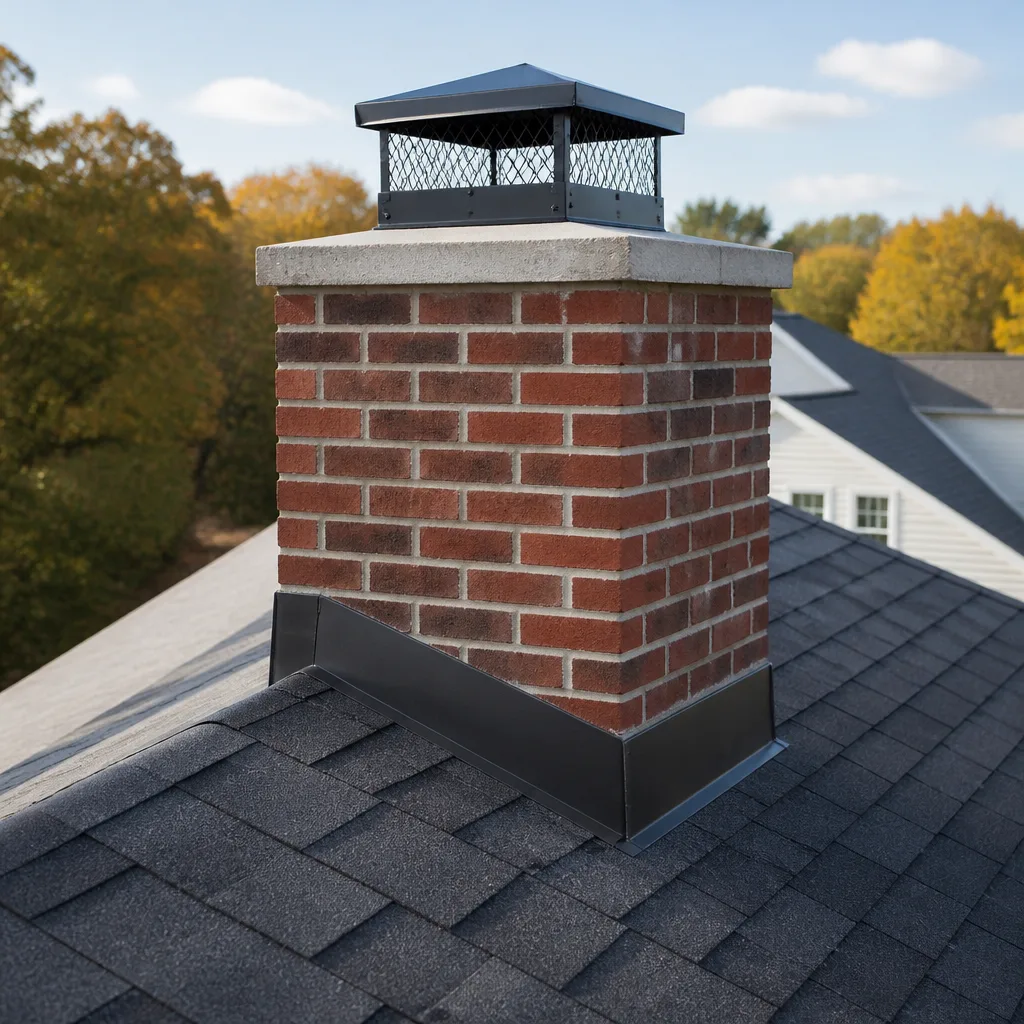
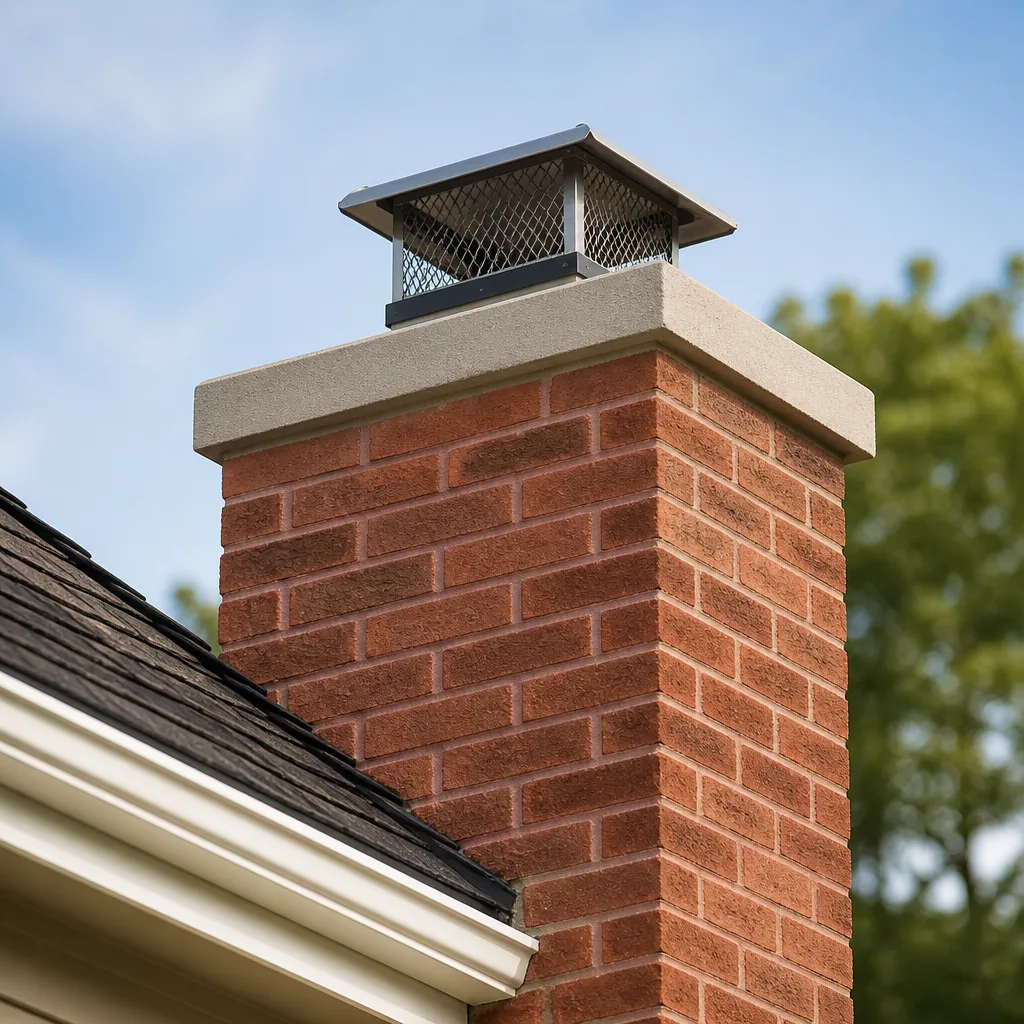
Hialeah’s afternoon storms and seasonal weather systems are hard on chimney exteriors. A chimney cap is the metal or masonry cover at the top that keeps rain, debris, and animals out. When wind or a falling limb knocks it loose or off entirely, the flue is suddenly open to the sky. From that point, every rainstorm sends water directly down into the firebox and the smoke chamber.
The damage isn’t always visible from the ground. A cap that’s shifted two inches can look fine from your yard. What you’ll notice instead is water in the firebox, a damp smell, or stains on the firebox walls after a storm.
2. Animal entry and blockage
Birds, squirrels, and raccoons treat an uncapped or damaged flue as a sheltered cavity. They nest, and the nest material blocks the flue. A blocked flue means smoke has nowhere to go but back into your home, and it’s a fire hazard if you light a fire without knowing the blockage is there. An animal that falls into a flue and can’t get out is a serious situation on its own.
3. Sudden draft failure in a gas system
Gas fireplaces and gas appliances rely on a properly sized, unobstructed flue to vent combustion byproducts outside. When that draft fails, combustion gases, including carbon monoxide, can spill back into the home. A draft failure can happen suddenly, without any storm or obvious cause, and it’s the reason carbon monoxide detectors near gas appliances matter.
Storm damage and animal entry are usually obvious once you look. Draft failure is the one that sneaks up. If your gas fireplace suddenly smells off, produces a lazy flame, or your carbon monoxide detector sounds, treat it as urgent.
What to Do If You Find Water Inside Your Firebox
You open the fireplace door after a storm and there’s standing water or a soaked firebox floor. Here’s the immediate sequence. First, don’t light a fire. Don’t try to burn the moisture away, and don’t assume it will dry out on its own, because water sitting in a firebox can damage the refractory masonry and the damper.
What to touch and what not to touch:
- Don’t touch any electrical components near the hearth, including blowers, gas valves, or igniters on a gas unit. Water and electricity don’t mix, and a wet gas valve is a job for a professional.
- Don’t light a fire in a wet firebox. The refractory material can crack when heated while damp, and that’s a repair, not a fix.
- Do photograph the water level, the firebox interior, and the damper before you do anything else. This is your insurance documentation.
- Do check the chimney cap from the ground with binoculars or a phone zoom. If it’s missing or shifted, that’s your likely source.
- Do note whether the damper is open or closed, and whether you can move it freely.
Before you call a specialist, have this ready: the approximate date and time you noticed the water, whether there was a recent storm, what the cap looks like from the ground, whether the firebox is masonry or prefabricated, and whether the unit is wood-burning or gas. That information lets a specialist tell you on the phone whether this is a same-day call or something that can be scheduled.
If you’re in Hialeah and want a professional set of eyes on the firebox and flue, a chimney sweep with camera capability will show you exactly what the water did inside the flue, not just the firebox floor. We use professional-grade brands like Copperfield and DuraFlex when a repair requires replacing components, so you’re not patching the problem with hardware-store parts.
How to Temporarily Seal a Storm-Damaged Flue Opening
Sometimes a storm damages the cap and you can’t get a repair appointment the same week. A temporary seal keeps rain out and animals from moving in. The goal is to keep the flue dry and closed off, not to make a permanent repair. Anything you do here is a stopgap until a specialist can do the real work.
- Get on the ground and assess. If the cap is missing, note the flue opening size and whether the crown or chase cover is cracked. Don’t climb on the roof if it’s wet or steep, and don’t attempt this on a roof you’re not comfortable on.
- Use a breathable cover, not a plastic tarp. A plastic sheet traps moisture and can create condensation. A piece of plywood or a heavy canvas tied down over the opening is better. Never seal a flue that’s connected to a gas appliance or an active fire.
- Secure it against wind. Hialeah storms can produce strong gusts. A cover that lifts off in the next storm is worse than no cover, because it can end up in your yard or a neighbor’s.
- Mark the calendar. A temporary seal means no fires in that fireplace until it’s repaired. Note the date you sealed it so you don’t forget why the fireplace is out of service.
A temporary cover is not a repair. An open or improvised cap allows water to pool at the top of the flue liner, which is where real damage starts. When we install a proper replacement, we specify components like a Copperfield cap that’s sized correctly to the flue. The seal is the stopgap. The correctly sized cap is the fix.
911, a Specialist, or a Scheduled Appointment?
Triage is the hardest part of a chimney emergency. Not every problem is a same-day call, and treating a minor issue as a crisis wastes your time and money. Here’s how we sort it.
Call 911 if:
- You smell gas, or you hear hissing near a gas line or gas appliance.
- A carbon monoxide detector has sounded, or anyone in the home has symptoms like headache, dizziness, or nausea.
- There’s active smoke backing up into the living space with no obvious cause, especially from a gas appliance.
- A fire is burning in or around the chimney, or there’s visible flame outside the firebox.
- The chimney structure is actively collapsing or a large piece of masonry has fallen.
Call a chimney specialist the same day if:
- Water is pooling in the firebox after a storm.
- An animal is trapped in the flue.
- The chimney cap is missing or clearly damaged, and more rain is coming.
- Your gas fireplace is producing a lazy flame or a strong odor but the CO detector is quiet.
Schedule a regular appointment if:
- You noticed water stains on the firebox walls but no standing water.
- The cap is intact, but you saw debris or a bird’s nest through the top.
- It’s been a while since your last sweep, and you want to get ahead of burning season.
If a problem lands in the “same day” or “schedule” column, a call to a Hialeah specialist will help. We answer 24/7. Fast dispatch from 7am to 7pm, Sunday through Friday. A call outside dispatch hours is booked into the next opening.
Documenting Chimney Damage for an Insurance Claim
Insurance claims for chimney damage are won or lost on documentation. The adjuster wasn’t there when the storm hit, and they’ll rely on what you submit. The sequence matters as much as the photos.
Here’s the documentation checklist we recommend:
- Photos of the whole chimney from the ground before any cleanup. Take a wide shot and a close-up of the cap, crown, and flashing. Timestamp your photos.
- Photos of the interior damage before you clean anything up. Water level in the firebox, staining on walls, damaged damper. Don’t wipe the firebox until you’ve photographed it.
- Notes on the weather event that caused it: date, time, and a description of what you observed. Your phone’s weather history and any local storm reports help.
- A written scope of work from the contractor that details what’s damaged, what needs replacing, and the part numbers and brands. This is where specifying brands matters. A written scope that names Copperfield or DuraFlex components is more credible to an adjuster than “replace chimney cap.”
- Before-and-after photos if any repair is done before the adjuster inspects. Coordinate with your adjuster first, because some claims require their inspection before work starts.
Ask your contractor, in writing, for the parts list, the brands specified, and how they determined the fix. A specialist who works with an intentional roster of professional-grade brands can give you that in writing. That’s part of why we specify the brands we do: the paperwork backs up the work.
Sudden Draft Failure: The Gas System Case
Draft failure in a gas system is the emergency that surprises people most, because there’s no storm and no water. One day the fireplace works, and the next day it doesn’t. What changes is the pressure balance inside the flue.
A gas appliance needs the flue to pull combustion byproducts up and out. When that pull fails, exhaust spills back into the room. A handful of things can cause it: a blockage from a nest or a fallen cap, a cracked flue liner, a flue that’s too short for the appliance, or a backdraft from another exhaust fan in the home pulling air the wrong way.
What to watch for:
- The flame burns lazy or lifted instead of steady blue.
- Soot builds up quickly on the glass or firebox walls.
- A CO detector sounds or reads elevated.
- You smell combustion byproducts in the room.
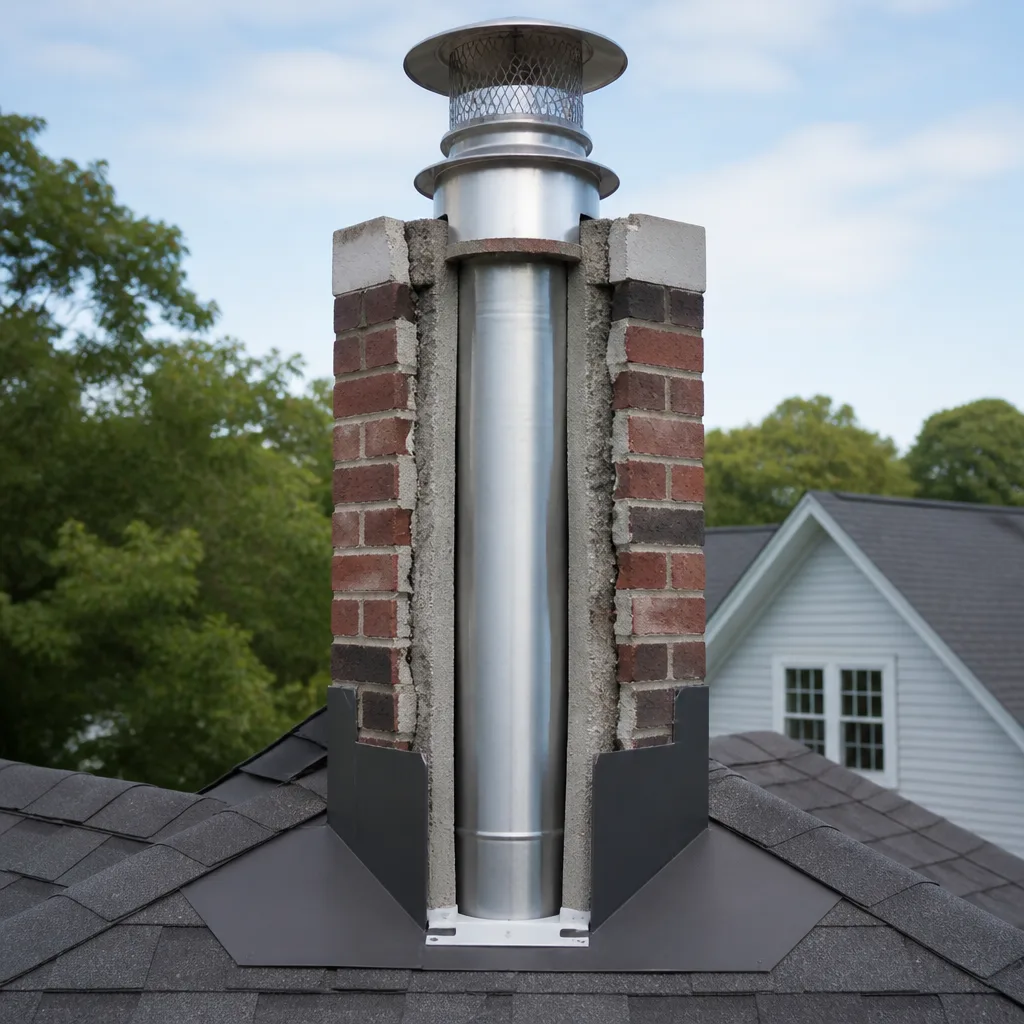
Never run a gas appliance you suspect is backdrafting. Turn it off, open a window, and get out if a CO detector is going off. This is not a DIY diagnosis. Draft problems are diagnosed with a combustion analyzer and a camera inspection, and a proper fix often means looking at the liner. Components like a DuraFlex flexible liner handle venting retrofits in older or irregularly shaped flues where a rigid system won’t work, and HeatShield resurfacing can rehabilitate a flue that’s cracked without a full replacement.
If you live in Hialeah and your gas fireplace has suddenly started behaving differently, that’s worth a call. Call (855) 918-2061. We answer 24/7. Fast dispatch from 7am to 7pm, Sunday through Friday.
Animal Entry and Blockage: What to Do First
You hear scratching in the chimney. Or a bird flies out of the flue into your living room. Either way, the first move is not to light a fire or try to smoke the animal out.
- Don’t light a fire. An animal or a nest in the flue is a fire hazard, and smoke will come into the room, not out the top.
- Keep the damper closed if the animal is above the damper. That traps it up top and keeps it out of the living space.
- Open a door or window to the outside so a bird that’s already in the room has a way out. Turn off ceiling fans and keep pets out of the room.
- Get the flue checked professionally before your next fire. An animal that’s gone leaves behind a nest, feathers, and droppings, and that nest has to come out before the flue is safe to use.
The real prevention is a proper cap at the top. A cap that’s correctly sized to the flue and securely attached keeps birds, squirrels, and raccoons out. If your cap is missing or was never installed, that’s the repair to schedule before the next nesting season.
Year-Round Preparedness for Hialeah Homes
The best emergency plan is the boring one: a sweep and inspection before burning season, a look at the cap, and a working CO detector. But Hialeah’s storm pattern means the check-in should happen at two points, not one.
Here’s the calendar we suggest:
- Before burning season, get a sweep and inspection. A camera inspection shows you what’s in the flue and gives you a photo report. That’s the baseline. Ask for the photos, because you’re the one who needs to see what the sweep sees.
- After any major storm, do a ground-level look at the cap and the crown. If you see damage or water in the firebox, photograph it and call.
- Once a year, test every carbon monoxide detector in the home and check the expiration date. Gas appliances need a working CO detector, and a detector that’s past its date is a paperweight.
The same visit can also cover the dryer vent. A clogged dryer vent is a fire hazard, and addressing both in one appointment means two fire-hazard systems get looked at together instead of two separate contractor calls. Pairing a dryer vent cleaning with the chimney sweep is the efficient way to handle it.
Common Mistakes to Avoid
- Lighting a fire in a wet or blocked flue. It seems like the fastest way to “dry it out” or “clear it,” but it’s the fastest way to crack refractory masonry or push smoke into the room. Wait for a specialist.
- Tarping an active flue with plastic. A plastic sheet traps moisture and can create condensation inside the flue. Use a breathable cover, and never seal a flue connected to a gas appliance.
- Assuming the cap is fine because the roof looks fine. Hialeah’s storms can shift a cap without obvious exterior damage. Check the firebox after any major rain.
- Calling a general handyman for a chimney repair. Chimney components need to be sized and specified correctly. Generic parts can void appliance warranties or create backdraft. Specialists specify brands like Gelco and Olympia Chimney for a reason.
- Cleaning up before photographing for insurance. Once you wipe the firebox or clear debris, you’ve destroyed your evidence. Photograph first.
- Ignoring a CO detector. A sounding detector is not a nuisance. Get out and call 911.
- Skipping the annual sweep because it’s been a mild season. Blockages and damage accumulate whether or not you’re lighting fires.
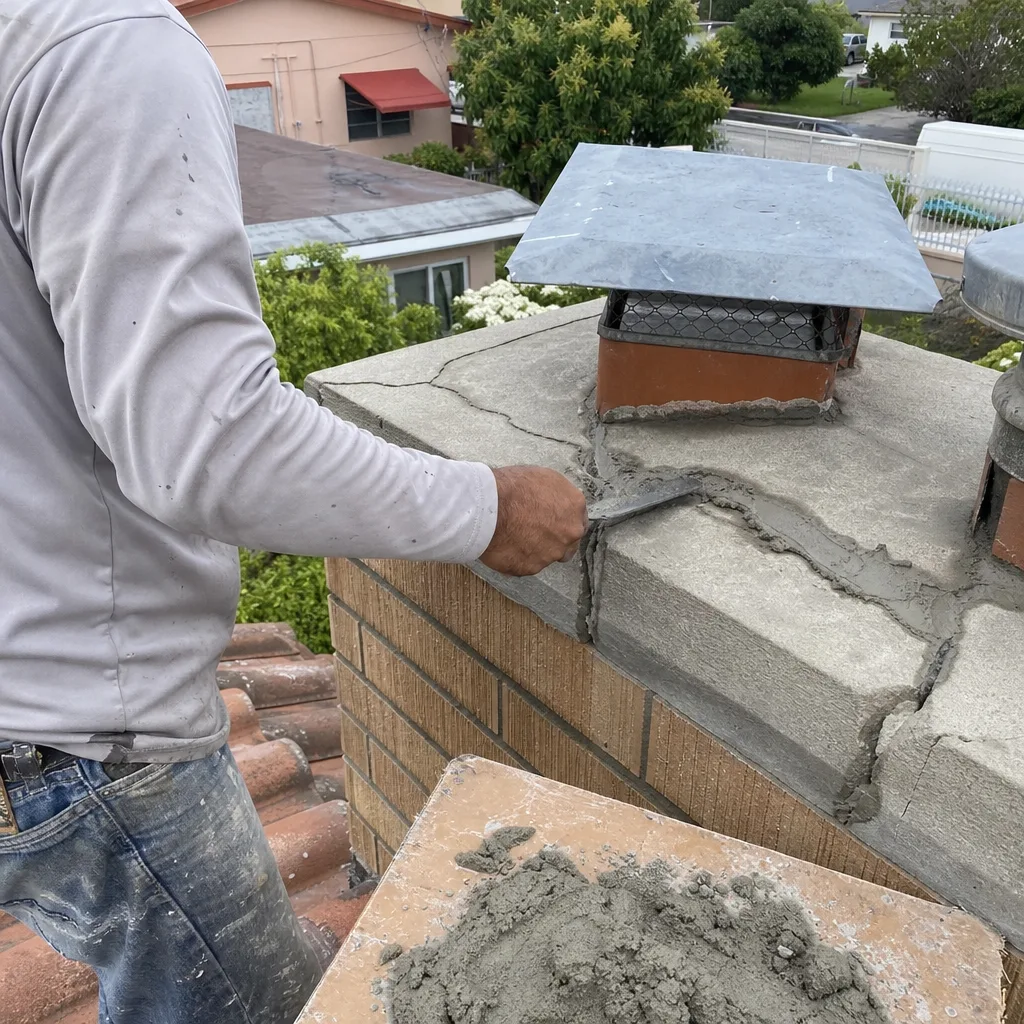
See the difference
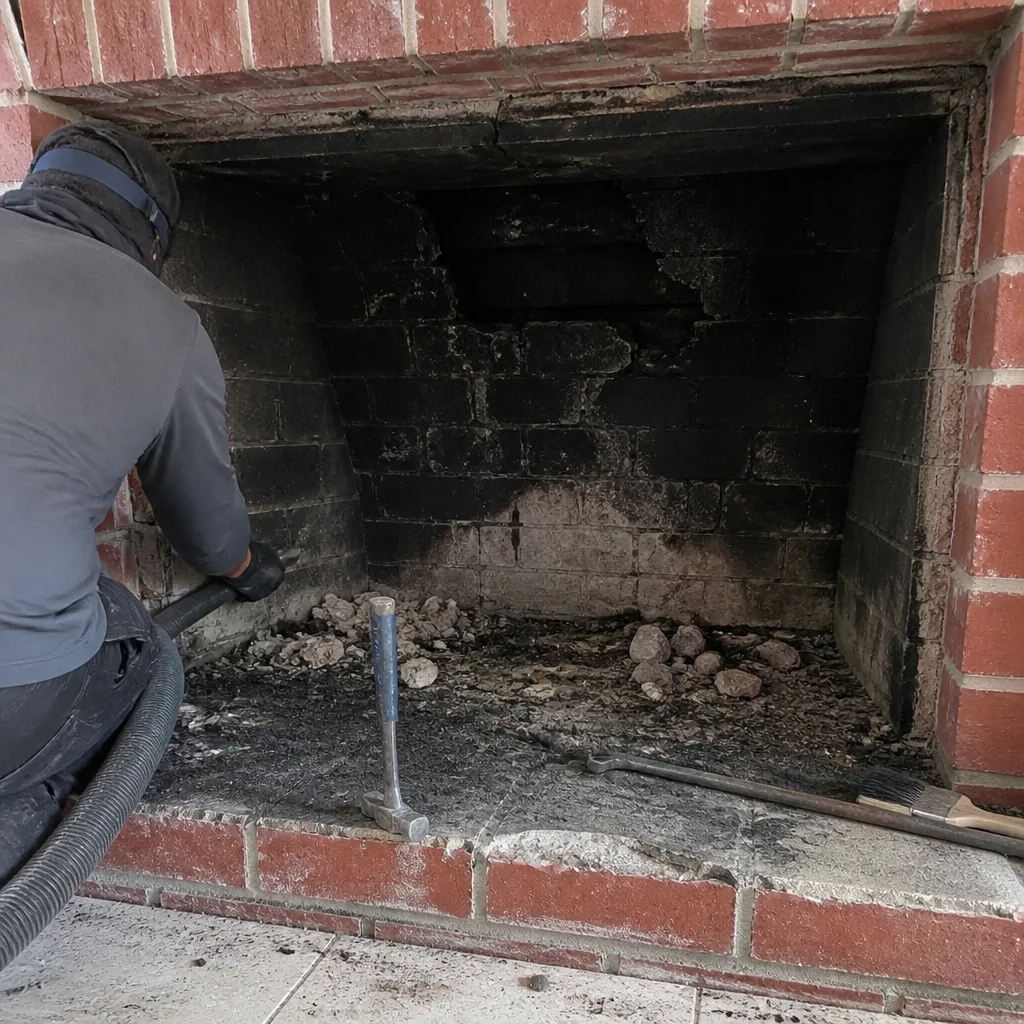 Before
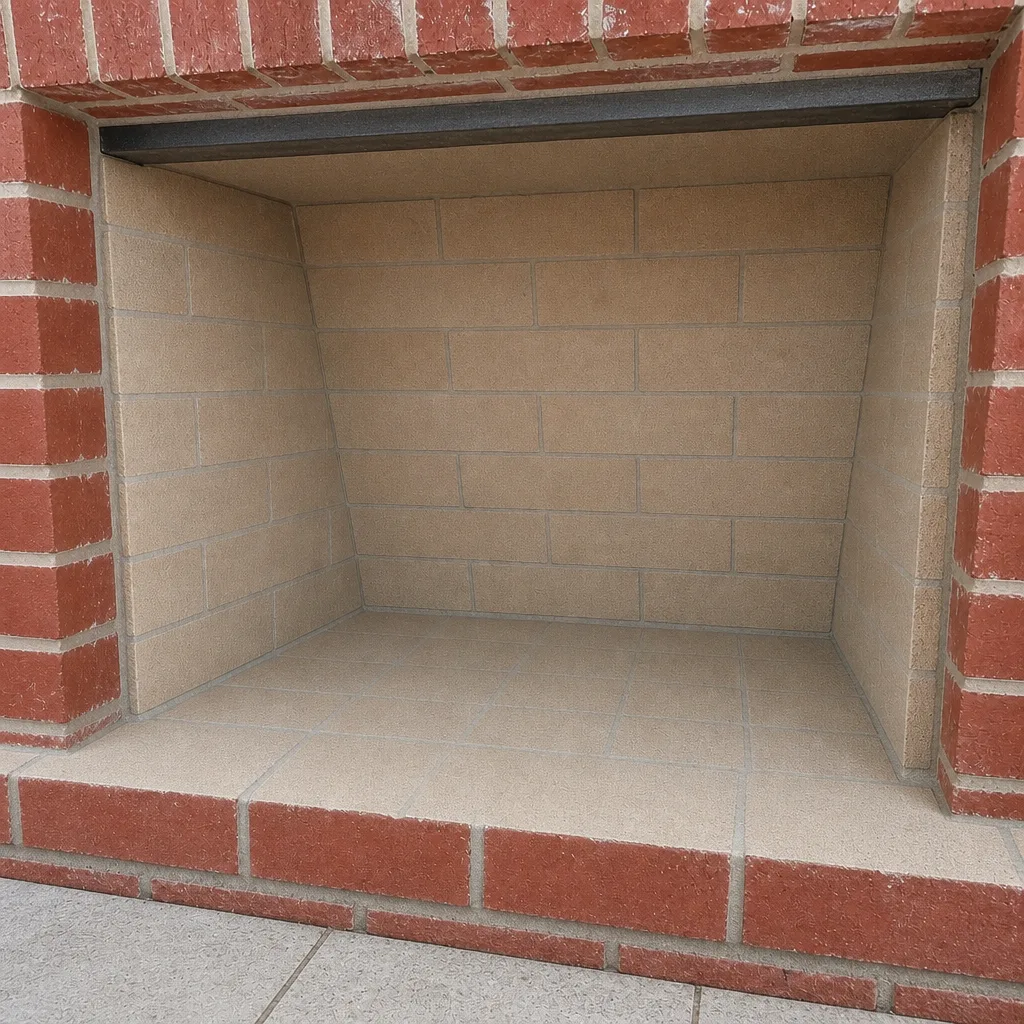 After
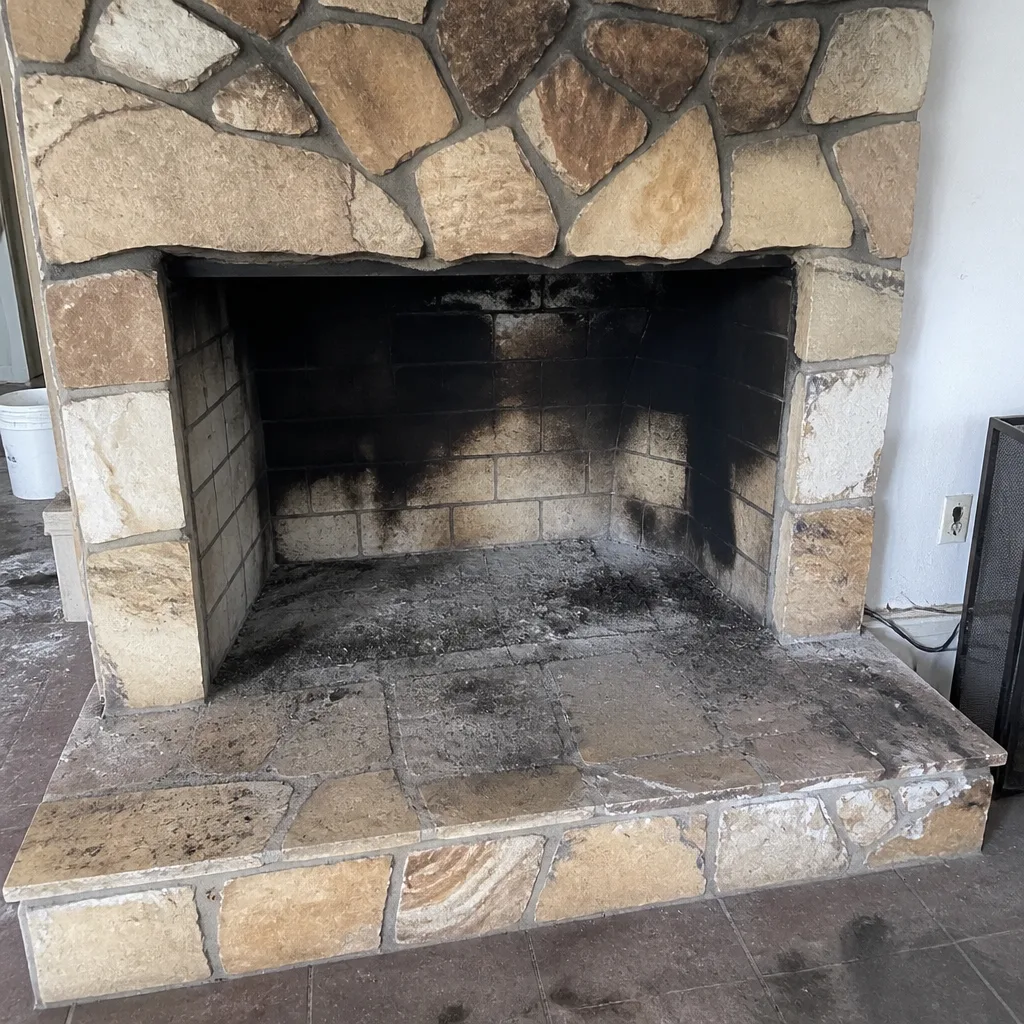 Before
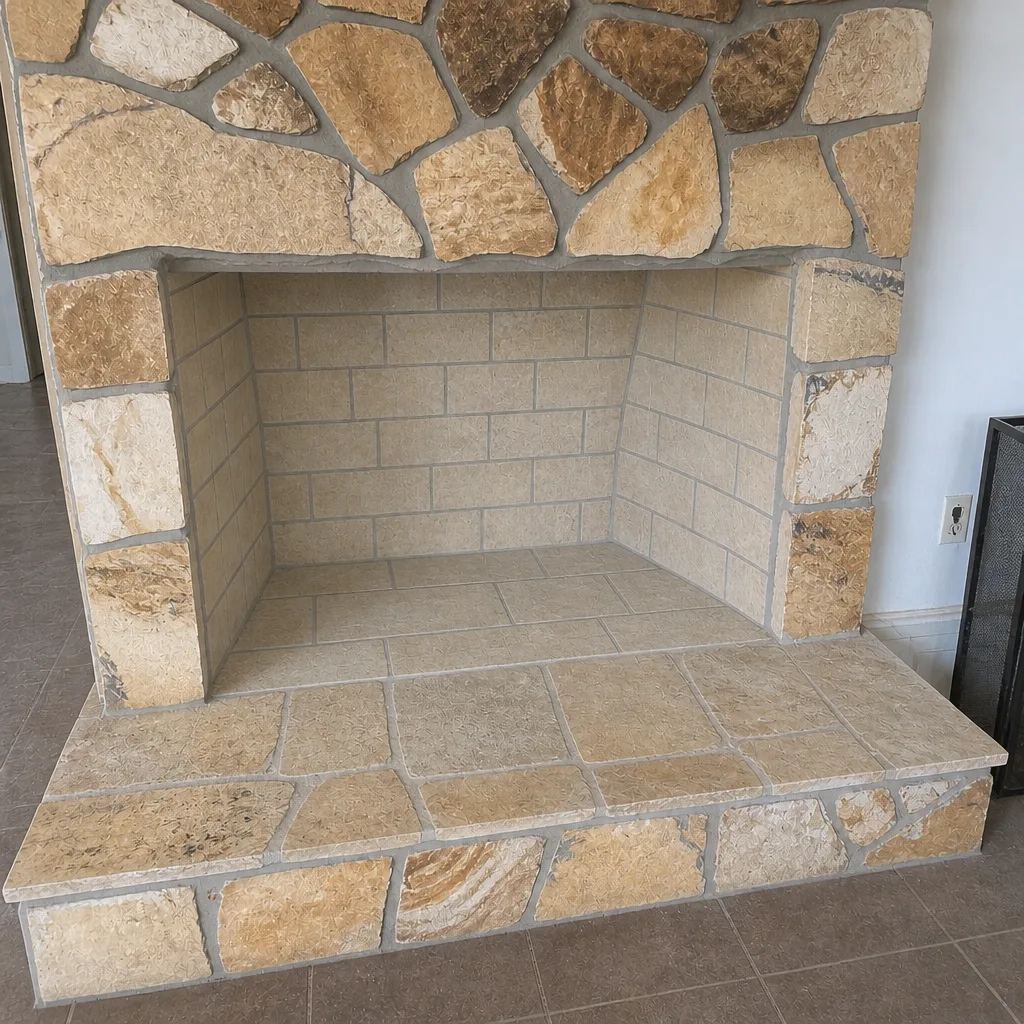 After
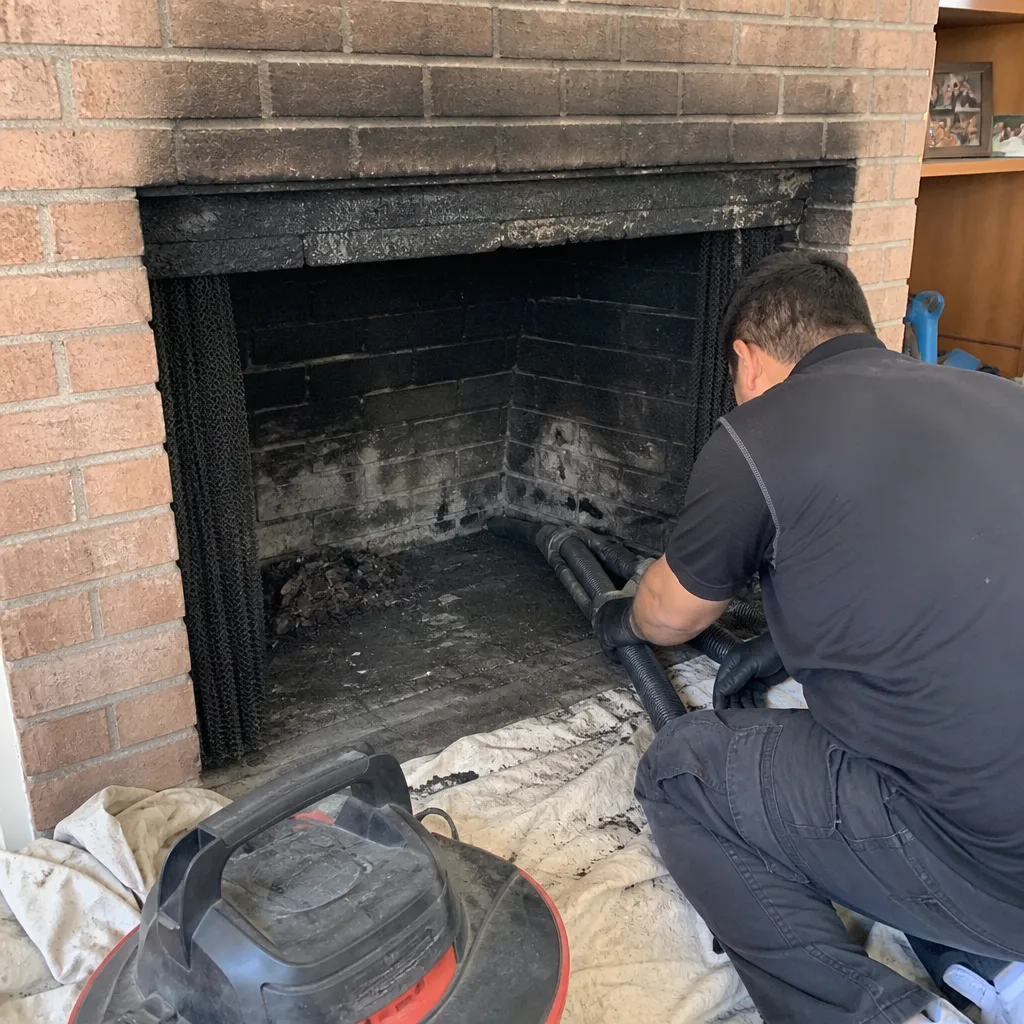 Before
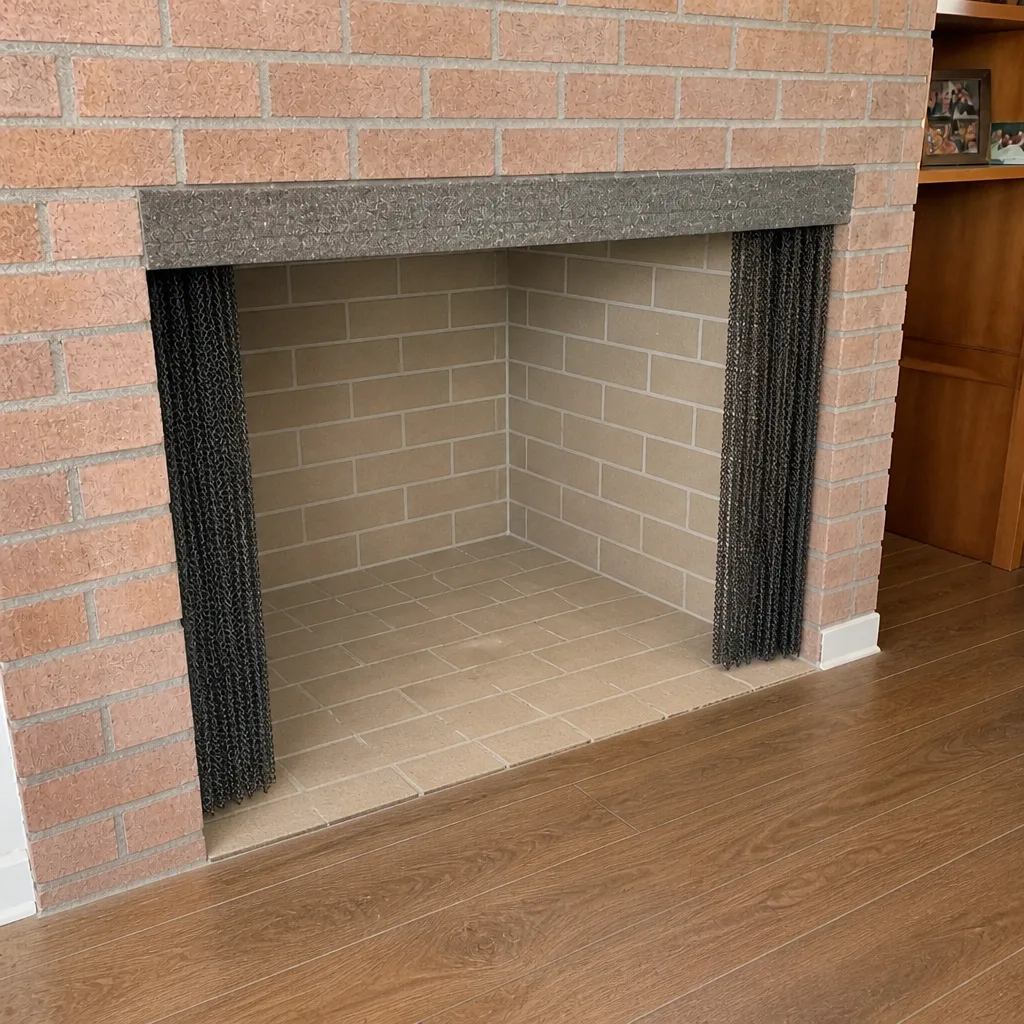 After
When to Call a Professional
You need a professional when the problem is inside the flue and you can’t see it, when water has entered the system, when an animal has been in the chimney, or when a gas appliance has changed behavior. You also need one before your next fire after any of those events. A camera inspection tells you what’s actually going on, and a written estimate sets the price before the work begins. Chimney Sweep Hialeah offers free estimates in Hialeah. Call (855) 918-2061. We answer 24/7. Fast dispatch from 7am to 7pm, Sunday through Friday, and we’re closed Saturday.
Frequently Asked Questions
Storm damage is the most common chimney emergency in Hialeah, specifically a cap that’s been knocked loose or off, letting rain into the firebox. Animal entry and sudden draft failure in gas systems follow. True chimney fires are rare here compared with storm-driven problems. Call (855) 918-2061 for an exact quote on any repair or inspection; estimates are free.
Water in the firebox is urgent, but it’s not a 911 call. Don’t light a fire, don’t touch electrical components near the hearth, and photograph the damage before you clean it up. Call a specialist the same day, especially if more rain is forecast. Call (855) 918-2061; estimates are free.
You can place a breathable temporary cover over an open flue if the roof is safe to access, and you can secure it against wind. Don’t use plastic, and never seal a flue connected to a gas appliance. A temporary seal is a stopgap; it’s not a repair. Call (855) 918-2061 to schedule the proper repair; estimates are free.
Call 911 for gas smell, a sounding CO detector, active smoke backup into the room, fire in or around the chimney, or structural collapse. Call a specialist the same day for water in the firebox, an animal in the flue, or a missing cap with rain coming. Things like stains with no standing water can wait for a scheduled appointment. Call (855) 918-2061 to figure out which you’re facing; estimates are free.
Photograph everything before cleanup, including the firebox, the cap, and the crown. Note the storm date and time, and ask your contractor for a written scope that names the parts and brands specified. That written scope matters to adjusters. Call (855) 918-2061 to schedule an inspection and a written estimate; estimates are free.
Once a year, ideally before burning season, and again after any major storm that could have damaged the cap or allowed water in. Homes with gas appliances should also test their carbon monoxide detectors annually. Call (855) 918-2061 to book a sweep and inspection; estimates are free.
The Bottom Line
Emergency preparedness for a Hialeah chimney starts with an honest look at what actually goes wrong here. It’s not the chimney fire you’re most likely to face. It’s the storm that takes out your cap, the animal that moves into the flue, or the gas appliance that suddenly stops drafting. Know how to tell a 911 call from a same-day specialist visit from a scheduled appointment. Photograph everything before you touch it. And keep the phone number handy. Call (855) 918-2061. We answer 24/7. Fast dispatch from 7am to 7pm, Sunday through Friday. We’re closed Saturday. When your chimney needs a real look, don’t guess at what’s going on inside the flue. Write it down, take photos, and call the team. If you want to see what a proper sweep and inspection involves, start with a chimney sweep in Hialeah and get a baseline before the next storm season.
Written by the team at Chimney Sweep Hialeah.