
Last updated November 14, 2026
 Sweep & inspection
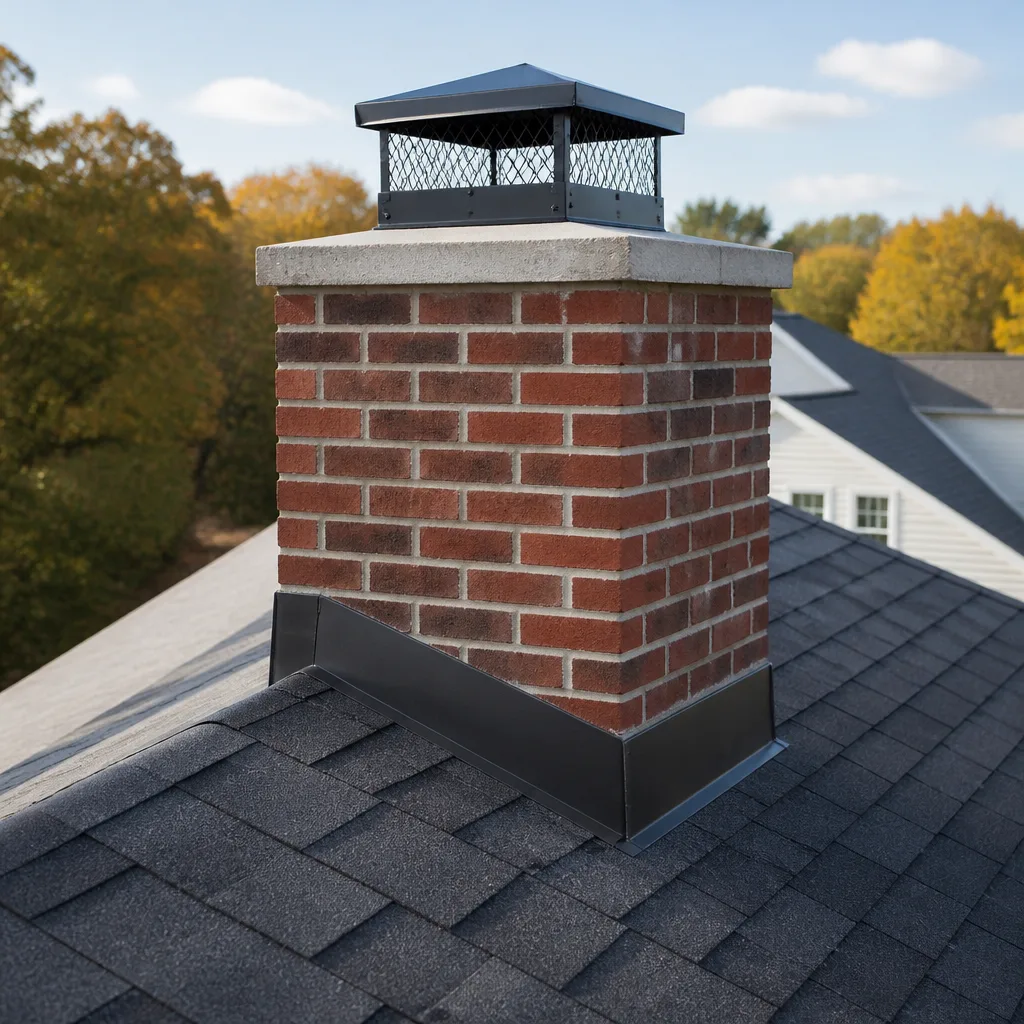
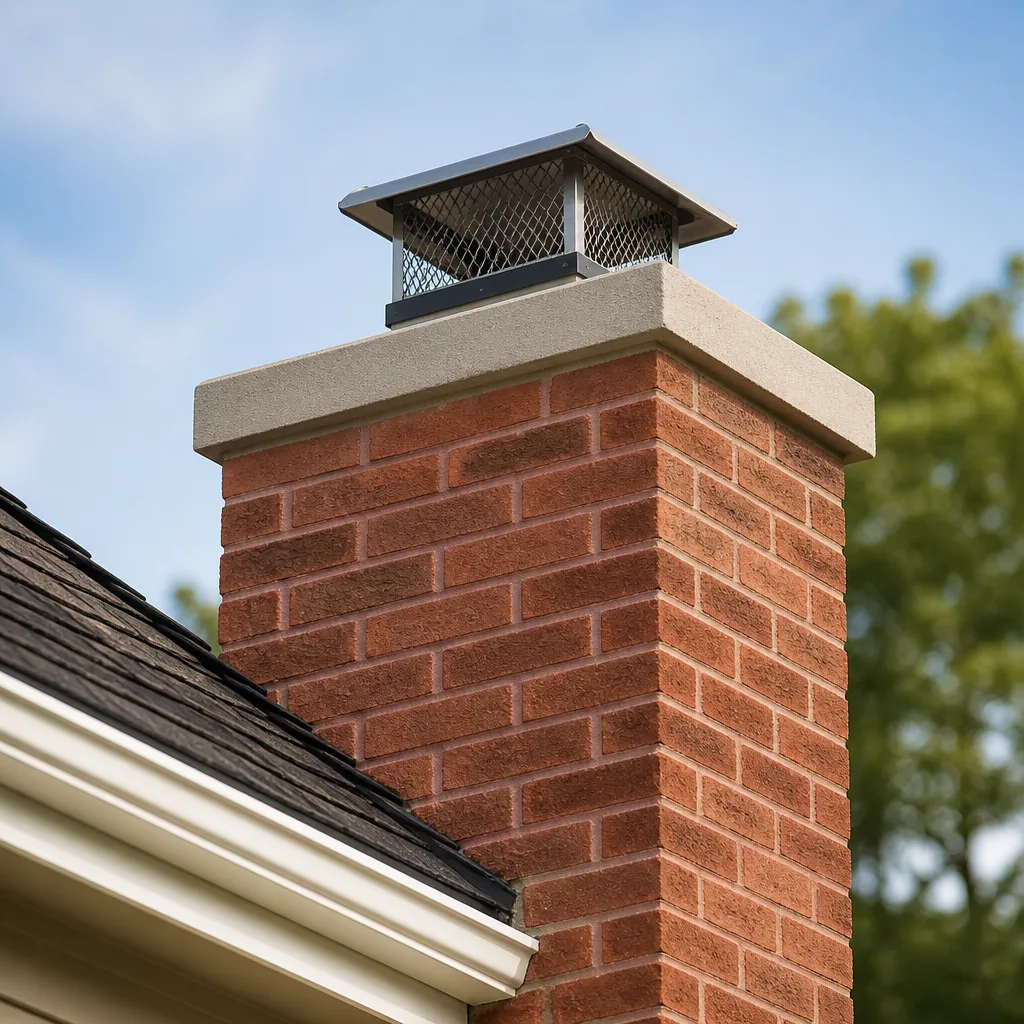 Caps & crowns
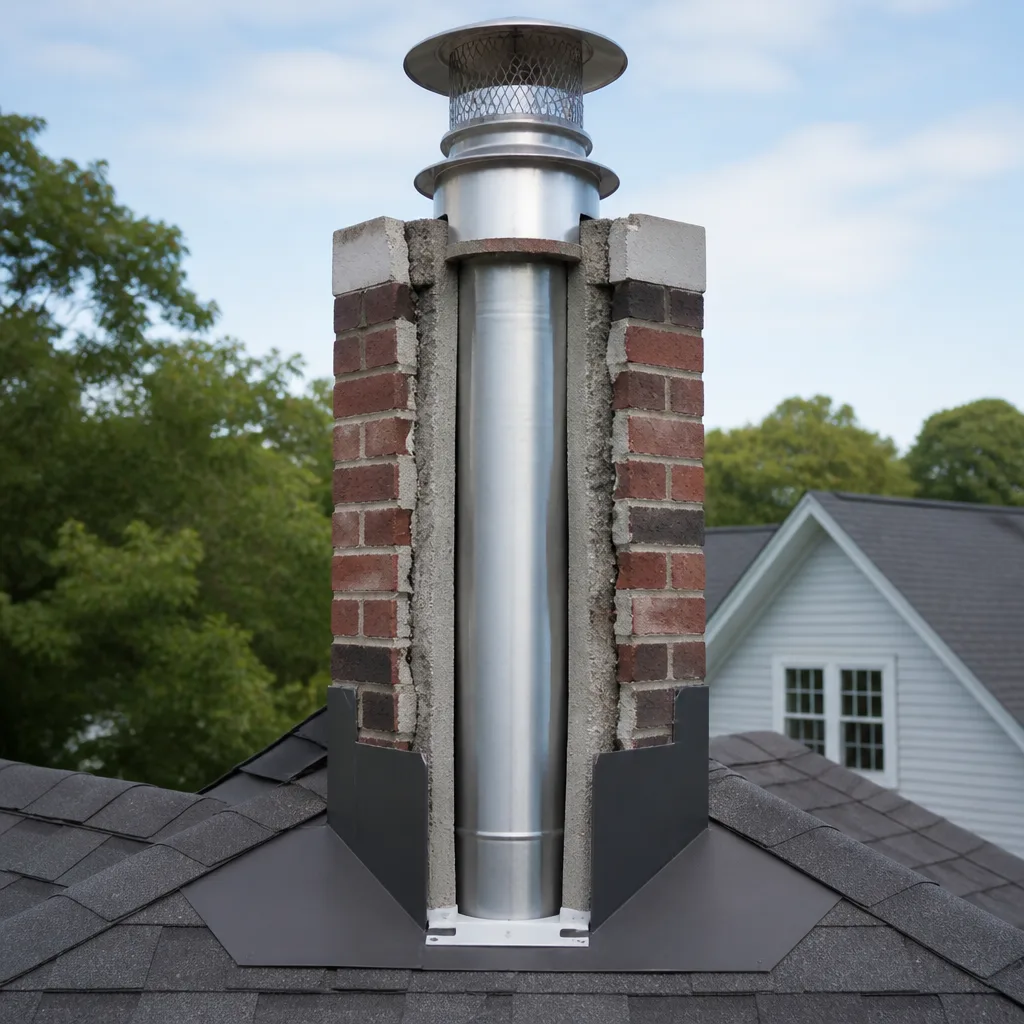 Flue relining
 Masonry repair
 Gas fireplace service
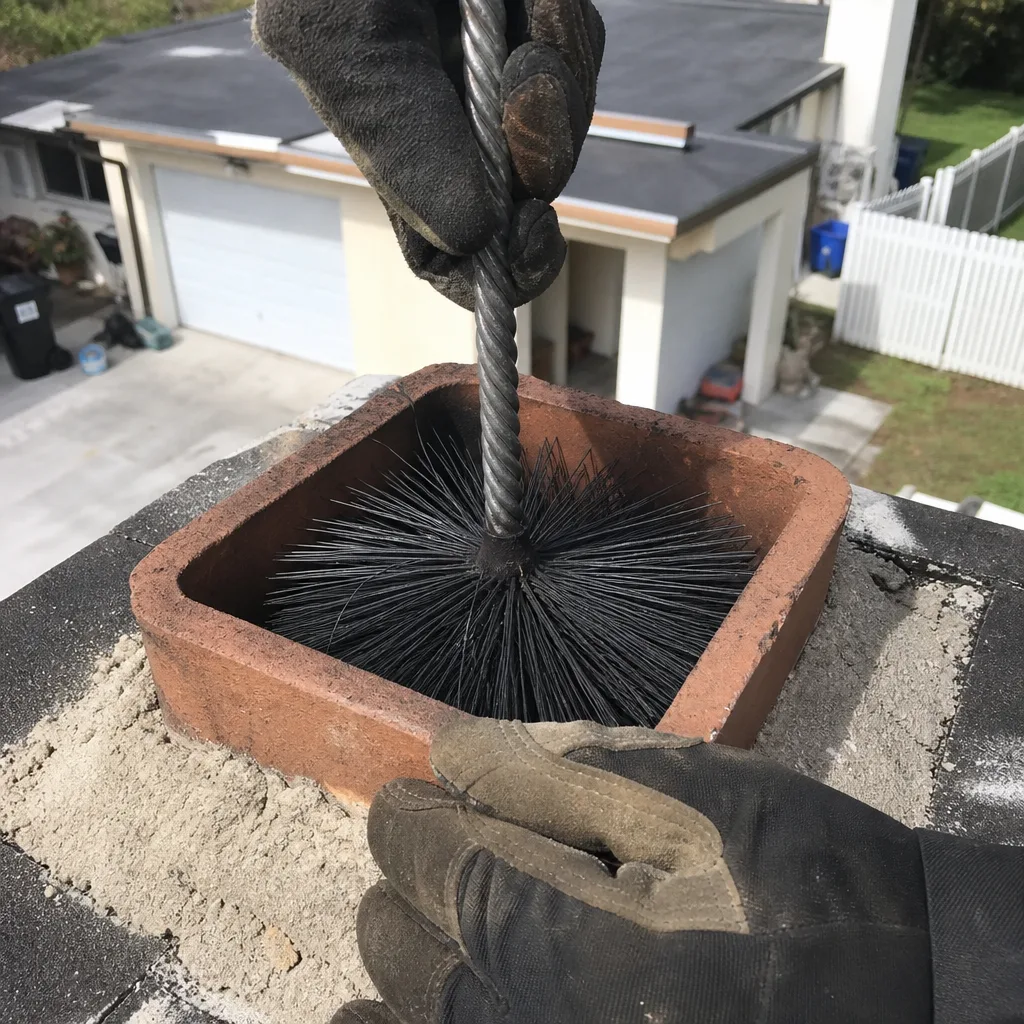
Level 1 sweep and inspection to the NFPA 211 annual standard - flue, crown, cap, and flashing checked and photographed
Chimney sweep logs do not sweep chimneys. They loosen some creosote - which then falls where a brush and vacuum still have to collect it.
How to Hire a Chimney Cleaning Contractor in Hialeah: A Step-by-Step Guide
There is no Florida state license that exists specifically for chimney sweeps. That single fact reshapes how you should hire one in Hialeah. Anyone can print a business card, load a brush into a pickup, and call themselves a chimney professional. The work itself is real and the stakes are real – a chimney fire or a carbon monoxide problem does not care whether the person who last serviced your flue had credentials. Because the state doesn’t filter for you, you have to know which credentials, trade affiliations, and material standards to ask about before you book. This guide gives you the exact questions, the red flags, and the decision process to separate a specialist from a generalist padding out a service menu. We’ll walk through credentials you can verify independently, how to read an estimate, and what Florida’s contractor licensing structure actually means for chimney work.
Quick Answer
To hire a chimney cleaning contractor in Hialeah, verify third-party credentials (CSIA Certified Chimney Sweep or NFI certification) independently rather than taking a logo at face value, ask which trade-grade brands they use for any repair, and request a written estimate with itemized line items before booking. A legitimate specialist will happily answer all three and can name the materials they install. A generalist will stay vague, which is your cue to keep looking.
Styles & brands we work with
- Sweep & inspection
- Caps & crowns
- Flue relining
- Masonry repair
- Gas fireplace service
Table of Contents
- Why There’s No Chimney Sweep License in Florida – and What That Means for You
- What CSIA and NFI Credentials Actually Mean
- How to Verify Credentials Independently
- The Brands Question: Separating Specialists from Generalists
- Why Low Flat-Rate Offers Should Make You Pause
- How to Read a Written Estimate Line by Line
- Florida Contractor Licensing: When You Need More Than a Sweep
- The Step-by-Step Hiring Process
Why There’s No Chimney Sweep License in Florida – and What That Means for You
Florida does not issue a chimney sweep license. That’s not a loophole anyone is exploiting – it’s simply how the state’s licensing structure is built. The trades that get licensed in Florida are the big categories: electrical, plumbing, HVAC, roofing, general contracting. Chimney sweeping doesn’t fall cleanly into any of them, so there’s no state-issued piece of paper that says “this person is qualified to sweep your flue.”
Here in Hialeah, that gap matters more than it might in a state with a dedicated chimney license. The city’s housing stock includes a lot of older masonry construction, and many homes have fireplaces or venting systems that predate modern codes. When there’s no license filter, the burden of verification lands entirely on you.
What fills the gap is private certification. The two names that matter are CSIA (the Chimney Safety Institute of America) and NFI (the National Fireplace Institute). These aren’t government programs. They’re industry bodies that test and certify individuals. Because they’re private, they’re only useful if you actually check them – which is exactly what the next sections cover.
The practical takeaway: in Hialeah, “licensed and insured” tells you something about general liability and business registration, but it does not tell you the person knows chimney work. For sweep-specific competence, you need to ask a separate set of questions.
What CSIA and NFI Credentials Actually Mean
When a company says “CSIA certified,” they’re saying an individual technician passed the Chimney Safety Institute of America’s exam and maintains that certification through continuing education. It’s a person-level credential, not a company-level one. That distinction matters: a company might advertise “CSIA certified” while only one person on the payroll holds it, and there’s no guarantee that person is the one showing up at your door.
CSIA certification covers the core of what a sweep does – inspection standards, sweeping technique, understanding how creosote forms and how to recognize the stages of it. NFI certification is more specific to hearth appliances: gas, wood, pellet. It speaks to whether someone understands installation and venting requirements rather than just cleaning.
What neither credential guarantees:
- That the technician who arrives is the certified one.
- That the company uses professional-grade materials (certification doesn’t dictate brand).
- That the price quoted is the price charged.
What they do tell you is that someone in the organization has been tested against a recognized standard. In a Hialeah market where HVAC companies and handymen sometimes offer chimney work as a side service, that’s a meaningful signal. A dedicated chimney and venting specialist will typically hold these credentials because chimney work is the whole business, not an add-on.
How to Verify Credentials Independently
Never take a certification logo at face value. Logos are images. Verification is a process, and it takes about five minutes. Here’s the sequence:
- Ask for the technician’s name before booking. Not the company name – the individual who will be on site. If they won’t provide one, that’s information in itself.
- Look up that name in the CSIA certified sweep directory. The CSIA maintains a searchable list of certified individuals. If the name isn’t there, the “CSIA certified” claim rests on someone else – ask who, and ask whether they’ll be present.
- Check NFI listings if the work involves a gas or pellet appliance. NFI has its own directory. Same process: name, listing, match.
- Confirm insurance directly. Ask for a certificate of insurance and, if you want to be thorough, call the insurer listed on it to confirm the policy is active. A legitimate operation expects this and won’t be offended.
- Confirm the business registration. A quick check of Florida’s Sunbiz database shows whether the company entity is active and in good standing.
None of this is adversarial. Ask plainly and watch how the company responds. A specialist who does this daily will answer without hesitation. A generalist will often deflect, promise to “get back to you,” or explain that certifications “aren’t really required in Florida.” The last one is technically true and professionally meaningless – it’s the answer of someone who doesn’t have them.
If you want to see how a dedicated specialist frames this, the Chimney Sweep Hialeah page describes the service scope directly. Verifying credentials is the first filter; the next is materials.
The Brands Question: Separating Specialists from Generalists
Here’s the fastest single question to separate a real chimney specialist from a generalist: “Which brands do you use for liner work and venting repairs?” A specialist will name specific trade-grade brands without pausing. A generalist will say something like “we use quality materials” or “whatever’s best for the job.” That vagueness is the tell.
The reason brands matter is that chimney repair isn’t a category where off-the-shelf substitutes work. Flexible liner systems like DuraFlex exist because many flues – especially in older Hialeah masonry construction – are irregular, offset, or otherwise unsuitable for rigid liner. DuraFlex allows a proper venting solution where a rigid system simply won’t fit. That’s a specialty product, not something you improvise.
For venting and termination work, brands like Olympia Chimney and Famco come up because they’re specified by certified chimney professionals nationwide. Famco’s venting components, for instance, are built to meet the ventilation standards that protect both the appliance and the home. When a contractor uses generic or improvised vent-hood and termination parts, you can end up with backdraft risk or a setup that voids the appliance warranty – problems the homeowner discovers months later, not at install.
What to ask, specifically:
- Which brand of flexible liner do you install, and why that one?
- Do you source dryer vent and termination components from a recognized venting brand, or a general hardware supplier?
- Can you tell me what a HeatShield resurfacing is and when you’d recommend it over a full liner replacement?
That last question is a powerful filter. HeatShield is a flue resurfacing product – it can rehabilitate an existing flue and extend its life without a full liner replacement. A company that can offer it has a repair capability most sweeps simply don’t. A company that can’t will often recommend a full replacement regardless of whether resurfacing would have worked. If a contractor can’t even explain what HeatShield is, you’ve learned where their capability ends. In our experience, this question alone reshuffles the shortlist.
Why Low Flat-Rate Offers Should Make You Pause
A $49 chimney sweep sounds like a bargain. It usually isn’t – it’s a business model. The low price gets a technician into your home; the revenue comes from what they find once they’re there. The pattern is common enough that it’s worth recognizing before you’re sitting in your living room being told you need a new liner.
What separates a pricing model from a thorough inspection is the evidence. A legitimate inspection produces findings you can see for yourself: a camera image of the flue interior, a written report, a clear explanation of what’s normal creosote versus something that actually needs addressing. A sweep who recommends thousands of dollars of liner work without showing you why is asking you to take it on faith – and in a market with no chimney license, faith isn’t a sound basis for a five-figure decision.
Watch for these patterns:
- Price quoted before the inspection. Nobody can price liner work before they’ve seen the flue. A flat rate quoted upfront is a hook.
- No camera, no photos, no written report. If you can’t see the problem, you can’t verify the solution.
- Pressure to decide today. Real repair needs are almost never same-day emergencies in a mild-climate market like Hialeah. If the recommendation is urgent, ask what makes it urgent.
- The upsell ladder. Sweep leads to liner; liner leads to crown; crown leads to masonry. Each rung has a justification, but if none of them are backed by evidence, it’s a script.
The honest version of this is straightforward: a specialist sweeps, inspects with a camera, shows you what’s there, and tells you plainly which findings can safely wait. If a repair is genuinely urgent, they can explain the specific hazard. Hialeah’s climate doesn’t drive the same seasonal urgency as a cold-winter market, so “you need this today” deserves extra scrutiny.
How to Read a Written Estimate Line by Line
A written estimate is a document you can compare – and that’s its real value. If a company won’t put the scope in writing, you can’t tell whether they’re thorough or rushed. Here’s what a complete estimate should contain, and what’s missing when it’s incomplete.
Every thorough estimate should have these line items:
- The scope of the sweep itself. What’s being cleaned – flue, firebox, smoke chamber, damper.
- Inspection terms. Whether a camera inspection is included, and whether you receive a photo report afterward.
- Findings and recommendations, itemized. Each recommended repair on its own line, with the reason stated.
- Materials named by brand. If liner work is on the estimate, the brand should be named – DuraFlex, Olympia Chimney, or similar. “Premium liner” is not a material spec.
- The total price and what triggers a change. Any condition that could alter the price should be spelled out in advance, not discovered mid-job.
- A statement of what can wait. The best estimates tell you which findings are cosmetic and which are genuinely urgent.
Omissions that should raise a flag: no inspection terms (just “sweep”), no photo report promised, recommendations without stated reasons, materials described generically, and no distinction between “needs repair now” and “monitor this.” A rushed estimate tends to recommend everything at once because the contractor didn’t take the time to separate the categories.
Compare two or three estimates on structure, not just price. If one is half a page and the other is a full page with materials named, that difference tells you who is doing a real scope of work. When the estimate names HeatShield for resurfacing rather than defaulting to full liner replacement, you’re looking at a company that can assess the flue honestly rather than one that only has one tool.
Florida Contractor Licensing: When You Need More Than a Sweep
Sweeping a flue is one thing. Structural repair, masonry work, or anything that shades into general contracting is another. Florida’s licensing structure matters here because chimney repair can cross into work that requires a licensed contractor.
The general rule of thumb: cleaning, inspection, and liner or resurfacing work on the existing venting system is specialty work that falls within a chimney company’s scope. But if a repair involves rebuilding a chimney chase, structural masonry, or changes to the building envelope, you may be looking at work that falls under Florida’s general or specialty contractor licensing. That’s a question to ask directly: “Is any part of this work something that requires a licensed contractor, and do you hold that license or coordinate with someone who does?”
For most Hialeah homeowners hiring a sweep for an annual cleaning and inspection, this is background information rather than a live concern. The licensed-contractor question becomes real at the repair stage. If a company tells you the whole job is “just chimney work” – including the structural parts – press them on it. A specialist knows where their scope ends and will say so.
The practical takeaway is that you’re hiring two different things in one relationship: a sweep for cleaning and inspection, and a repair specialist for anything that comes next. A company that’s clear about the boundary – and can name which parts of the job a licensed contractor handles – is telling you the truth. A company that claims to handle everything without that distinction is either licensed across categories (ask to see it) or overstating its scope.
The Step-by-Step Hiring Process
Here’s the whole process in sequence. It takes a phone call and a couple of quick checks, and it will narrow your shortlist fast.
- Start with the specialty question. Ask whether chimney and venting work is the company’s only service line. In Hialeah, where HVAC and handyman outfits often add chimney work as a side offering, the answer matters. A single-focus specialist has no incentive to upsell you into unrelated systems.
- Ask for the technician name and verify CSIA or NFI status. Use the directories described above. Confirm the certified individual is the one arriving.
- Ask which brands they use for liner, resurfacing, and vent work. Expect specific names – DuraFlex for flex liner, HeatShield for resurfacing, Olympia Chimney or Famco for venting. Vague answers are a red flag.
- Request a written estimate with itemized line items. Confirm the camera inspection and photo report are included before booking, not tacked on as an upgrade.
- Confirm insurance and business registration. Ask for a certificate of insurance. Check Sunbiz.
- Ask what can wait. A specialist will tell you which findings are urgent and which aren’t. If everything is urgent, ask why.
- Compare structure, not just price. Two estimates at similar prices can have wildly different scopes. Name-branded materials and a photo report are not fluff – they’re the difference between a documented job and a handshake.
For a dedicated specialist, once you’ve cleared these gates you’re ready to book. The chimney sweep service is straightforward: sweep, inspect with a camera, show findings, and put recommendations in writing. If you also want your dryer vent addressed in the same visit – two fire-hazard systems in one call instead of two – ask about dryer vent cleaning, which uses the same professional-grade venting standards and termination knowledge.
Common Mistakes to Avoid
- Treating “licensed and insured” as a chimney credential. It’s necessary, but it isn’t proof of chimney competence. Ask about CSIA or NFI separately, and verify.
- Booking the cheapest flat-rate offer without asking what’s included. A price quoted before anyone has seen the flue is a teaser, not an estimate. Ask what happens if the inspection turns up problems.
- Accepting repair recommendations without camera evidence. In a market where liner work can run into the thousands, seeing the flue interior yourself is the whole point of the photo report. Ask for it before the estimate.
- Failing to ask which brands the company uses. A generalist will substitute hardware-store parts for proper venting components. That can void an appliance warranty or create backdraft issues. Get the brand names.
- Not asking which repairs can wait. Hialeah’s climate doesn’t create the cold-weather urgency of northern markets. If everything is presented as urgent, that’s a sales script, not an inspection.
- Hiring a multi-trade contractor who added chimney work to the menu. HVAC and handyman companies do occasionally offer sweeps. The problem is divided attention and unfamiliarity with specialty materials like flexible liners and resurfacing systems.
- Skipping the dryer vent while the chimney gets done. The dryer vent is a separate fire-hazard system with its own inspection needs. A specialist can address both in one visit – a generalist usually can’t.
See the difference
 Before
 After
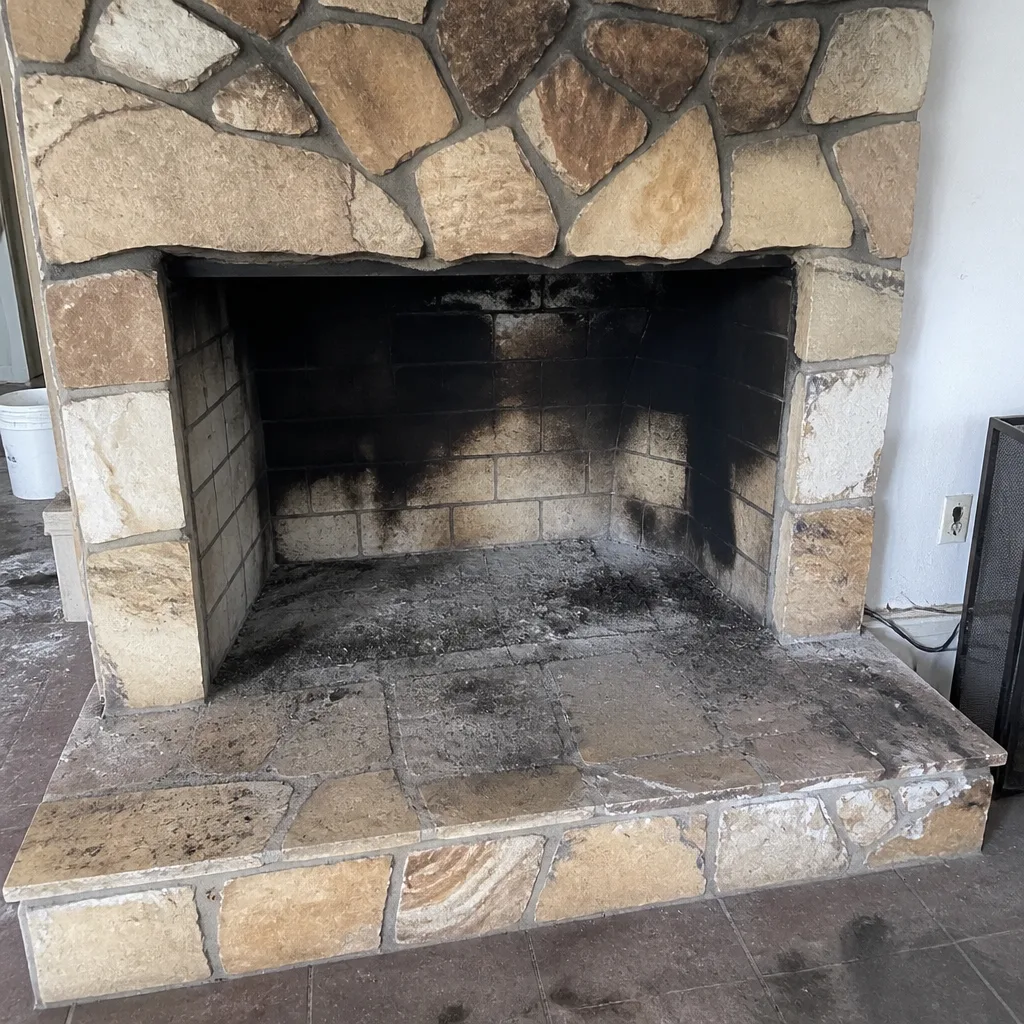 Before
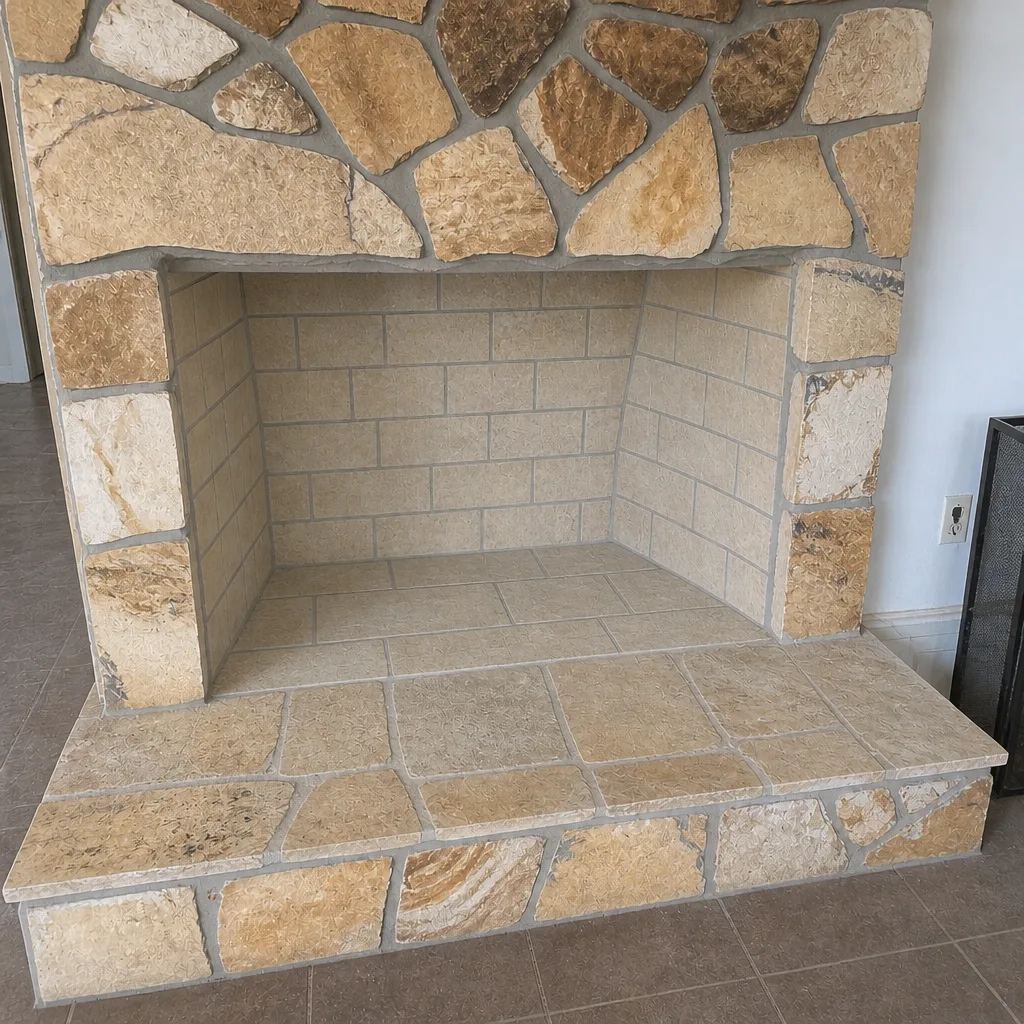 After
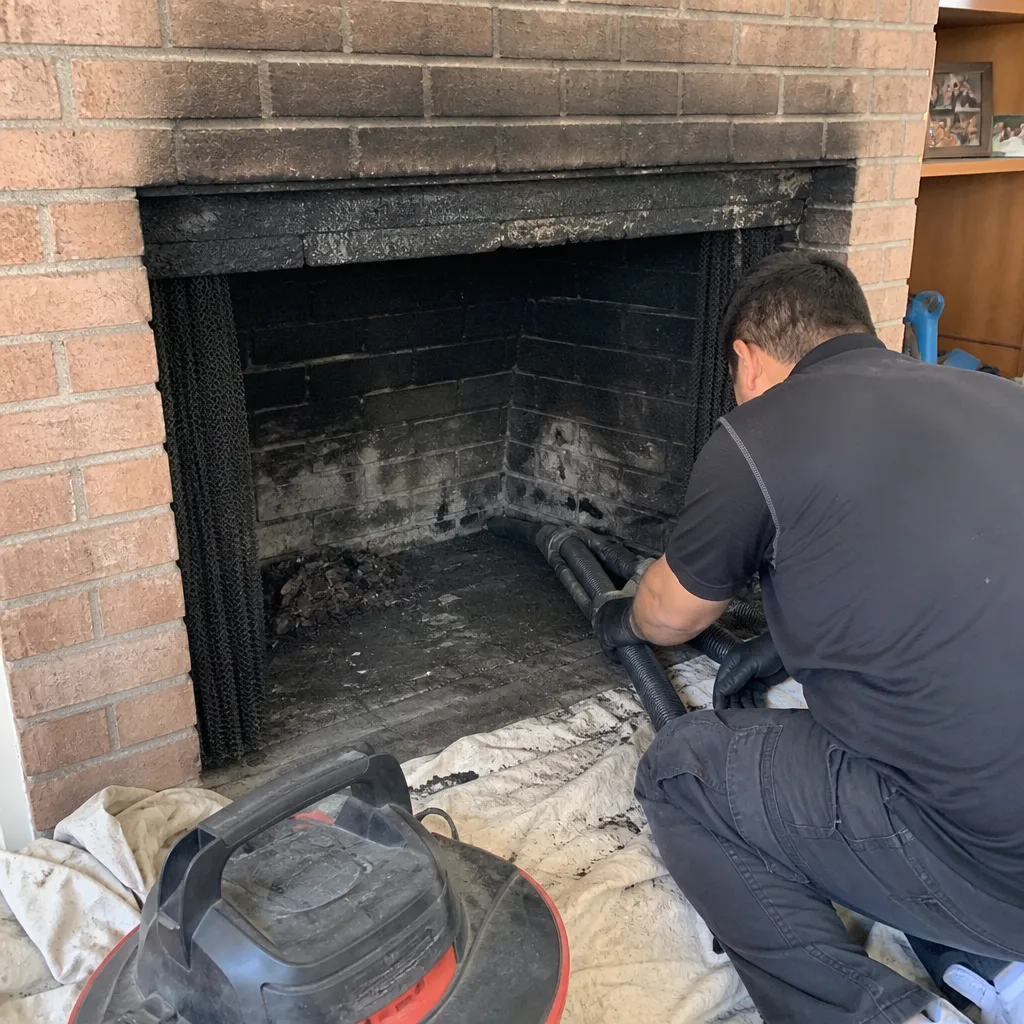 Before
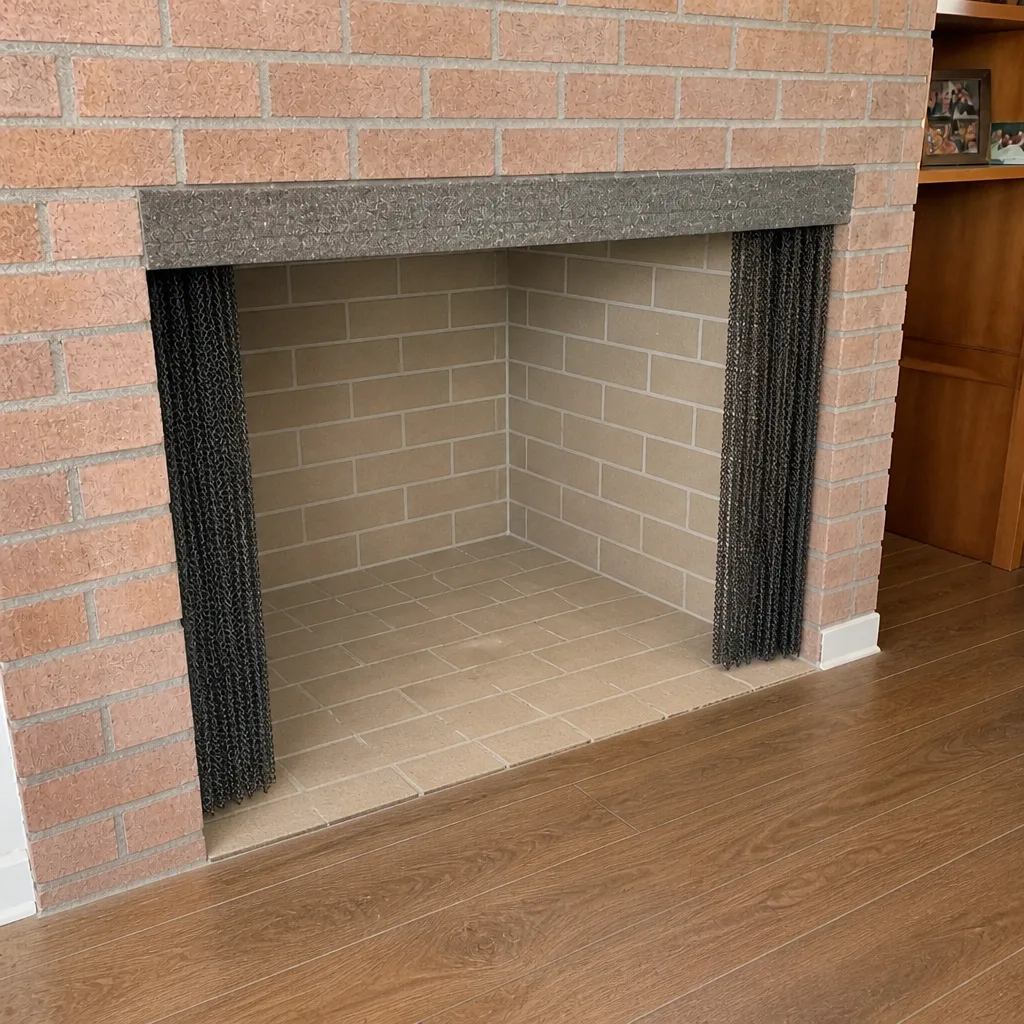 After
When to Call a Professional
If you don’t remember when your flue was last swept, that’s the trigger. Creosote builds silently, and a chimney that’s never been inspected in a Hialeah home with older masonry construction deserves a look before another season passes. Call a professional if you smell smoke in the house when the fireplace isn’t burning, if the fire drafts poorly, or if you see visible creosote buildup or debris in the firebox. Call if the chimney has been damaged by storm activity or if any animal has been in the flue. And call if you’re selling or buying a home and need the venting system documented – a photo report makes a clean record. If the last person who touched your chimney couldn’t answer the brand questions in this guide, get a second opinion. Chimney Sweep Hialeah offers free estimates in Hialeah. Call (855) 918-2061. We answer 24/7. Fast dispatch from 7am to 7pm, Sunday through Friday.
Frequently Asked Questions
A standard sweep is priced per job by a free written estimate, and the estimate sets the final price. There’s no universal rate worth anchoring to, because pricing depends on the flue configuration, access, and whether a camera inspection is included. The bigger question isn’t the sweep price – it’s whether the estimate includes inspection with a photo report, so you’re not being guided toward repairs you can’t verify. Call (855) 918-2061 for an exact quote – estimates are free.
Sometimes yes, sometimes no – and the only way to know is evidence from the flue itself. A liner is genuinely needed when the existing flue has cracked, deteriorated, or unsuitable interior surfaces. It is not needed when a resurfacing product like HeatShield would restore the flue properly. That’s why the capability question matters: a company that only cleans and replaces has an incentive to recommend replacement; a company that can also resurface has a genuine choice to offer. Ask to see the camera findings before agreeing to anything. Call (855) 918-2061 if you want a second opinion on a liner recommendation.
Chimney sweeps are generally recommended annually, and Hialeah’s mild climate doesn’t change that guidance in a meaningful way. Fireplace use is lighter here than in cold-winter markets, but creosote still accumulates, and a yearly inspection catches issues before they become repairs. If you burn wood frequently – even if the season is short – annual is the practical baseline. Call (855) 918-2061 to book a sweep and inspection.
The risk is accumulated creosote and undetected damage in the flue. Creosote is flammable, and a chimney fire is a real hazard the sweep is designed to prevent. But skipping a sweep also means you miss a carbon monoxide risk check if the venting can’t draft properly. The honest version of this: not every skipped sweep leads to a disaster, but you’re flying blind, and the fix when something is found is more expensive than the sweep would have been. The question is whether that’s a risk you want to manage blind. Call (855) 918-2061 to get it documented and off the list.
Legally, nothing stops it, because Florida has no chimney-specific licensing. Practically, the work is specialty – the inspection has its own standards, and the repair materials aren’t available at a hardware store. A handyman who can’t name the flexible liner system they’d install or explain flue resurfacing is out of their depth, even if they’re competent in other work. Verify credentials independently and ask the brand questions. Call (855) 918-2061 if you want a specialist’s estimate to compare.
Yes, if your dryer vent is due – it addresses a second fire-hazard system in the same visit. The dryer vent and the chimney are separate systems, but both are lint and creosote accumulation points. The practical advantage of using a dedicated specialist is that they understand venting standards: proper vent-hood components and terminations from brands like Famco or Copperfield, not improvised parts that create backdraft or void the appliance warranty. A generalist usually won’t have that. Call (855) 918-2061 to book both in one visit.
The Bottom Line
Hiring a chimney cleaning contractor in Hialeah is a verification exercise, because the state doesn’t do it for you. The sequence is simple: confirm credentials independently (CSIA or NFI), ask which trade-grade brands the company uses for any repair work, insist on a written estimate with itemized scope and a camera photo report, and be suspicious of any recommendation you can’t see the evidence for. A real specialist will tell you what can wait; a sales operation will tell you everything is urgent. Use these questions to separate the two. If a company answers all of them clearly, you’ve found your specialist – book the estimate and get it in writing.
Chimney Sweep Hialeah handles sweeping, repair, and dryer vent cleaning with the same professional-grade brands certified chimney professionals specify nationwide – DuraFlex, HeatShield, Olympia Chimney, and Copperfield among them. Our technicians have up to 12 years of experience, and every job gets a free written estimate. Call (855) 918-2061 for a free estimate. We answer 24/7. Fast dispatch from 7am to 7pm, Sunday through Friday.
Written by the team at Chimney Sweep Hialeah.