
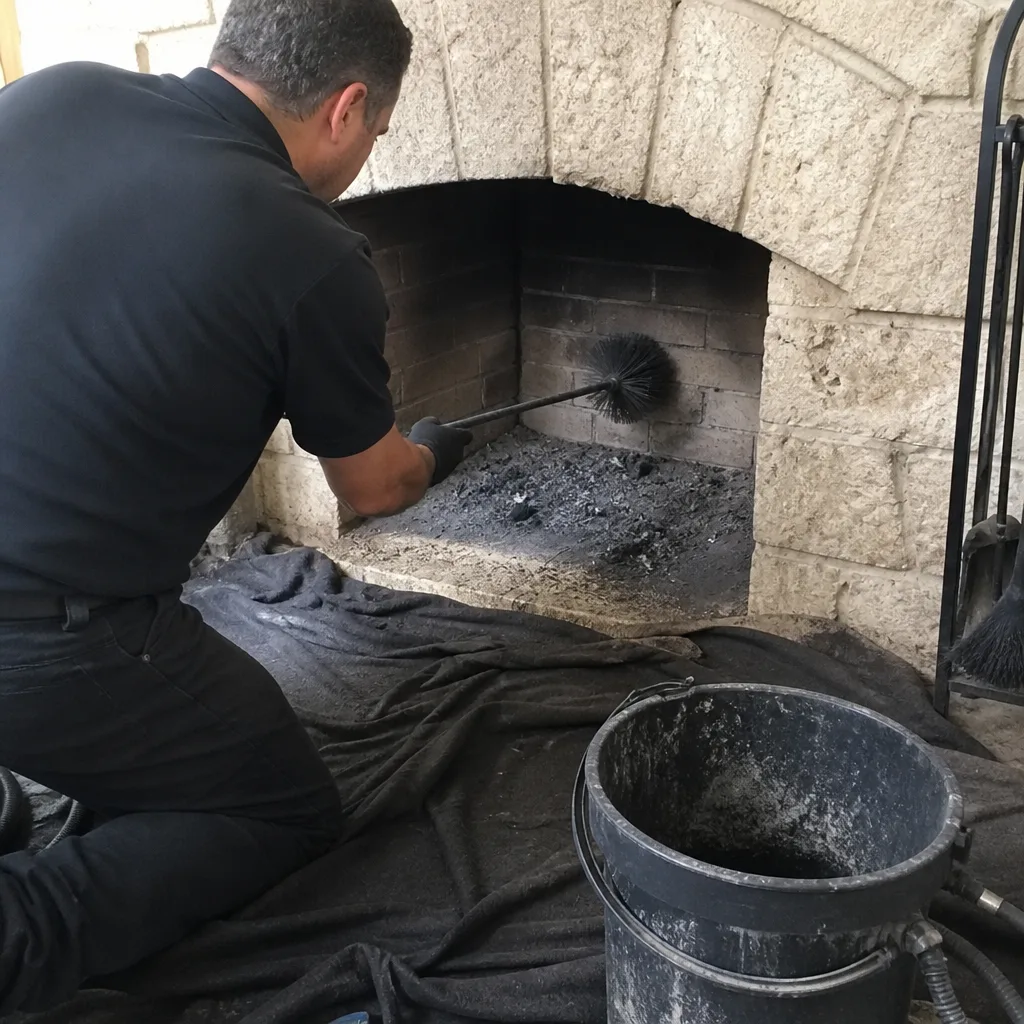
Last updated November 14, 2026
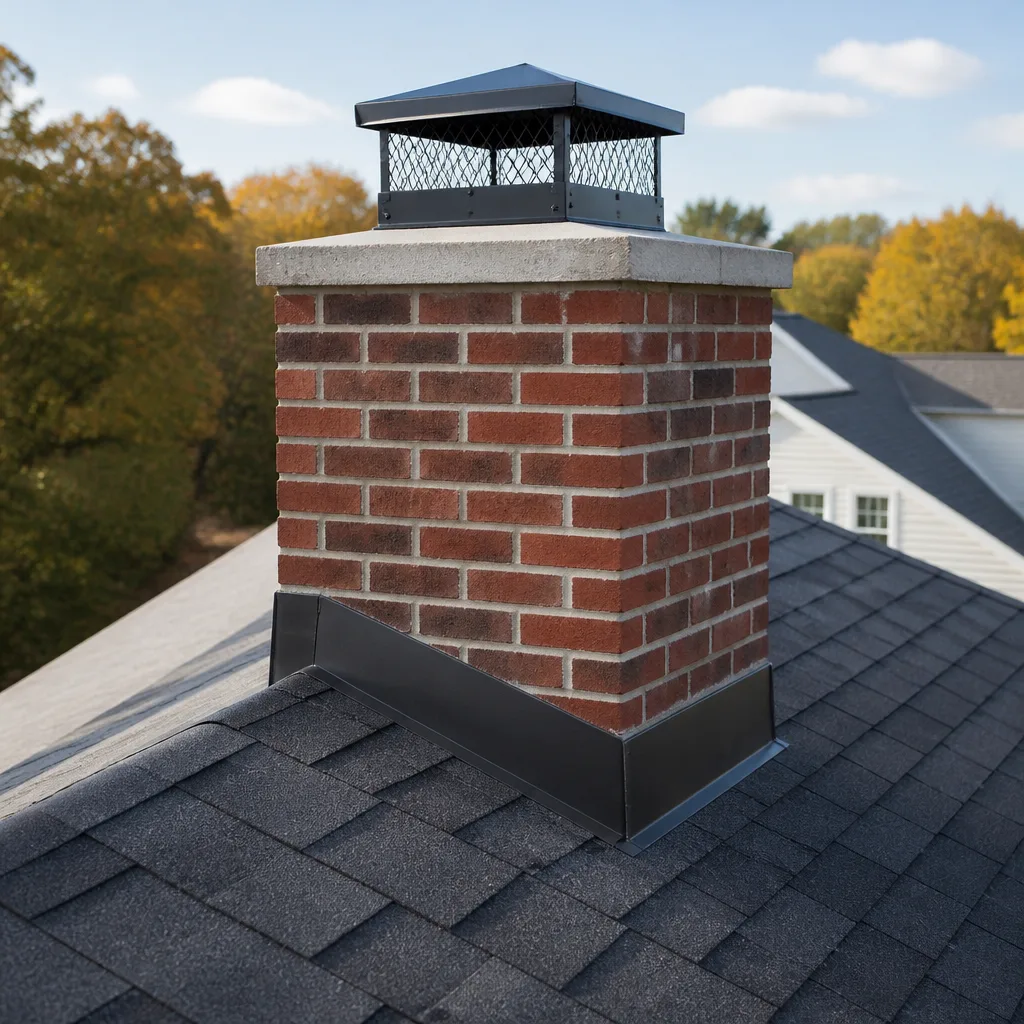 Sweep & inspection
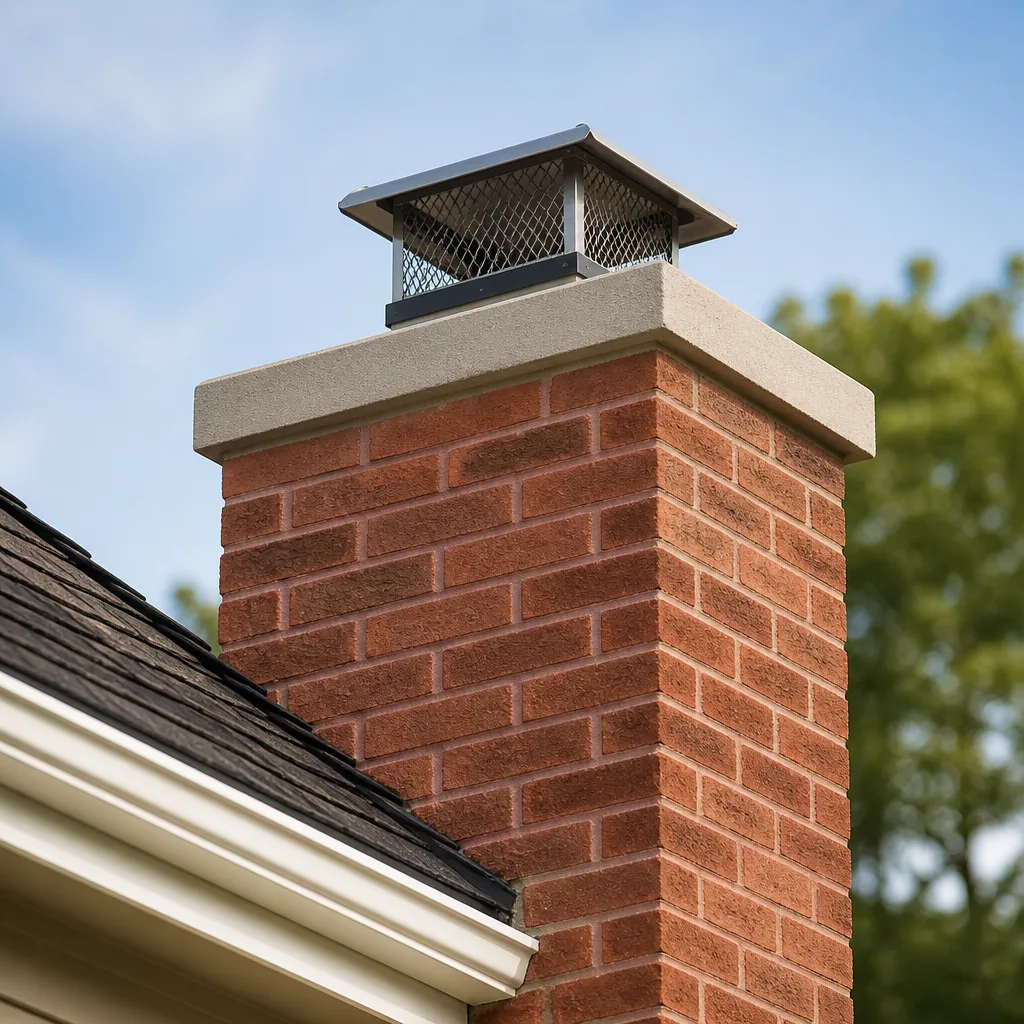 Caps & crowns
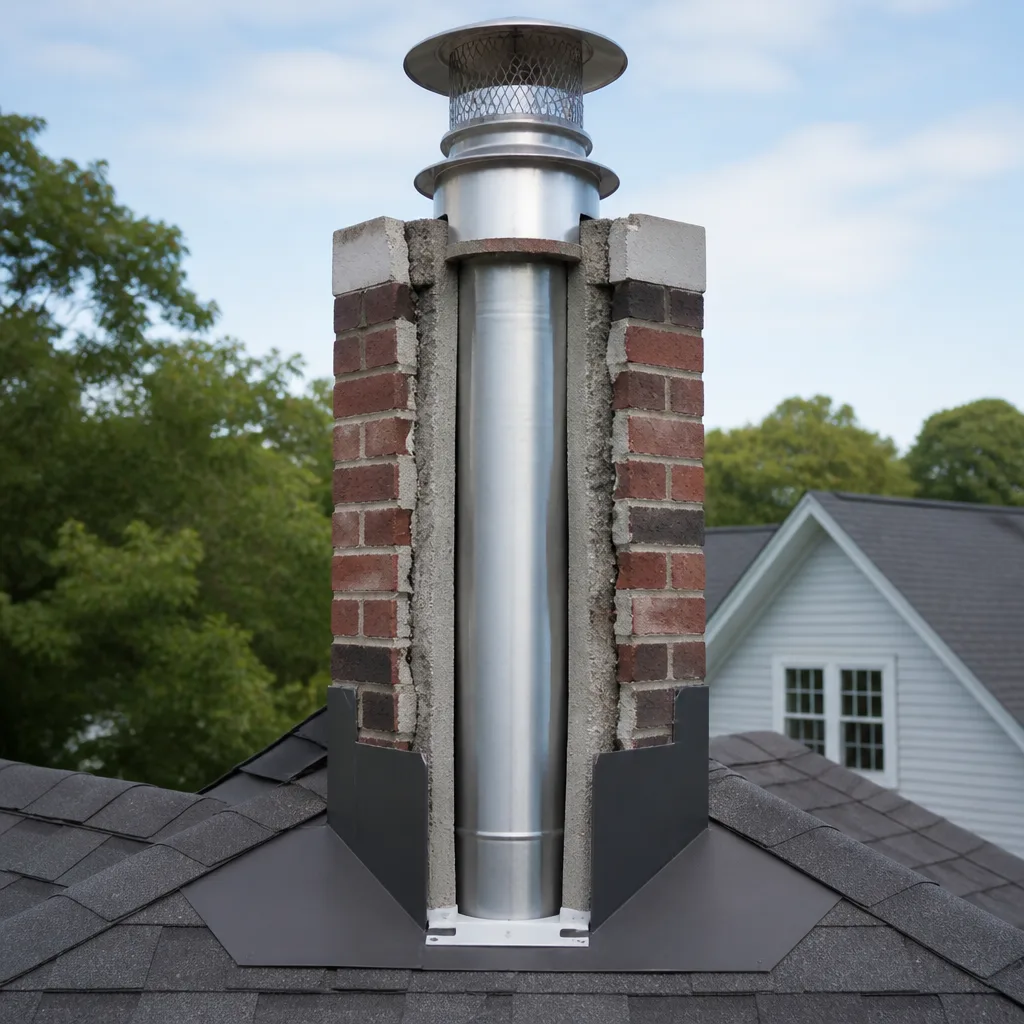 Flue relining
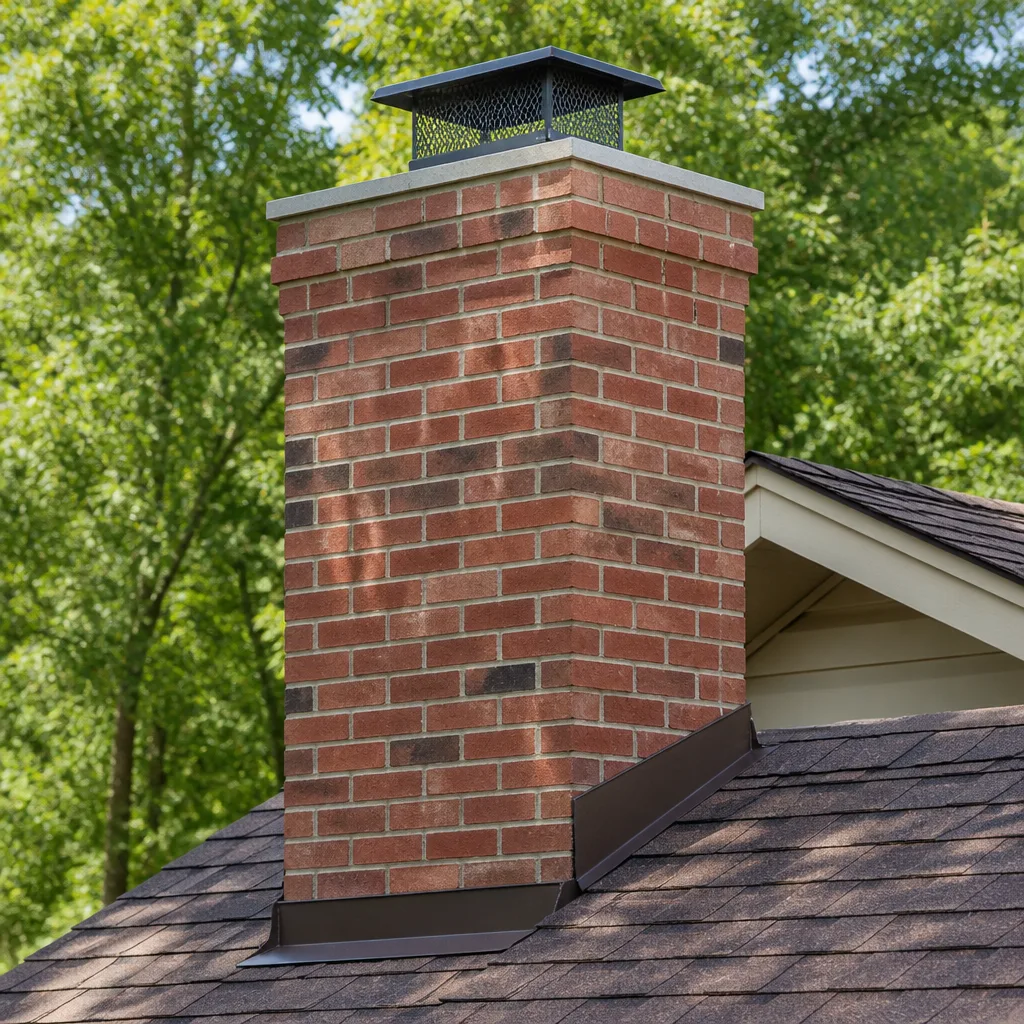 Masonry repair
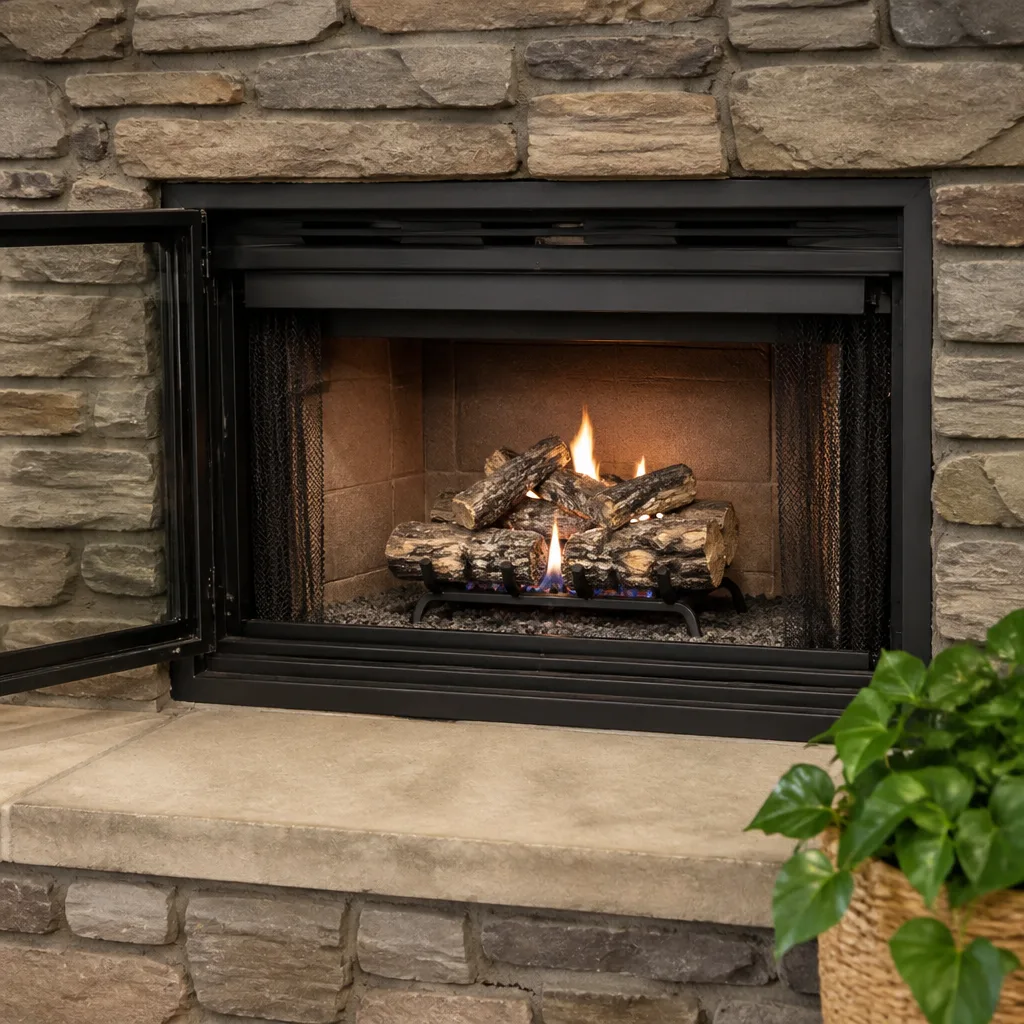 Gas fireplace service
Level 1 sweep and inspection to the NFPA 211 annual standard - flue, crown, cap, and flashing checked and photographed
Chimney sweep logs do not sweep chimneys. They loosen some creosote - which then falls where a brush and vacuum still have to collect it.
DIY vs Professional Chimney Cleaning: The Hialeah Homeowner’s Decision Guide
You can buy the same brushes a chimney sweep uses. The tools aren’t secret, and nobody checks credentials at the hardware store. What you can’t buy at the register is the part that matters most: knowing what you’re looking at while you’re inside the flue. In a place like Hialeah, where the concerns tend to be corrosion, blockage, and liner integrity rather than the heavy creosote buildup of a cold-climate heating season, the visual inspection is often the more important half of the job. Cleaning is the easy half. This guide draws an honest line between the maintenance a capable homeowner can reasonably handle and the work that genuinely needs a trained eye.
Quick Answer
DIY chimney brushing is realistic for a homeowner with a gas fireplace who wants to knock down light surface soot and keep an eye on things between professional visits. It is not a substitute for professional cleaning and inspection when you burn wood, when you’ve never had the flue inspected, when you notice drafting problems or staining, or when a dryer vent is involved. A professional sweep cleans with rotary equipment that reaches what a hand brush can’t, then inspects and documents the flue with a camera so you can see the condition for yourself.
Styles & brands we work with
- Sweep & inspection
- Caps & crowns
- Flue relining
- Masonry repair
- Gas fireplace service
Table of Contents
- What DIY Chimney Brushing Actually Accomplishes
- Gas Fireplace vs Wood-Burning: Where the DIY Line Falls in Hialeah
- Equipment Reality: What a Rotary System Removes That a Brush Kit Won’t
- Liability and Insurance Implications of DIY Maintenance
- How to Do a Credible DIY Visual Inspection Between Cleanings
- The Dryer Vent Overlap: A Second Fire Hazard Most People Ignore
- Why Trade-Grade Materials Matter When Something Needs Repair
- DIY vs Professional: An Honest Cost Comparison
What DIY Chimney Brushing Actually Accomplishes
A standard DIY brush kit cleans. That’s a real function, and it’s worth being clear about it. Running a properly sized polypropylene brush down a flue removes loose soot from the flue walls and the smoke chamber shelf, and it knocks down light deposits before they harden. If your only goal is surface cleaning of a lightly used fireplace, the tool works. For a homeowner in Hialeah with a gas log set that gets occasional use, that’s close to the full picture.
Here’s what the brush doesn’t do. It doesn’t inspect. It doesn’t tell you whether the flue liner has a crack, whether the damper seals, whether the firebox mortar joints are failing, or whether the crown at the top of the chimney is shedding water into the structure. It doesn’t reveal a bird nest or a leaf blockage thirty feet up, and it doesn’t verify that the flue is correctly sized for the appliance connected to it. Soot removal and condition assessment are two different jobs, and the second one is where the real value sits.
In our experience, the homeowners who get into trouble with DIY cleaning aren’t the ones who brush too little. They’re the ones who brush regularly and assume the absence of visible soot means the system is sound. A clean flue and a safe flue aren’t the same thing.
What DIY cleaning realistically covers
- Light surface soot on flue walls in a lightly used fireplace
- Ash and debris removal from the firebox floor
- Visual glance up the flue with a flashlight from the firebox
- Keeping the firebox tidy between professional visits
What DIY cleaning does not cover
- Camera inspection of the full flue length
- Liner crack, gap, and joint assessment
- Draft verification and blockage detection
- Crown, cap, and flashing condition at the roof line
- Documentation you can hand to an insurer or a future buyer
Gas Fireplace vs Wood-Burning: Where the DIY Line Falls in Hialeah
The type of fireplace in your home changes the answer entirely. This is the single biggest factor in whether DIY cleaning makes sense, and it’s the piece most generic advice skips.
Ventless and vented gas log sets: Gas fireplaces produce very little of the creosote that wood fires generate. What they do produce is moisture, and in a humid climate like South Florida’s, that moisture is the concern. A gas fireplace that sees occasional use can reasonably be maintained by a careful homeowner who brushes light deposits and keeps the firebox clean. What a homeowner can’t easily verify on a gas set is the integrity of the venting pathway and whether the termination is drafting correctly. That’s inspection territory.
Wood-burning fireplaces: Wood produces creosote, and creosote is combustible. Even in a mild climate, a wood-burning fireplace that sees regular winter use builds deposits that need proper removal. The deposits harden over time and become harder to remove with a hand brush. This is where professional rotary cleaning earns its keep, and where we’d push back on DIY as a long-term plan. If you burn wood in Hialeah, a professional sweep at the start of the season is the sane default.
Pellet and other solid-fuel appliances: These fall on the professional side of the line. The venting configurations are more specific, and the inspection needs are greater than a brush kit addresses.
A simple decision rule
- Gas fireplace, occasional use, flue inspected within the last couple of years? DIY surface cleaning between professional inspections is reasonable.
- Gas fireplace, never inspected or inspection history unknown? Book a professional inspection first, then decide about DIY in between.
- Wood-burning fireplace, any regular use? Professional cleaning and inspection at least annually.
- Any appliance, any fuel, with a drafting problem, staining, or unusual smell? Professional inspection, no exceptions.
Equipment Reality: What a Rotary System Removes That a Brush Kit Won’t
A hand brush kit is a rod, a brush head, and muscle. A professional rotary cleaning system is a powered whip or chain head on a flexible rod that spins inside the flue, contacting the walls at speed and knocking down deposits a hand brush glides past. The difference isn’t marketing. Hardened creosote, glazed deposits, and the third-degree buildup that accumulates on the smoke chamber shelf all yield to rotary action and resist a hand brush.
The other half of professional equipment is the camera. A flue camera on a flexible rod gives a full-length look at the interior of the flue, and the technician can show you the footage. That’s how you see a hairline crack in a clay tile liner, a failed joint, or a gap where two liner sections meet. A flashlight from below shows you the first few feet and nothing else.
If your Hialeah home has an older masonry chimney with a clay tile liner, the camera inspection is the part of the service you can’t replicate. Clay tile liners crack. When they do, combustion gases and moisture can reach the surrounding masonry, and that’s a repair problem, not a cleaning problem. We install HeatShield resurfacing systems for exactly this situation – a way to rehabilitate a damaged flue rather than replace the whole liner. That’s a repair path a hand brush can’t offer because a hand brush can’t identify the problem in the first place.
For flues with irregular shapes or offsets that a rigid liner won’t navigate, we work with DuraFlex flexible liner systems to get proper venting where the geometry is difficult. Again, this is repair work that follows an inspection, not something a DIY kit addresses.
Liability and Insurance Implications of DIY Maintenance
This is the part of the decision that rarely gets discussed, and it matters. If a chimney fire or a venting failure leads to an insurance claim, the insurer will want to know the maintenance history of the system. Documentation of professional cleaning and inspection is straightforward evidence. Self-performed maintenance, with no record and no inspection report, leaves you explaining what you did and when, with nothing to back it up.
We’re not going to tell you that DIY cleaning voids a policy, because that depends entirely on your specific insurer and policy language. What we can say plainly is that a documented professional inspection gives you something to hand over. A camera inspection report with photos is a factual record of the system’s condition at a point in time. If a claim ever involves the fireplace or the venting system, that record is worth having.
There’s a second layer here that applies to anyone selling a home in Hialeah. Buyers and their inspectors ask about chimney condition. A recent professional inspection with documentation answers the question before it becomes a negotiation point. A homeowner who’s been brushing the flue themselves has a harder time demonstrating the system is sound.
And a third: the work itself. If a homeowner damages a liner during DIY cleaning – and it happens, usually by forcing a brush through a flue that has an obstruction or a failing tile – the repair is on them. A professional sweep carries the responsibility for the work they perform.
How to Do a Credible DIY Visual Inspection Between Cleanings
You can do a meaningful visual check of your firebox and damper between professional visits. It’s not a substitute for a camera inspection, but it’s genuinely useful, and it takes ten minutes. The key is to document what you see so you have a baseline to compare against next time.
What to check and photograph
- The firebox walls and floor. Look for cracked firebrick, crumbling mortar joints, or gaps where the firebox meets the surround. Photograph each wall and the floor.
- The damper. Open and close it fully. It should move smoothly and seat flush when closed. Photograph it in both positions.
- The smoke chamber shelf. Shine a light up and look at the shelf above the damper. Note any heavy buildup or debris. Photograph what the light reaches.
- The flue opening. Look up the flue from the firebox with a strong light. You’re looking for visible gaps, cracked tiles, or an obvious blockage. Photograph whatever the light shows.
- The exterior. From the ground, look at the chimney cap, the crown, and the flashing where the chimney meets the roof. Photograph from a safe distance – don’t get on the roof.
- The fireplace surroundings. Note any staining on the hearth, the surround, or the wall above the firebox. Staining suggests moisture or a venting problem.
Keep the photos somewhere you’ll find them, with the date. When a professional inspects the system next, those photos give the technician a comparison point, and they give you a record of what changed and when.
What you should never do yourself
Stay off the roof. Don’t open the firebox beyond what’s visible from the room. Don’t disconnect gas lines or appliance connections. Don’t reach into the flue above the damper. And if you see anything that concerns you – a crack, staining, a smell of gas, a drafting problem – stop and call a professional. Gas appliances and structural chimney work are not DIY territory, and the risk isn’t worth the savings.
The Dryer Vent Overlap: A Second Fire Hazard Most People Ignore
Most chimney guides don’t mention the dryer vent, and that’s a gap. A dryer vent clogged with lint is a fire hazard in the same category as a neglected chimney, and it’s one of the three services we handle. When a homeowner books a chimney sweep, we can address the dryer vent in the same visit – two fire-hazard systems cleared in one appointment rather than two separate contractor calls.
DIY dryer vent cleaning is more feasible than DIY chimney cleaning in some ways, but it has its own limits. A homeowner can pull the dryer out, disconnect the vent, and clear the immediate run with a vacuum and a vent brush. What’s harder is the full length of the duct, especially where it turns or runs through a wall. And what almost no homeowner can verify is whether the termination hood is the correct type and whether the vent is properly sized for the appliance.
This is where trade-grade components matter. We source dryer venting components from Famco, and the reason is straightforward: an improvised termination or a poorly fitted hood creates backdraft risk and can affect how the appliance performs. The right hood and the right vent components aren’t expensive, but they do have to be the correct ones. A homeowner improvising with hardware-store parts may end up with a vent that looks fine and performs badly.
If you’re already thinking about your chimney, it’s worth thinking about the dryer vent at the same time. Our dryer vent cleaning service is the other half of the fire-safety picture in a Hialeah home.
Why Trade-Grade Materials Matter When Something Needs Repair
The DIY decision changes the moment the inspection turns up a repair. Cleaning is one thing. Repair is another, and the materials used in a chimney repair determine how long the fix lasts. This is where a specialist and a generalist part ways.
We work with an intentional roster of professional-grade brands: HeatShield for flue resurfacing, Gelco for liner and crown work, Olympia Chimney for venting components, and Famco for dryer venting. These are the same names specified by certified chimney professionals across the industry. When we specify a material, it’s because it’s the right material for the application, not because it was the cheapest option at the supply house.
The HeatShield capability is worth explaining because it’s a repair option most general sweeps can’t offer. When a clay tile liner is cracked or deteriorating, the traditional answer is a full liner replacement. HeatShield resurfacing rehabilitates the existing flue from the inside, restoring a smooth, sealed surface without pulling the old liner. For the right situation, it extends the life of an existing flue and saves the cost and disruption of full replacement. Whether it’s the right call depends on the condition of the liner, which is why the camera inspection comes first.
If you’ve been doing your own brushing in a Hialeah home, and a professional inspection turns up something that needs repair, the material choice is the decision that matters most. Trade-grade materials, installed correctly, are the difference between a repair that holds and one that gets re-done.
DIY vs Professional: An Honest Cost Comparison
Cost is usually the real driver behind the DIY question, so let’s be straight about it. A DIY brush kit costs less than a professional sweep in the short run. The comparison changes when you factor in what the professional service includes: rotary cleaning, camera inspection, documentation, and the identification of problems before they become expensive.
| Approach | What you get | What you don’t get |
|---|---|---|
| DIY brush kit | Surface soot removal, firebox tidying | Camera inspection, documentation, rotary cleaning of hardened deposits, repair assessment |
| Professional sweep | Rotary cleaning, camera inspection, photo documentation, condition report | Nothing you need for a standard cleaning and inspection |
Pricing for a professional sweep in Hialeah is set per job by a written estimate, and we don’t quote over the phone without seeing the system. What we can tell you is that the estimate is free and the price is set before any work begins. If the inspection turns up something that needs repair, you get a written estimate for that too, and nothing gets recommended without camera evidence you can see for yourself.
Ten years of brushing a flue yourself and never inspecting it is not cheaper than a professional inspection. It’s the same money spent on a different outcome. The savings only hold if nothing was wrong. When something is wrong and goes undetected, the repair cost dwarfs any savings from DIY cleaning.
Common Mistakes to Avoid
- Brushing without inspecting. Cleaning removes soot but tells you nothing about liner condition, damper function, or blockage. A clean flue can still be unsafe. Always pair cleaning with inspection, whether you do the cleaning yourself or not.
- Assuming a gas fireplace needs no maintenance. Gas fireplaces produce less creosote than wood, but they still produce moisture and still need venting verification. South Florida humidity makes the moisture side more relevant, not less.
- Skipping the dryer vent. A clogged dryer vent is a fire hazard, and it’s easy to forget when your attention is on the fireplace. In a Hialeah home, both systems deserve a check, and they can be addressed in one visit.
- Using the wrong brush size. A brush that’s too large can damage a liner, and one that’s too small doesn’t clean. If you’re brushing yourself, match the brush to the flue dimension, and if you don’t know the dimension, find out before you start.
- Getting on the roof. The roof is not a DIY inspection zone. Look from the ground with binoculars, and let a professional handle anything that requires going up. The fall risk isn’t worth it.
- Recording nothing. A DIY inspection without photos and dates is a memory, not documentation. If you’re going to do the visual checks, photograph everything and keep it.
- Ignoring staining and smells. Staining on the surround or a persistent smell near the fireplace suggests a venting or moisture problem. These are inspection triggers, not things to brush past.
See the difference
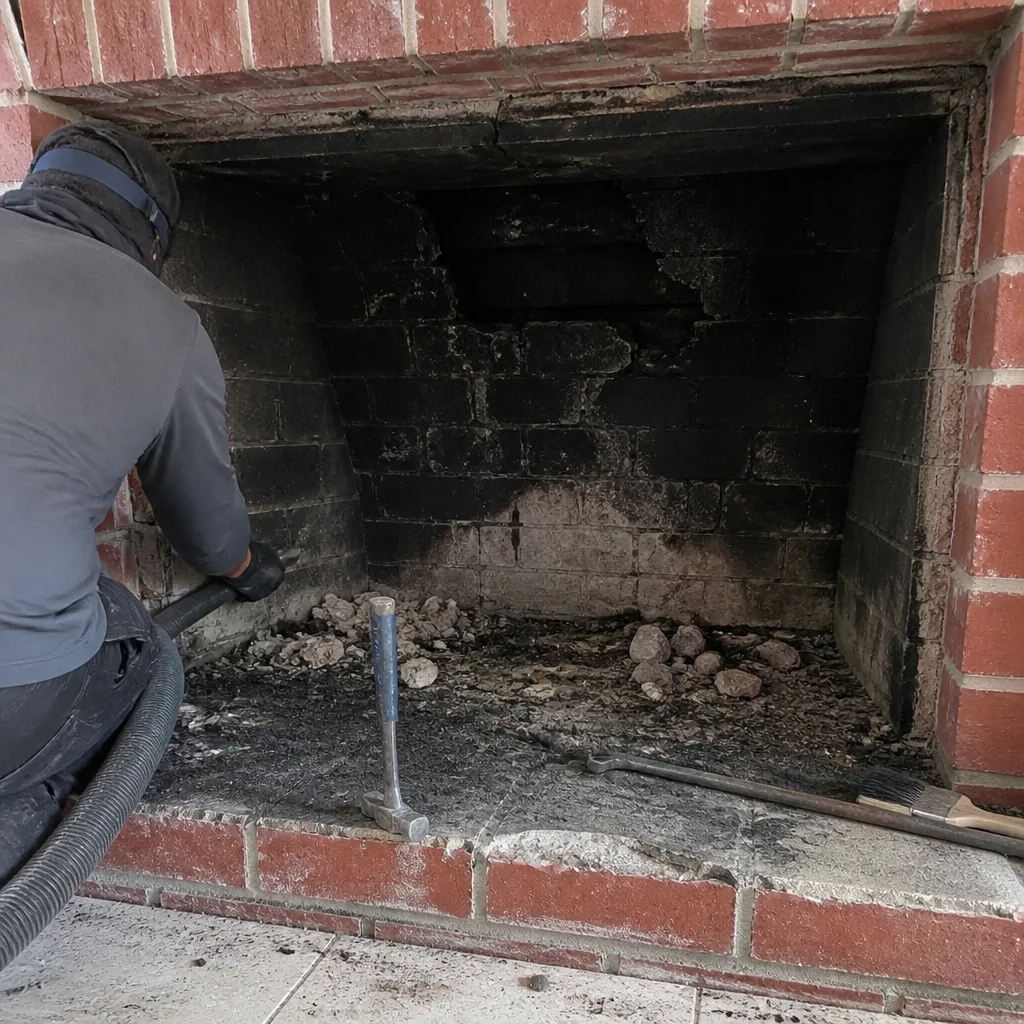 Before
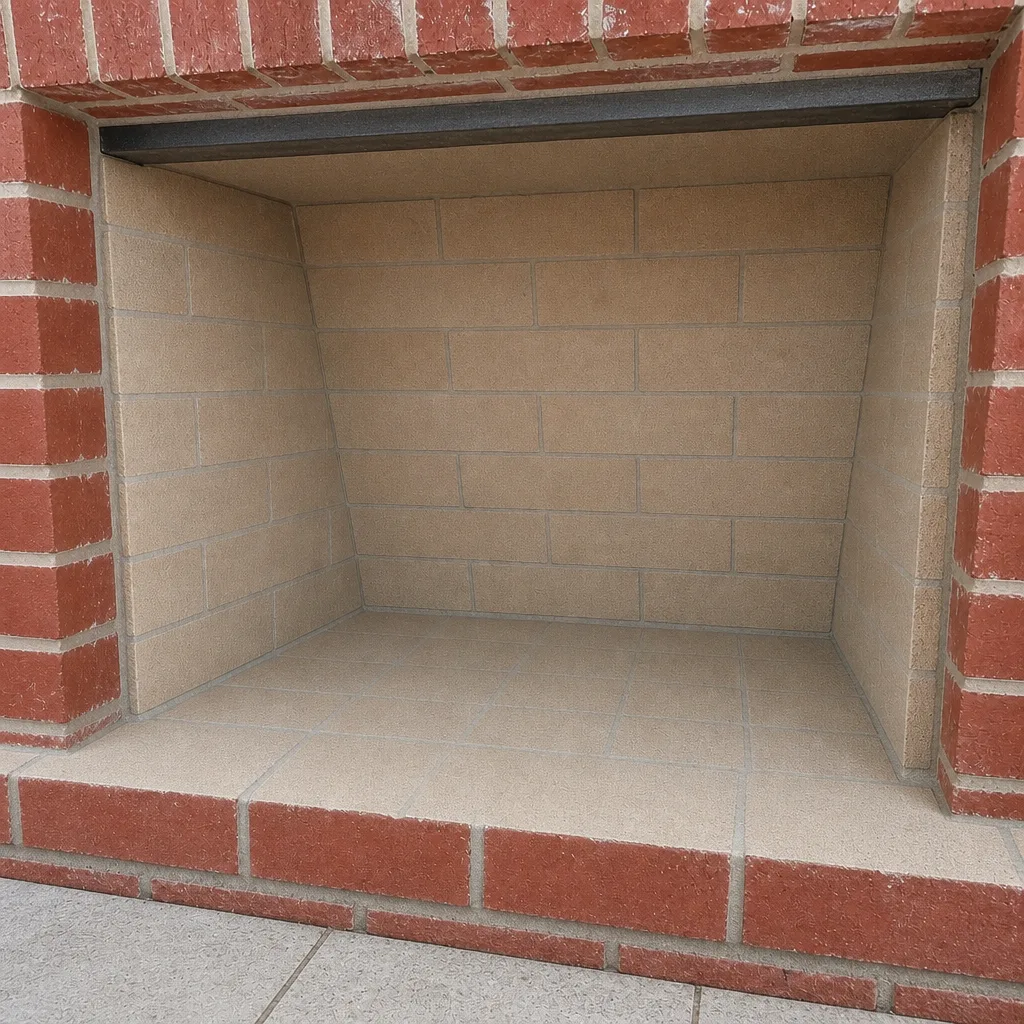 After
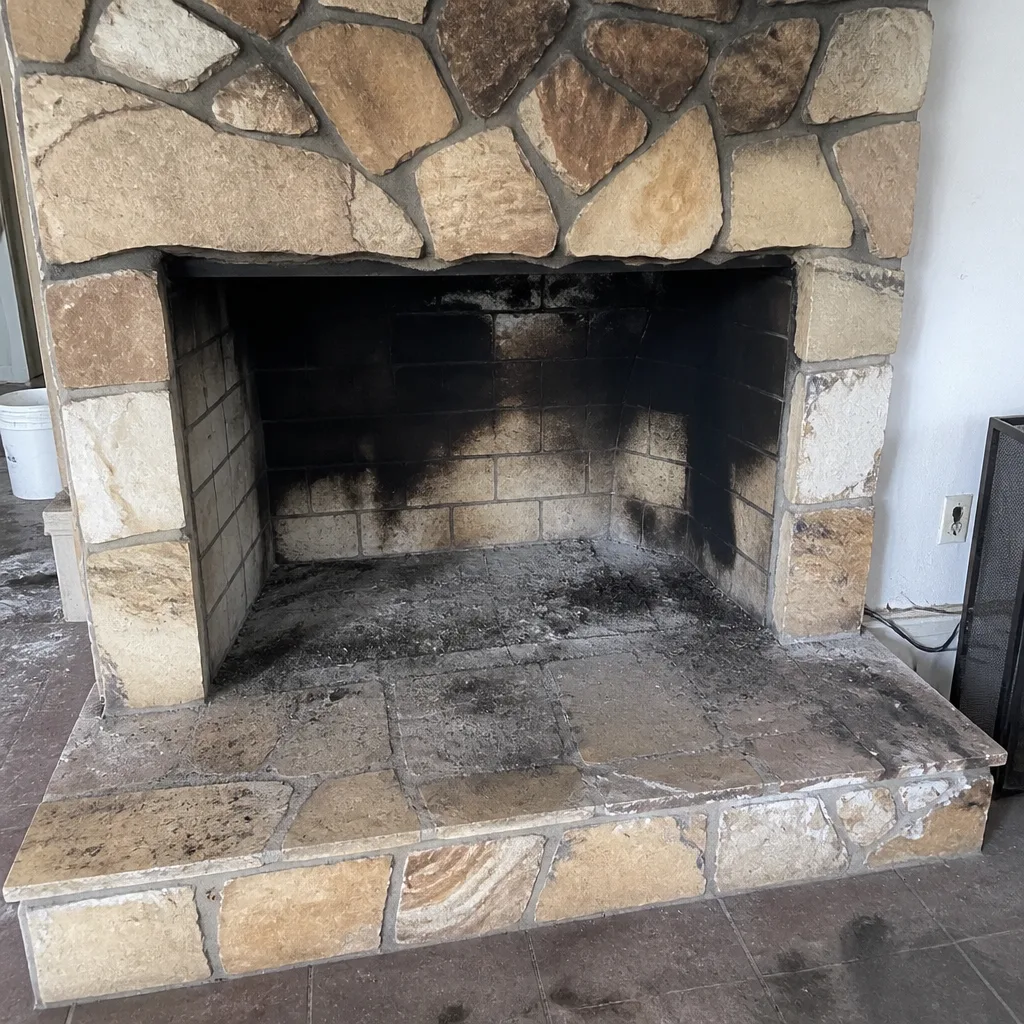 Before
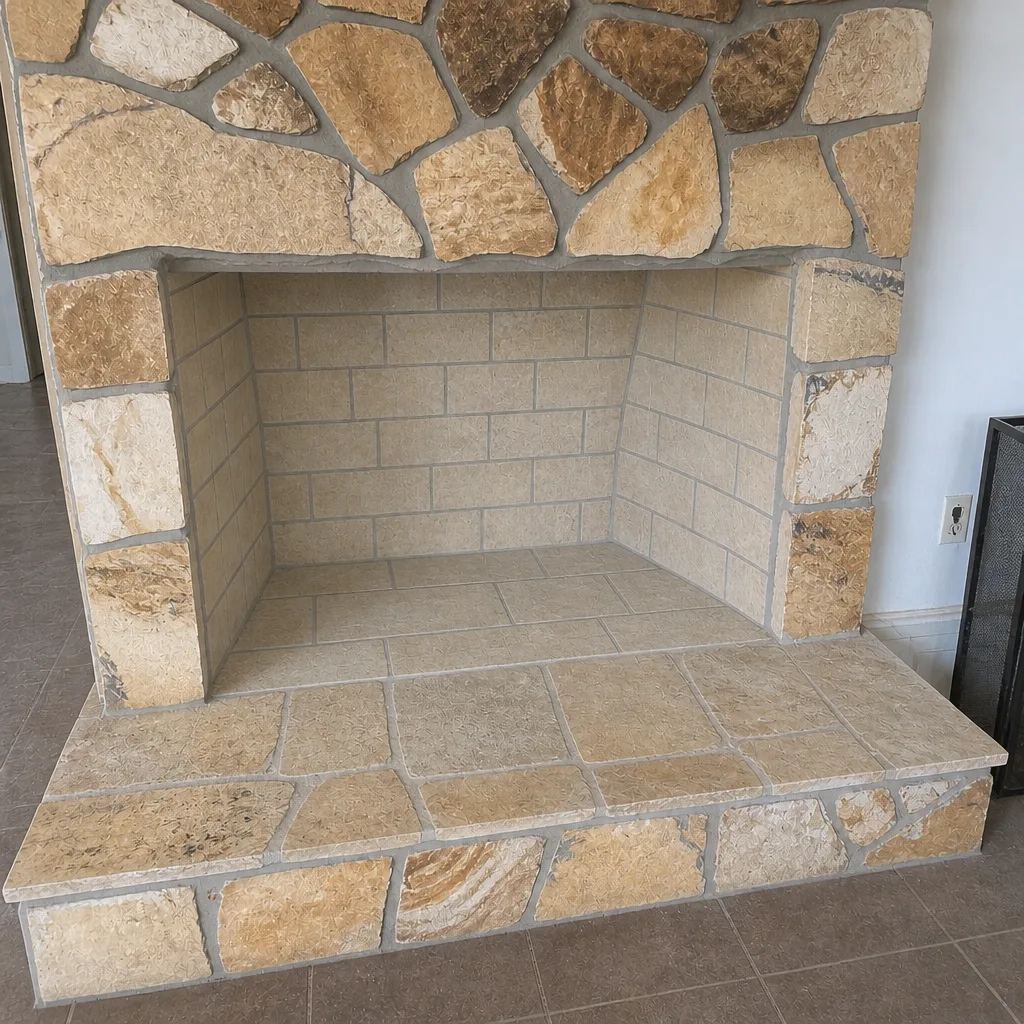 After
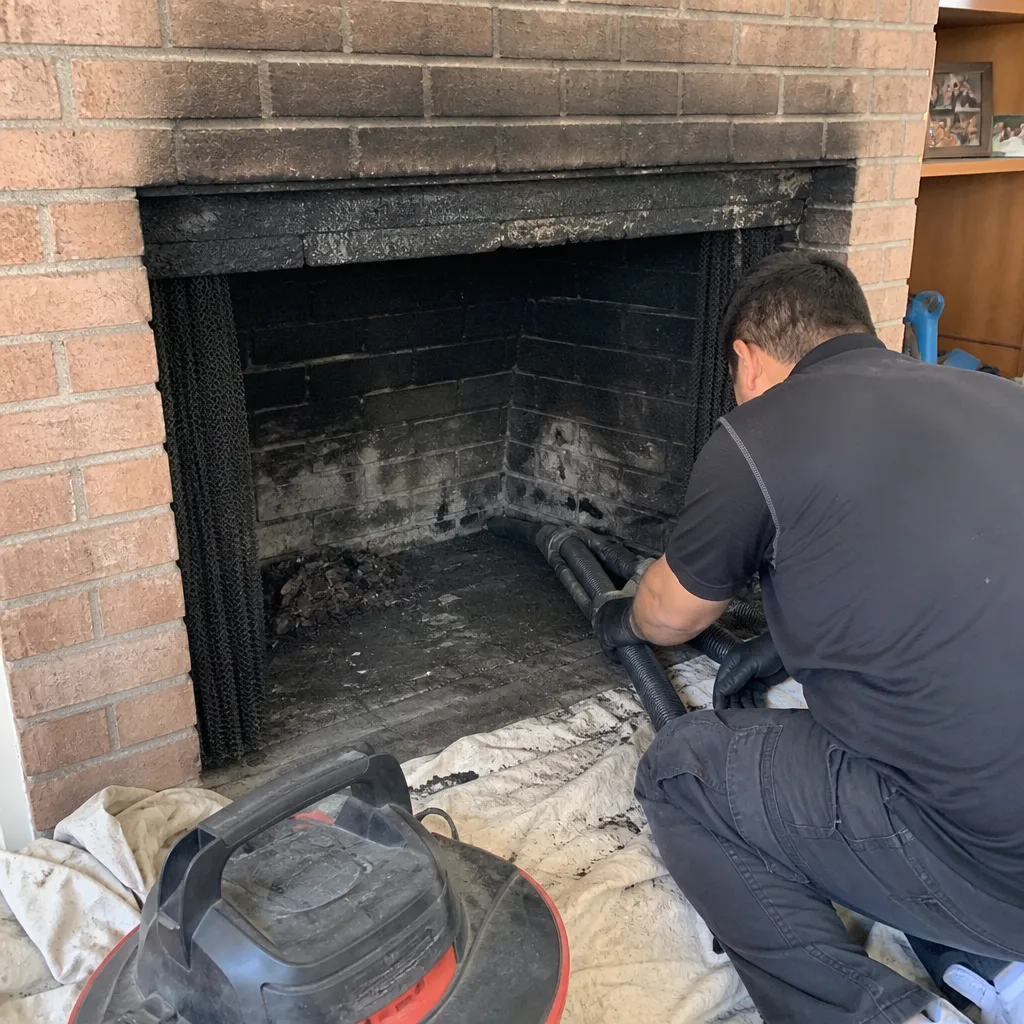 Before
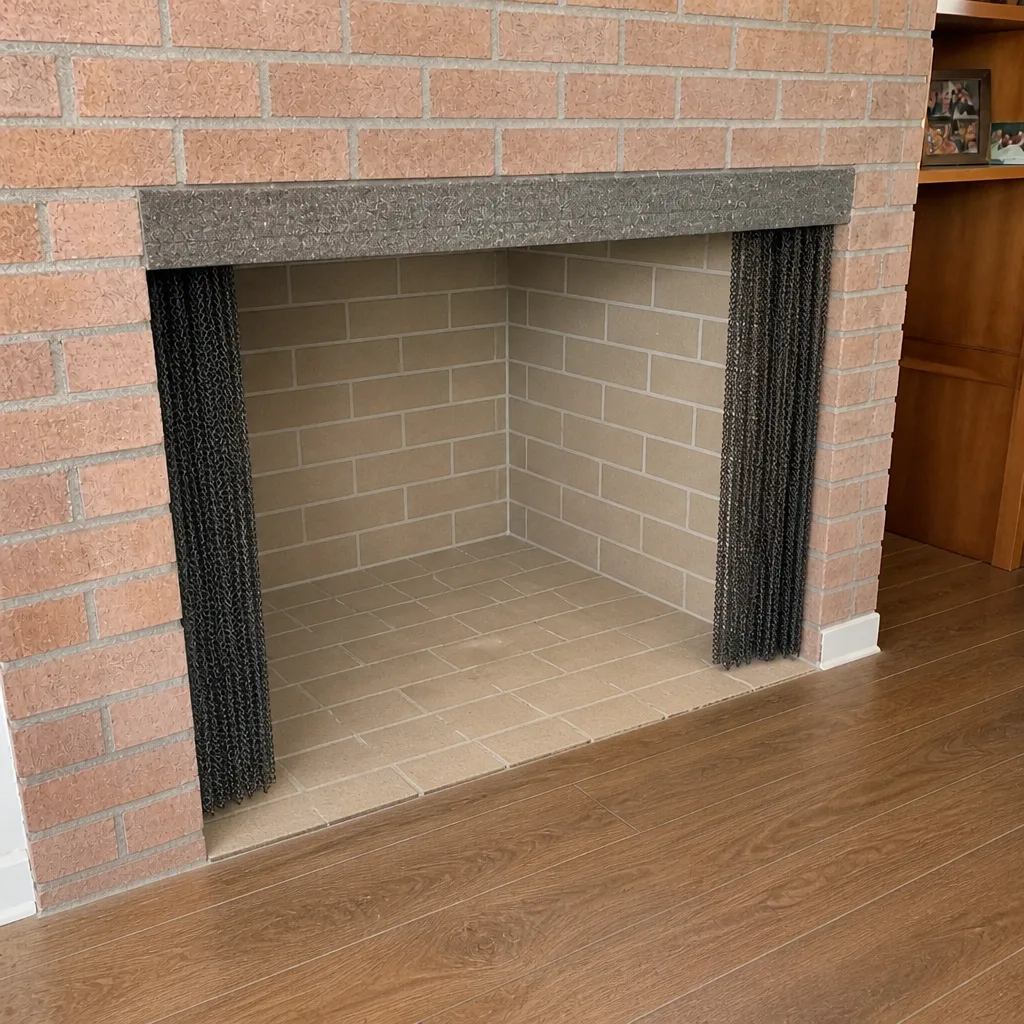 After
When to Call a Professional
Call a professional when the fireplace burns wood and hasn’t been inspected within the last year. Call when the flue has never been inspected, or when you don’t know its history. Call when you notice drafting problems, staining, a smell, or a damper that won’t seat. Call before you sell a home in Hialeah, so the inspection documentation is ready. Call if the dryer vent has never been cleaned or the dryer is taking longer than it used to dry a load. And call if a DIY brush run turns up anything you didn’t expect – an obstruction, a visible crack, a gap in the flue. Chimney Sweep Hialeah offers free estimates in Hialeah – call (855) 918-2061. We answer 24/7. Fast dispatch from 7am to 7pm, Sunday through Friday.
Frequently Asked Questions
You can clean light surface soot from a gas fireplace with a DIY brush kit, but you can’t replicate the inspection that a professional cleaning includes. For a wood-burning fireplace, or any flue that hasn’t been professionally inspected, DIY cleaning isn’t a substitute for a professional sweep and camera inspection. Call (855) 918-2061 for a free estimate if you want the inspection done right the first time.
You need a professional inspection, even if you handle the light cleaning yourself. Gas fireplaces produce less creosote than wood, but they still need venting verification and a look at the flue liner, and those checks require a camera and a trained eye. Once the system has been inspected, DIY surface cleaning between visits is reasonable. Call (855) 918-2061 to book the inspection.
A rotary cleaner uses a powered spinning head that removes hardened creosote and glazed deposits a hand brush glides past. The other difference is the camera: a professional sweep inspects the full flue length and documents what’s found. Brushing cleans the walls; rotary cleaning plus inspection cleans the walls and tells you what condition they’re in. Call (855) 918-2061 for the full service.
It can, if a claim ever involves the fireplace or venting system and you have no documentation of professional inspection. Policies vary, so check with your insurer about the specifics. What we can tell you is that a professional inspection report with photos gives you a factual record of the system’s condition, and that record is useful if a claim arises. Call (855) 918-2061 for an inspection you can document.
A wood-burning fireplace should be cleaned and inspected at least annually, and a gas fireplace should be inspected periodically even if it sees light use. South Florida’s humidity makes moisture-related liner issues worth watching, which is one more reason not to go years without an inspection. Call (855) 918-2061 to get on a sensible schedule.
Yes. We handle chimney sweeping and dryer vent cleaning in the same visit, so two fire-hazard systems get addressed in one appointment instead of two. We use Famco venting components for dryer work, so the termination and venting are correct, not improvised. Call (855) 918-2061 to book both services.
The Bottom Line
DIY chimney brushing is a real option for a Hialeah homeowner with a gas fireplace who wants to maintain a clean firebox between professional inspections. It is not a replacement for the inspection, and it is not the right approach for a wood-burning fireplace or a flue you’ve never had looked at. The cleaning is the easy part. The value is in knowing what’s inside the flue, and that requires a camera and a trained eye. If you’ve been brushing your own flue and skipping the inspection, the next step is a proper look. The repair work, when it’s needed, is where trade-grade materials from HeatShield, Gelco, Olympia Chimney, and Famco make the difference between a fix that holds and one that gets re-done. If you’d like a straight assessment of your system, we’re glad to take a look at your Hialeah home.
Call (855) 918-2061 for a free estimate. We answer 24/7. Fast dispatch from 7am to 7pm, Sunday through Friday. You can also start with a Chimney Sweep Hialeah visit to see what a professional cleaning and inspection involves, and our chimney sweep page explains what the service covers.
Written by the team at Chimney Sweep Hialeah.